Chart your course
How Fast Do Sailboats Go?
Quick answer
The short version
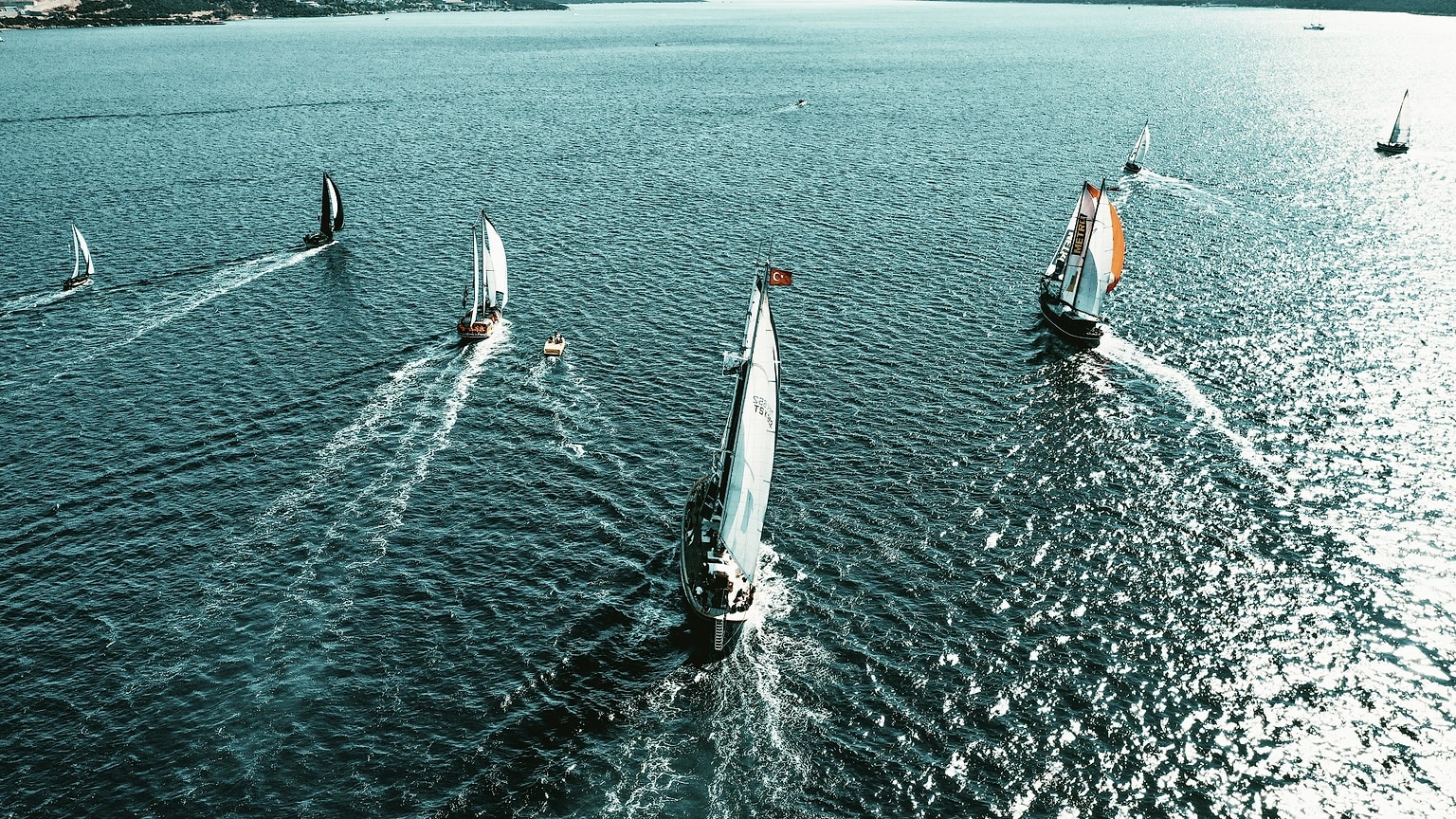
Sailboats do not have one normal speed. Their speed depends on hull form and waterline length, wind strength and angle, waves, current, sail trim, loading, and course. Sailors measure speed in knots: one knot is one nautical mile per hour, about 1.15 statute miles per hour or 1.85 kilometres per hour. A displacement sailboat faces rapidly increasing wave-making resistance as speed rises, while planing and foiling boats behave differently. A race-planning example may use 3 to 4 knots for dinghies beating, but that is not a universal range for every sailboat. For trip planning, the boat's realistic average in comparable conditions matters more than a momentary top-speed display.
Speed questions become clearer when you ask “for which boat, on which course, in which conditions?” The same boat can crawl in light air, accelerate in a favourable breeze, and make very different progress over the ground when current changes. A number from a race video or sales page may be real without being useful for your day. Learn what the instrument is measuring, understand the broad behaviour of the hull, and keep peak speed separate from the average used to estimate arrival.
What Does a Speed in Knots Mean?
A knot is a rate of one nautical mile per hour. If an instrument shows 5 knots and that speed remains constant for one hour, the corresponding distance is 5 nautical miles. The unit is built into marine navigation, so sailors normally keep speed in knots and distance in nautical miles rather than converting during a passage.
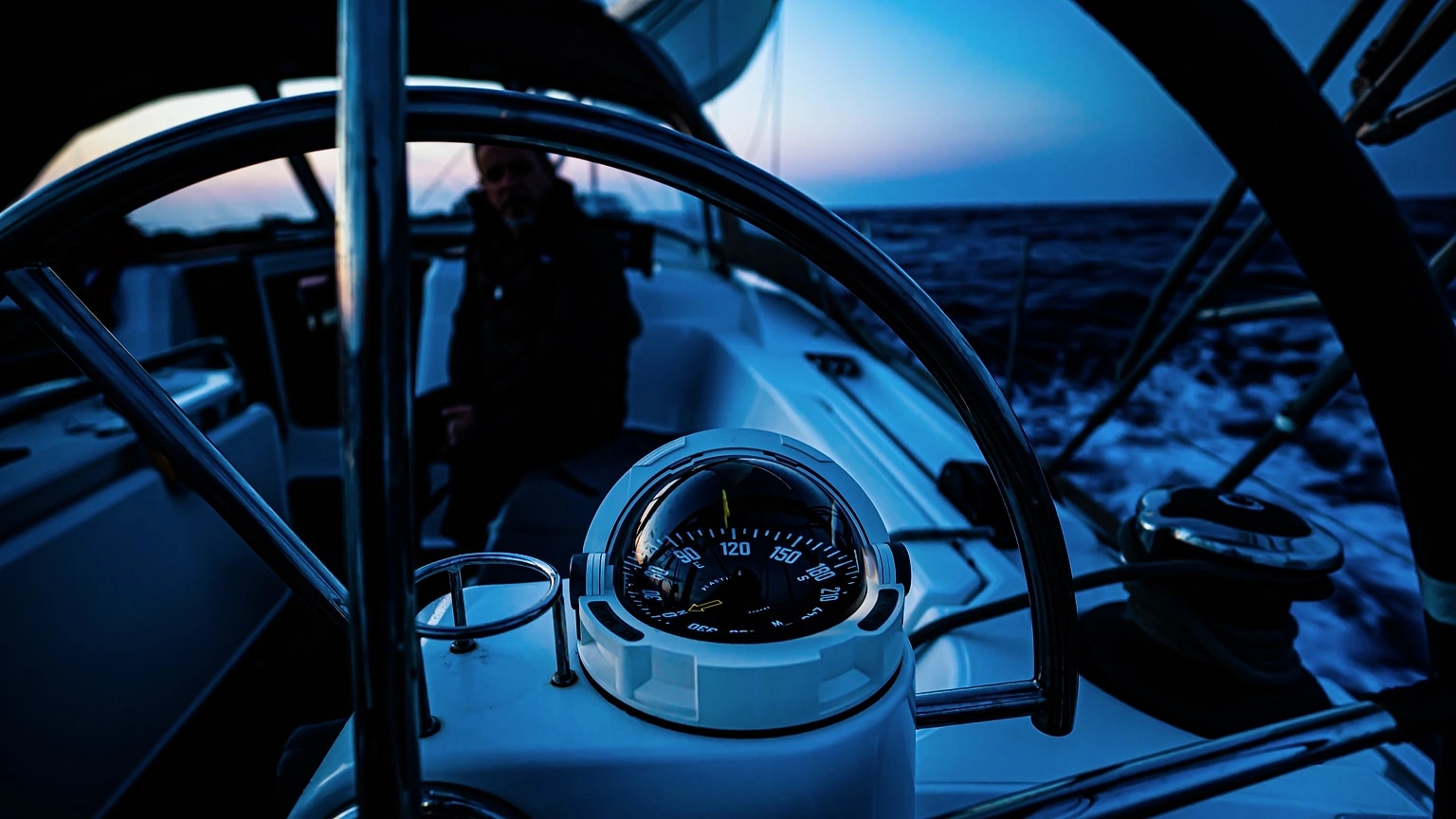
Ask whether the displayed value is speed through the water or speed over the ground. Current can make those numbers different because it moves the boat relative to the seabed. The distinction affects arrival planning and helps explain why the same sail setting can produce different progress on different legs.
Do not compare a brief peak with a sustained average. An instrument may capture a fast moment in a gust or on a wave. That does not show what the boat can maintain through maneuvers, slower patches, traffic, and route changes.
Why Does Waterline Length Affect Speed?
A displacement boat pushes water aside and creates waves as it moves. As its speed rises, the pattern of those waves changes and the resistance can increase sharply. Waterline length influences the speed at which this displacement behaviour becomes especially inefficient.
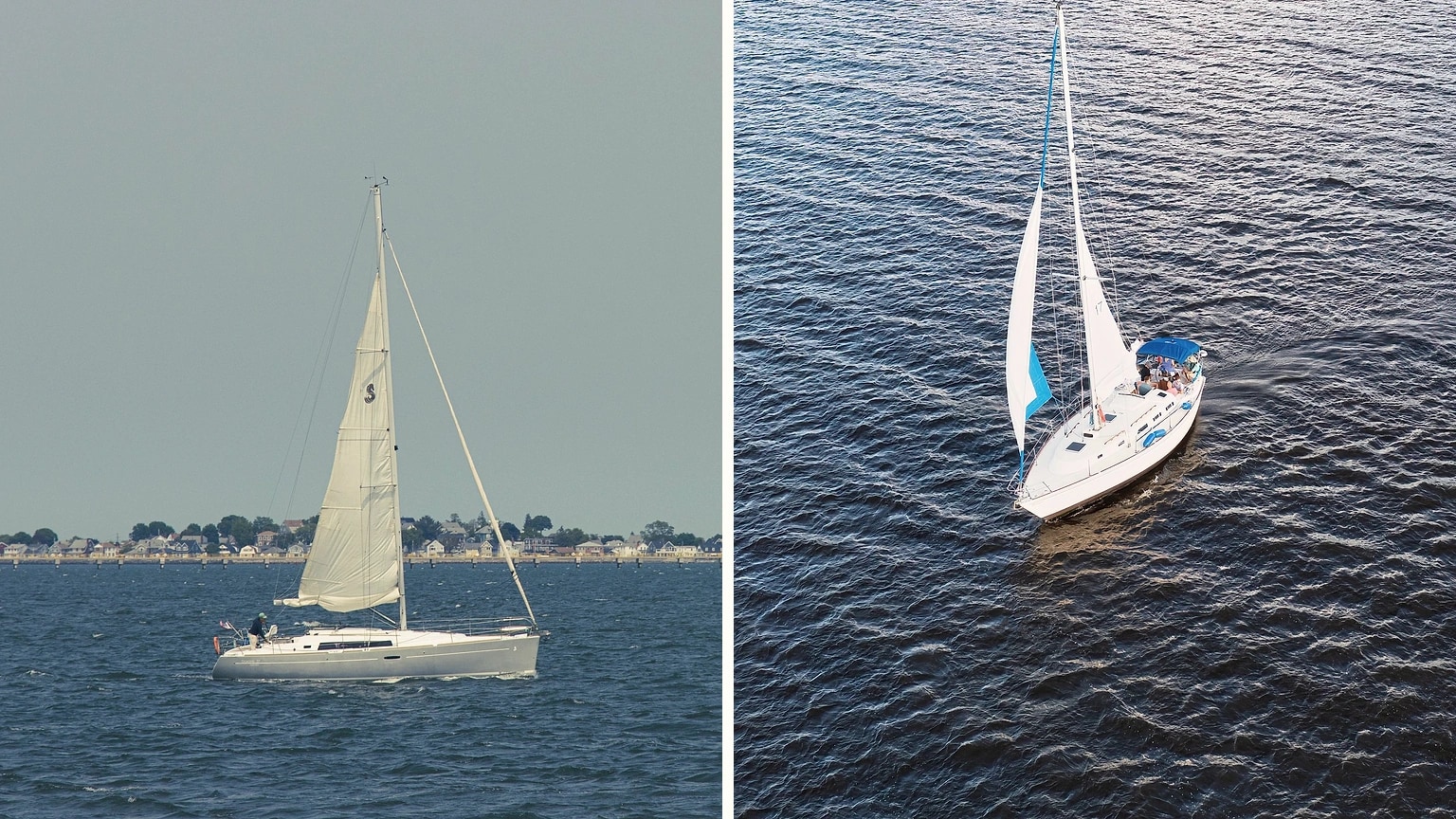
The familiar “hull speed” relationship is therefore a rule of thumb about efficient displacement speed, not a solid wall that no boat can cross. Hull shape, loading, waves, and other design details matter. A longer waterline generally changes the displacement-speed relationship, but length alone does not tell you the boat's real speed on a particular day.
For a beginner, the useful lesson is modest: do not estimate a boat from sail area or appearance alone. Use information for the actual design, then compare it with observations from similar routes and conditions.
Why Can Some Sailboats Go Much Faster?
Planing and foiling craft do not remain in the same displacement condition as a conventional cruising hull. Hydrodynamic lift can reduce how much of the hull is supported in displacement mode, changing the resistance and allowing much higher speeds in suitable conditions. That is why a fast racing clip is a poor benchmark for an ordinary keelboat.
Even within one broad type, design and handling matter. A sail must be trimmed to a useful angle of attack to generate drive. A luffing or poorly set sail loses force, while an overloaded or badly balanced boat may not perform as expected. Wind angle and sea state can change the result again.
Treat published records and dramatic videos as evidence of what a specialized boat and crew achieved in specific conditions. They are not an arrival estimate, training target, or promise for another design.
Which Speed Should You Use for Passage Planning?
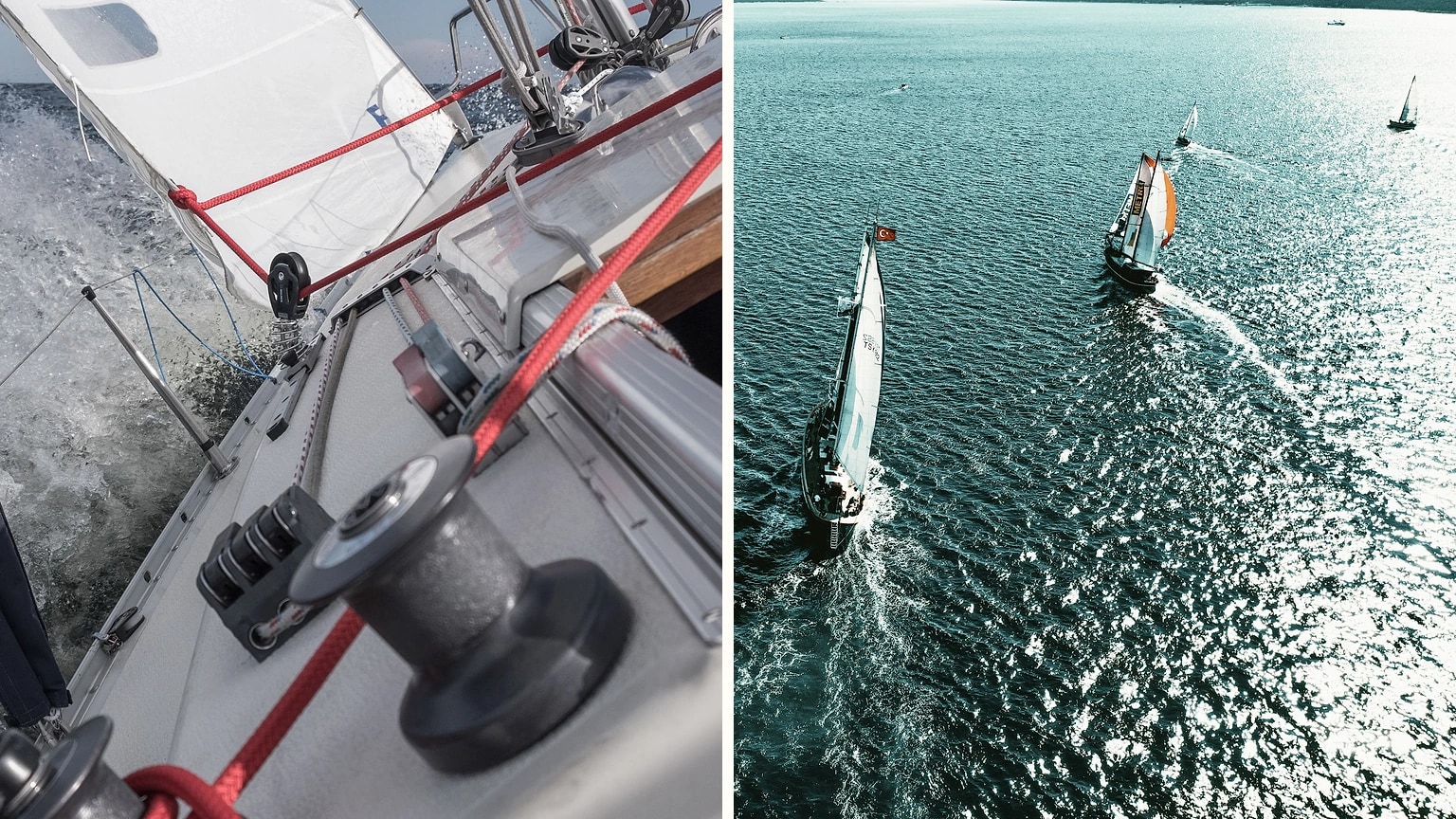
Use an expected average for the actual boat in comparable conditions. Include slower points of sail, maneuvers, traffic, route constraints, and likely delays. If you lack a reliable history, seek conservative local guidance and update the estimate as the passage develops.
Current belongs in the calculation because it changes progress over the ground. So do weather, waves, daylight, crew capability, and the boat's operating limits. A safe plan also considers alternatives if the average is lower than expected.
Record predicted and actual times on familiar trips. That creates evidence for future planning without pretending every day will match. Peak speed can still be enjoyable and informative, but average progress answers the practical questions: When might you arrive? How much daylight remains? When should you choose an alternative?
Separate speed through water from progress
The speed display may describe movement through the water or movement over the ground, depending on the instrument. Current can make those values differ. For passage planning, the question is how quickly the boat will make progress along the intended route, including tacks, turns, reduced sail, traffic, and slower approaches.
Do not use a brief surf or favourable gust as the planning speed. Record ordinary passage results from your boat and crew. Note wind, sea state, sail plan, course, and current so the number has context. A sailing logbook gives those observations a consistent home.
Build time with a conservative average
Divide the planned route into legs that may have different conditions or points of sail. Give each leg a realistic average based on the boat's records and the current forecast. Add time for departure, sail changes, navigation checks, and the final approach. Then identify where you can shorten or stop if progress is slower.
Recheck the estimate under way. If the boat falls behind the plan, update the arrival time and remaining daylight rather than trying to recover every minute with more sail. The marine forecast guide helps you compare the timing of weather changes with the slower plan.
Ask why the boat is slow
Start with simple observations. Is the course forcing extra distance? Has current changed the speed over ground? Are sails trimmed for the apparent wind? Is excess heel creating a heavy helm and drag? Has the sea state made the boat pitch or slow? Change one factor at a time and wait for a clear result.
Sometimes slower is the correct answer. Reduced sail, a wider safety margin, or a route away from traffic may lower the displayed speed while improving control. A fast boat that misses the safe arrival window has not produced a useful passage plan.
Compare boats without one headline number
Length and waterline shape influence potential speed, but real performance also depends on design, displacement, sails, wind, sea state, course, and crew. Compare the specific boats and the sailing job. A light dinghy, cruising monohull, and multihull can reach their useful speeds in very different ways.
When evaluating a boat, ask for realistic passage examples and the conditions behind them. Then compare comfort, draft, handling, storage, and crew demands as well as speed. The best number is the average you can plan around, reproduce, and revise honestly when the water gives you something different.
Use SailStarter's sail-trim lesson to connect airflow and sail setting with boat response, then observe speed with an instructor aboard a familiar boat. Note the point of sail, wind and water conditions, trim, and whether the display shows speed through the water or over the ground. Watch how the number changes after one measured adjustment, but keep attention on lookout and safe handling. For planning, collect the average from complete local trips rather than remembering only the fastest moment. Compare it with the route, current, conditions, and delays you actually experienced. This habit produces a more useful answer than a generic speed table. A sailboat can be slow or remarkably fast depending on its design and situation. The number that matters is the one tied to a clear question: measuring performance now, or estimating safe progress toward a destination. Keep those uses separate and both become easier to understand.
For a worked planning example, take a route you have already sailed and divide its charted distance by the actual elapsed passage time. Then remove the marina waiting time only if your future plan also treats it separately. Compare that average with the highest speed seen during the day. The gap shows why a peak is a poor arrival estimate.
Repeat for an upwind trip and an easier reach. Keep both results rather than averaging unlike routes into one promise. Over time, the log becomes a small performance table for your boat and crew under named conditions.
Try it from the lesson
Can you spot the next move?
The sail's front edge flutters and the sail has little pull. Which angle problem fits?
Why you can trust this guide
. We build each guide from public seamanship and safety sources, then teach the universal principle before any local difference.