Chart your course
What Happens When There Is No Wind for Sailing?

Quick answer
The short version
When there is no useful airflow across the sails, a sailboat cannot rely on sail power and may slow until it has very little steerage. Water may still move the boat through current, so "not sailing" does not mean "staying in one place." In light air rather than a true calm, keep the boat moving gently, avoid unnecessary steering and crew movement, and trim for the weak breeze you actually have. Your safe response depends on the boat, water, traffic, depth, hazards, and equipment carried. Options may include waiting, anchoring where suitable, returning by an allowed alternative method, or using auxiliary propulsion. The skipper should choose before drift creates a more difficult situation.
Calm water can look harmless, but a slow boat has fewer easy choices. Steering depends on water flowing past the rudder, and current can carry the hull even when the log shows little useful progress through the water. The first job is to identify what is really happening. Is there a faint breeze that can still drive the boat? Is the calm temporary? Where is the current taking you? Which hazards, traffic, or shorelines reduce the time available? Light-air technique can preserve motion, but it does not replace a safe boat-specific plan.
Is It Light Air or a True Calm?
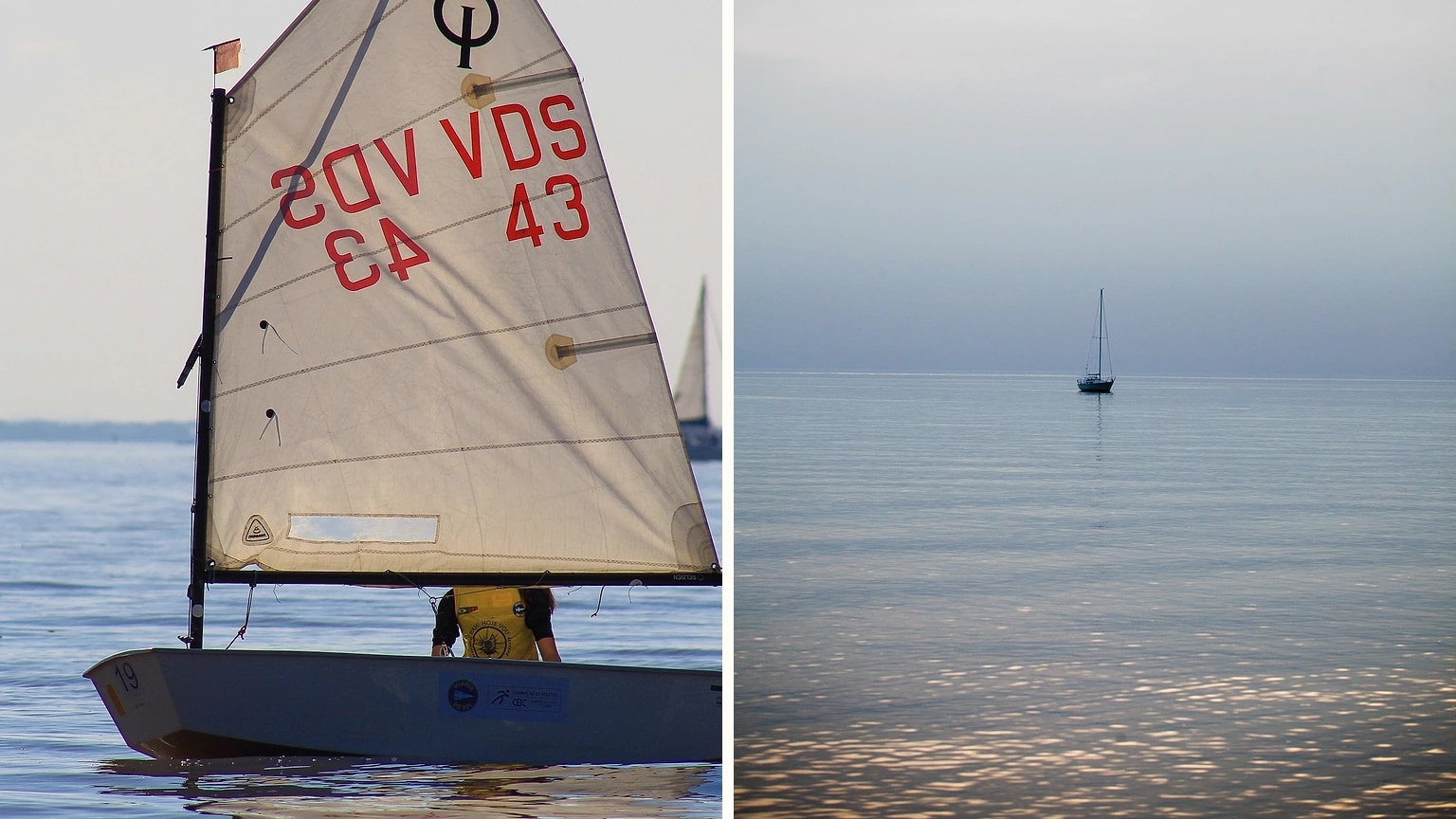
Look for evidence on both the boat and the water. A telltale may lift occasionally, a soft patch may darken the surface, or the sail may fill for a moment. If a usable breeze remains, its direction can vary and the boat may move only when you avoid disturbing the flow.
Also compare position over time. The boat can drift with current even while the sails hang still. Use the navigation information and lookout appropriate to the boat and area rather than judging movement from the cockpit alone.
Treat the distinction as practical, not philosophical. If light-air sailing keeps you clear of hazards and fits the plan, preserve it. If the available breeze no longer provides the control or progress you need, move to the next safe option before your margin disappears.
Reading the Signs in Order
A useful habit is to read the boat before you read the water, since the boat often shows the smaller signal first. Watch the highest, lightest telltale on the sail or the shrouds before you scan the surface for a darker patch; a telltale that lifts for even a second is real airflow, however brief. Only after checking the boat does it help to look outward for a darkening patch of water moving toward you, since that patch is the visible edge of a puff that has not reached you yet. If neither shows anything for several minutes, treat the pause as a true calm rather than a lull, and shift your attention from the sail to the chart, the current, and whatever the boat is drifting toward. True and apparent wind explains why even a small amount of the boat's own motion can change what the sail actually feels, which is part of why a boat that is still moving, even slowly, can keep a thin breeze alive that a stopped boat would lose entirely.
How Do You Keep Moving in a Weak Breeze?
Reduce actions that interrupt the small amount of airflow and momentum you have. Steer gently, keep crew movement smooth, and avoid repeated large sail adjustments. Watch the sail and visible wind cues, then make one measured change and wait long enough to see its effect.
The correct trim depends on the boat, sail, and apparent wind. A heavy cruising boat and a light dinghy will not respond in the same way. Use the boat's established guidance and instruction rather than copying a dramatic racing technique without context. SailStarter's guide to sail trim by point of sail covers how trim should already be changing as the apparent wind shifts, which is the same principle at work here, just with less airflow to work with.
Plan farther ahead because acceleration and turning may take more time. A route that leaves open water and room for a slow maneuver is more forgiving than one that requires an exact last-minute turn. Protecting motion is useful only while the route remains safe.
The Mistake of Overcorrecting
The most common way a light-air boat loses what little drive it had is impatience at the helm. A skipper who sees the bow wander off the intended line reaches for a bigger tiller or wheel movement to fix it immediately, the same correction that would work at normal speed. At very low speed that larger movement does something different: it adds drag from the rudder itself and slows the boat further, which then makes the next correction even less effective than the last one. The better response is a smaller movement held a little longer, giving the little flow you have time to act on the rudder before you ask for more. The same patience applies to sail trim. One measured adjustment followed by a pause tells you more than three quick changes in a row, and it does not cost you the momentum the quick changes would.
Why Does Steering Become Less Effective?
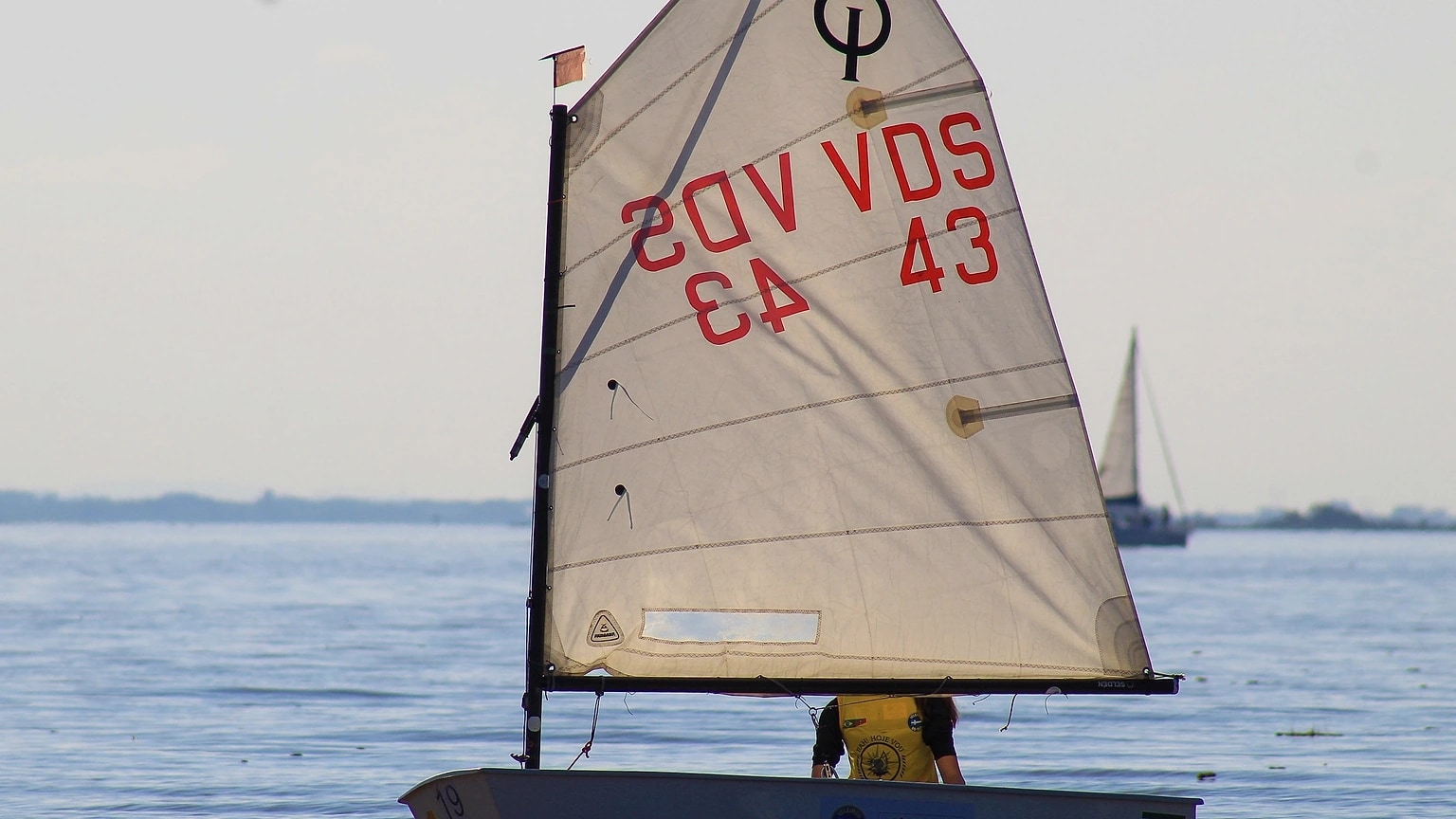
A conventional rudder needs water flowing past it to create a useful turning force. As boat speed falls, the same tiller or wheel movement may produce a slower and weaker response. Pushing the rudder to a large angle can add drag and reduce the remaining motion further.
This is why a calm near traffic, a channel edge, shoal water, or a lee shore deserves early attention. The boat may still be moving with current while having limited ability to change that movement under sail. Keep lookout and monitor position instead of waiting for the sails to announce the problem.
Do not assume the auxiliary engine will solve everything unless it is ready, suitable, and permitted for the situation. Its operation brings its own checks. A small unpowered boat needs a different plan. Know the options for the boat before departure.
Why Drift and Steerage Are Two Different Problems
It helps to keep two separate questions in mind rather than treating a calm as one problem. The first question is where the boat is going, which is answered by current and has nothing to do with the sails. The second is whether you can change that path, which is answered by steerage and depends on water moving past the rudder. A boat can be drifting steadily toward a hazard while still technically having some steerage left, or it can have almost no steerage while barely drifting at all in calm water away from any hazard. Neither situation alone tells you how much time you have. Checking both together, the direction of drift and how much rudder authority remains, gives an honest picture instead of a partial one. Set and drift explains how to actually work out the direction and rate a current is carrying a boat, which is the tool this comparison depends on.
What Should the Skipper Do Next?
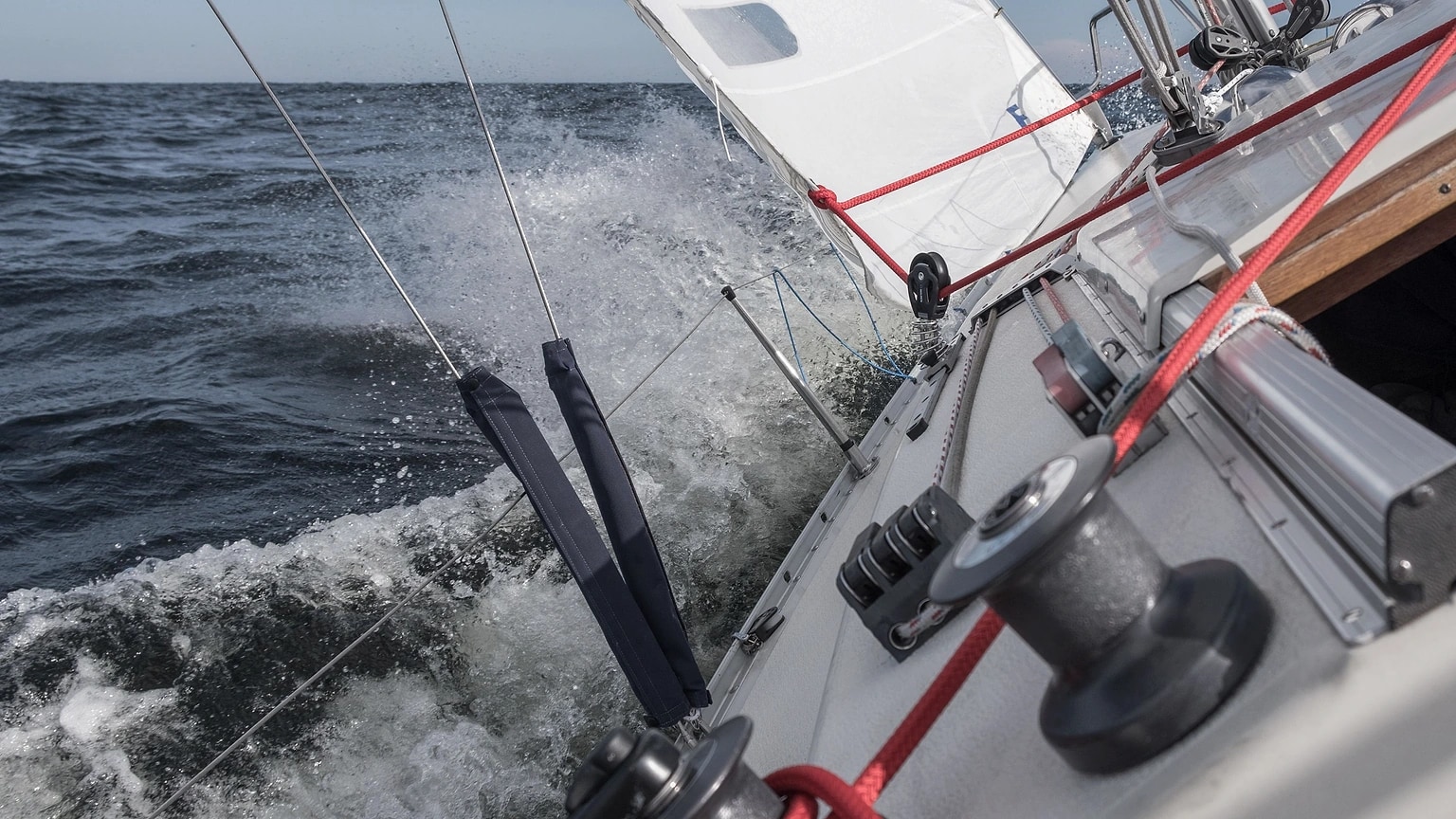
Choose from the options the boat actually has. In open safe water, waiting for a forecast change may be reasonable. In suitable depth and holding ground, anchoring can stop unwanted drift. A motor-fitted sailboat may use auxiliary propulsion after the proper checks. A small boat may have an approved means of alternative propulsion or a venue-specific recovery plan. If anchoring is the right choice, dragging anchor: what to do is worth reading before you need it, since a calm that later turns to wind can start the exact drag problem that guide covers.
The choice depends on position, current, weather, daylight, traffic, crew, and how conditions are developing. Communicate the plan aboard and leave enough time to carry it out without haste. If assistance becomes necessary, use the communication and emergency procedures appropriate to the situation.
Before the trip, ask what "no wind" means for this boat and venue. Training centres and clubs should be able to explain their operating limits and recovery arrangements. That answer belongs in the plan, not in an improvised debate after the boat stops.
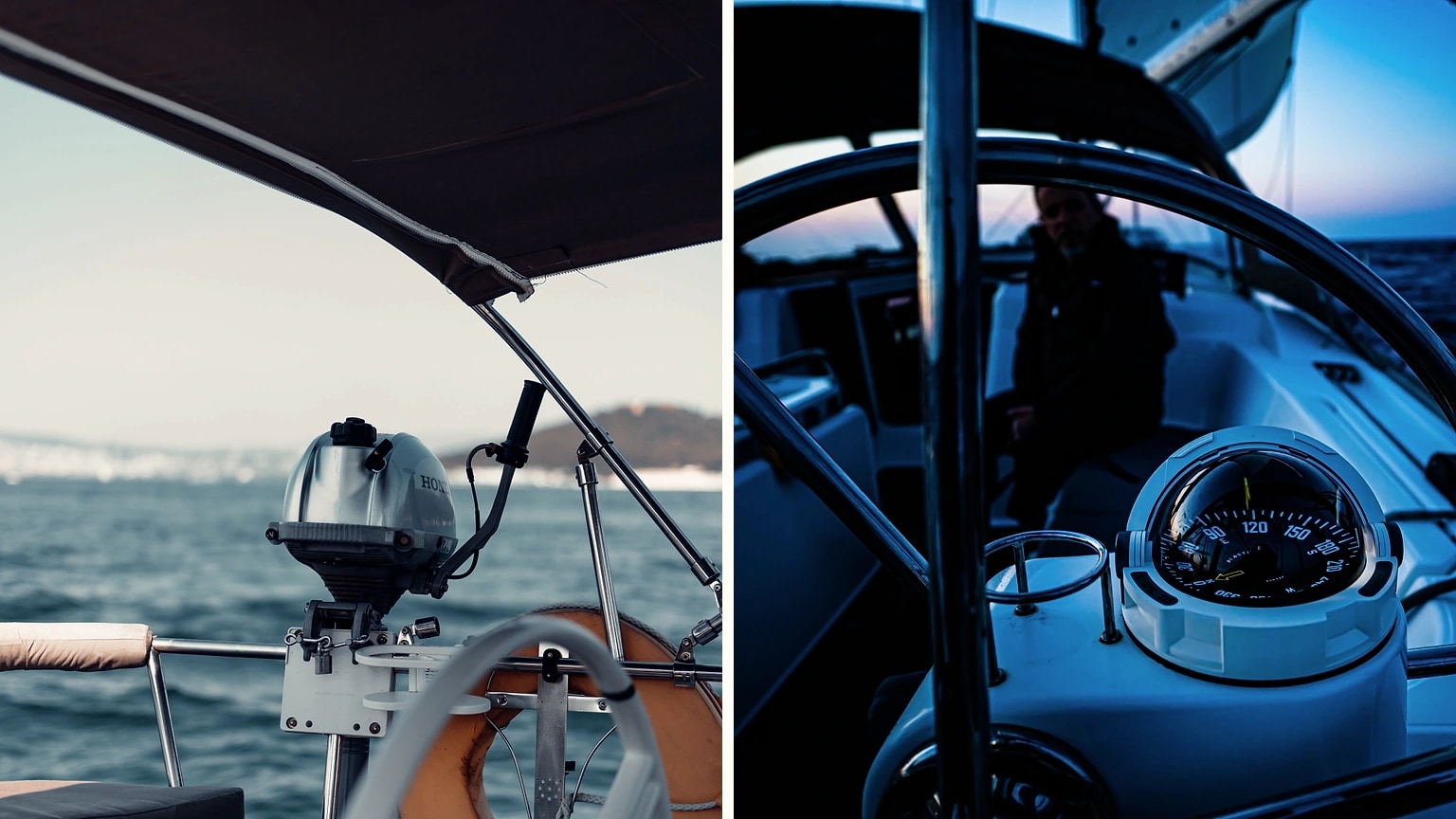
Use SailStarter's sail-trim lesson to understand how airflow and sail setting affect drive, then practise light-air handling with an instructor on the boat you actually sail. Before leaving, identify the current, nearby hazards, forecast, daylight, and the point at which slow progress would require a different plan. Confirm how the boat anchors, whether it has suitable auxiliary propulsion, and which local procedures apply. During a calm, keep a position watch and judge control as well as speed. A boat that is moving slowly in the desired direction may need patience and gentle handling. A boat drifting toward a limit while losing steerage needs an earlier decision. There is no single maneuver that fits every sailboat and stretch of water. The useful skill is recognizing the loss of drive, protecting any remaining motion, and choosing a prepared safe option while there is still room to act.
Try it from the lesson
Can you spot the next move?
The sail's front edge flutters and the sail has little pull. Which angle problem fits?
Why you can trust this guide
. We build each guide from public seamanship and safety sources, then teach the universal principle before any local difference.