Chart your course
How Old Is Too Old for a Sailboat?
Quick answer
The short version
No build year makes a sailboat automatically too old. Age is a reason to ask better questions about condition, records, use and project scope. A newer boat can have deferred maintenance, while an older boat can have documented care and sound accessible condition. The purchase decision should rest on evidence gathered for the particular boat, not on a calendar threshold.
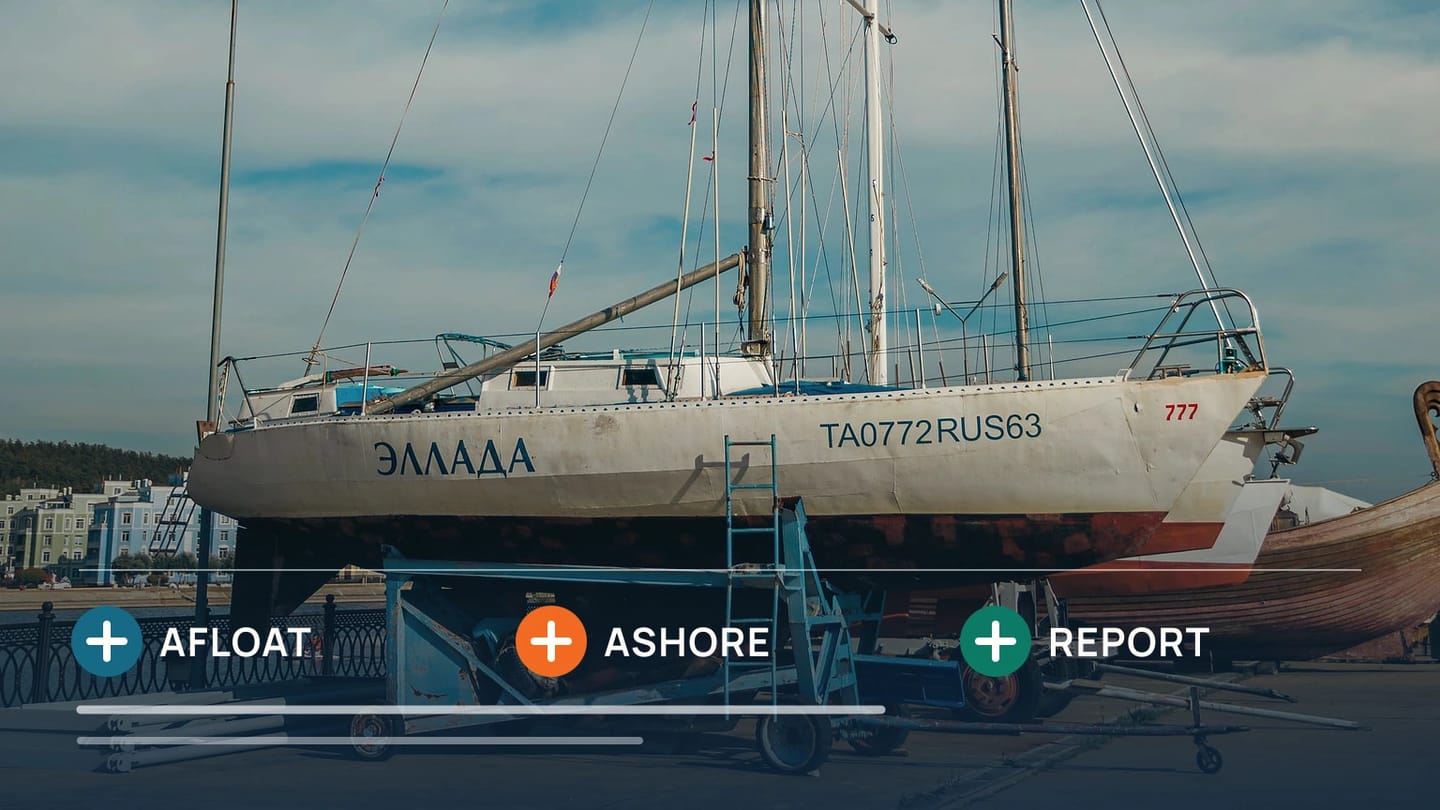
Start with the work needed to understand the hull, rig and propulsion system. A pre-purchase survey commonly includes afloat, out-of-water and trial-run stages. Engine and rigging assessments can need specialists. Each investigation has an agreed boundary, so read what it can establish and what remains outside its scope before treating a report as a final verdict.
Treat Age as a Question
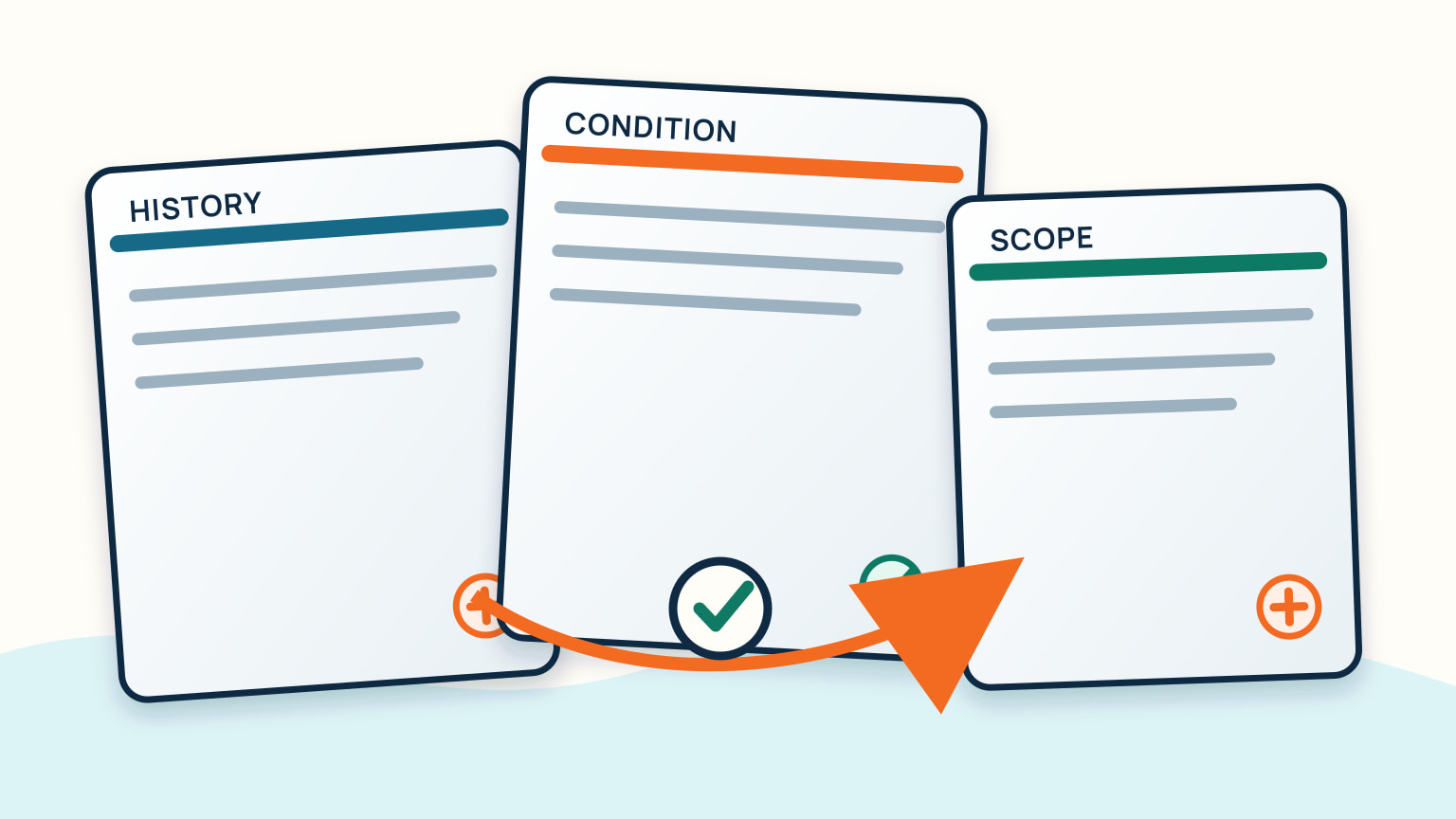
An older boat invites reasonable questions: what has been maintained, what was replaced, what has changed hands, and what evidence supports the answer? Build year cannot settle any of them. Ask the seller for service records, invoices, survey reports and a clear account of recent work. Record missing information as missing rather than converting an assumption into a fact.
This does not mean a buyer must reject a boat without a perfect file. It means uncertainty should shape the next step. A gap in records may lead to a more careful inspection, a specialist opinion, a revised project budget or a decision to keep looking. The useful response depends on what the accessible condition evidence shows.
Separate the boat’s age from its intended job. A local day-sailing plan has different demands from a plan that depends on longer passages, remote support or extensive systems. Be honest about the use you expect now. Do not purchase an ambitious future project while pretending it is a simple first boat.
Use the Survey in Stages
A pre-purchase survey can include an afloat stage, an out-of-water stage and a trial run. These are complementary opportunities to observe the boat. Afloat observation does not replace access to the underwater hull. A short trial run observes operation under way, but it does not make hidden components visible. Each stage gives a different kind of evidence.
Agree the survey scope before the appointment. A survey reports accessible condition at the time of inspection, and its limits matter. Ask what areas are included, what access is needed, what will be excluded, and when specialist findings may be recommended. The answer helps you plan lift arrangements, attendance and the time required for a responsible decision.
Choose and receive the appropriate report yourself. A broker, seller, surveyor, mechanic and rigger have different roles. Independent condition evidence matters because you need to understand the report’s scope and decide what to do with its findings.
Bring in the Right Specialist
A general surveyor may recommend a trained engine mechanic for in-depth diagnostics. Engine work can include computerized checks, oil analysis and compression testing. That specialist scope is not a failure of the general survey. It is the appropriate way to investigate a system that needs different tools or expertise.
Rigging also deserves its own evidence when condition or history raises questions. A rig inspection can examine the mast, boom, spreaders, stays, shrouds, turnbuckles and accessible chainplates. Rig inspection and repair decisions need condition and history as well as age. Avoid turning a general statement about old boats into an automatic replacement rule.
Ask each specialist to state what was inspected, what was inaccessible, and what action it recommends. Keep those reports beside the main survey. They make the project boundary visible and help you distinguish an observed issue from work you may choose to undertake later.

Decide What the Findings Mean
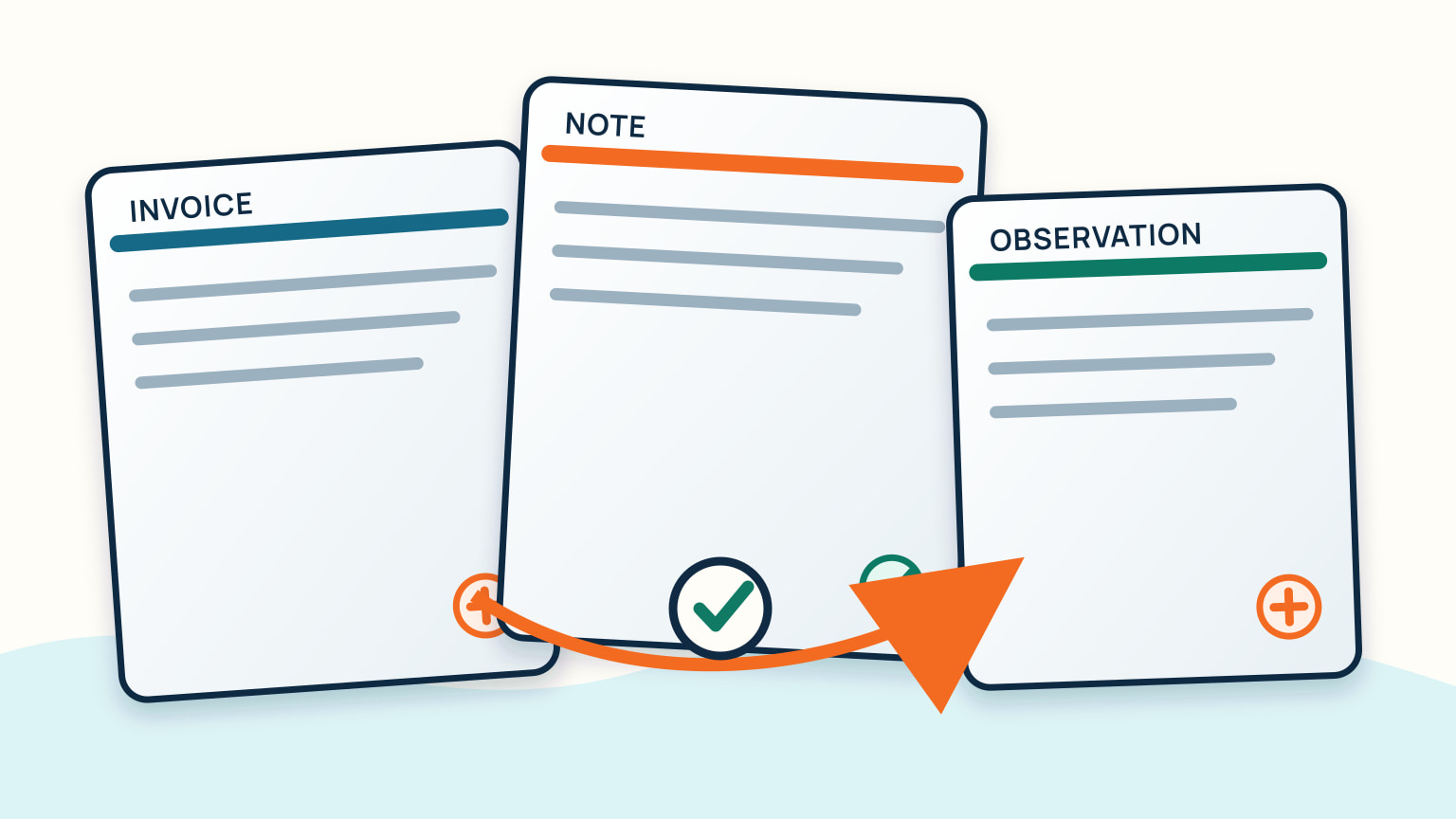
Once evidence arrives, sort findings into items that affect the purchase decision, items that need a written repair quote, and items you can monitor or plan. Do not add unrelated improvements to the same list without marking them as choices. A boat purchase can become confusing when necessary evidence, repairs and preferred upgrades are all called “the project.”
Ask providers to price the actual scope. A repair quote should name the boat, installed system, observed condition, work boundary, materials or components, access needs and exclusions. A bare headline price cannot establish what will be done. If the scope is unclear, request clarification before using the number in a purchase decision.
This process can lead to a decision not to buy. That is a useful outcome when the boat no longer fits your resources or intended use. A survey is not a test that a boat must “pass.” It is evidence for a choice.
Make the budget discussion equally specific. Keep a separate line for the purchase, identified repairs, and improvements you would simply like to make. An older boat is easy to misread when those categories are blended. The evidence may show a manageable repair scope, while a long optional wish list creates a much larger imagined project. Put the decision-critical work first and do not use a cosmetic plan to hide it.
If a report directs you to another assessment, decide whether you need that evidence before making an offer. A report’s recommendation is information about its own limit, not an instruction to authorise every possible job. Ask what the next specialist can inspect, what access it requires, and how its finding could affect the purchase. That makes each additional appointment purposeful.

Keep the Scope Honest
An old boat can be a rewarding one when its condition, documented work and planned use make sense together. It can also be a poor first purchase when it depends on unknown systems, unavailable support or work beyond your time and budget. The distinction comes from the specific evidence, not from a universal age limit.
Before making an offer, preserve time and conditions for the agreed assessment. Contract wording, deposits, title, tax and closing arrangements vary by place, so confirm current local rules and written terms for the actual transaction. The universal habit is simple: do not waive independent condition evidence just because a boat’s age has made you feel rushed.
For a practical companion, see used sailboat inspection checklist. It helps you prepare questions, while a professional assessment remains the place for condition conclusions.
Use the sea trial as an observation with the same discipline. Note what the boat did, what conditions were present, and what you could not test. Do not ask a brief outing to prove long-term reliability or reveal inaccessible components. Its value is that it supplements the afloat and out-of-water evidence with operation away from the dock. Keep the result in the same record as the survey rather than treating it as a separate sales demonstration.
Older boats sometimes arrive with a story that is more polished than their records. Listen to it, then return to the accessible evidence. The useful questions are concrete: which work is documented, which area was inspected, who gave the condition opinion, and what is still unknown? A seller may answer some questions well and have no answer to others. That is normal. Your purchase plan should reflect the difference.
When comparing two boats, use the same evidence categories for each. Compare the proposed use, available records, survey scope, specialist findings, repair quote boundaries, access to support, and the work you can realistically take on. This avoids declaring one boat “too old” merely because the other has a newer year on its listing. The better candidate is the one whose condition evidence and project scope you can understand.
Keep the offer decision separate from the emotional work of imagining the finished boat. A familiar design, a low listing price, or a seller’s enthusiasm can all make an older boat feel like an opportunity. They are not condition evidence. Return to the same written questions after every conversation: what was observed, what was reported, what needs a specialist, what must be quoted, and what would still be your choice rather than a necessary repair. That discipline gives you room to walk away without treating the boat’s age, or the time already spent looking, as a reason to accept uncertainty you cannot manage.
Use the same questions when a seller offers an explanation for an absent record. The explanation can be useful context; the condition evidence still needs its own source.

SailStarter’s purchase lessons can help you follow the process without promising certainty that the evidence does not provide. Use age to focus your questions, arrange the appropriate inspections, and decide whether the real project fits the way you want to sail. That is a much stronger test than asking whether a boat is simply too old.
Try it from the lesson
Can you spot the next move?
A wide sailboat glides past on two side-by-side hulls, barely leaning at all. What type is it?
Why you can trust this guide
. We build each guide from public seamanship and safety sources, then teach the universal principle before any local difference.