Chart your course
Sailboat Delivery Cost and Options
Quick answer
The short version
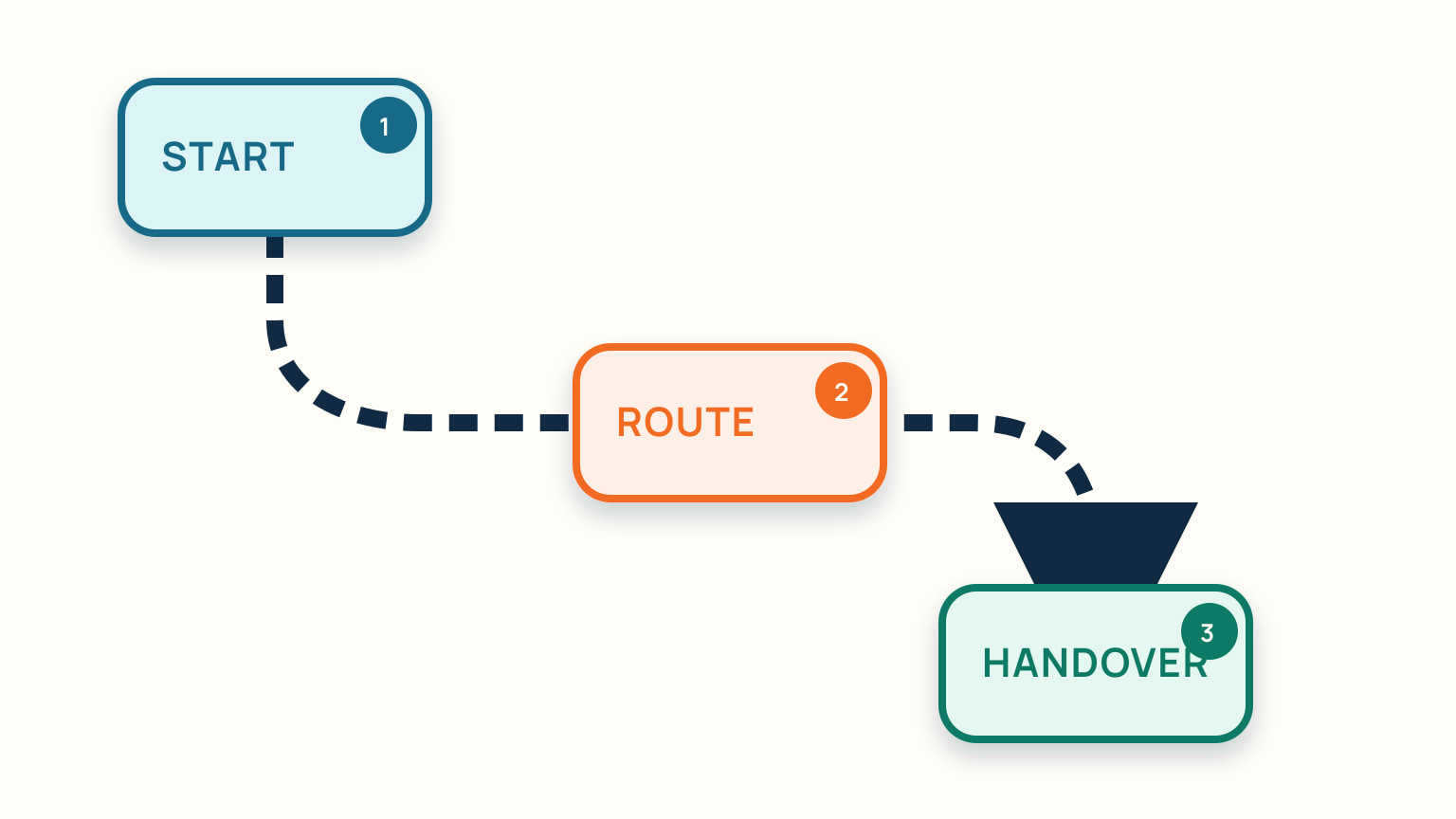
The cost of moving a sailboat is the total cost of getting this boat from its current berth to a usable handover at the destination. That may mean a professional delivery crew, road transport, or a trip you make yourself. None is automatically the cheap option. The scope changes with the route, boat condition, preparation work, crew, lift or loading needs, weather delays, insurance, and the arrangements waiting at the other end.
Begin by asking which move fits the actual boat and route. A short sea trial does not prove a boat is ready for a longer delivery. A road quote does not necessarily include the lifts, preparation, or launch. A delivery captain's daily fee is not the whole passage budget. Compare written scopes after you have identified the work each option really needs.
Define the move before asking for prices
Write a one-page move brief. Include the boat's current location, destination, draft and dimensions, known condition issues, preferred completion window, weather or seasonal limits, destination berth, and any date that cannot move. Then add the route, expected stops, whether the boat will travel afloat or ashore, and the evidence available from a recent survey or specialist inspection.
Passage planning depends on the boat and intended trip. The RYA stresses that planning is relevant to both short and long voyages, including trips within sight of land. That makes a route a practical input to the quote, rather than a distance figure pasted into an email. A bridge, tide window, fuel stop, exposed leg, weather hold, or unfamiliar arrival can change time, crew needs, and responsibility.
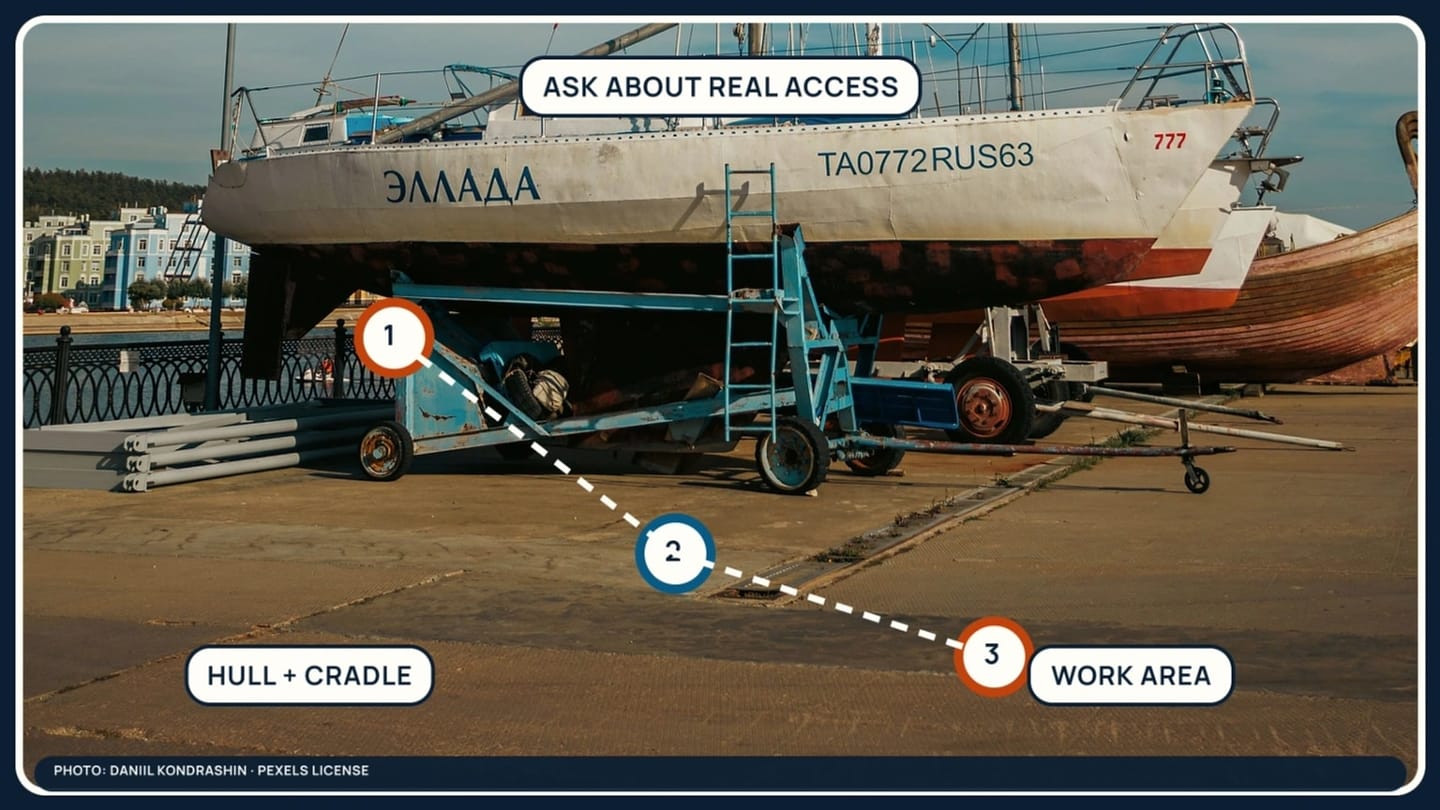
For an afloat move, note who will update navigation and weather information, decide whether to wait, manage watchkeeping, and contact the destination. For an ashore move, note the loading site, lift access, cradle or trailer arrangement, route boundary, unloading site, and relaunch plan. A coastal-passage planning guide can help you see why the route itself needs a plan.
Compare professional delivery and self-delivery
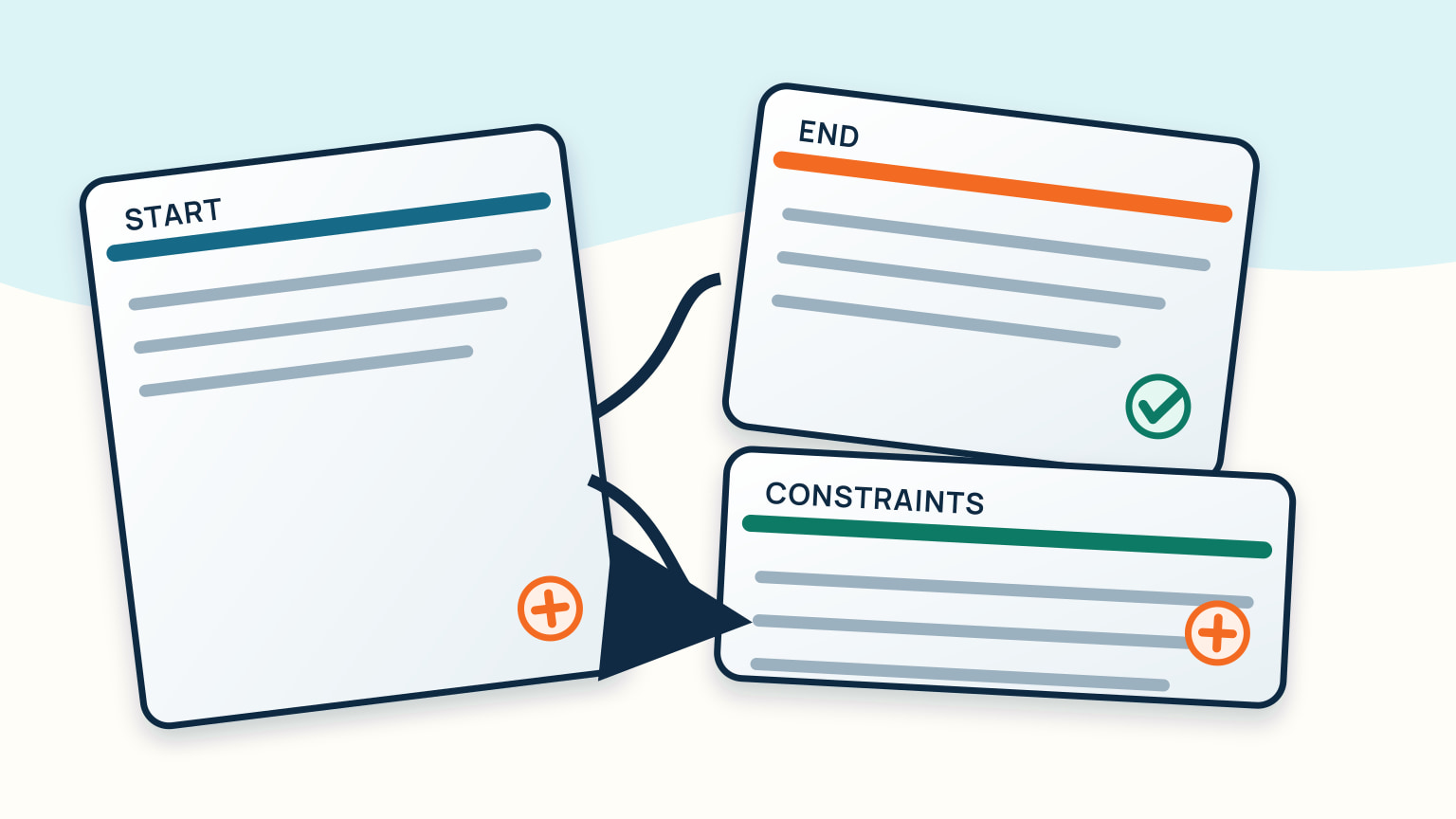
A professional delivery can bring an experienced crew and a named handover process. It still needs a written agreement about who prepares the boat, supplies equipment and provisions, pays for fuel and consumables, chooses crew, manages weather delays, carries insurance responsibility, and accepts the boat at the end. Ask what the provider will inspect before departure and what would cause them to decline or postpone the trip.
Self-delivery keeps you directly involved, yet it also makes you responsible for crew readiness, route decisions, watchkeeping, maintenance response, and the destination arrival. It is a sensible choice only when the boat, voyage, and crew fit the task. Time available is part of that fit. A schedule that requires departing into unsuitable conditions is a poor saving.
Do not convert a short familiar outing into a delivery by assuming the same equipment and preparation apply. A trial run observes the boat operating in the conditions of that outing. It cannot confirm every concealed system or prove the boat will handle a longer route. Experience needed to sail offshore is a useful companion when you are weighing crew capability against the passage.
Ask for a pre-departure list even when a professional takes charge after the boat is ready. It can include accessible systems, documents, fuel arrangement, safety equipment, communication method, spares, and who can authorize extra work. This is not a promise that nothing will go wrong. It is a way to expose assumptions before a crew arrives and a weather window starts to close.
Treat road transport as a chain of jobs
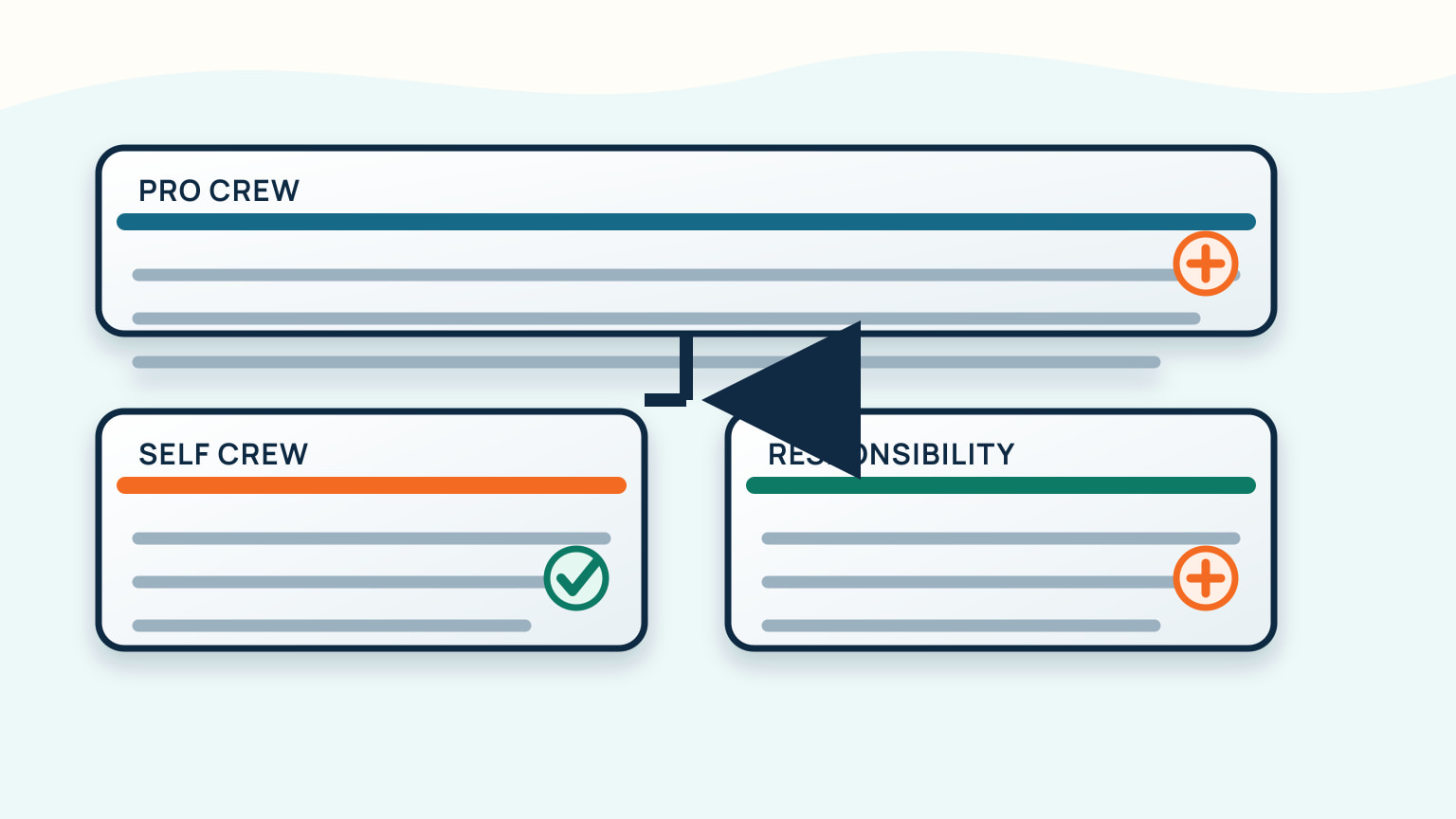
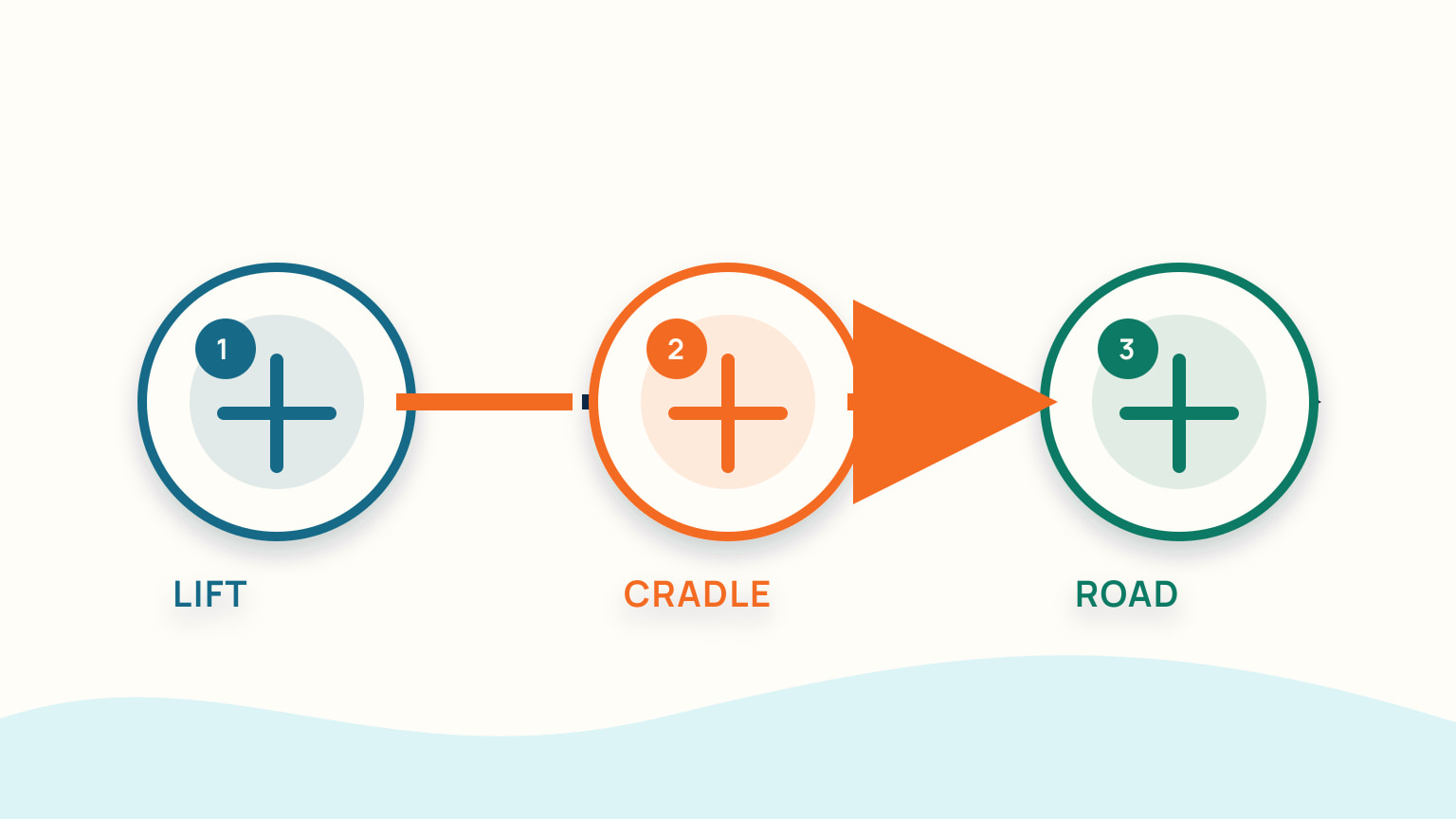
Road transport can avoid an exposed passage and reduce time under way. It also creates a sequence of separate jobs: preparing the boat, lifting or loading it, securing it for the move, making the road journey, unloading, launching, recommissioning, and checking systems afterward. A transport provider may arrange some of these. Others may be a yard, crane operator, rigger, or owner responsibility.
Ask the provider to state the exact transport boundary. Does the price begin with a boat in the slings, a mast already removed, or a boat fully prepared on a cradle? Does it include mast handling, shrink wrap or protection, permits, escorts, storage, route changes, relaunch, and work at the destination? A low road figure can still be the right choice. It is only comparable after those items are visible.
Confirm dimensions from reliable boat information, then let the provider decide what the route permits. Transport and road requirements differ by place. Do not rely on a general online “maximum size” claim. Sailboat haul-out planning shows the yard-access questions that often sit outside the headline move price.
Check readiness without pretending it is a guarantee
Before selecting a method, make a readiness list. For an afloat delivery, include hull and underwater condition, steering, propulsion, fuel, electrical system, rig, sails, communication, navigation, ground tackle, safety equipment, water, and access to spares. For road transport, include the lift plan, mast and rig work, loose gear, hatches, companionway, support points, and condition at the loading and destination sites.
Use reports carefully. A survey looks at accessible condition and may identify specialist work. It does not promise that every system will survive a trip or that a route is suitable. Ask the person proposing the move what evidence they need, what they will verify themselves, and which problems are outside their scope. Keep that answer with the quote.
Build a stop rule into the plan. If a new finding affects the engine, rig, steering, hull, transport support, crew, or destination access, pause and reassess the method rather than pressing on to protect a date. A marine diesel maintenance checklist can help you distinguish a routine record review from the specialist assessment a particular engine may need.
Compare quotes at the handover point
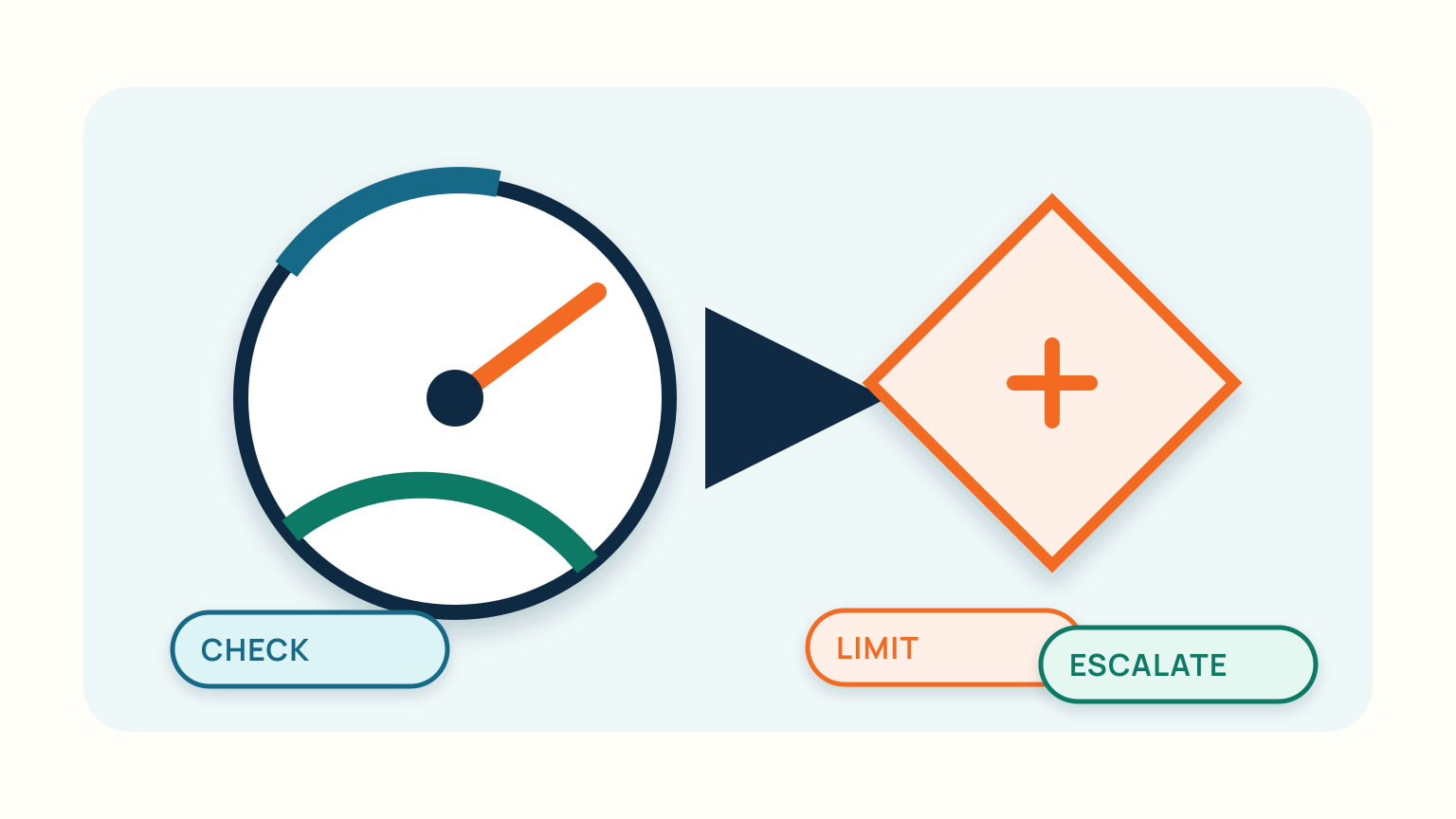
Lay the offers beside the same move brief. For each one, list route or road boundary, preparation, crew or carrier, fuel and consumables, lift and mast work, insurance boundary, weather or route-delay policy, meals and travel, taxes or provider charges, destination berthing or launch, handover condition, and exclusions. Then add the evidence each provider relies on.
The most useful question is: “When does your responsibility begin and end?” A delivery crew may accept an afloat boat after a readiness review and hand it over at a named berth. A road carrier may accept it after yard loading and hand it over at an unloading point. You may need separate arrangements for commissioning, rigging, launch, and the first local move. Make each handoff visible.
Current navigation, weather, transport, insurance, customs, labour, and safety requirements can vary by route and jurisdiction. Confirm the local rules and the provider's written terms for your move. A clear scope lets you choose a method because it fits the boat, not because its first number looked attractive.
Keep departure and arrival records. Photograph the boat and loose equipment at each handoff, record fuel and meters where relevant, save condition notes, and agree who receives keys, papers, and the final update. These records make the move easier to explain if an item is missing or damaged. They also give the next local yard or skipper a practical starting point.
Avoid a false comparison between a fast move and a complete move. A boat can arrive at a destination before its mast is stepped, systems are commissioned, or a crew is ready for the first onward trip. If a timing promise matters, ask whether the quoted completion point is an unloading point, a launch, a functioning boat at the berth, or a final sailed handover. Those descriptions have very different practical value.
Set the move brief before asking for a price, then update it only when an observation changes the plan. Include the boat’s present condition evidence, departure and arrival access, route or transport boundary, people who may make decisions, expected handover condition, and the budget for work outside the carrier or skipper’s scope. This helps a provider identify a sensible option rather than offering a bare distance estimate. It also gives you a clear record when you compare an afloat delivery, road transport, and the option of waiting until the boat or season is more suitable.
The right delivery option is the one that leaves the boat safely and usefully where you need it, with responsibility clear at every stage. Gather condition evidence, describe the route or road move, identify the preparation and arrival work, and compare the written boundaries. SailStarter can help you understand the voyage and boat systems involved. A professional delivery provider, yard, surveyor, transporter, and local authorities each remain responsible for their own specialist and local decisions.
Try it from the lesson
Can you spot the next move?
A wide sailboat glides past on two side-by-side hulls, barely leaning at all. What type is it?
Why you can trust this guide
. We build each guide from public seamanship and safety sources, then teach the universal principle before any local difference.