Chart your course
Yacht Charter Gratuity: A Practical Guide

Quick answer
The short version
There is no universal yacht-charter gratuity percentage. Your booking may describe gratuity as discretionary, suggest a range, include a service charge, or set another arrangement. Read the current agreement and ask the operator early whether any charge is already included, what a published suggestion is based on, how payment works, and whether it is shared among crew. The Moorings currently suggests 15 to 20% of its overall crewed charter price when guests are pleased with service, while also calling gratuity discretionary. That is one operator example, not a rule for every charter.
The low-stress approach is simple: settle the terms before the final morning. That keeps a personal decision from becoming an awkward surprise for you or the crew. It also prevents a common calculation error, which is applying a percentage to a number nobody has defined.
Begin with the booking documents
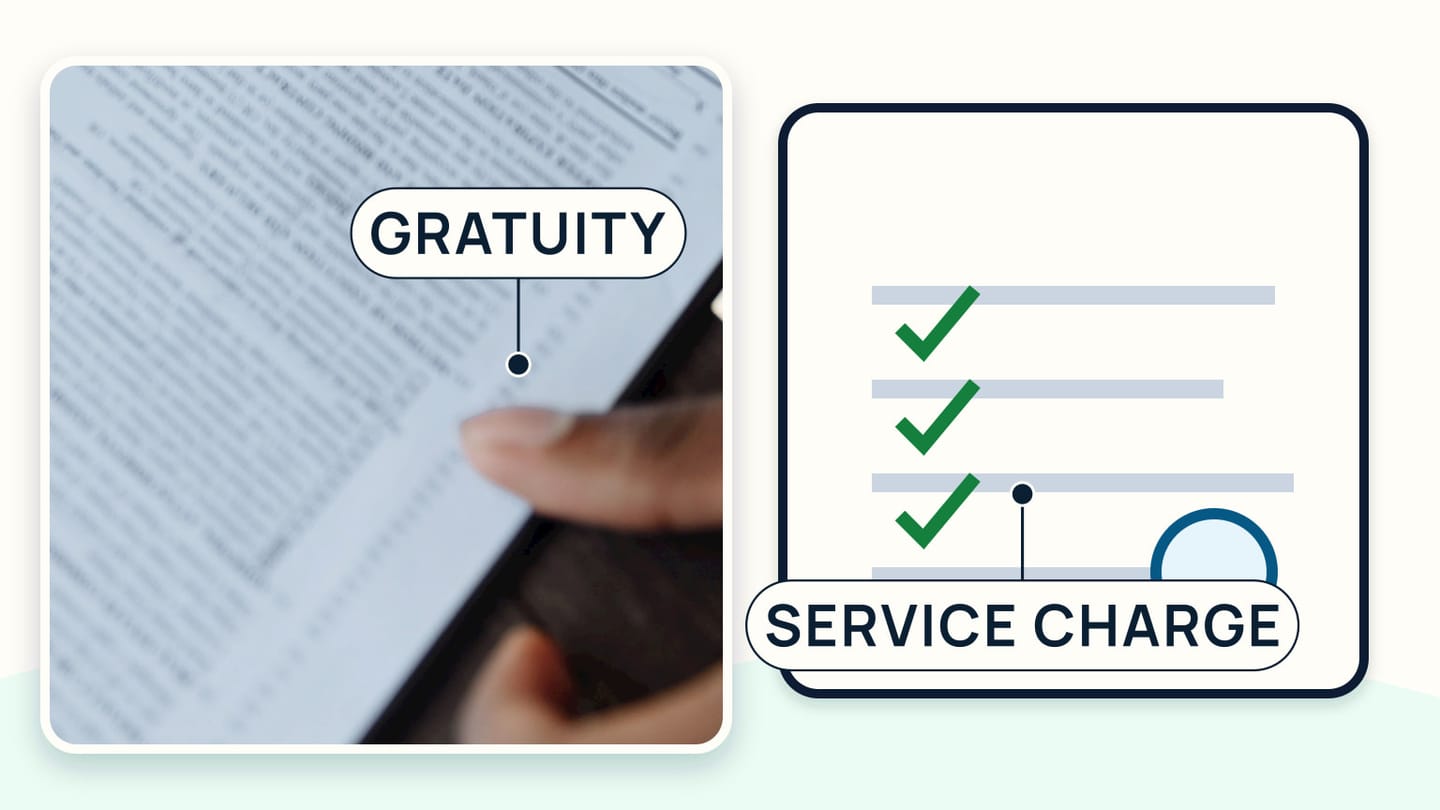
Open the current quote, booking terms, and any pre-departure information. Search for gratuity, tip, service charge, crew fee, and payment. If the language says an amount is included or mandatory, keep a copy of the clause and check whether it applies to your exact yacht and dates. If it says discretionary, that means the booking still expects you to decide rather than follow an invented rule from another destination.
Operator pages can change. The agreement you sign is the document that governs your trip. If anything conflicts or feels unclear, ask the operator in writing before you travel. That gives you time to budget without putting the captain in the position of interpreting a booking office's terms. First sailboat charter checklist includes other questions worth settling before arrival.
Identify whether it is a choice or a charge
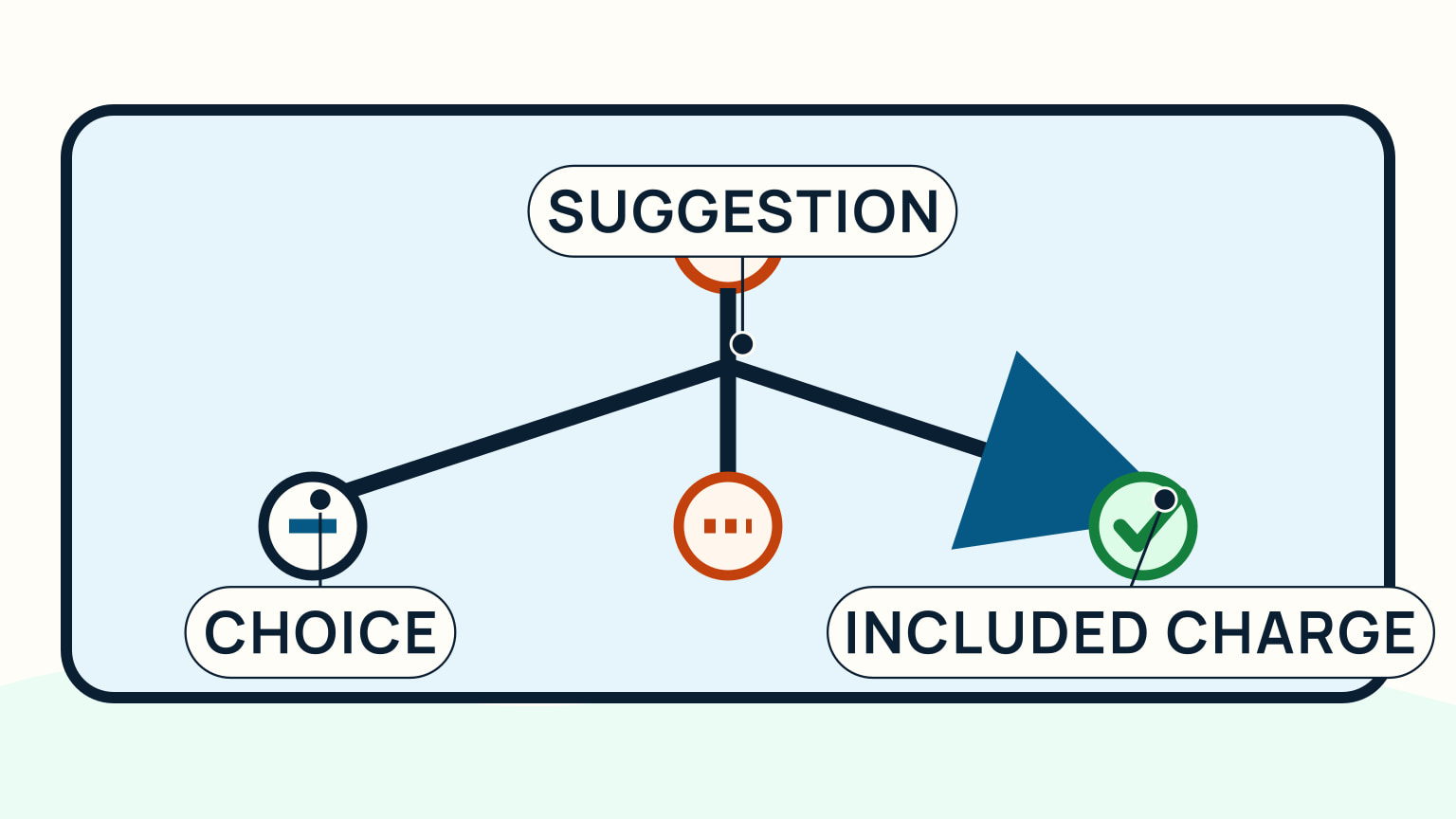
Use the words in the documents carefully. A discretionary gratuity leaves the decision with you. A suggested gratuity gives an operator's example. A mandatory service charge is part of the contracted price. They should not be treated as interchangeable simply because all can appear near a total price. Ask which category applies, whether it is already included, and whether a separate local charge exists.
The Moorings' current crewed page is a clear example of why this matters. It offers a suggested range and says gratuity remains at the guest's discretion. Another operator may structure the trip differently. The answer belongs to the current booking, not to a social-media rule. If the representative cannot answer plainly, ask for the relevant contract wording.
Define the number before doing any percentage
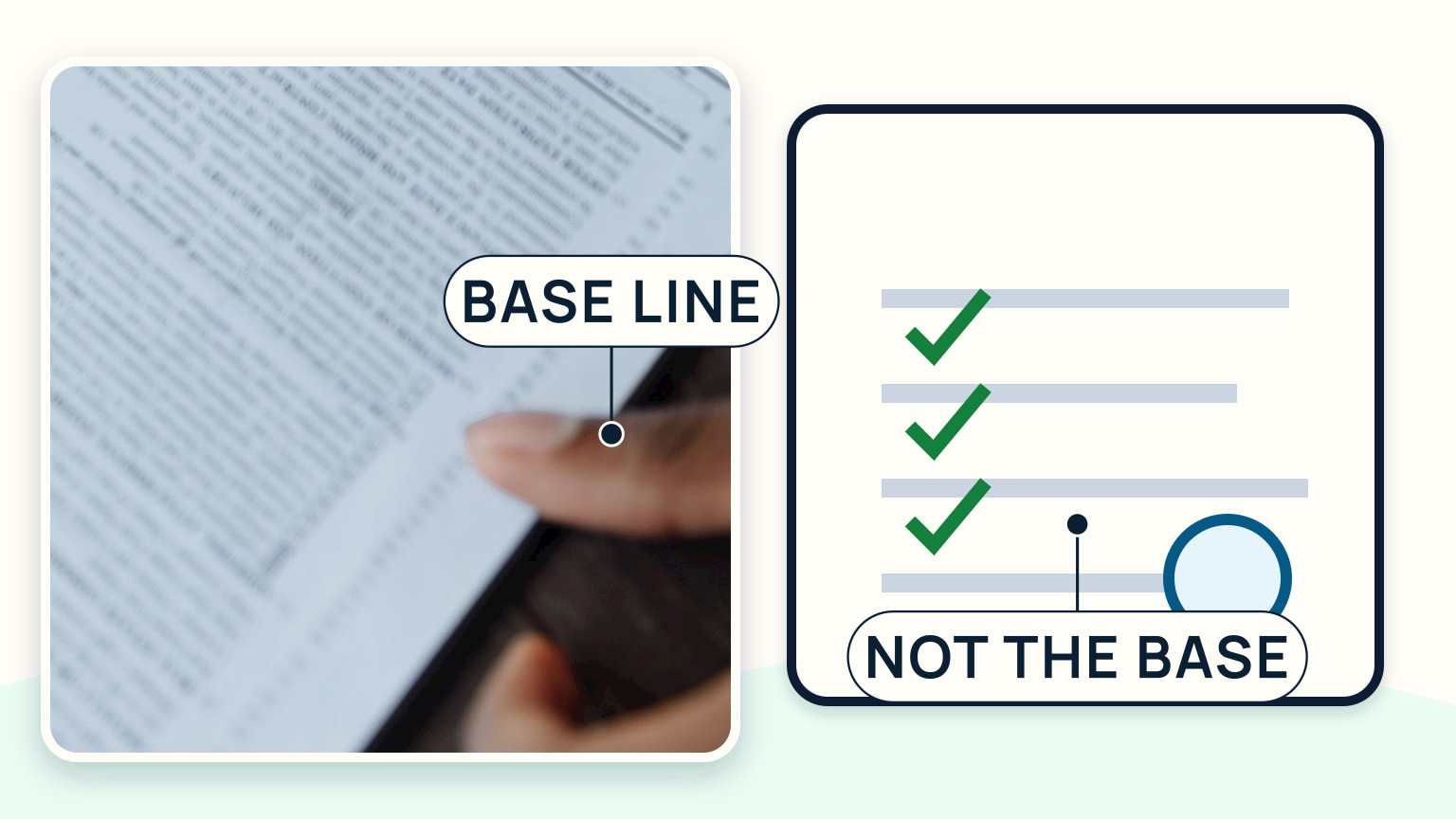
A percentage only makes sense when you know its base. "Charter price" might mean the vessel price, an overall package, or something else defined by the operator. The cited Moorings example refers to its overall charter price. Do not assume that a separate travel cost, optional activity, tax, or personal purchase belongs in the same calculation. Ask the booking office exactly what figure its suggestion uses.
Write the answer beside the quote. This is not being difficult. It is the quickest way to avoid a mistake on the last day. If the trip has changed because of added guests or extras, check whether the suggested base changed too. Then decide what you are comfortable giving within the agreed structure. Gratitude works better as a clear choice than as a number guessed under pressure.
Ask how payment and sharing work
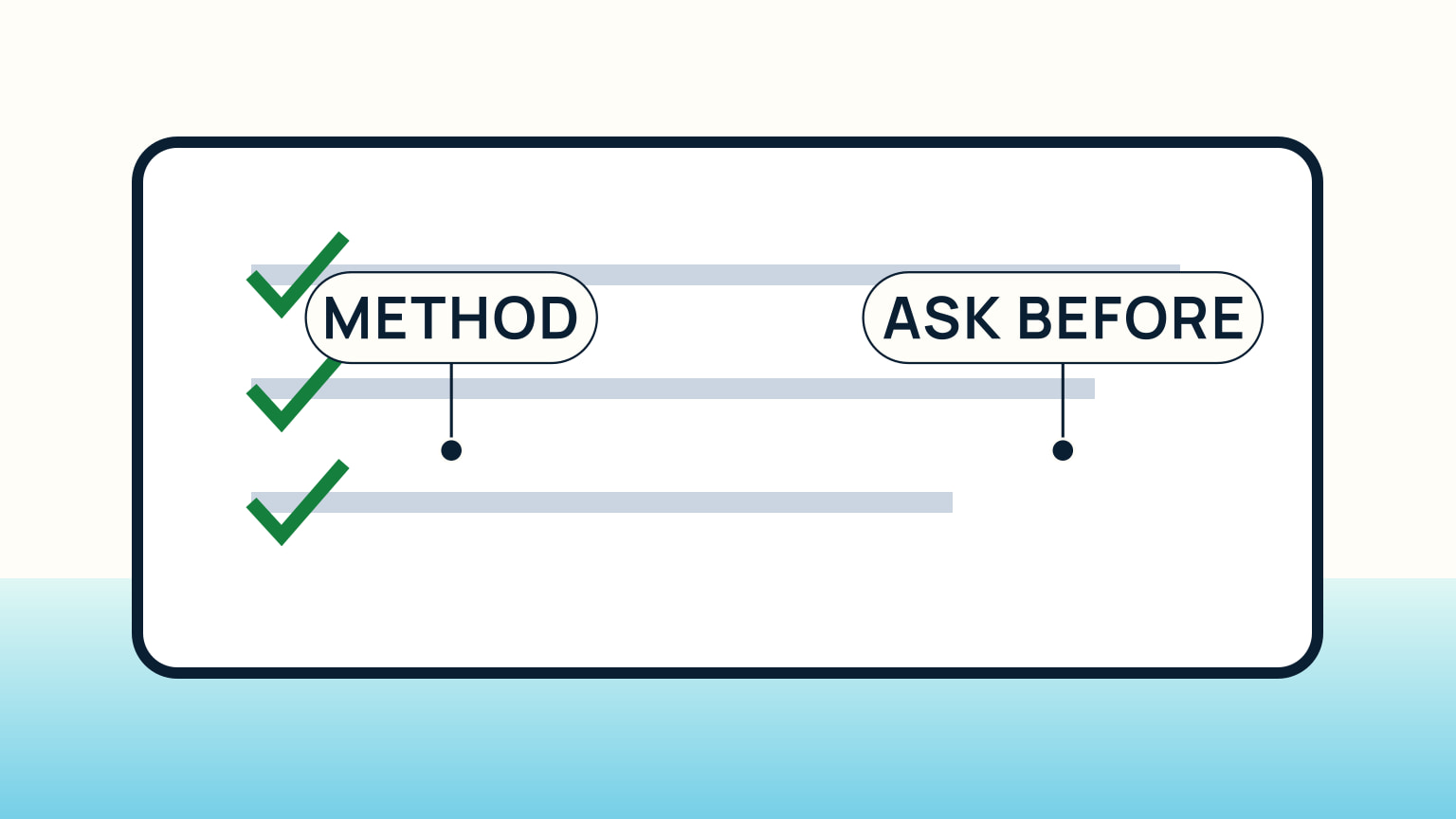
Confirm the practical details before the final day. Can the operator accept the method and currency you plan to use? Is the payment passed to the crew together, or is there a stated distribution process? Is a payment made through the base, the captain, or another channel? These are normal questions. They let you arrive at the end of the trip prepared rather than searching for an answer while bags are being carried ashore.
Do not invent a crew-distribution rule from another yacht. Ask the company responsible for your booking. If you prefer to thank particular people personally, make sure that fits the operator's stated process. The point is respect for the people working aboard and clarity about the contract, not performance of a custom you only half understand.
Keep the decision connected to the experience
Where gratuity is discretionary, you can make a considered decision based on the service you received and the agreement you accepted. You do not owe an explanation for every detail of your budget, and the crew should not have to guess whether you understood the terms. Clear early questions serve both sides.
For the rest of your planning, crewed charter versus cabin charter shows how different products package crew and guest costs. What to pack for a sailing trip can help you focus on the practical parts of departure once the financial questions are settled. SailStarter offers beginner sailing preparation, not travel or contract advice, so rely on your written booking for the final answer.
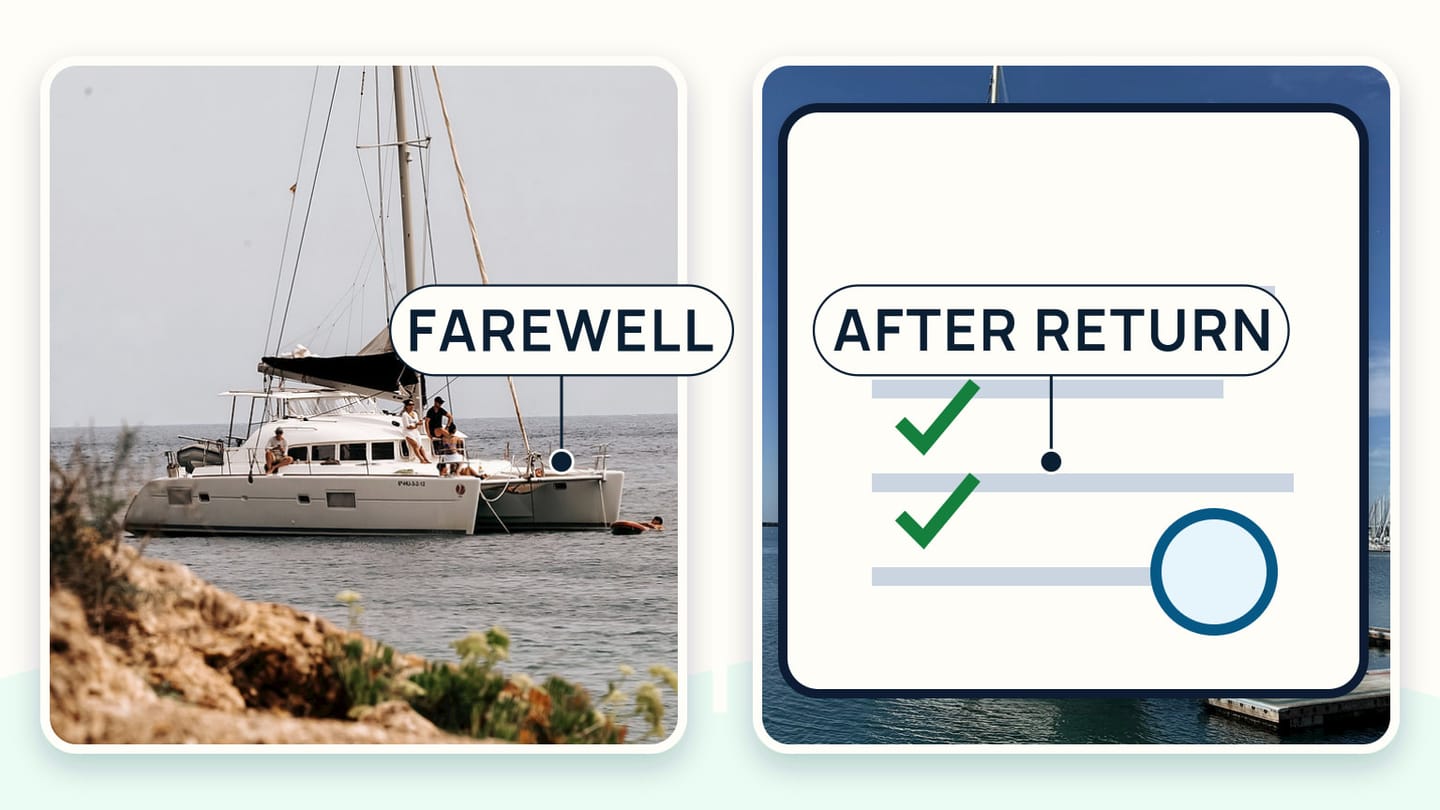
SailStarter can help you feel more comfortable around the boat and crew on a first charter. It cannot tell you what a current operator requires or what a particular crew expects. Read the agreement, ask early, and make any discretionary decision with the facts clear.
You can also decide the budget boundary before you leave home. If the agreement describes gratuity as discretionary, set aside an amount only if that fits your own finances and the terms you have checked. If it describes a required charge, include that number in the unavoidable trip cost. Keeping those two cases separate protects you from the feeling that a suggestion is a surprise invoice.
On the final day, follow the agreed process rather than interrupting the crew during a busy handover. A short direct question to the captain or base contact is enough if you need a last confirmation. Clear communication is kinder than guessing, and it keeps the farewell focused on the trip rather than an unexplained custom.
Avoid using broad regional claims as a substitute for your booking. The same destination can contain different operators, yacht types, and guest arrangements. A phrase such as "everyone tips this amount" is not a contract term. It may also put pressure on other guests who have read a different agreement or have different financial circumstances. The written arrangement is the common ground.
If you are travelling with a group, decide who will ask the operator questions and how the group will communicate a shared decision. That avoids duplicate payments or a last-minute assumption that one person has handled it. A simple message before the trip is enough: here is what the agreement says, here is the question still open, and here is when we will confirm it.
Keep receipts or confirmation messages where the booking information lives. If a charge was included, that record can answer a question later without asking crew to reconstruct the financial side of the trip. It is a small organizational habit that makes a courtesy decision feel straightforward.
If the operator gives a published suggestion, read the surrounding wording. It may be framed as thanks for service rather than an obligation. That context matters. A suggested range can guide a guest who wants guidance, while the agreement still preserves the guest's choice. Treat the two parts of the sentence together.
If the wording has changed since you first priced the trip, ask which version applies before treating an older page as current guidance.
When in doubt, keep the question modest and direct: is gratuity included, discretionary, or charged separately on this booking? The answer should come from the operator who issued the terms.
Keep the question tied to the booking, not to a destination stereotype. Ask whether any service charge is already included, whether gratuity is described as discretionary or suggested, what amount the operator uses as its base where it gives guidance, and how payment is handled. Save the reply with the agreement. That gives the group a shared reference and avoids turning a courtesy decision into a last-minute debate over a figure copied from a different yacht or trip.
If the group plans to make a discretionary payment, agree on the process before the busy final handover. One person can confirm the operator's method, and the group can decide whether it wants to contribute without presenting a private budget question to the crew. If a charge is included, record that instead. In both cases, use the written terms and the operator's current answer. They are more useful than a broad rule about what a guest is supposed to do.
Keep the final answer simple enough to share with the group: what the agreement includes, what remains discretionary, and whom to ask if the operator's process changes. A clear summary is more useful than a long discussion built on assumptions.
Try it from the lesson
Can you spot the next move?
A wide sailboat glides past on two side-by-side hulls, barely leaning at all. What type is it?
Why you can trust this guide
. We build each guide from public seamanship and safety sources, then teach the universal principle before any local difference.