Chart your course
How to Heave To: Sailing's Pause Button
Quick answer
The short version
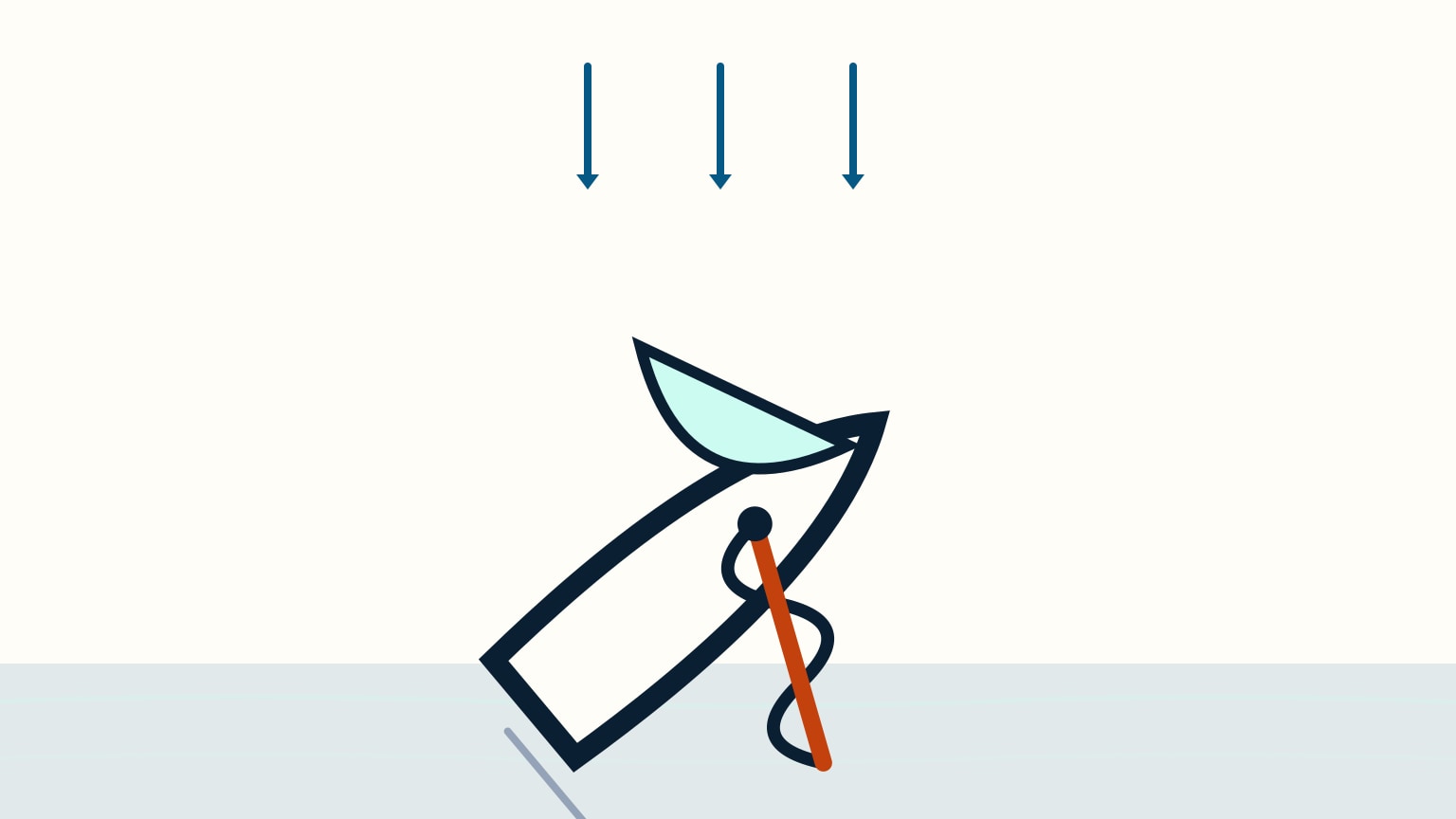
To heave to, start close-hauled (sailing as close to the wind as the boat can point) with your sails trimmed in, then tack the boat through the wind, but don't release the jib sheet. Left cleated, the jib fills backward on what's now the windward side. Ease the mainsail well out, and once your boat speed has bled off, put the helm hard over to leeward (tiller to leeward, or the wheel to windward) and hold or lash it there. The backed jib pushes the bow away from the wind while the rudder pushes it back, and the two forces balance out: instead of finishing the turn, the boat settles at a steady angle, roughly 40 to 60 degrees off the wind, and holds it there without anyone touching the helm.
Every sailor eventually wants the boat to just stop pulling for a while (to eat lunch, put in a reef, or wait out a squall without fighting the helm the whole time). Easing the sheets or heading up can shed power for a moment, but they need someone minding them. Heaving to is different: it's a setup, not a hold. Once you've locked a backed jib against a lashed helm, the boat looks after itself, sitting at a steady angle to the wind and drifting gently rather than plunging on. It isn't an anchor or a hard stop. Think of it as a parking brake that lets the boat sit calmly on its own while you do something else. The rest of this article covers how to set one up, what it looks like once it's working, and how to get moving again.
Tack Without Releasing the Jib
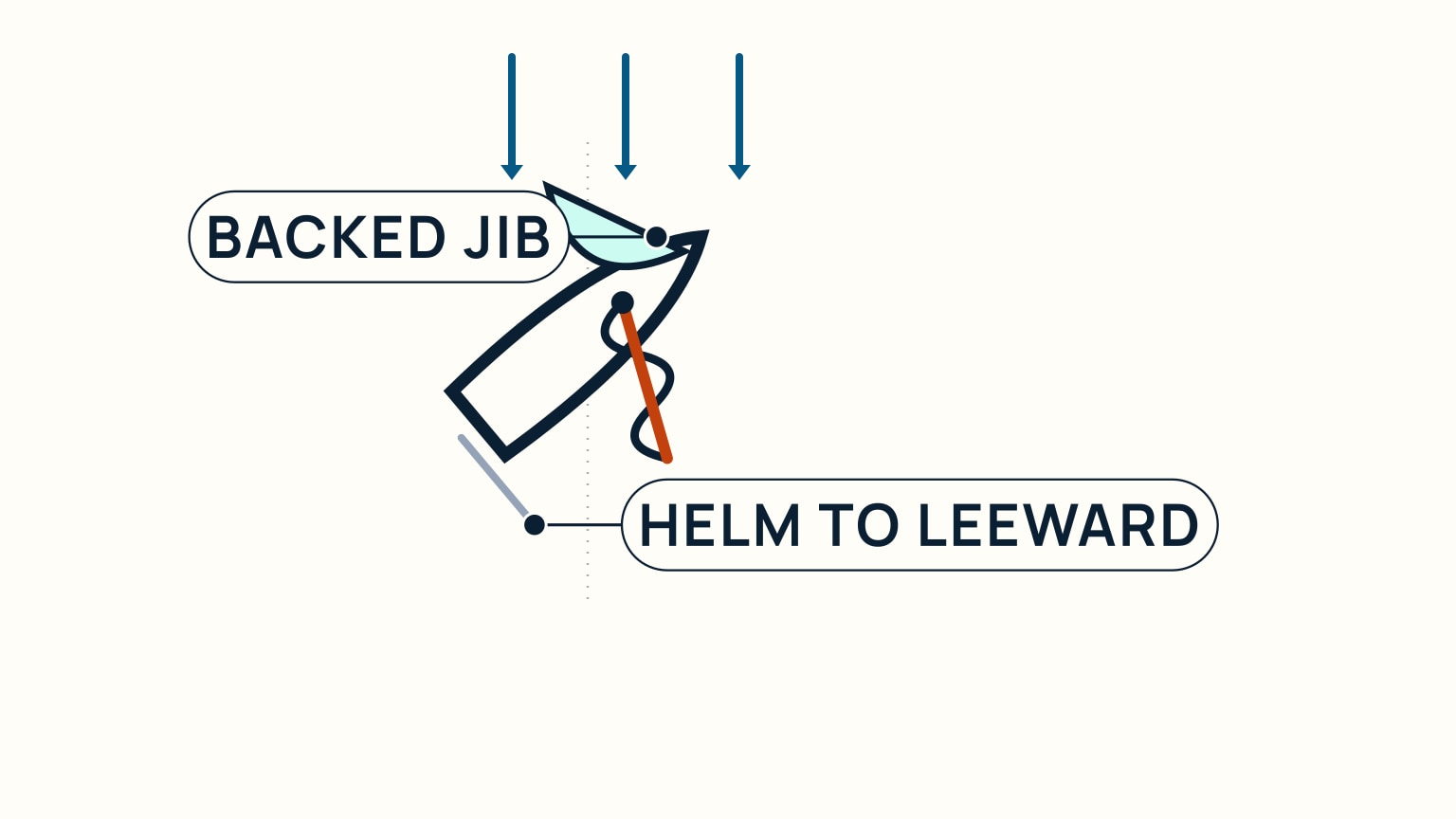
Heaving to starts the same way an ordinary tack does: sail close-hauled, with the jib and mainsail both trimmed in. As you turn the bow through the wind, though, do one thing differently: leave the jib sheet cleated instead of releasing it. On a normal tack, you'd cast that sheet off the instant the sail luffs and haul in the new one. Here, you let the jib fight you. As the bow crosses through the wind, the jib can't cross to the new leeward side, so it fills backward against what's now the windward shrouds: what sailors call a backed jib. At the same time, ease the mainsail out well past its usual close-hauled trim, so it isn't driving the boat forward. That's the whole entry move: tack, but hold the jib, and let the main go slack. Everything that follows is about settling the boat, not adding new steps.
Lash the Helm to Leeward and Let the Forces Balance
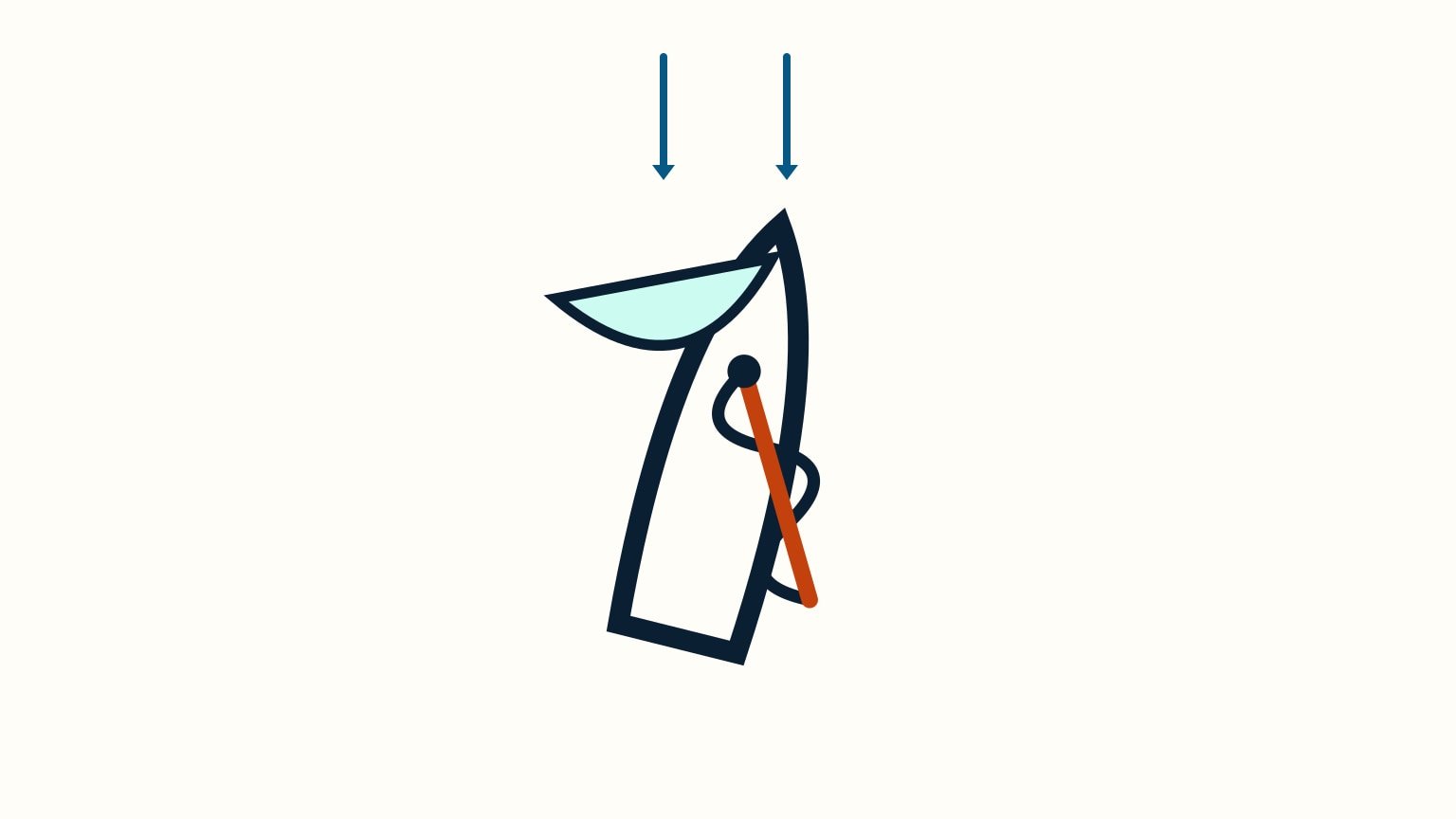
Give the boat a few moments to slow down: the backed jib and the loose main are already taking the drive out of it. Once your speed has bled off, put the helm hard over to leeward: on a tiller, push it toward the boom's own side; on a wheel, that means turning it to windward. Hold it there, or lash it in place with a spare line so you don't have to keep a hand on it. Now two forces are working against each other. The backed jib is still pushing the bow away from the wind, and the rudder is pushing it back up toward the wind. Instead of one force winning, they cancel out, and the boat stops trying to complete its turn. It settles at a steady angle instead (typically somewhere around 40 to 60 degrees off the wind) and holds that angle on its own.
Hove-To Doesn't Mean Stopped
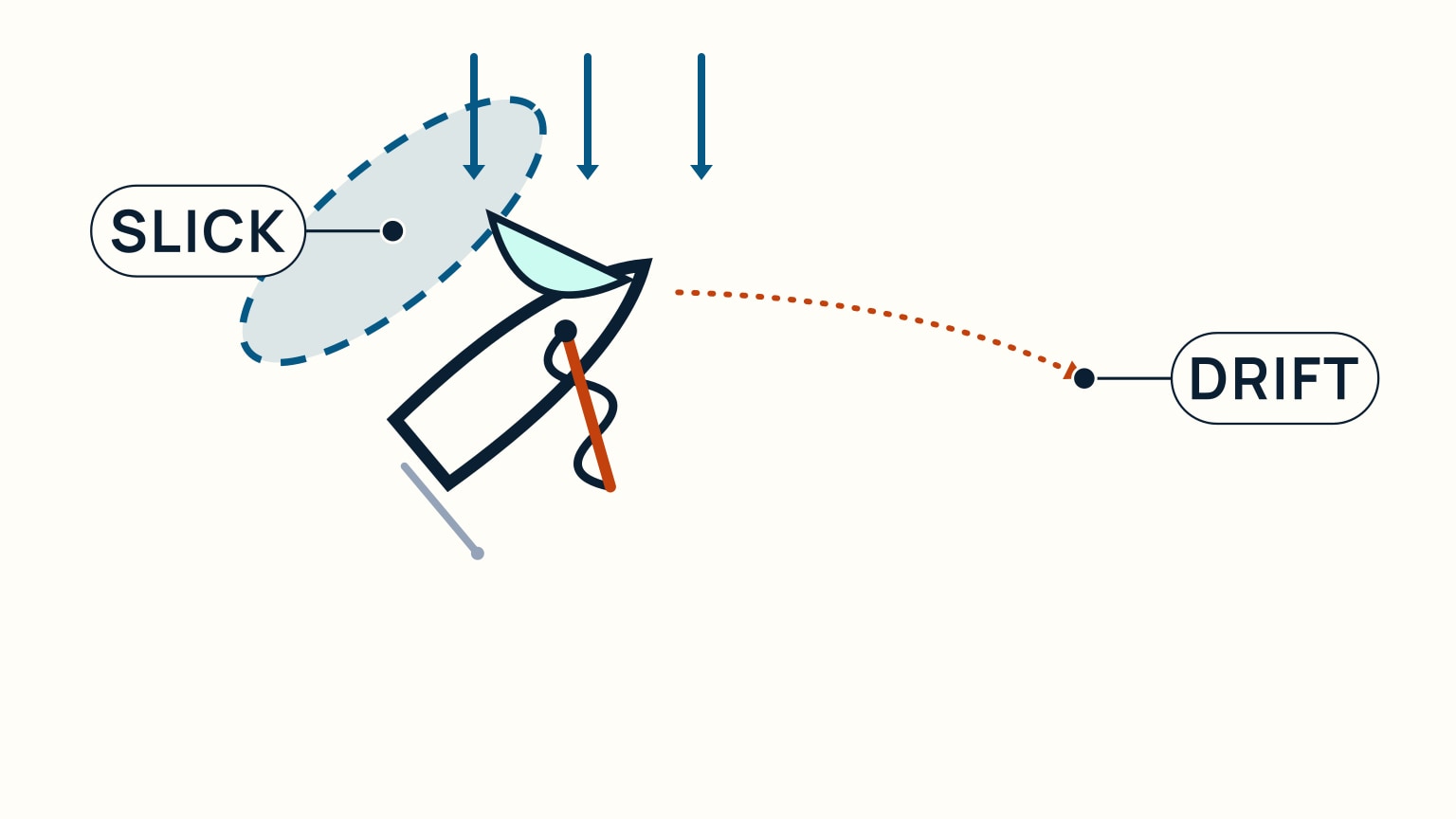
The boat keeps making slow way, typically no faster than a knot or two, sliding gradually forward and to leeward rather than holding one exact spot in the water. That sideways slip actually works in your favor. It leaves a patch of calmer, flatter water (called a slick) just to windward of the hull, and any breaking waves crossing it lose some of their force before they reach you. It's a small, steady drift, not a dramatic one, but over an hour or more it adds up to real distance. Because of that, heaving to isn't something to set up right next to a hazard or a shore you can't afford to drift toward: you want open water to leeward, enough that the slow creep downwind doesn't matter while you rest, eat, or wait things out.
When to Heave To, and How to Get Going Again
Tune the balance on your boat
Heaving-to is a balance between a backed headsail pushing the bow away from the wind, the mainsail and hull tending to bring it up, and the helm opposing the turn. The exact sheet position and helm angle vary with hull, keel, sail plan, reefing, and wind strength. Treat the first attempt as a controlled setup, not a fixed recipe that must work unchanged.
Practise in open water with room to drift and no close traffic or hazards. Start under a manageable sail plan. Tack without releasing the jib sheet so the headsail backs, then place the helm as the boat's procedure requires and ease or trim the mainsail until the boat settles. Watch heading, heel, speed, drift, and whether the boat repeatedly tacks or bears away instead of balancing.
Change one control at a time. If the bow falls too far away, adjust the relationship between backed jib, main, and helm rather than pulling every line. If the boat drives ahead quickly, reduce mainsail drive or use the reefed arrangement taught for that boat. Record the combination that works in light and stronger conditions.
Keep navigating while paused
Hove-to does not mean stopped. Plot or monitor the drift and compare it with the room to a lee shore, traffic route, shoal, or other hazard. Wind, waves, and current can carry the boat in a direction that is not obvious from the cockpit. Maintain lookout and update the plan while resting, reefing, cooking, or dealing with a problem.
Agree how the crew will leave the state. Clear loose lines and confirm which sheet will be released. Bring the helm back under control, release or trim the backed jib as required, fill the sails on the chosen tack, and check the new course for traffic. Avoid letting a heavily loaded backed sheet run through hands or around feet.
Practise recovery in both directions so the crew understands which tack the boat will make. Pair this with stopping a sailboat under sail for other ways to reduce motion and sailing in squalls for decisions before rapidly changing weather.
Heaving-to is useful only when the resulting drift and sea room fit the situation. If the boat will not settle, traffic is close, or the drift carries you toward danger, choose another safe strategy. The manoeuvre creates time; it does not suspend navigation.
Keep the crew briefed on drift, lookout, and the exact plan for getting underway again.
Heaving to is worth reaching for anytime you want the boat to hold itself while you do something else: resting, eating, waiting out a squall or a patch of rough weather, or freeing up both hands for a job like reefing the main. Because nobody needs to be at the helm once it's lashed, you get your hands back. That's the entire point of the maneuver. Coming out of it undoes the same moves, in order. Release the backed jib sheet so the sail can luff free, centre the helm so the rudder stops fighting the turn, then trim the main and jib back in for the point of sail you want. As the sails fill normally again, steer off onto your course. It's no harder to leave than it was to set up (the same two ingredients, backed jib and lashed helm, just released instead of locked).
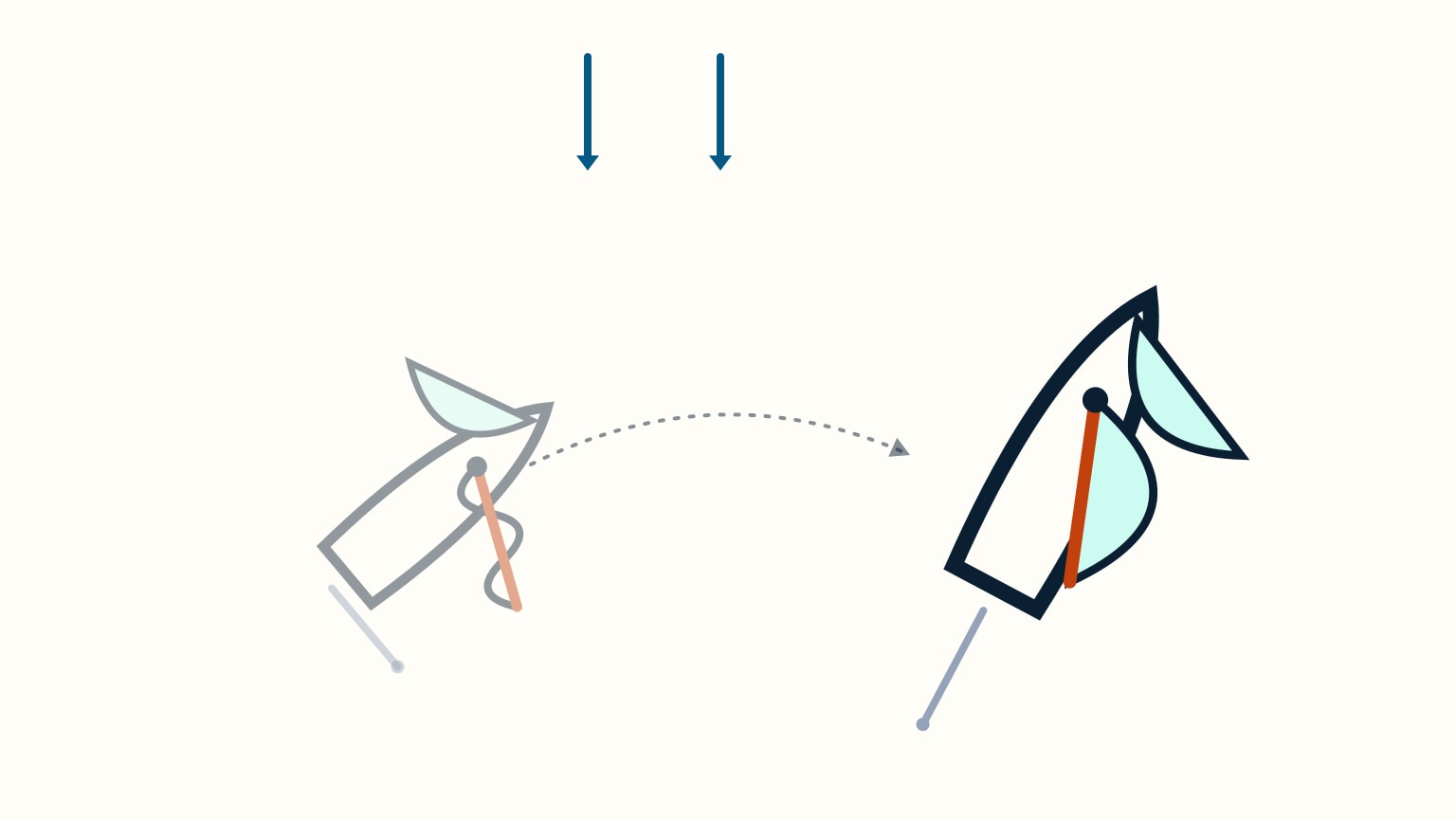
Heaving to uses two familiar ways to slow down, a backed sail and an eased sheet, then holds them in balance. Once you've felt a boat settle into that steady angle and stop needing your hands, it stops feeling like an advanced trick and starts feeling like a tool you reach for on ordinary days as well as stormy ones. SailStarter's beginner lessons build up to heaving to the same way this guide does: tacking, reading the wind, and handling the helm, one short lesson at a time, so the sequence is second nature long before you need it in earnest. Try a lesson and see how it fits together.
Try it from the lesson
Can you spot the next move?
You are on a close reach with the sails trimmed. A gust hits and you want to shed power while holding course. What is the quickest, most reversible move?
Why you can trust this guide
. We build each guide from public seamanship and safety sources, then teach the universal principle before any local difference.