Chart your course
How to Stop a Sailboat Under Sail
Quick answer
The short version
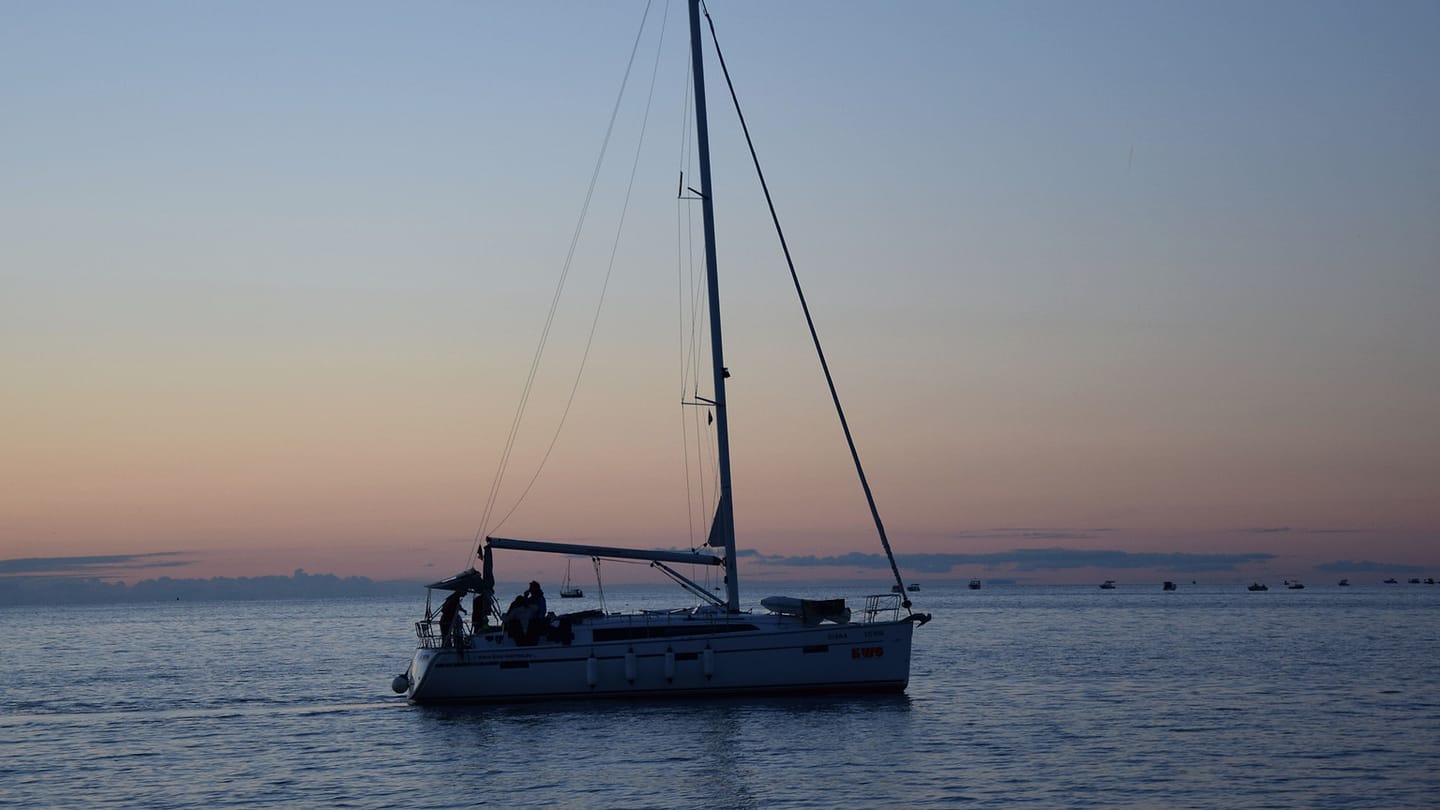
A sailboat does not stop with a brake. You reduce the force driving it, then allow water resistance to remove its remaining momentum. The simplest method is usually to turn toward the wind while easing the sheets so the sails luff, or flap without useful drive. The boat continues moving for a while, and the rudder becomes less effective as water flow over it fades.
For a longer controlled pause, many sailboats can heave-to by balancing a backed headsail, mainsail, and rudder. Every method leaves some drift, and every boat responds differently. Practise in open water before using a slow or stopped position near a dock, person, or hazard.
“Stop” means different things afloat. You might need to pause a lesson, approach a mooring, wait for traffic, recover an item, or hold a quiet position while solving a problem. The right method depends on how long you need, how much room lies downwind, and whether you must remain manoeuvrable.
Wind and current keep acting after forward speed falls. A boat that looks stopped through the water may still move across the ground. Build your plan around that motion and around a safe escape route. The final few metres deserve more room than a car driver expects because the helm loses authority just when the boat is slowest.
Remove sail drive before chasing zero speed
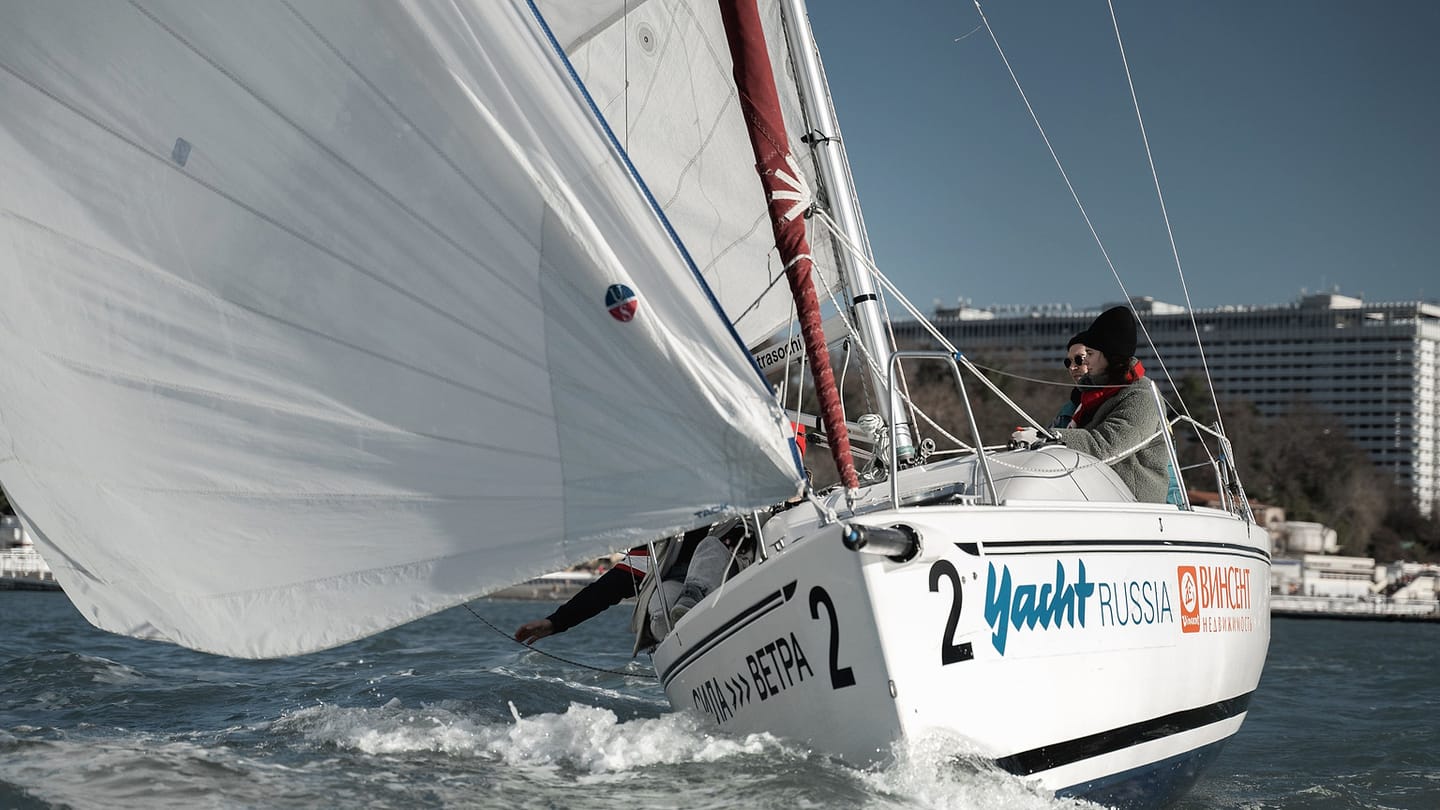
Sails create useful drive when they meet the wind at a working angle. Ease a sheet far enough and the sail loses shape. Turn the bow closer to the wind and the angle disappears. Combine those changes and the sails luff, so the boat begins to slow.
Use smooth helm and sheet movements. A sharp turn may create heel, swing the boom, or carry the bow past the intended heading. Watch the water and nearby references instead of judging speed only from sound.
You can also reduce drive earlier by shortening sail. In stronger wind, a reefed boat may approach more calmly and carry less momentum-producing power than an over-canvassed one with flogging sails.
Keep the boom and flogging sail clear of people. Luffing is a useful reduction in drive, but a snapping sheet or swinging boom still carries energy. Brief the crew before turning toward the wind.
Keep steerage until you no longer need it
The rudder needs water flowing across it. As the boat slows, the same tiller or wheel movement produces less turning force. If you spend all your speed too early, the bow may blow off before you reach the intended place.
Plan backward from the stopping area. Leave enough distance to ease the sails and coast, but keep enough motion to steer around a hazard. Wind strength, waves, current, hull weight, and the cleanliness of the bottom all change the result.
Use a transit or fixed object ashore to see whether the boat still moves over the ground. A knot of current can carry a nearly stationary boat farther than its quiet wake suggests. Repeat the exercise in open water until the fade in helm response feels familiar.
Practise regaining drive as part of the same drill. Bear away only when the space is clear, trim progressively, and feel when the rudder begins to answer again. A stop without a planned restart is only half a manoeuvre.
Heave-to for a controlled pause
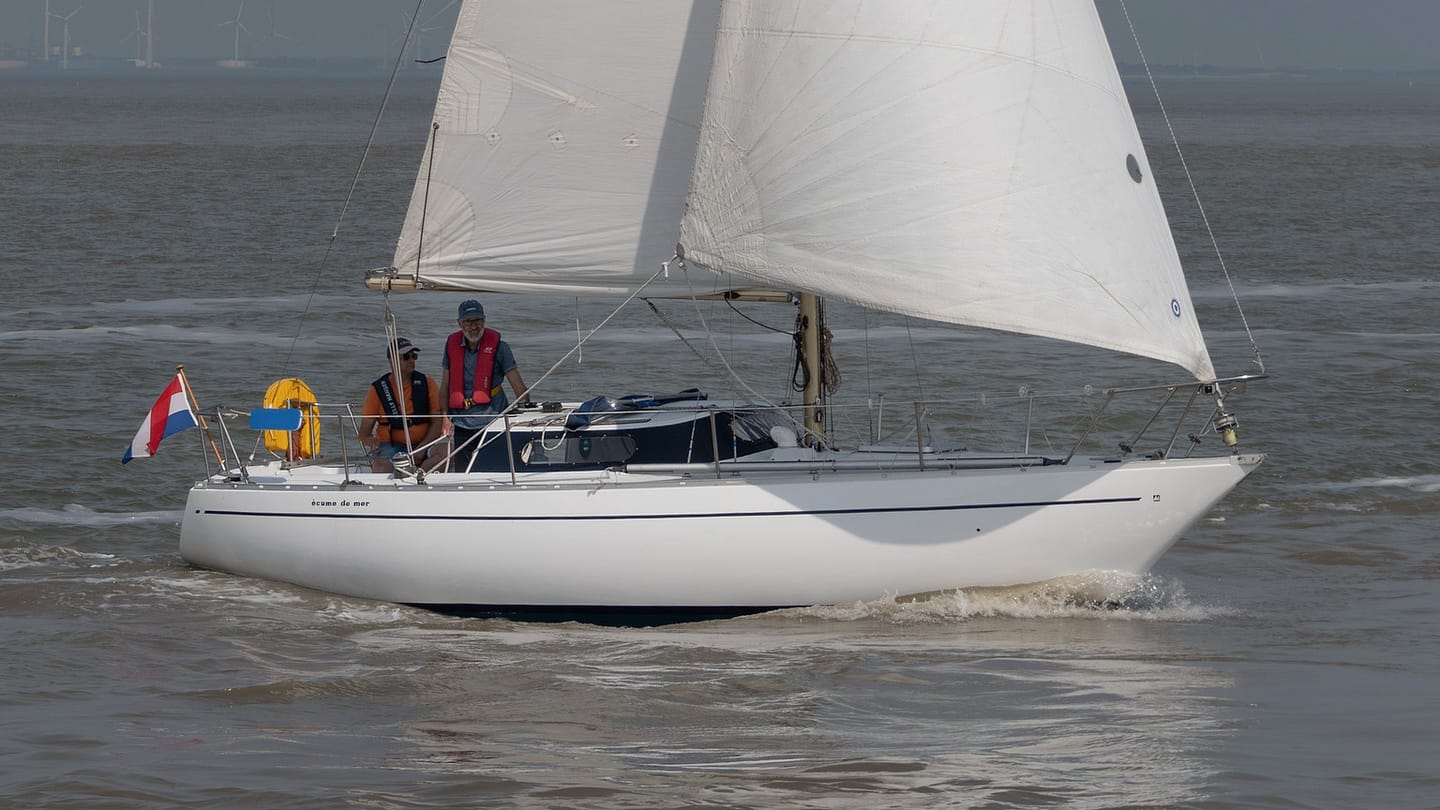
Heaving-to balances forces instead of removing every one. On many sloops, the headsail is backed to one side, the mainsail remains eased or trimmed modestly, and the rudder is held to oppose the turn. The boat settles into a slow sideways drift with limited forward progress.
This can create time to reef, rest, check a position, or wait. It is not an anchor. The boat continues drifting, and its heading and motion depend on design, sail area, wind, waves, and current.
Learn the exact sequence for your boat. Some modern sail plans need different trim or will not sit quietly in the textbook arrangement. Practise with ample sea room and note the resulting drift on a fixed reference or plotter.
Try both tacks and more than one wind strength. A boat may settle differently when sail shape, waves, or crew weight changes. Record the useful arrangement instead of assuming one first attempt proves the method.
Choose the stopping method for the job
Plan the final boat length first
Look at where the boat can drift after drive is removed. Wind and current may carry it sideways or backward even when speed through the water is low. Leave room downwind and down-current, keep a route out, and avoid choosing a stopping point beside a hazard simply because it is where you want the boat to finish.
Approach with steerage. Ease sheets progressively so the sails luff and drive falls away, but keep enough flow over the rudder to control heading until the boat is in the safe area. Turning head to wind can stop the boat quickly, yet it also removes steerage as speed falls. Time that loss for after directional control is no longer needed.
Practise from both tacks and in several light-to-moderate conditions. Notice the distance used from the first ease to minimum speed. Repeat with different crew weight and sea state. The result is a boat-specific stopping distance, not a universal number.
Match the method to the task
For a short pause with room, luffing the sails while maintaining a controlled heading may be enough. For a longer stable pause, heaving-to may reduce workload while the boat continues to drift. The heaving-to guide explains how backed jib, main, and helm balance.
For a person-overboard recovery, stopping is part of a full trained manoeuvre that keeps the person in sight and brings the boat alongside under control. For approaching a mooring or dock, the stopping plan must also account for the final line, fender position, and abort route. Do not substitute a generic head-to-wind stop for the procedure taught for that operation.
If the boat stops too early, regain drive deliberately rather than pulling every sheet tight at once. If it carries too far, bear away only when there is room and steerage, or use the planned escape. A stalled boat close to danger has fewer options than a moving boat farther away.
Brief the crew on which sheets will ease, where loose rope will run, and when hands must stay clear. After each practice, identify whether excess distance came from late easing, too much initial speed, current, wind, or the chosen turn. Change one factor on the next attempt.
Use a floating reference that cannot be damaged and keep well clear of people, moorings, and other boats. Call the start of the stop and have a crew member note where the boat finally loses useful steerage. Repeat from the opposite tack. The comparison reveals whether trim, turn timing, or environmental force changes the result.
The steering guide explains why rudder response fades with speed and how small corrections preserve flow.
Finish each run by sailing clear and resetting deliberately. Avoid circling close to the reference while sheets and crew are still disorganized.
For a brief teaching pause, luffing head-to-wind may be enough. For a longer wait offshore, heaving-to may be calmer. An approach to a mooring or person requires a planned final angle, controlled speed, and a way to sail away if the first attempt is wrong.
Do not turn “stopped” into “helpless.” Keep someone looking out, leave room downwind and down-current, and know how you will regain drive. Near traffic, shallow water, or a lee shore, the safer choice may be to keep sailing in a holding pattern instead of removing steerage.
After each practice, compare where you intended to stop with where the boat actually settled. That small debrief teaches more than memorizing one fixed boat length.
Add a verbal call before the manoeuvre. The crew can clear sheets, watch the downwind side, and report traffic while the helm focuses on heading and speed. Good stopping is a crew action even when one person moves the controls.
SailStarter's slowing and heaving-to lesson turns these ideas into a simple sequence you can rehearse before going afloat. Use the lesson to distinguish reduced drive, fading steerage, and continuing drift. Then practise with an instructor in open water: pick a harmless reference, call the manoeuvre, ease and turn smoothly, and observe the final motion. Try the same exercise from different points of sail. You will learn that a good stop is not a perfect frozen position. It is a predictable reduction of speed with people ready, hazards clear, and enough control left for the next move.
Try it from the lesson
Can you spot the next move?
You are on a close reach with the sails trimmed. A gust hits and you want to shed power while holding course. What is the quickest, most reversible move?
Why you can trust this guide
. We build each guide from public seamanship and safety sources, then teach the universal principle before any local difference.