Chart your course
How to Negotiate a Used Sailboat Price
Quick answer
The short version
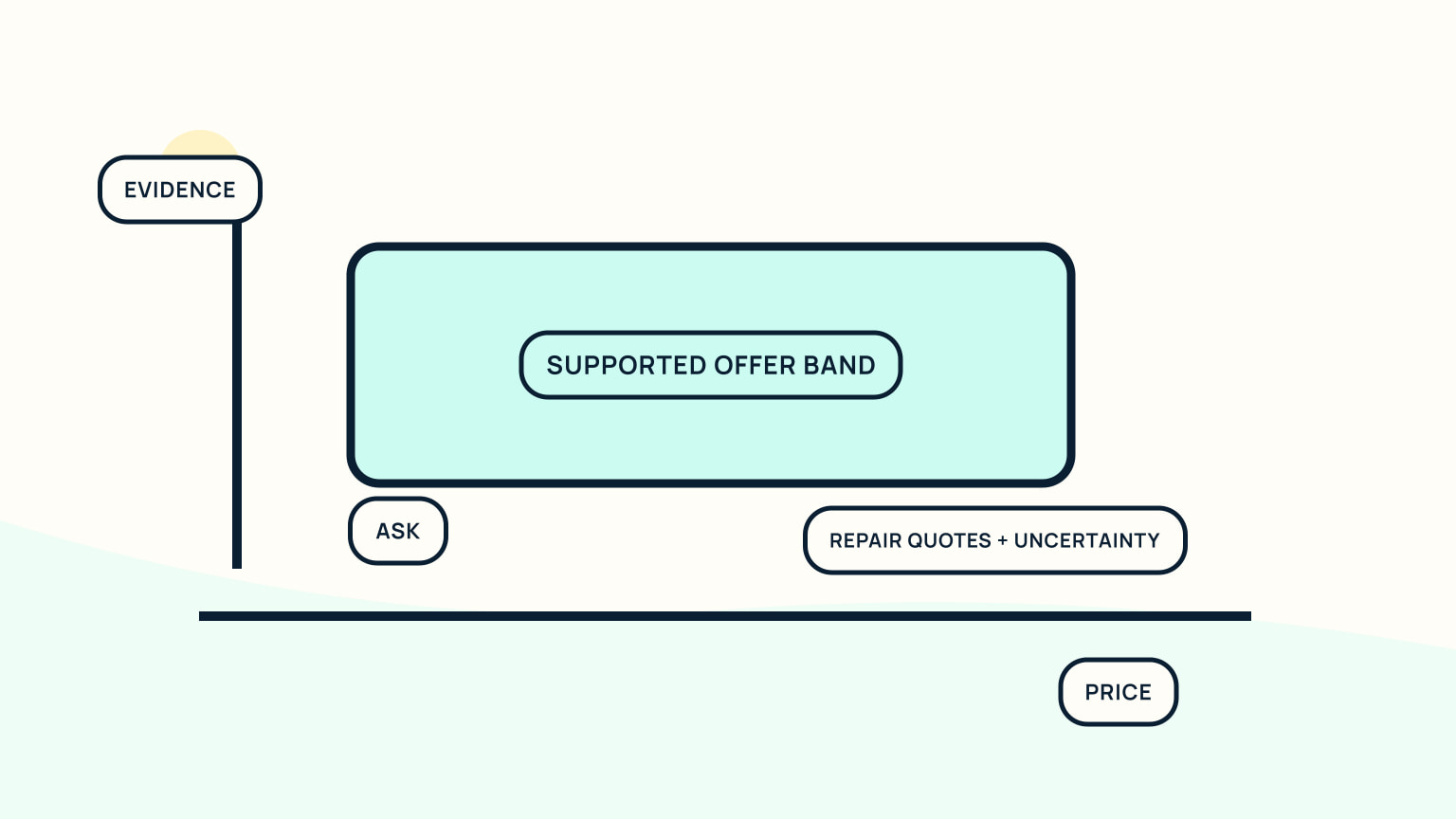
Negotiate a used sailboat price with a written case, not a performance. Define the boat you need and your total budget, compare the asking price with condition evidence, then make a clear offer that identifies the boat, included equipment, deposit, timing, and conditions such as an acceptable survey and trial. After inspection, price material findings with quotations where possible. Ask the seller to repair, adjust the price, or release you according to the agreement. Contract, tax, title, deposit, and cancellation rules vary, so use suitable local documents and advice. A calm offer you can complete is stronger than a dramatic number you cannot explain.
Price is only one term. Access for survey, haulout timing, included inventory, outstanding work, deposit handling, and the date risk passes to the buyer can matter just as much. Begin with the paperwork checklist and keep condition questions separate from legal ones. That separation makes the conversation easier: the seller can answer what the boat is, the surveyor can report what it needs, and the agreement can state what happens next.
Prepare your evidence
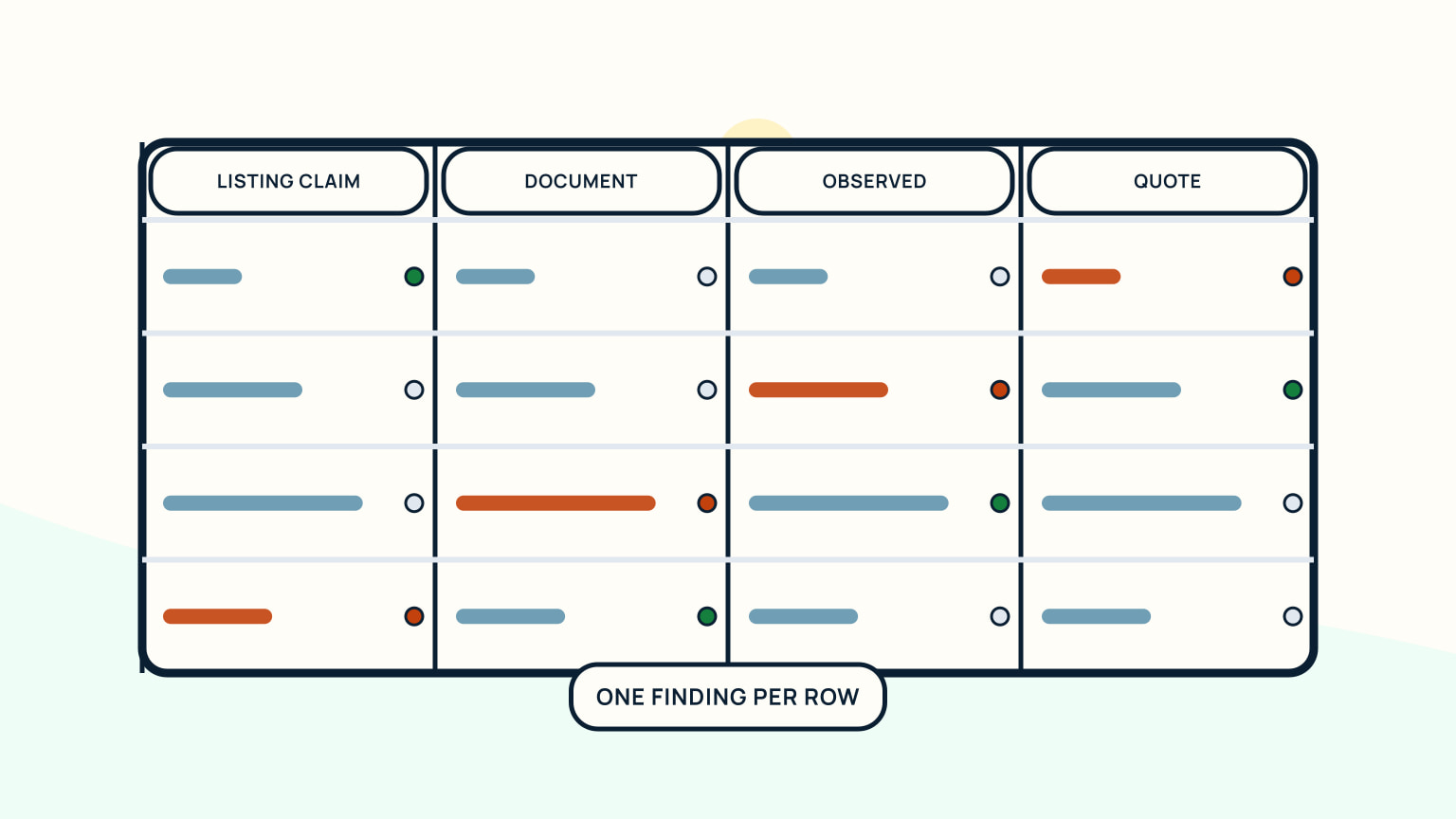
Build a one-page comparison before discussing numbers. Record intended use, must-have features, total purchase budget, and two or three plausible alternatives. For this boat, list year, model, dimensions, engine, rig, major equipment, location, storage, asking price, and the records supplied. Mark every statement as seller claim, document, direct observation, or independent finding.
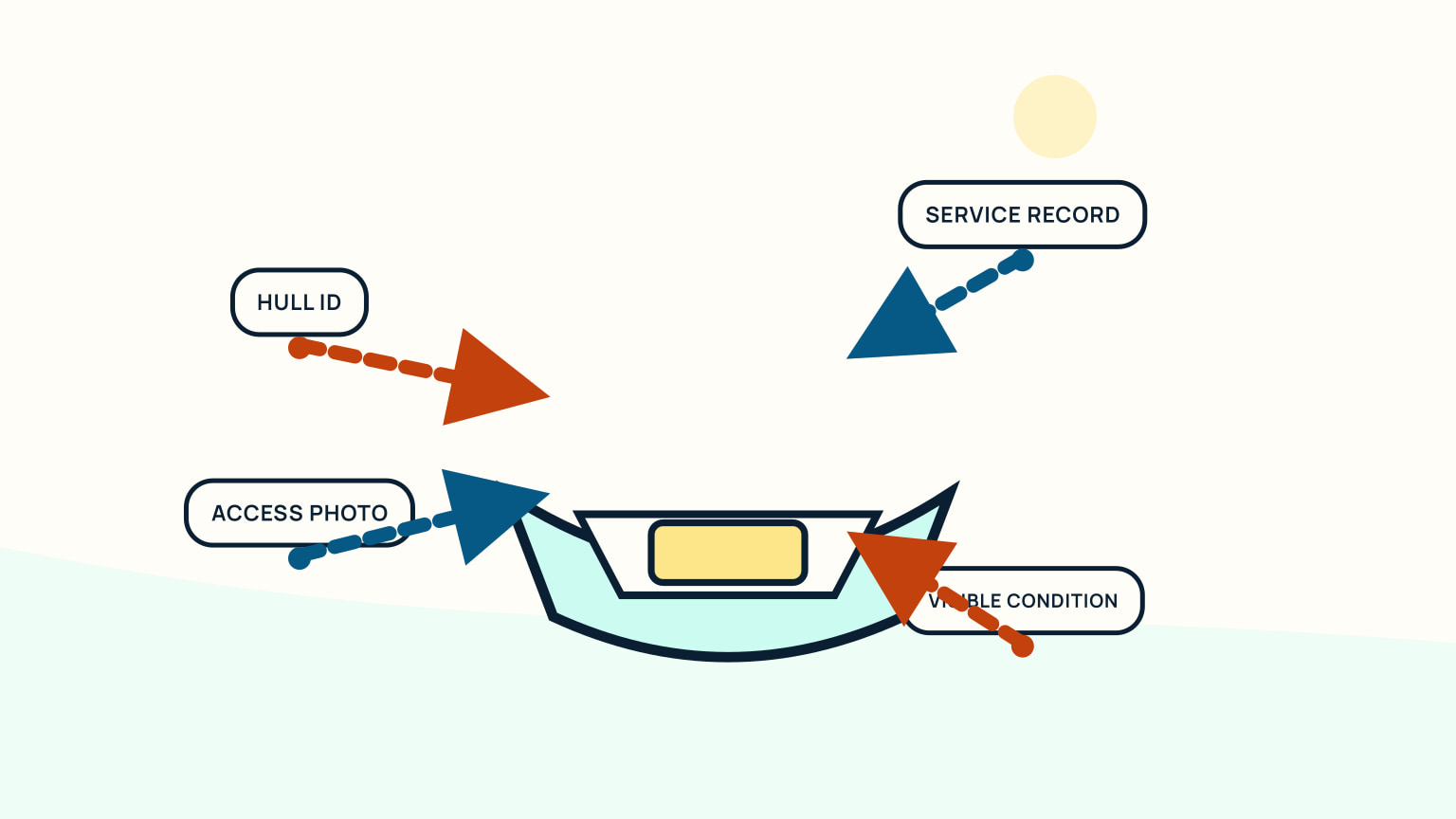
Read the listing for gaps. Ask for model and serial numbers, dated service invoices, survey history, ownership evidence, damage and repair details, and a written inventory. A receipt proves work was billed; inspect whether it matches the component and whether the work solved the stated issue.
Do not invent repair costs to push a price down. For visible concerns, obtain a yard or specialist estimate when practical. For unresolved condition, preserve a survey condition rather than pretending uncertainty is a confirmed bill.
Set your limits before the seller responds. Record the highest completed cost you can accept, the minimum condition needed for the first season, and the findings that would make you leave. Include transaction and immediate ownership costs so the offer does not consume money reserved for survey, haulout, insurance, storage, or essential work. This is not a tactic to reveal or conceal. It is a private control against moving the budget during an exciting conversation. If the evidence improves, update the limit deliberately and write down why.
Ask clear listing questions
Good questions have an answer the seller can provide. Ask who owns the boat and what documents support the transfer. Ask what is included and whether any listed item is borrowed, leased, or excluded. Ask when the engine, rig, underwater gear, batteries, sails, and major plumbing were last inspected or serviced, then request the records.
For condition, use neutral language. “The photograph shows staining below the port chainplate. When does it appear, and has the fitting or surrounding structure been inspected?” invites evidence. “The deck is rotten” makes a diagnosis before inspection and can end a useful conversation.
Confirm practical arrangements early: where the boat can be viewed, whether compartments will be cleared, who operates it during the trial, which yard can haul it, and whether a specialist can attend. A seller who cannot provide access may not be hiding a defect, but the missing evidence remains your risk to manage.
Ask one question per uncertainty and let the answer stand before adding another. A long message mixing ownership, engine, rig, and price can produce an equally vague reply. Group documents in a secure shared folder with filenames that preserve date and source. When a photograph is offered as evidence, ask where on the boat it was taken and when. If the seller does not know, mark the point unknown rather than treating uncertainty as dishonesty. Negotiation works better when both sides can see which questions are factual and which terms remain a matter of choice.
Use inspection findings
Choose and pay the surveyor yourself. Agree the scope and exclusions. A larger used-boat survey commonly combines an afloat inspection, an out-of-water look, and a trial run; the engine or rig may need a separate specialist. The report belongs to you and should identify observed condition, deficiencies, and recommended action within its scope.
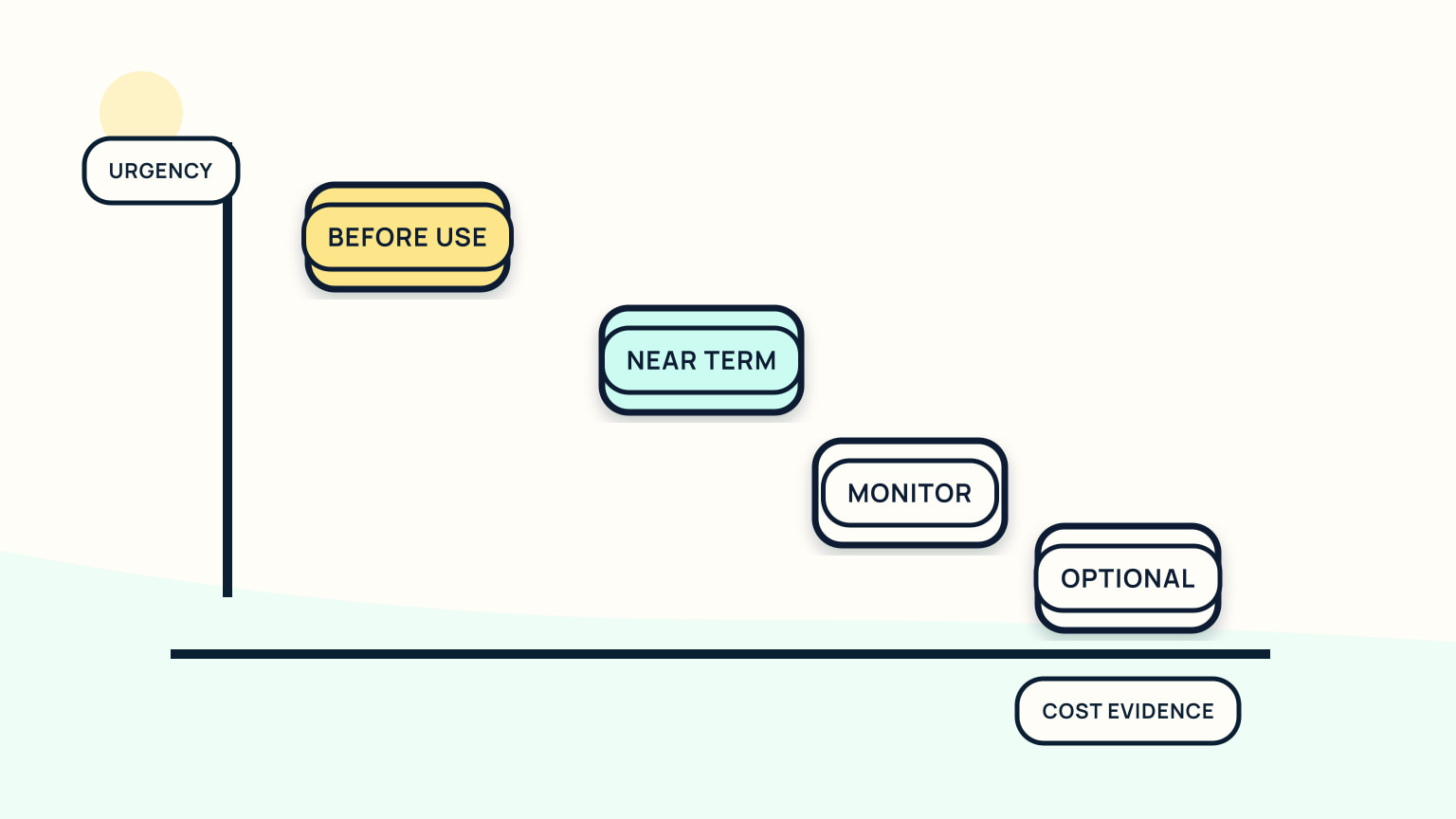
Sort findings into four groups: required before normal use, near-term maintenance, monitor, and optional improvement. Obtain quotes for the first two when they materially affect your decision. Include access, haulout, labour, parts, disposal, and retesting. Do not deduct every survey comment at full retail value; negotiate the work that changes condition, timing, or value for your intended use.
If the surveyor's valuation differs from the offer or a serious finding exceeds your repair limit, use the agreement's condition rather than arguing from emotion. The cheap-sailboat cost guide helps assemble the completed total.
When pricing findings, ask the yard what the quotation excludes. Removing a fitting may reveal hidden damage; a rig quote may assume reusable terminals; an engine repair may exclude access or haulout. Keep those conditions visible. A seller may reasonably prefer to complete a repair instead of reduce the price. If so, agree who specifies the work, what evidence of completion is supplied, whether you can inspect or retest it, and how deadlines change. A hurried repair chosen only to preserve closing can create more uncertainty than a transparent allowance.
Make a conditional offer
Write the offer so another person can tell exactly what you mean. Identify the vessel, price, currency, included inventory, deposit, payment steps, inspection and acceptance dates, survey and trial conditions, finance condition if used, and closing date. State who arranges and pays for haulout, survey, storage, and any agreed repair. Use the appropriate local sale document or professional advice.
Conditions need a process, not vague comfort words. The agreement should say how acceptance works and what happens to the deposit if a permitted condition is not met. Do not assume a practice from another country or broker applies to your transaction. Verify current local rules.
Make the number consistent with your evidence and your willingness to proceed. A very low opening with no explanation may simply end the negotiation. A clear offer supported by comparable boats, records, and priced findings gives the seller something concrete to accept or counter.
Keep conditions specific enough to administer. “Subject to survey” may leave questions about who judges acceptability, when notice is due, and what happens after a finding. Use the established local form and advice rather than drafting legal language from a generic article. Make sure every attached inventory page and amendment is identified in the signed agreement. If an item is important enough to affect price, it should not depend on a text message that the closing document ignores. Clear paperwork protects an amicable deal because it reduces competing memories.

Keep the transaction orderly
After acceptance, track dates and responsibilities in one file. Book survey, haulout, trial, and specialists promptly. Confirm access and who will operate the boat. Send questions in writing and preserve responses, amendments, invoices, and reports. If either side agrees to change a term, record it through the proper document rather than relying on a dockside conversation.
Do not begin repairs or take control of equipment before the transaction permits it. Keep insurance, storage, registration, tax, and closing requirements visible because they may need lead time. Check serial numbers and included inventory again at handover.
At closing, retain the signed transfer documents, payment evidence, keys, manuals, service records, survey, and inventory. Note unresolved work in your maintenance plan. The negotiation has succeeded only when the price and the boat's known first-season obligations still fit your budget.
Use one timeline with the acceptance deadline, report delivery, quotation requests, finance decision, insurance confirmation, closing, and handover. Give yourself time between the survey and acceptance to read the report and speak with specialists. If a delay needs an extension, record it before the deadline under the proper process. At handover, compare the inventory and condition with the agreed state. Photograph meter readings and keys, and obtain operating instructions for unfamiliar controls. A lower negotiated price is of little comfort if missing gear or rushed transfer creates a new dispute.
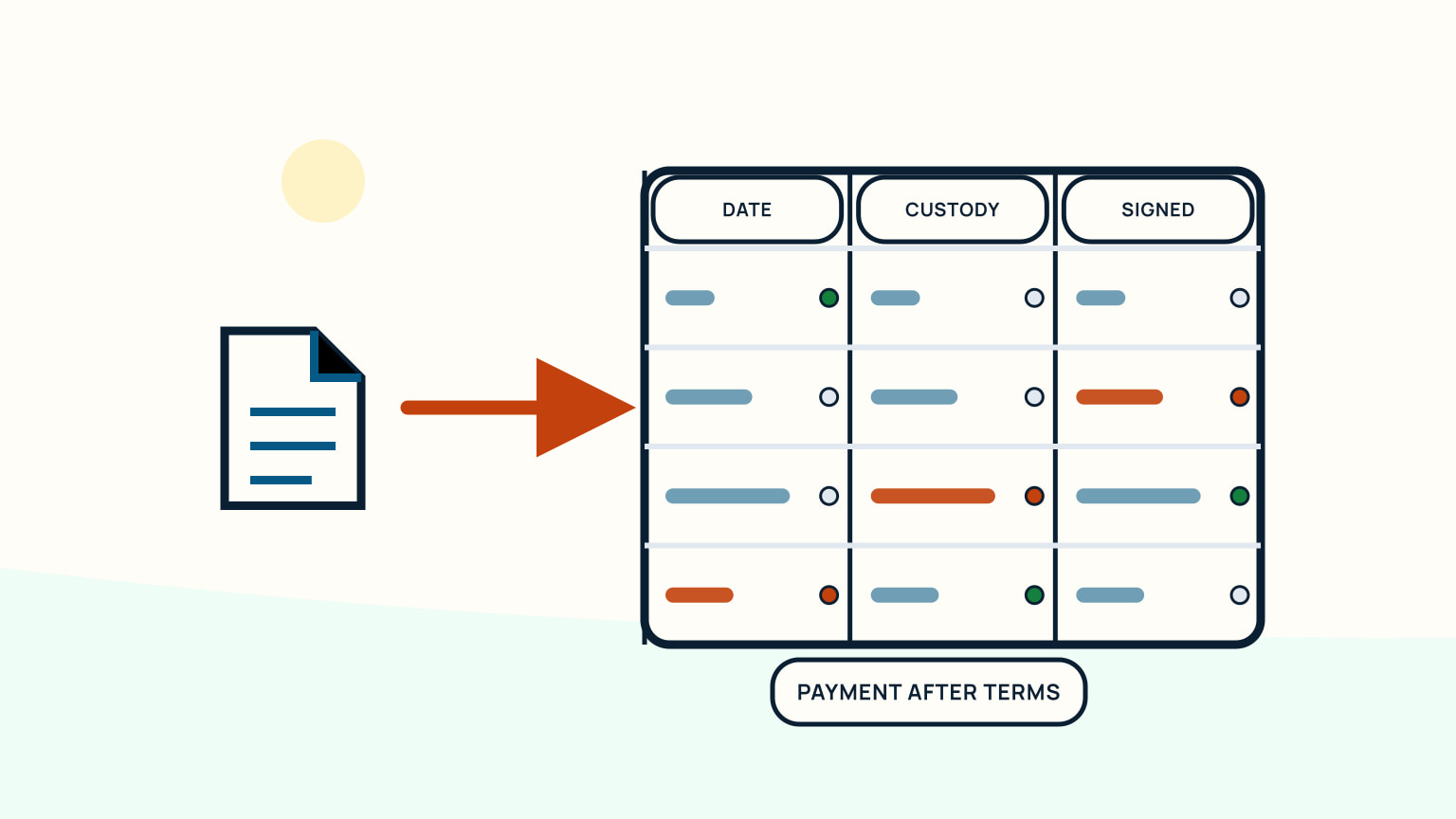
Prepare one evidence sheet before naming a price. If the seller's answers and the survey support the boat, make an offer you are ready to complete. If the condition or access stays too uncertain, spend your energy on another candidate. SailStarter lessons can help you follow survey language and onboard systems, but use local legal advice and the correct sale documents for the actual transaction.
Try it from the lesson
Can you spot the next move?
A wide sailboat glides past on two side-by-side hulls, barely leaning at all. What type is it?
Why you can trust this guide
. We build each guide from public seamanship and safety sources, then teach the universal principle before any local difference.