Chart your course
Living on a Sailboat Full Time: The Reality
Quick answer
The short version
Living on a sailboat full time means turning cruising systems into daily household routines. Storage, water, power, waste, ventilation, connectivity, laundry, deliveries, and maintenance all need workable answers. Before moving, confirm that the marina permits full-time occupancy and that your insurer accepts the arrangement. Build a budget that includes the berth, insurance, repairs, utilities, waste services, and any storage ashore. Test connectivity where the boat will actually lie. Spend a trial period aboard in the season you expect to live there, using the real galley, head, lockers, work setup, and shore facilities. There is no universal minimum boat size or guaranteed saving. The right boat is the one whose space, systems, location, and ongoing work fit the people living aboard.
Boat tours naturally show the clever parts: a compact galley, solar panels, hidden lockers, and a cabin opening onto the water. Daily life reveals the connections between them. A small water tank changes how you wash dishes. Damp lockers affect clothing. A distant pump-out or laundry room changes the weekly routine. The lifestyle can be deeply satisfying, yet it works because ordinary jobs have reliable systems. Treat the move like a home decision that happens to float, not an extended holiday with better scenery.
Test the Daily Routine, Not the View
Write out an ordinary week before choosing the boat. Where do groceries go? How far is the laundry? Who receives parcels and mail? How often will waste tanks need service? Can each person sleep, work, cook, and move without resetting the entire cabin?
Storage is smaller and more irregular than it looks in a tour. Reduce possessions before filling every locker, and decide which seasonal gear or records stay ashore. Keep frequently used items reachable without unloading three other spaces.
Run a real trial aboard in the intended climate. Commute, work, cook, shower, clean, and sleep there. Use the marina's actual shore facilities. A weekend of normal routines reveals more than an afternoon viewing because it shows which compromises fade into habit and which ones create friction every day.
Treat Water, Power, and Waste as Small Systems
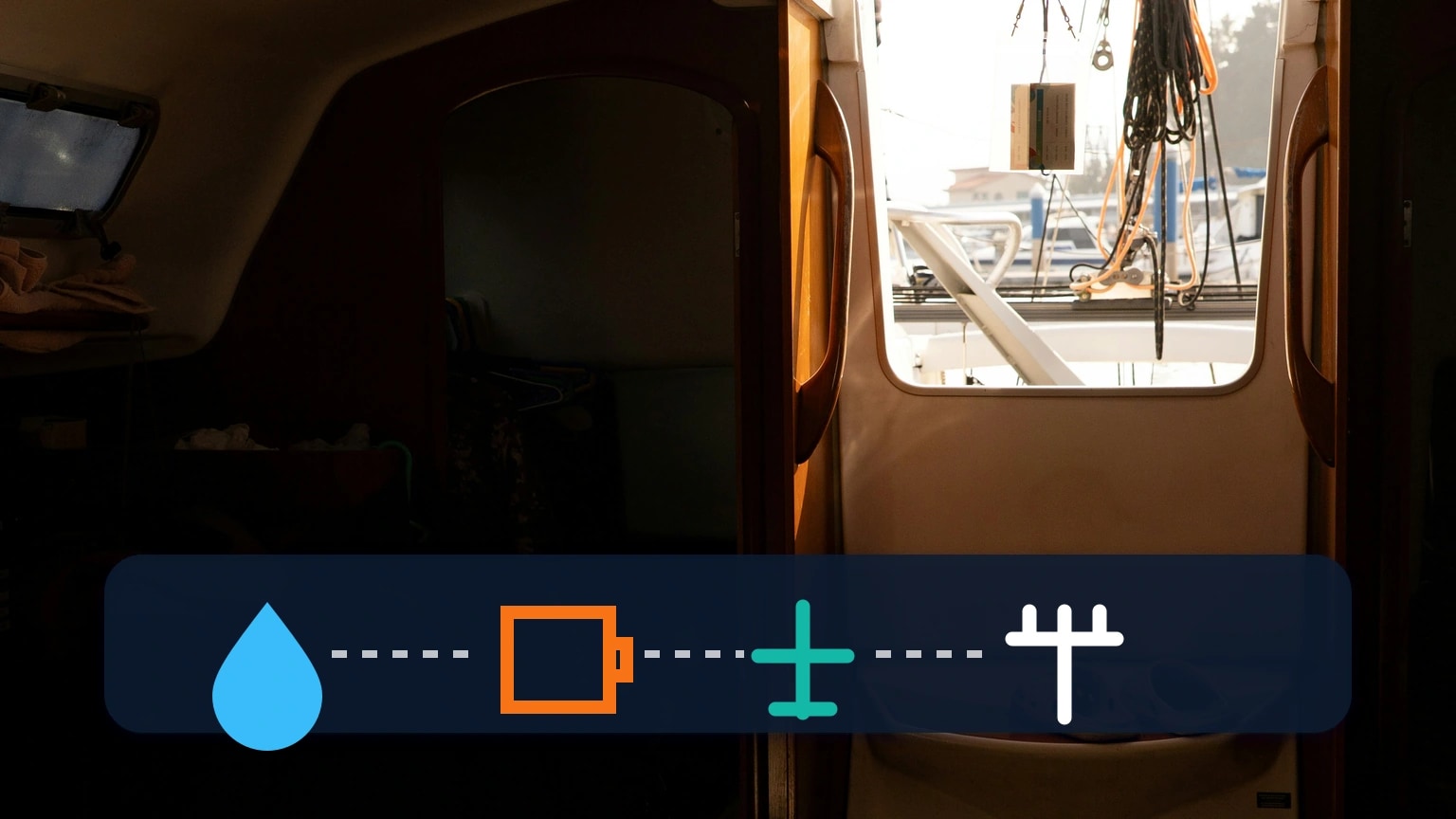
List what comes aboard and what must leave. Fresh water arrives through tanks, dock supply, or other treatment. Power comes from shore connection, batteries, charging sources, or a combination. Waste leaves through the systems and services permitted at the berth and in local waters.
Measure your real use during the trial instead of borrowing another boat's numbers. Work equipment, refrigeration, heating or cooling, cooking, and communication create different loads for different households. Check whether the berth services those needs reliably.
Plan for interruptions. A pump, battery, hose, or connection can need attention, and marine parts or labour may not be immediately available. Basic plumbing, electrical, and mechanical familiarity helps. If you do not want that work, identify professionals, access, and a repair budget before the problem appears.
Control Moisture in Every Compartment
Boat cabins sit beside cold water and inside a hull whose temperature changes differently from the air. Moisture condenses on cool surfaces, especially when cooking, sleeping, or drying wet gear adds more humidity. A warm-looking cabin can still hide damp corners.
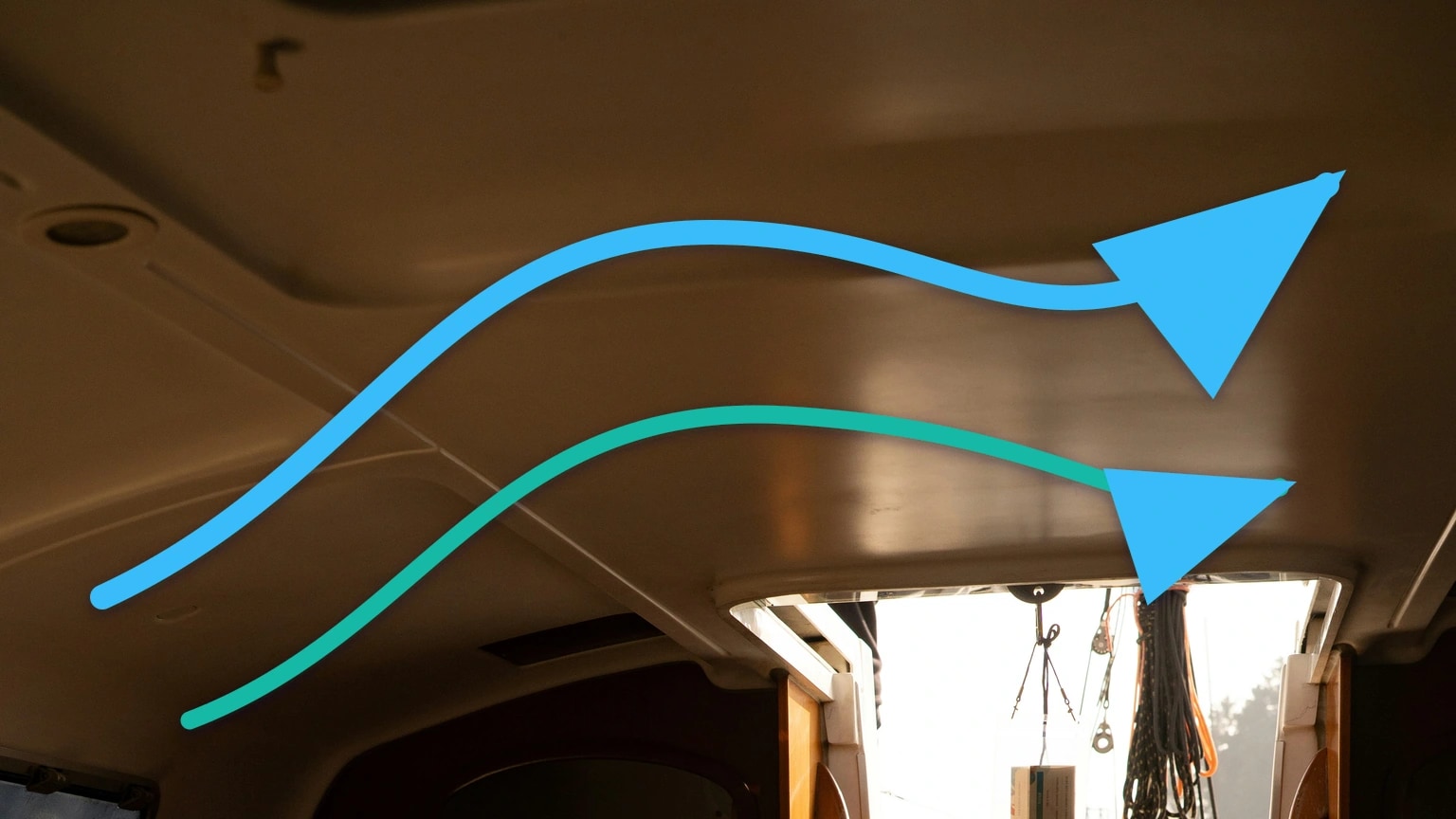
Ventilation exchanges moist cabin air for drier outside air. Passive vents, open hatches when conditions allow, or powered ventilation can keep air moving. The exact solution depends on climate and power, but the principle includes lockers. Closed compartments trap damp air even when the main cabin feels comfortable.
During the trial, inspect bedding, clothing lockers, hull lining, and spaces behind cushions. Notice morning condensation and how long wet clothing takes to dry. A workable liveaboard plan gives moisture a route out rather than depending on wiping away the evidence each day.
Confirm the Berth, Rules, and Full Budget
Owning a boat in a slip does not automatically grant permission to live there. Ask the marina directly about full-time occupancy, waiting lists, shore facilities, address or delivery rules, fees, and seasonal limits. Tell the insurer how the boat will be used. Verify current local requirements with the relevant authority, especially when the boat's flag state and location differ.
Build the budget from the real berth. Include slip fees, insurance, utilities, maintenance, haulout, waste service, connectivity, transport, repairs, and storage ashore. Do not assume that smaller square footage guarantees a lower total cost.
Finally, protect a fallback. Keep enough financial and practical room to repair the boat, change berths, or return ashore if the arrangement stops working. A trial and an exit plan do not weaken the dream. They let you choose it with clear eyes.
Run a full-week trial
Spend a realistic week aboard before making a permanent move. Include workdays, rain, laundry, cooking, showers, waste, grocery trips, sleep, and a day when the boat cannot leave. Keep normal belongings aboard rather than testing an empty cabin with holiday luggage.
Record every trip ashore and every system limit you reach. Note which berth facilities you used, where wet clothing dried, how noise affected sleep, and which daily task blocked another person. The trial should expose routines, not prove that you can tolerate discomfort for a few nights.
Track water, power, and waste
Begin with tank and battery states you can measure. Record normal use and the point when each system needs refill, charging, pump-out, or disposal. Then map how those services are obtained at the intended berth. Capacity labels are less useful than a routine tested by the actual household.
Keep contingency plans separate. If shore power fails, what loads remain available? If the water system leaks, where is it isolated? If waste service is unavailable, what legal local alternative exists? The battery troubleshooting guide helps you separate charging, storage, and load questions. Verify current local waste and liveaboard rules with the marina and relevant authority.
Make moisture visible
Inspect under mattresses, behind cushions, inside lockers, and around windows and deck fittings. Note condensation after cooking, sleeping, and wet weather. Clean and dry the space, improve the routine, then check the same points again. A closed locker can hide the result long after the main cabin feels comfortable.
Ventilation, heating, insulation, and dehumidification depend on climate and installation. Use equipment manuals and safe shore-power practice. Do not solve damp by creating an unattended electrical or combustion risk. The useful routine is one you can maintain every day.
Price the berth and the boat together
Confirm in writing that full-time occupancy is permitted. Ask about waitlists, seasonal closure, mail, parking, guests, storage, pump-out, water, electricity, showers, security, and emergency access. Rules and services vary, and a suitable boat without a lawful practical berth is not a complete housing plan.
Build a budget with berth, insurance, haulout, maintenance, systems, transport, connectivity, and replacement reserves. The cost of ownership guide explains why boat-specific quotes are better than a fixed percentage. Add the value of time spent maintaining both home and vessel.
Finally, choose an exit plan. Know where you can stay during haulout, major repair, severe weather, or a berth change. A liveaboard plan becomes more durable when it includes the weeks when the boat cannot function as a comfortable home.
Understanding boat types and basic onboard systems makes liveaboard tours easier to evaluate. SailStarter's beginner lessons introduce hulls, rigs, cockpit hardware, sails, lines, safety checks, and weather planning in a structured path. They will not teach you how to become a resident of a particular marina, and they do not replace practical maintenance or local advice. They will help you recognize what you are looking at, ask how each system is used, and separate sailing knowledge from household logistics. Begin with the boat-type lesson, then spend time aboard before you buy or move. The most useful liveaboard research is the week when you actually live the routine.
Add one maintenance day to the trial week. Empty a locker, inspect the bilge, clean the head, check shore connections, and complete a small service job. Notice which living spaces become unusable while access panels and tools are open. On a boat, the home often becomes the workshop.
Talk through privacy as well as storage. Decide where each person can sleep, work, make a call, change wet clothing, and spend time alone. A cabin layout may sleep the advertised number while offering little separation for daily life. Test the arrangement with the actual household.
Finally, compare summer and winter plans. Heating, condensation, daylight, storms, marina water, and shore facilities can change by season. Ask current residents and the marina about those changes, then verify equipment and rules yourself. A comfortable holiday week answers only part of a full-time question.
Try it from the lesson
Can you spot the next move?
A wide sailboat glides past on two side-by-side hulls, barely leaning at all. What type is it?
Why you can trust this guide
. We build each guide from public seamanship and safety sources, then teach the universal principle before any local difference.