Chart your course
How to Prevent an Accidental Jibe
Quick answer
The short version
Prevent an accidental jibe by avoiding an unstable course close to dead downwind, keeping a steady lookout on wind shifts and waves, and steering with a deliberate margin. Brief everyone to stay clear of the boom and mainsheet's travel. If you need to change sides, call and control a planned gybe.
On suitable boats, a correctly rigged preventer or boom brake can add control, but it creates loaded lines and must be releasable from a safe place. Learn that system for the boat rather than copying a generic arrangement. Reefing or choosing a broad reach can also make the boat easier to control when wind or sea state increases.
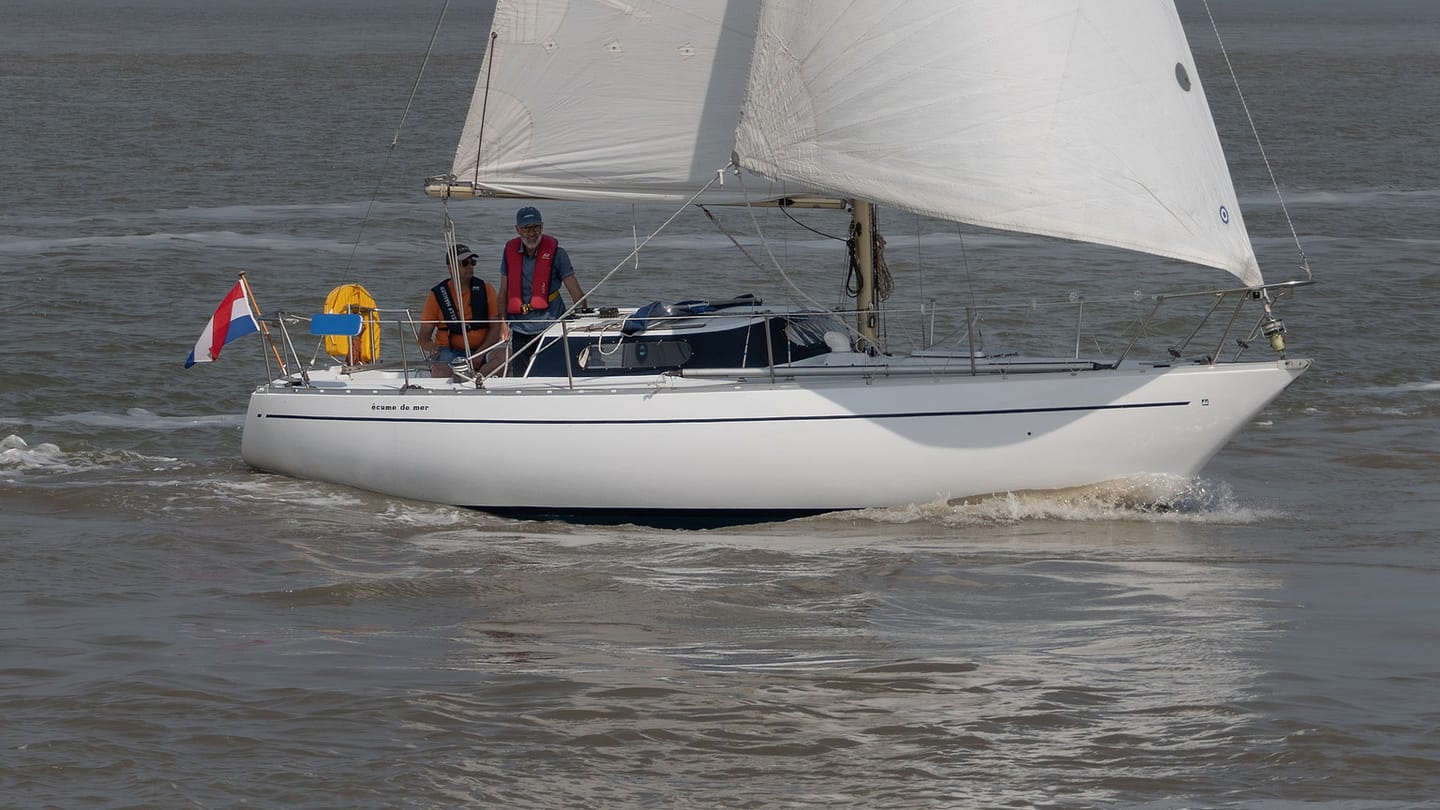
A gybe happens when the stern crosses the wind and the mainsail changes sides. In a planned gybe, the crew knows it is coming and controls the boom. In an accidental jibe, a course change or wind shift puts the wind on the other side before people and controls are ready.
The boom can cross quickly, and the mainsheet can sweep a wide area of the cockpit. Prevention begins with course awareness, not with a last-second grab for the sheet. Keep the boat far enough from the boundary that one wave or small steering correction does not cross it.
Leave room between your course and dead downwind
Sailing exactly dead downwind leaves little directional margin. The wind approaches along the boat's centreline from astern, so a small shift or yaw can put it on the opposite side. Sail a broad reach instead when the route allows. The mainsail remains clearly on one side and the helm has a visible reference.
Use a wind indicator, sail leech, waves, and the pressure you feel rather than staring at one instrument. Apparent wind changes when boat speed changes, so a slowing surf or gust can alter the angle even if the true wind seems steady.
If the destination lies directly downwind, planned gybes between broad reaches may be calmer and faster than trying to balance on the boundary.
Mark a practical heading range on the compass or plotter when useful, but keep looking outside. A number can support the helm's awareness; it cannot show a sudden gust line or the stern being pushed sideways by a wave.

Anticipate waves, shifts, and steering workload
Following waves can yaw the stern as they lift and pass the boat. A distracted helmsperson may also wander while looking behind or handling another task. Add gusts and shifts, and the safe course corridor can narrow quickly.
Name the risk before it becomes urgent. The helm can call “close to a gybe” and ask another crew member to watch the windward quarter. Reduce speed or sail area if the boat is difficult to hold. Hand steering to someone rested before concentration fades.
Autopilots and windvanes need supervision. They control toward a setting, not toward your unspoken safety margin. A shift can make a previously comfortable heading unsafe without any equipment failure.
If steering becomes difficult, head onto a safer broad reach before solving the cause. That move creates time to reduce sail, hand over the helm, or change the route without balancing at the gybe boundary.
Brief the crew and control every planned gybe
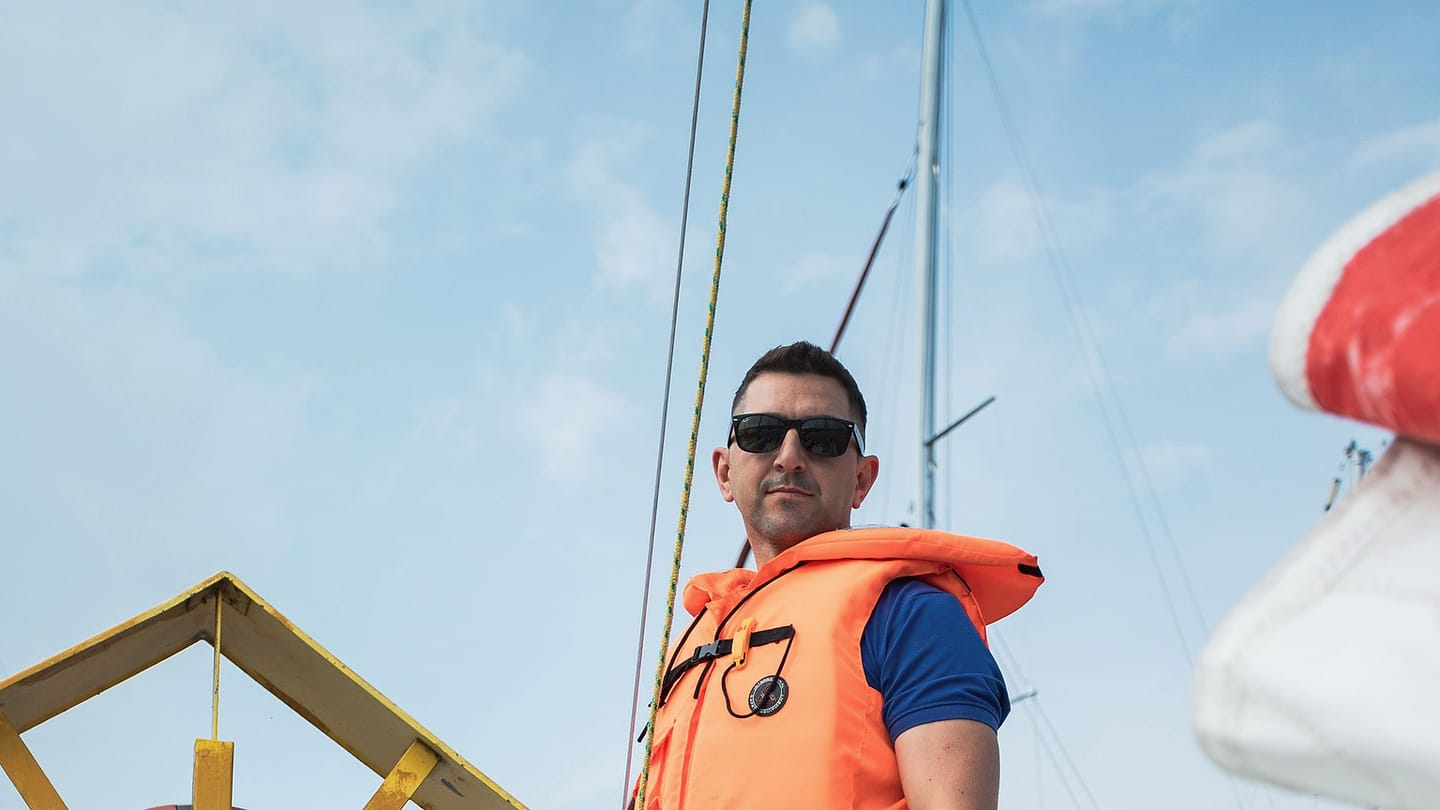
Before a downwind leg, show the boom's travel and the mainsheet area. Crew stay low and clear, with hands off lines that may load. Agree on simple calls: preparation, ready confirmation, the turn, and completion.
During a planned gybe, control the mainsail as your boat's method requires. The helm turns smoothly while the sheet handler manages the boom's crossing. Once the sail fills on the new side, ease to the correct trim and settle the course before other tasks resume.
Do not surprise the crew to make the manoeuvre feel quick. A slow, audible sequence makes mistakes visible while there is still time to stop the turn.
After the sail crosses, check the new side of the cockpit. A sheet may have snagged and a crew member may still be moving. Hold the new course until the team confirms that the boat is settled.
Use a preventer only as a complete system
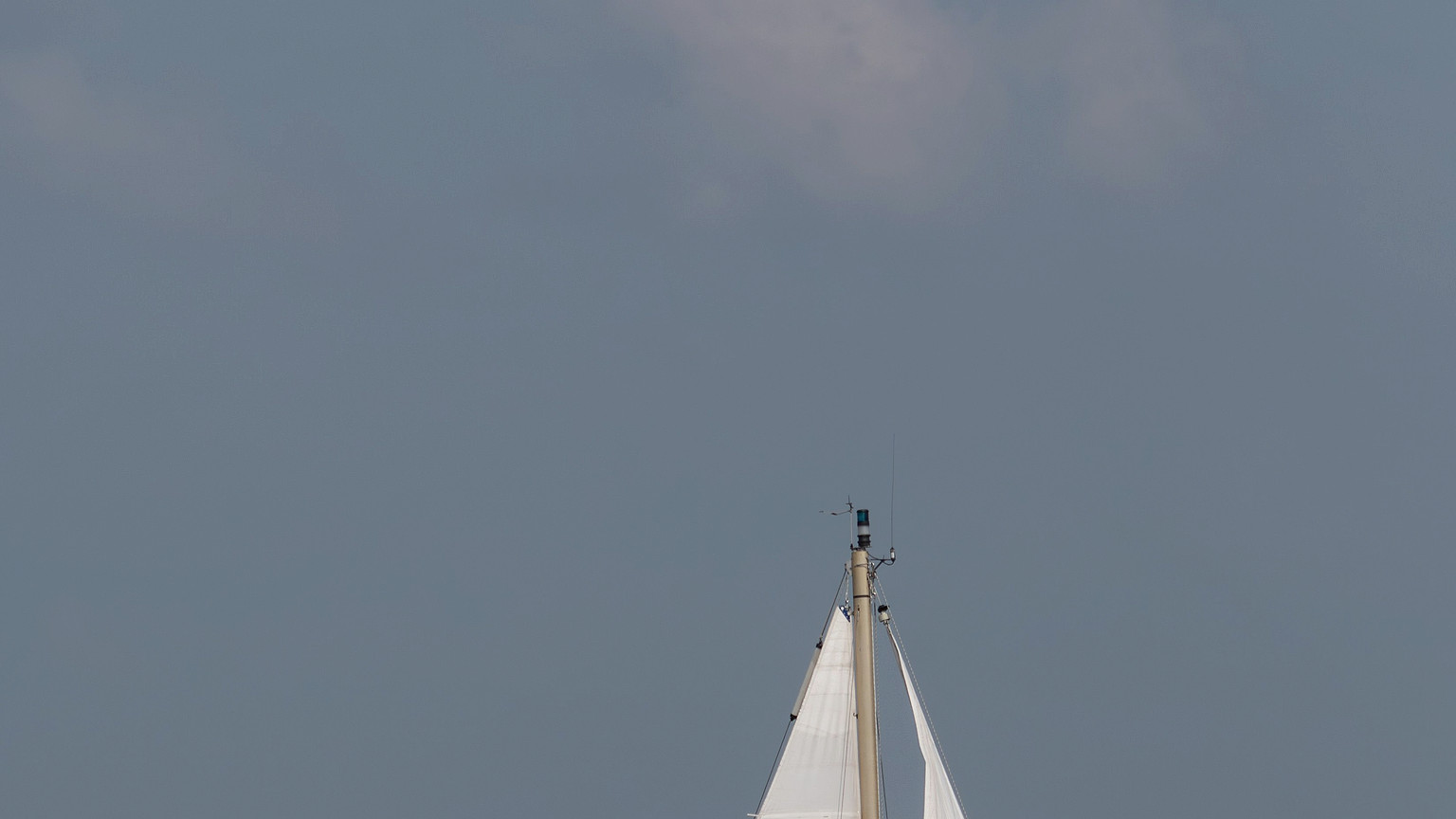
A preventer restrains the boom from crossing, often with a line led forward and back to a safe working point. It can reduce accidental movement, but the loads can be high. A badly placed attachment or line can damage gear, trap the boom, or create a dangerous release.
Use strong points and a layout approved for the boat. Keep the control accessible from the cockpit, know how to release it under load, and never stand inside a line's loaded path. A boom brake works differently and still needs boat-specific setup.
Neither device replaces steering and lookout. When the course must change across the wind, ease or reset the restraint as the proper procedure requires and conduct a planned gybe.
Inspect the attachment points and line before every downwind leg. Chafe or an unknown fitting turns a control into a weak link. Remove the system when it is not needed so its line does not become another cockpit hazard.

Set a course margin the helm can hold
Dead downwind places the boom close to the point where a small wind shift or steering error can move it across. Choose a course with a clear margin on one side and brief which side the mainsail must stay. Watch the apparent wind and sail rather than steering only by a number on the compass.
If waves yaw the stern, steer early with small corrections. Large late corrections can send the boat past the intended course in the other direction. Reduce steering workload when the crew is tired or visibility is poor. A different point of sail or route may be the better prevention.
Recognize the warning signs
Watch the mainsail's luff, leech, and boom position. A sail that softens or begins to fill from the opposite side shows that the wind relationship is changing. Call it early so the helm can correct course and the crew can stay clear. Keep heads away from the boom and its sweep even when the course looks stable.
The points-of-sail explanation helps connect sheet position with apparent wind. If you need to change sides, use a planned manoeuvre with a clear crew brief rather than letting the boom choose the moment.
Brief a planned gybe
Name the new course, confirm the area is clear, bring the mainsail under control using the boat's procedure, and keep everyone out of the boom and mainsheet path. Turn at a controlled rate. Once the sail crosses, ease it to the correct setting for the new side and settle the boat before making another change.
Practise with an experienced skipper in suitable conditions. The sequence and controls vary by boat, especially with different mainsheet and traveller layouts. The purpose of the brief is to make the boom movement expected and controlled.
Treat a preventer as rigging, not a shortcut
A preventer holds the boom forward, but its loads and safe routing depend on the boat. Use a complete boat-specific system with suitable attachment points, line, fair leads, release method, and crew understanding. Do not improvise a short line to a weak fitting or create a setup that cannot be released when loaded.
Include the preventer in every gybe brief. State who releases it, when it is transferred, and how the crew avoids its loaded path. If the system is unclear, change course or seek instruction. Equipment can support the prevention plan. It does not replace course margin, lookout, early steering, or a controlled manoeuvre.
SailStarter's gybing lesson teaches the controlled manoeuvre that replaces an accidental one. Review the sequence, then practise broad reaches and planned gybes with an instructor in open water. Ask the helm to call when the boat approaches the downwind boundary, even when no gybe is intended. That habit makes the invisible line easier to feel. Add a preventer lesson only for the boat you sail, with its strong points and release route identified. The useful outcome is a crew that knows the margin, hears the warning, clears the boom, and controls the crossing before the wind chooses the moment.
Add a call for an unplanned course change. If the helm must avoid traffic or a hazard, they should warn the crew before the stern crosses the wind when time allows. The crew keeps low and clear while the mainsail is controlled. After the immediate hazard is clear, reset the course and preventer system deliberately instead of leaving an uncertain loaded line.
The strong-wind preparation guide adds crew roles and sea-room decisions when steering workload rises.
Try it from the lesson
Can you spot the next move?
A boat turns its stern through the wind, staying on the downwind side the whole time, to swap which side the sail's on. Is that a tack or a gybe?
Why you can trust this guide
. We build each guide from public seamanship and safety sources, then teach the universal principle before any local difference.