Chart your course
How to Unfurl a Jib: A Beginner's Roller-Furling Routine
Quick answer
The short version
To unfurl a roller-furled jib, you pull the working jib sheet, the line controlling the side of the sail in use, while easing the furling line. The two lines work in opposition. Keep light drag on the furling line so the sail opens steadily and the line winds neatly onto its drum.
Before you start, follow the skipper’s setup. Make sure both lines can run without tangles and the unused sheet is free. The sail may accelerate as it fills with wind, so never let a loaded line run free or wrap it around your hand. When the sail is open, secure the furling line, then trim the sheet. If you feel unexpected resistance, stop pulling and check the system. Never force a winch.
Unfurling a roller-furled jib is a two-line job. You pull the working jib sheet to open the sail while easing the furling line with steady drag. That light opposing tension keeps the sail from rushing out and helps the furling line wind neatly onto its drum.
This guide shows you how to prepare both lines, open the jib under control, secure the furling line, and trim the sail. You will also learn the most important response to unexpected resistance: stop pulling and check the system. Never force a winch or let a loaded line run free.
Furling systems and cockpit layouts vary. Follow the skipper’s instructions and learn the setup on the boat you are sailing before you release anything.
How the Sheet and Furling Line Work Together
To understand how to unfurl a jib, picture two lines working in opposition. The furler has no spring. You pull one line while easing the other under control.
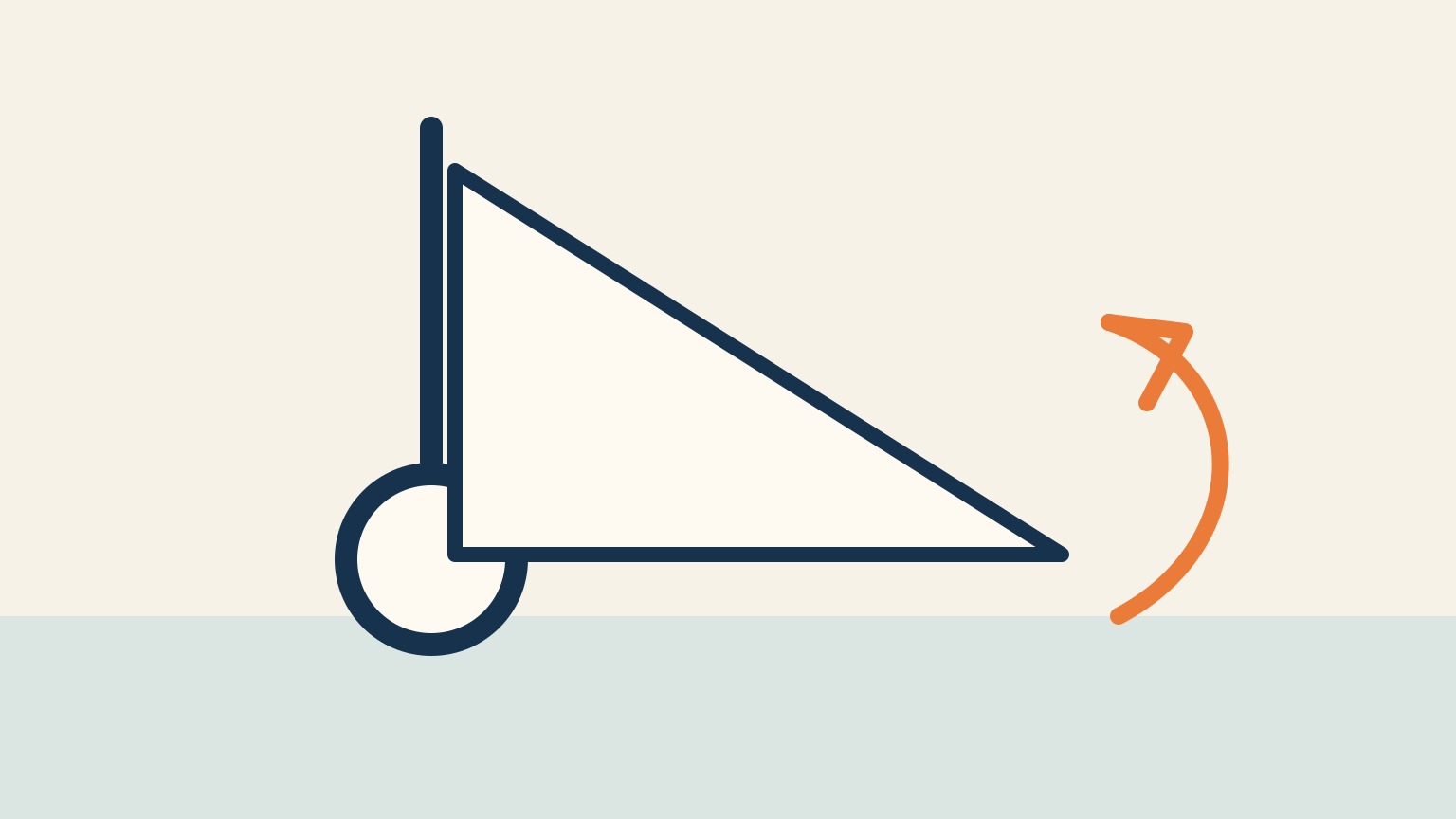
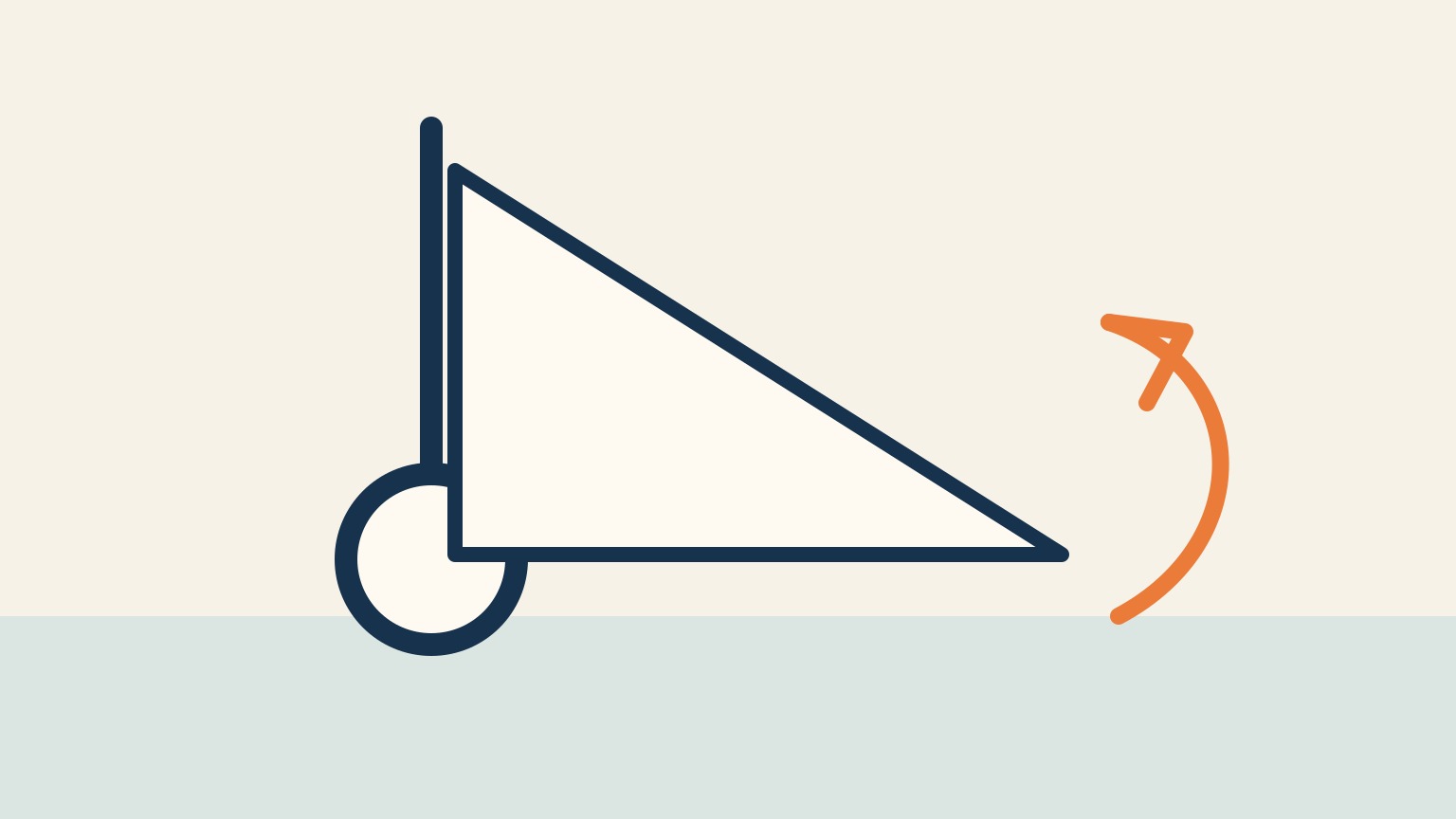
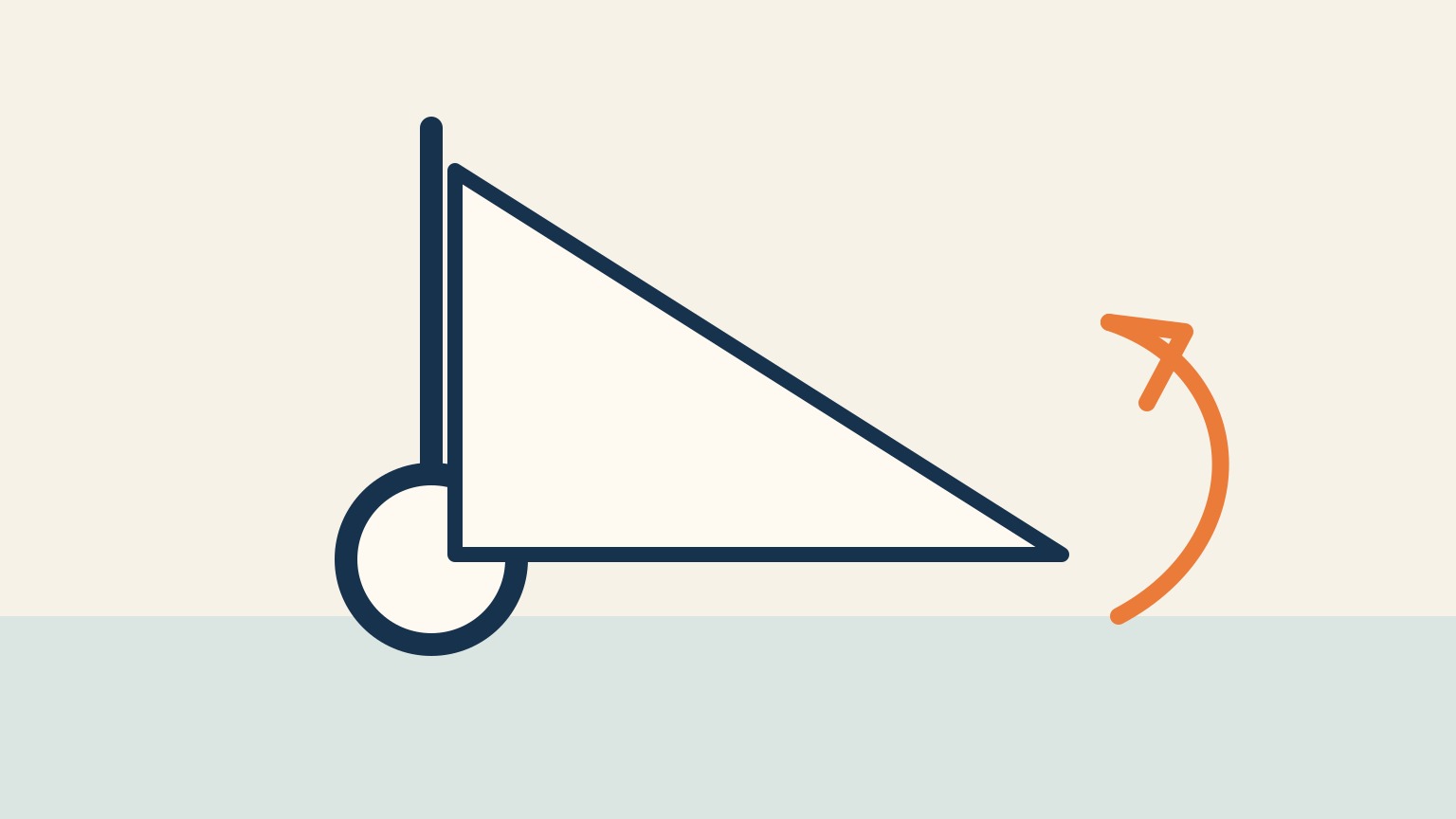
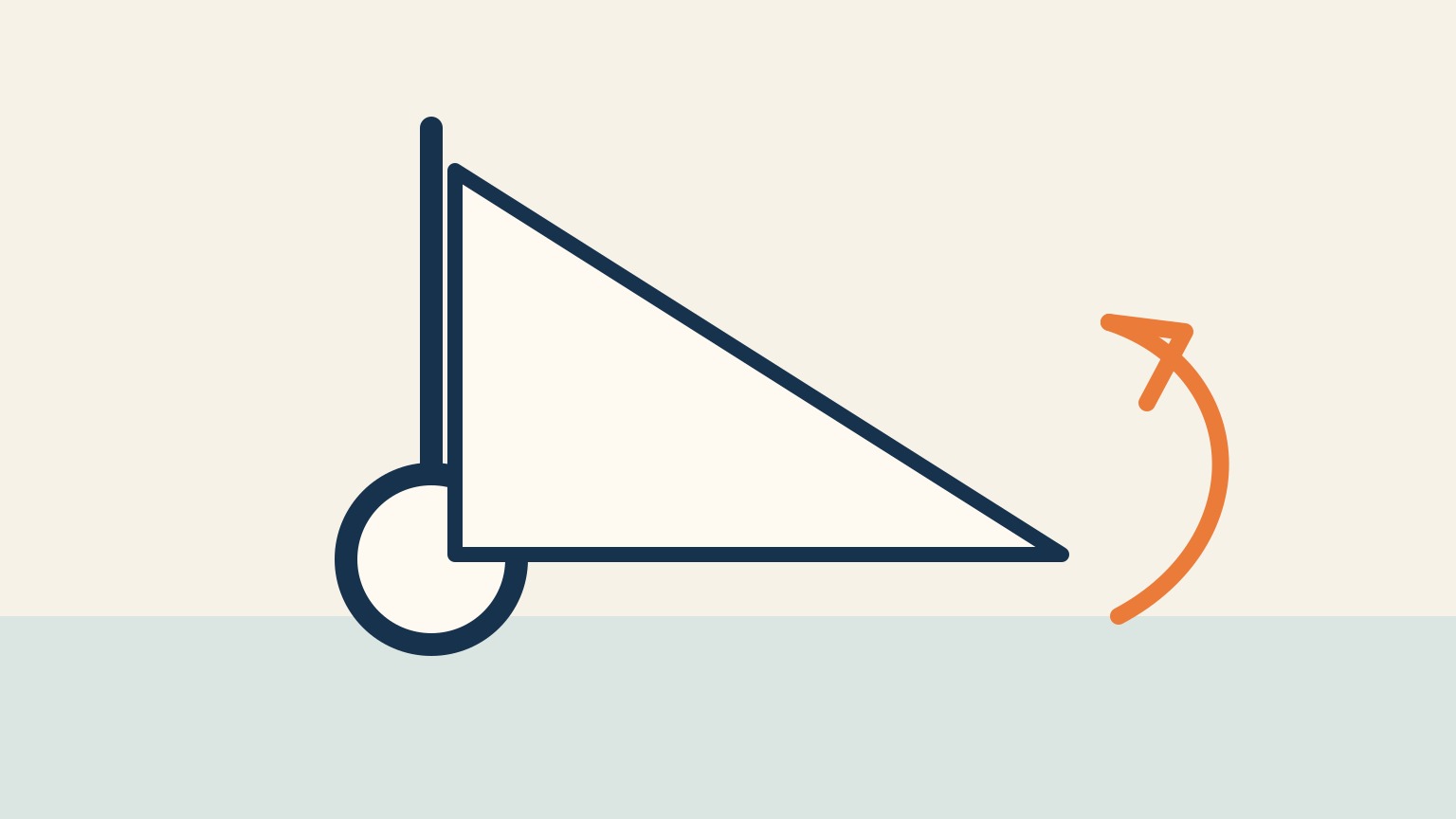
The sail is rolled around a rotating spar called the foil, which fits over the forestay, the wire that supports the mast from the bow. Pulling the working jib sheet, the line on the downwind side that draws the sail out, turns the foil and unrolls the sail.
As the foil turns, the furling line is pulled forward out of the cockpit. It winds neatly onto the drum, the spool at the base of the foil. That stored line will later roll the sail back in.
Keep steady drag on the furling line as you pull the sheet. This controls the opening speed and helps the line wind cleanly onto the drum. Never let a loaded line run free or wrap it around your hand; it can burn or trap your hand, and the sail may rush out and flap. Systems vary, so follow the skipper’s setup.
Set Up Before Releasing Anything
Before you unfurl the jib, ask the skipper to confirm this boat’s procedure and which winch or cleat to use. Furling systems and line layouts vary.
Hold the steady course chosen by the skipper. Do not turn into the wind to unfurl. Then prepare the lines:
- Lay out both jib sheets and the furling line so they can run without tangles.
- Check that each line has a stopper knot at its free end.
- Identify the leeward sheet, on the side away from the wind. This sheet pulls the jib out.
- Leave the windward, or opposite, sheet free to run.
- Put two or three turns of the leeward sheet around its designated winch, unless the skipper gives a different instruction.
- Put one turn of the furling line around its designated winch or, if the skipper says so, a half-turn around a cleat.
Do not pull either line tight yet. The sheet turns give you control once the wind fills the jib and hand grip is not enough. The furling-line turn supplies drag, so the sail does not rush out and the line rewinds neatly on the drum. Never let a loaded line run free.
How to Unfurl a Jib: Pull the Sheet While Easing with Drag
-
Put two or three turns of the working jib sheet around its winch. Pull the sheet by hand while keeping your tailing hand well back from the winch, where it cannot be drawn in.
-
Create drag on the furling line with one turn around another winch, or a half-turn around a cleat. This is especially useful in stronger wind. Let the furling line out slowly, keeping light tension on it so it winds neatly onto the furling drum at the sail’s lower front corner.
-
Coordinate both lines: pull the sheet as you ease the furling line. The movement starts slowly, then the unfurling speeds up once wind fills the jib. Keep steady control rather than letting a loaded line run free; this prevents a sudden rush and helps the line spool neatly.
-
Never wrap a loaded line around your hand or body. Unwrapped hands can release cleanly and avoid rope burn.
Use the line route, winch turns, and commands set by your skipper.
Secure the Control Line, Then Trim the Jib
When the jib has unfurled to the size the skipper asked for, stop easing the furling line. Secure it before you trim the sail. Use the boat’s designated method. This may be a cleat, or turns around a winch followed by a cleat. Setups vary, so follow the skipper’s instructions. Never let a loaded line run free, and never wrap one around your hand.
Now trim the working sheet. This is the sheet on the downwind side of the boat, the one currently under load. Pull it in until the jib has the shape needed for your course.
If part of the jib remains rolled up on the stay, you have reefed the sail. Reefing makes the exposed sail smaller. As more sail is rolled away, its back corner (the clew) rises and the sheet pulls from a different angle. The sheet lead may need a new position. Let the skipper choose it, and adjust it only as directed.
If It Feels Wrong, Stop Pulling
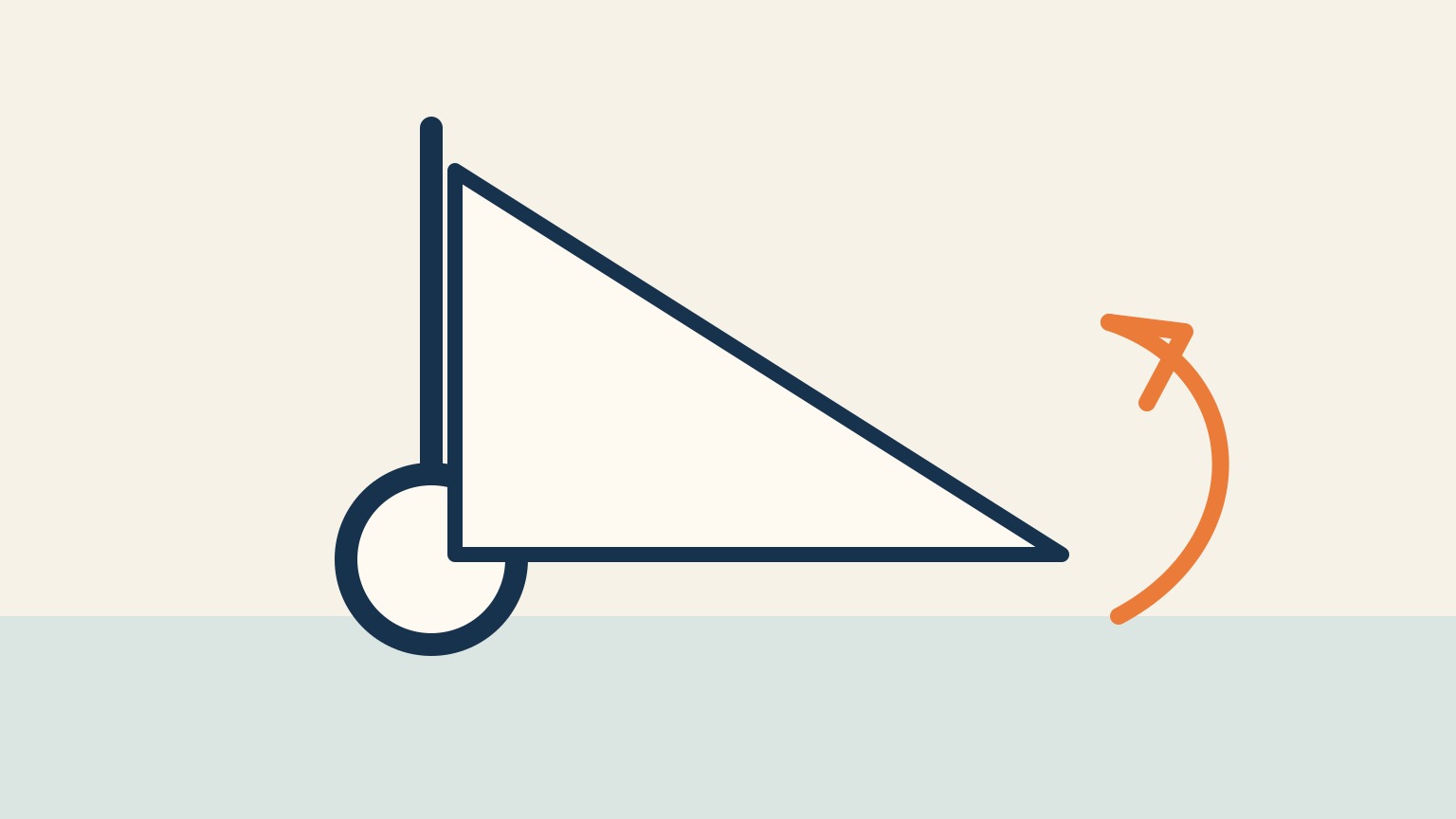
When you unfurl a jib and it stops moving, stop pulling. Do not crank harder on the sheet’s winch. Resistance means the system needs checking, not more force.
Secure the sheet and furling line using the boat’s normal setup. Tell the skipper what you felt and where the sail stopped. Check the system only as directed. The furling line may be tangled or may be spooling at the bottom of the drum. The halyard, the line that holds the sail up, may have wrapped around the forestay foil near the top of the sail. Other possible causes include a slack forestay, dirt or salt in the bearings, or too much halyard tension.
Keep control of every loaded line. Never let one run free, because the sail can open and flap unchecked. Never wrap a loaded line around your hand. If you need more grip, add turns around the winch instead.
Boat systems vary. Follow the skipper’s setup and instructions.
Reset the system after the sail is open
Once the jib is trimmed, check that the furling line is led cleanly, has enough turns for the later furl, and is secured using the boat's arrangement. Coil the lazy sheet clear of feet and moving hardware. Look up the luff for a smooth set and confirm that no halyard or line has wrapped around the foil.
If the sail opened unevenly, return to a controlled state and inspect before using more force. Pulling a loaded sheet against a jam can damage the sail or furling gear. The jib versus genoa guide helps identify the headsail, while the sail-trim guide covers what to do after the system is secure.
Practise both opening and furling in mild conditions with the same crew calls. State which line is being pulled and which is being eased with drag. A reliable routine keeps control on both lines, protects fingers from loaded turns, and stops as soon as the resistance no longer matches normal operation.
To unfurl a jib under control, follow the skipper’s setup for that boat. Before anything moves, prepare the working sheet, clear the furling line, and make sure the opposite sheet can run as instructed. Pull the working sheet while you ease the furling line with steady drag. This opposing control lets the sail open without rushing and helps the furling line wind neatly onto its drum. Once the sail is out, secure the furling line and trim the jib.
Keep the loaded working sheet and furling line controlled; do not let either run unchecked. If the system resists, stop pulling and ask the skipper. With calm preparation, you can make each step smooth and clear.
Try the SailStarter lessons to practise unfurling a jib under control.
Try it from the lesson
Can you spot the next move?
The jib is out of its bag on the foredeck. What attaches first?
Why you can trust this guide
. We build each guide from public seamanship and safety sources, then teach the universal principle before any local difference.
- support.seldenmast.com
- manualslib.com
- manualslib.com
- support.seldenmast.com
- gallery.harken.com
- harken.com
- svb24.com
- en.wikipedia.org
- fisheriessupply.com
- sailing-blog.nauticed.org
- whitsundayescape.com
- liveabout.com
- forums.sailboatowners.com
- forums.sailboatowners.com
- people.csail.mit.edu
- modernsailing.com
- practical-sailor.com
- practical-sailor.com
- yachtingworld.com
- adaptivesportsconnection.org
- catalinadirect.com
- aladofurler.com
- riggingdoctor.com
- getmyboat.com
- offshoresailing.com
- practical-sailor.com