Chart your course
How to Use a Sailing Winch: Safe Wrap, Tail, and Ease
Quick answer
The short version
To use a sailing winch, first clear the line and pull out slack before it takes load. Wrap the line from the bottom of the drum upward, usually clockwise. Keep tension on the free end, called the tail, while you or another crew member turns the handle. This lets friction on the drum grip the line. When the line is set, secure it as directed before releasing the tail. To ease, remove the handle, keep your fingers outside the wraps, and let the line out slowly under control. The right number of wraps depends on the winch, line, and load, so follow the skipper’s direction and the boat or winch manual.
A winch helps you control a loaded line by creating friction around its drum. The key is to stay in control from the first wrap to the final ease.
In this guide, you will learn how to use a sailing winch step by step. You will prepare the line, wrap it from the bottom of the drum upward, keep tension on the loose end, called the tail, while the handle turns, and secure the line before letting go. You will also learn to ease the line slowly, with your fingers kept away from the wraps.
The right number of wraps depends on the winch, line, and load. Do not guess. Follow the skipper’s direction and check the boat or winch manual. If you have not used that winch before, say so and ask for a demonstration.
Prepare the line before it takes load
Before you use a sailing winch, prepare the whole station. A tidy setup helps the line run as intended and reduces the chance of a jam.
- Tell the skipper if you have not used a winch before. Ask how many wraps to put on the drum. The right number depends on the line, winch, and load, so follow the skipper’s direction and the boat or winch manual.
- Tie back long hair. Secure loose clothing so it cannot catch in the winch.
- Keep bystanders away from the winch, line, and fittings that will carry the load.
- Check the line’s lead, the route it follows into the winch. A line entering too high or too low can slip or pile over itself. Ask the skipper to show you the correct lead on this boat.
- Arrange the loose tail so it leads clear and falls into its proper stowage area.
- Pull out the slack before the line becomes heavily loaded. Slack can help one wrap ride over another and jam.
Wrap from the bottom of the drum upward
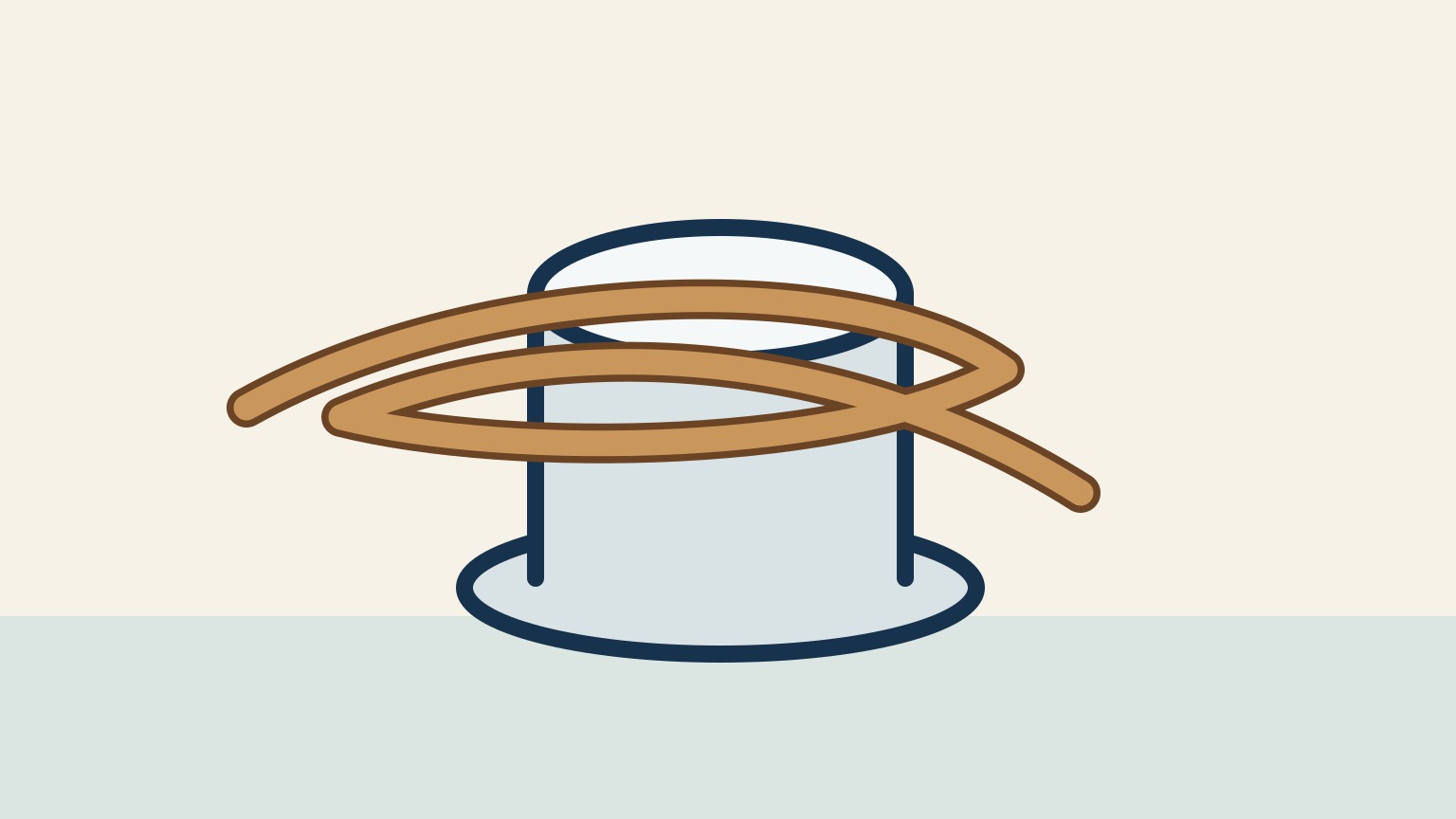
When you learn how to use a sailing winch, start each wrap at the bottom of the drum. Lead the line around the drum in its operating direction, usually clockwise. Lay each new wrap just above the last one. Keep the wraps orderly and do not cross them. A wrap that climbs over and traps the line below is called a riding turn, or override.
If an unfamiliar winch is unloaded, turn the drum gently by hand before adding the line. Wrap the line the same way the drum turned. If you wrap it backward, the winch will not pull the line at all.
Do not guess how many wraps to add. The right number depends on the line, drum, surface, equipment, and load. Too many wraps can also cause an override. Follow the skipper’s direction and the boat or winch manual.
Tail the line as the handle turns on the sailing winch
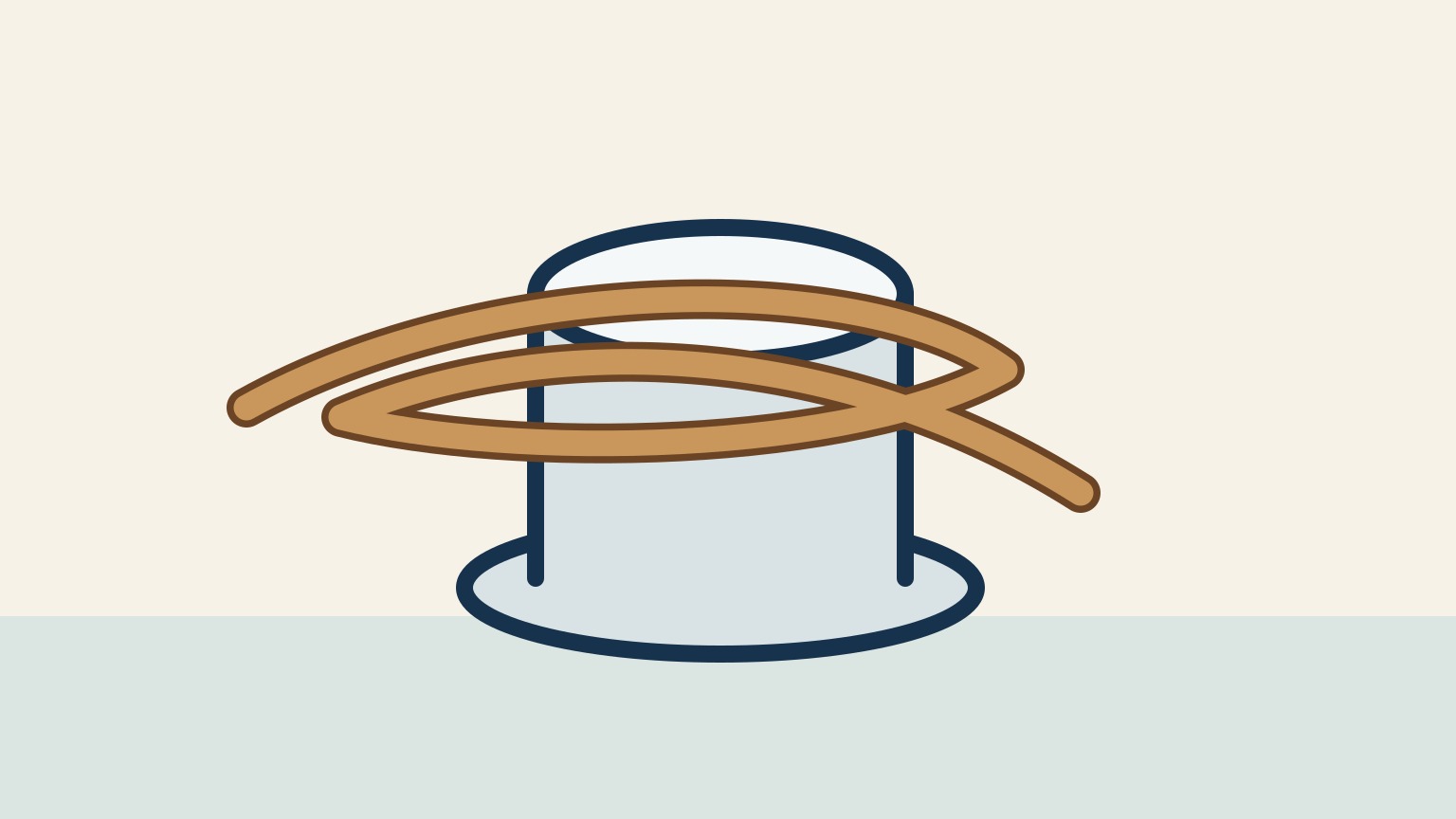
Grinding means turning the winch handle. Tailing means keeping tension on the free end of the line. The drum’s friction works only while you maintain that tension, so grinding and tailing must happen together.
On a non-self-tailing winch, one person usually grinds while another tails. Before grinding, check that the handle is fully seated and locked. As the grinder turns it, the tailer pulls the line steadily and keeps both hands clear of the wraps.
Tail with your fingers tucked and the back of your hand toward the drum. Your knuckles face the winch, so your fingers point away from the wraps and cannot be pulled between them.
Add extra wraps under load only when the skipper directs you. Pass the line around the drum with one hand. Use your other hand only to feed line to that hand. Never reach across the existing wraps. Follow the skipper’s direction and the boat or winch manual.
Secure the load before releasing the tail
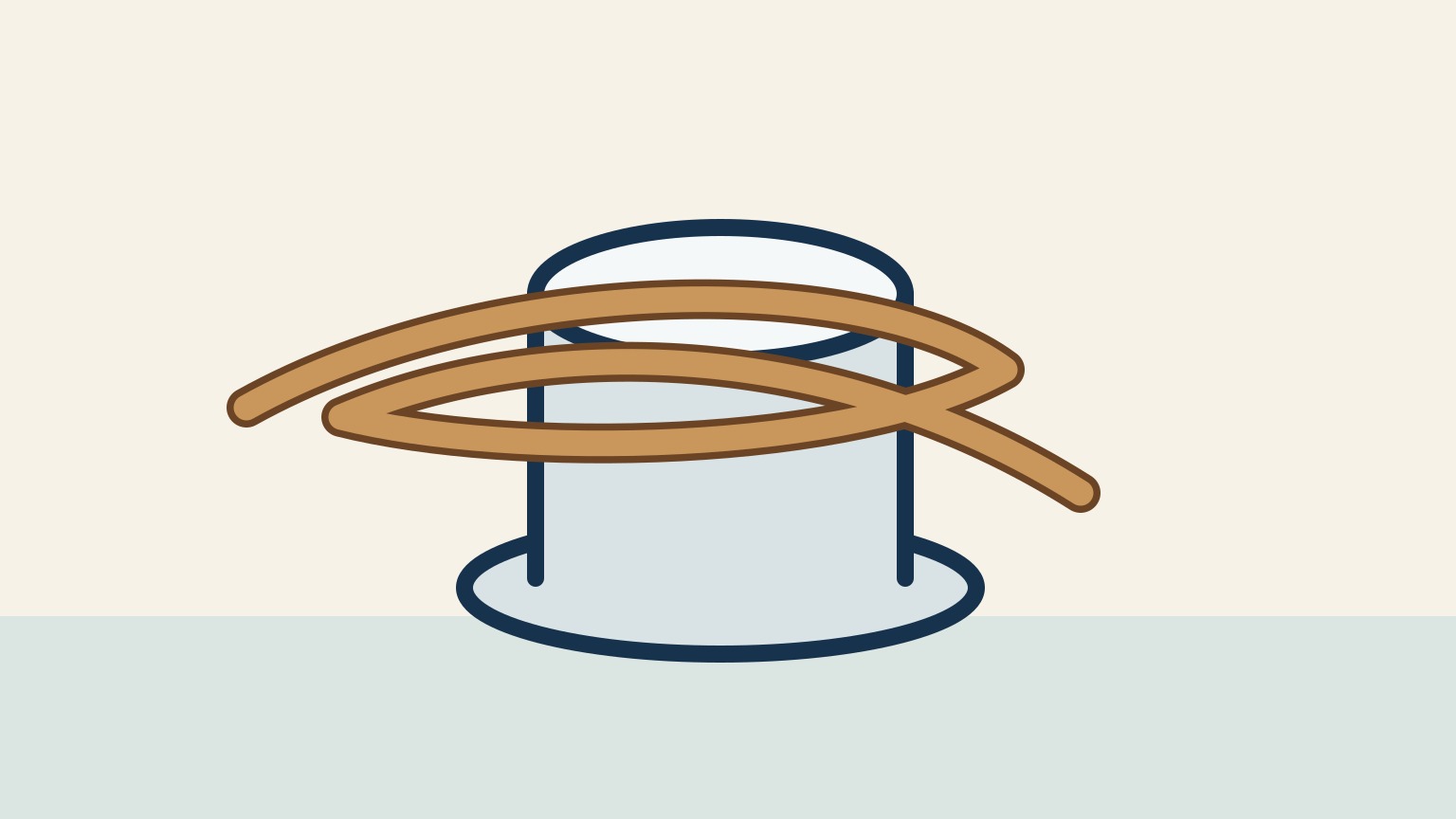
When using a sailing winch safely, keep tension on the tail until the line is secured exactly as the skipper directs.
On some boats, you secure the line on a cleat. One turn around the cleat helps you hold or ease the load under control; then lock the line off as directed. Other boats use a self-tailer, the gripping jaws at the top of the winch. Load it carefully and follow the boat or winch manual. A self-tailer can still develop crossed wraps that jam, and you may not notice until you have wound in a lot of line.
Before letting go, ease the tail very slightly. Confirm that the line does not creep or slip. If it moves, take up the tension again and ask the skipper what to change.
Once the line is holding, remove the winch handle. Stow it in its holder, within reach but where it cannot snag another line or strike someone.
Ease slowly without putting fingers in the wraps
Read the load path before touching the line
Trace the sheet or halyard from sail to block, clutch if fitted, winch, and tail. Make sure it leads fairly to the bottom of the drum and does not cross another line. Clear riding turns, knots, and loose gear before the load rises. Stand where a released tail will run away from your body.
Add turns with the line unloaded or lightly loaded whenever possible. Wrap from bottom upward in the winch's correct direction. More turns add friction, but piling on excessive wraps can make a jam harder to clear. Use the number taught for that winch, rope, load, and condition.
The tailer keeps tension on the free end while the grinder turns the handle. Communication should be short and specific: take in, hold, ease, or stop. The handle operator stops when the tailer or helm calls. Keep both people out of the sheet's direct line and never lean over a loaded winch.
Deal with problems without grabbing the drum
A slipping tail needs controlled tension and perhaps another wrap when the load allows. A riding turn means one wrap has trapped another. Do not pick at it with fingers or force the handle. Secure or transfer the load through the boat's approved method, then clear the overlap under control. Get experienced help when the load cannot be made safe.
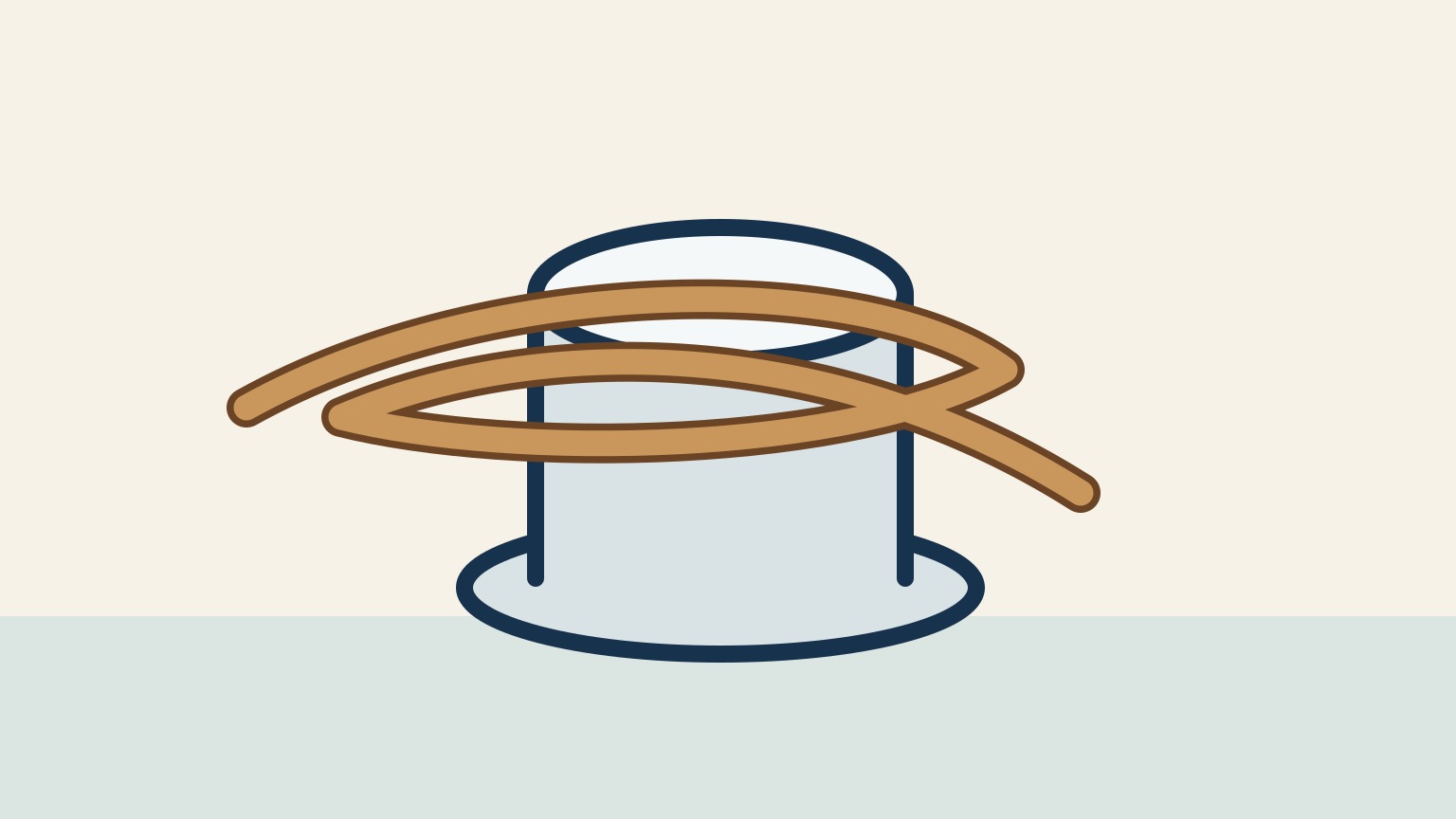
Before easing, remove the handle if the setup requires it and secure every other control that depends on the line. Keep a firm tail and ease friction gradually. The line can accelerate as wraps come off. Hands stay on the tail outside the drum, never between wraps or near the self-tailing jaws.
After use, secure the working load on the clutch, cleat, or other fitting intended for it before releasing the tail. Remove the handle and stow it. Check the rope for glazing, flattening, or damage and the winch for unusual sound, stiffness, or movement.
Practise in light load with supervision before handling a heavily loaded sheet. The article on what a sailing winch does explains the mechanics, while cleat hitches covers a different method of securing line without confusing the two systems.
Learning how to use a sailing winch includes knowing how to release its load smoothly. First, confirm the skipper’s command. Remove the winch handle and stow it where it cannot catch a line.
Keep light tension on the tail so the wraps still grip the drum. Your hold should be loose, but never slack. Use the heel or outside of your hand to peel the upper wraps away gradually while the line runs through your other hand. Keep your fingers away from the wraps.
On a self-tailing winch, follow two clear steps: ease the line away from the gripping jaws first, then remove turns from the drum. Follow the skipper’s direction and check the boat or winch manual for the correct method and equipment limits.
Do not let the line surge. Sheet loads on a cruising yacht can be very high, and a sudden release can make the wraps cross and form a jam called a riding turn. If the line crosses, jams, or behaves unexpectedly, stop. Hold the load if you safely can, and call the skipper rather than trying to free a loaded line alone.
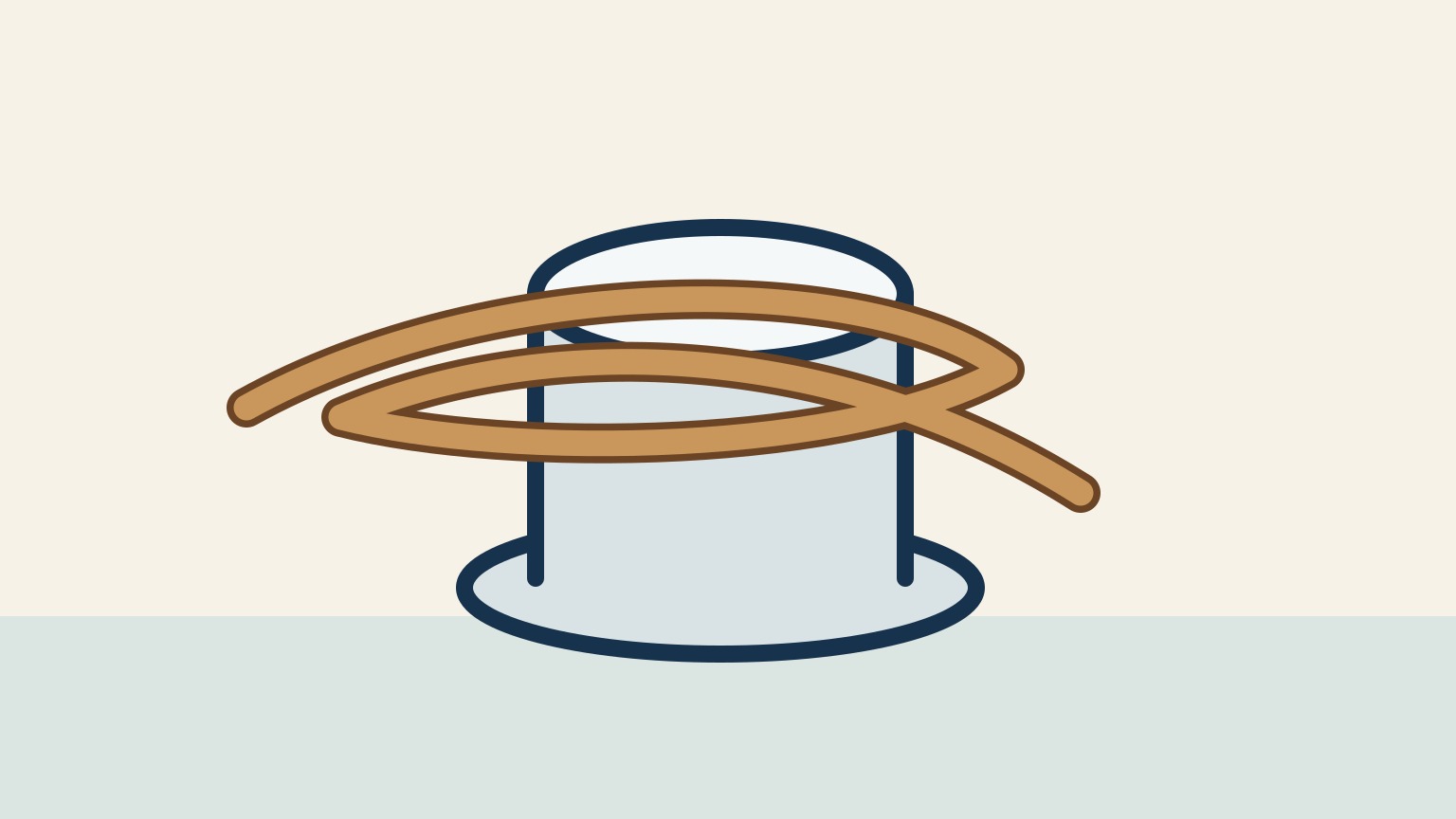
Using a sailing winch well starts with preparing the line before it takes load. Wrap from the bottom upward, keep tension on the tail as the handle turns, then secure the line before releasing the tail.
When you ease, keep your hand outside the wraps, with the back of your hand toward the drum. Let the line move slowly and steadily. A fast surge can cause a riding turn, where one wrap crosses another and jams. If the line jams, stop and ask the skipper rather than trying to fix it alone.
Wrap counts and equipment vary. Follow the skipper’s direction and the boat or winch manual.
Try the SailStarter lessons to practise loading, tailing, securing, and easing a winch step by step.
Try it from the lesson
Can you spot the next move?
You are about to load a sheet. Which way do you wrap it when looking down at the drum?
Why you can trust this guide
. We build each guide from public seamanship and safety sources, then teach the universal principle before any local difference.