Chart your course
Project Boat vs Sail-Ready Boat
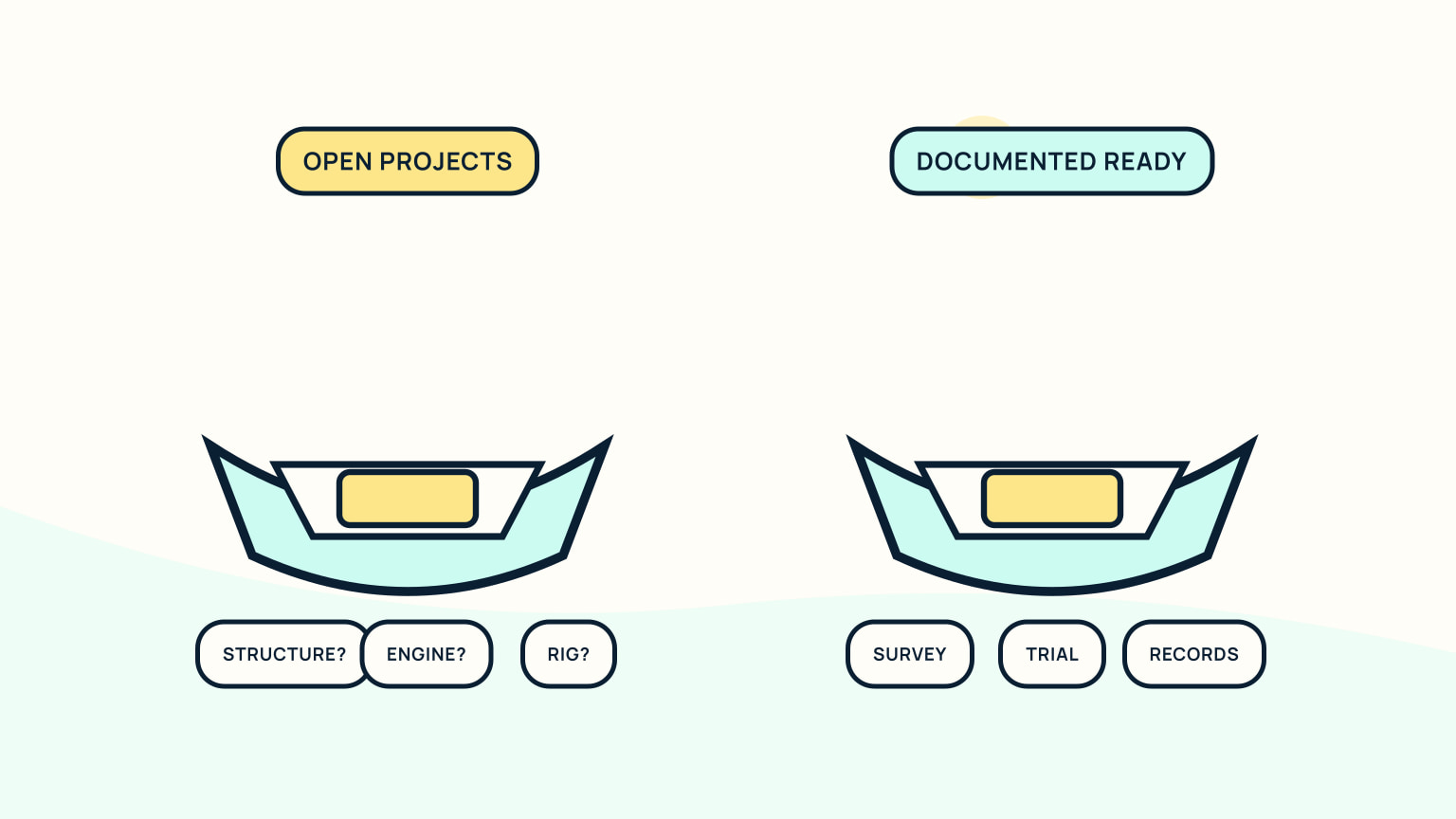
Quick answer
The short version
Choose between a project boat and a sail-ready boat by comparing two complete first-season plans. Define what “ready” means for your intended use, inspect both boats to the same standard, and price the work needed to reach that point. Include survey, haulout, specialist checks, parts, yard access, storage, commissioning, and time without sailing. Treat “sail-ready” as a seller's claim until evidence supports it. Treat a project as a set of specific jobs, not an adventure with no finish line. The better starting point is the one whose condition, work, timing, and uncertainty fit your actual budget and available hours.
This decision is personal, but it does not have to be vague. Some buyers enjoy rebuilding systems and have secure workspace, tools, and skilled help. Others have limited weekends and want their first season to happen on the water. Neither preference makes a boat sound. A survey and trial still matter, and a low-work candidate can still contain serious defects. Use the true-cost guide for the money side and the framework below for time, access, and fit.
The gap between the two is work and evidence, not simply price.
| Dimension | Project boat | Sail-ready boat |
|---|---|---|
| Work before first sail | Specific jobs to reach the safe, serviceable finish line | Ideally none, though "sail-ready" is a seller's claim until evidence supports it |
| Evidence needed | Each job needs a defined finish and documented evidence it's reached | Records, survey, and trial should confirm the claim, not just a clean deck |
| Time to first sail | Depends on owner hours, paid labour, parts, and yard access | Can be sooner, if the evidence actually holds up |
| Best fit for | Buyers with secure workspace, tools, skilled help, and time | Buyers with limited weekends who want the first season on the water |
| Risk to watch | Uncertain scope, such as a damp deck needing further investigation | A low-work appearance can still hide serious defects |
Define the first season
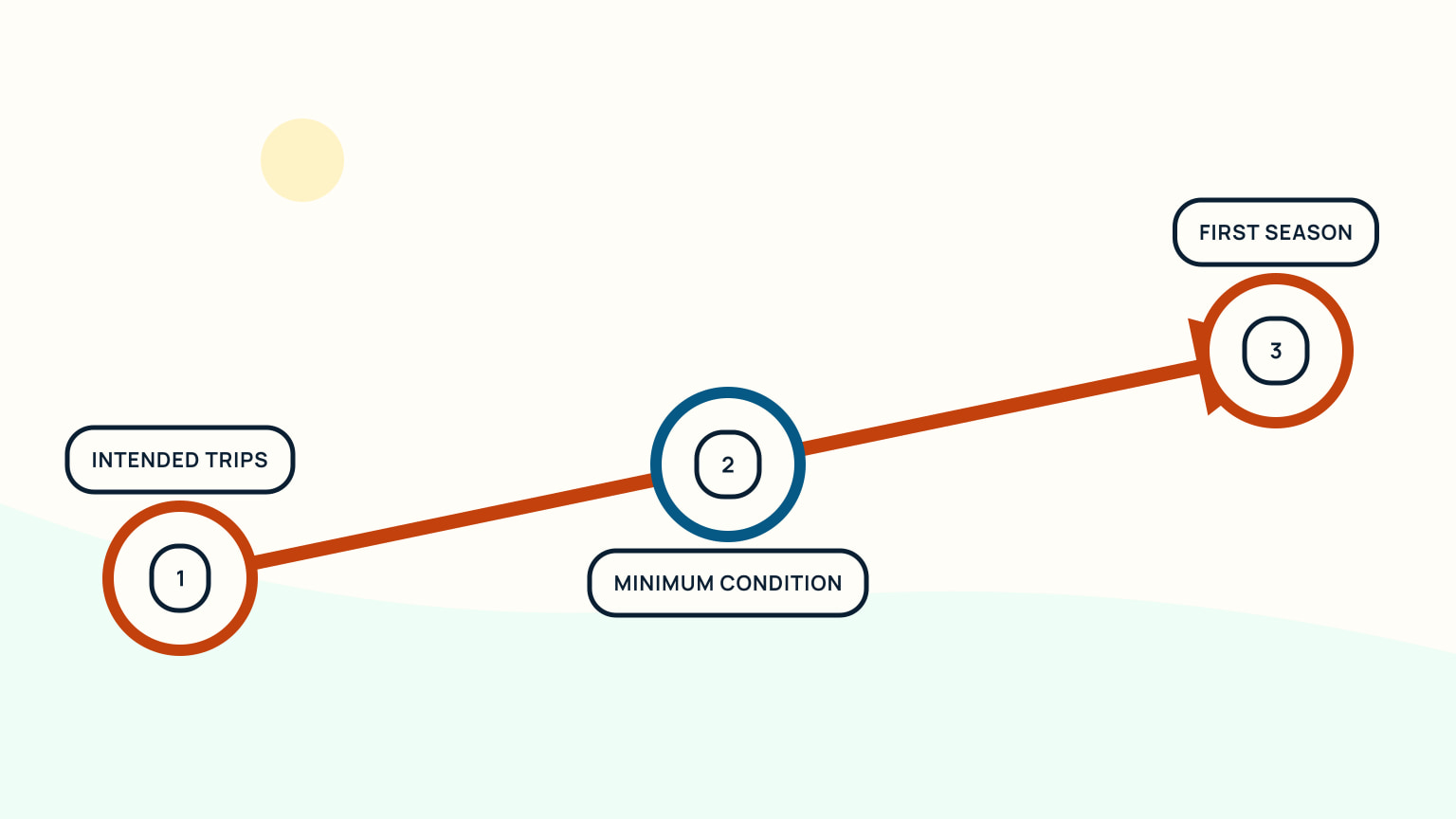
Write down what you expect to do during the first twelve months. Local day sailing, club racing, coastal trips, and living aboard ask different things of the boat. Name the regular crew, storage arrangement, waters, trip length, and minimum equipment you truly need. Avoid adding distant plans that may never shape the first season.
Now define a safe, serviceable finish line. It should include sound structure, watertightness, reliable steering and propulsion appropriate to the boat, a rig fit for the intended sailing, required safety work, and any local compliance. It does not need perfect paint, new upholstery, or every modern convenience.
For each candidate, mark what can be used now, what needs confirmation, and what must change before that finish line. This keeps a project from shrinking on paper and stops “ready” from meaning merely clean and attractive at the dock.
Put a date beside the finish line and list the evidence required to declare it reached. “Engine reliable” becomes documented service, cold start, trial under load, no unresolved alarms or leaks, and any specialist recommendation closed. “Rig ready” depends on the survey scope and the sailing planned. Avoid turning comfort into safety by habit. A fridge, new plotter, or bright cabin may matter to your crew, but they belong in the minimum only when the first-season use truly depends on them. This exercise protects a project from endless expansion and gives a sail-ready candidate a fair test.
Measure the work honestly
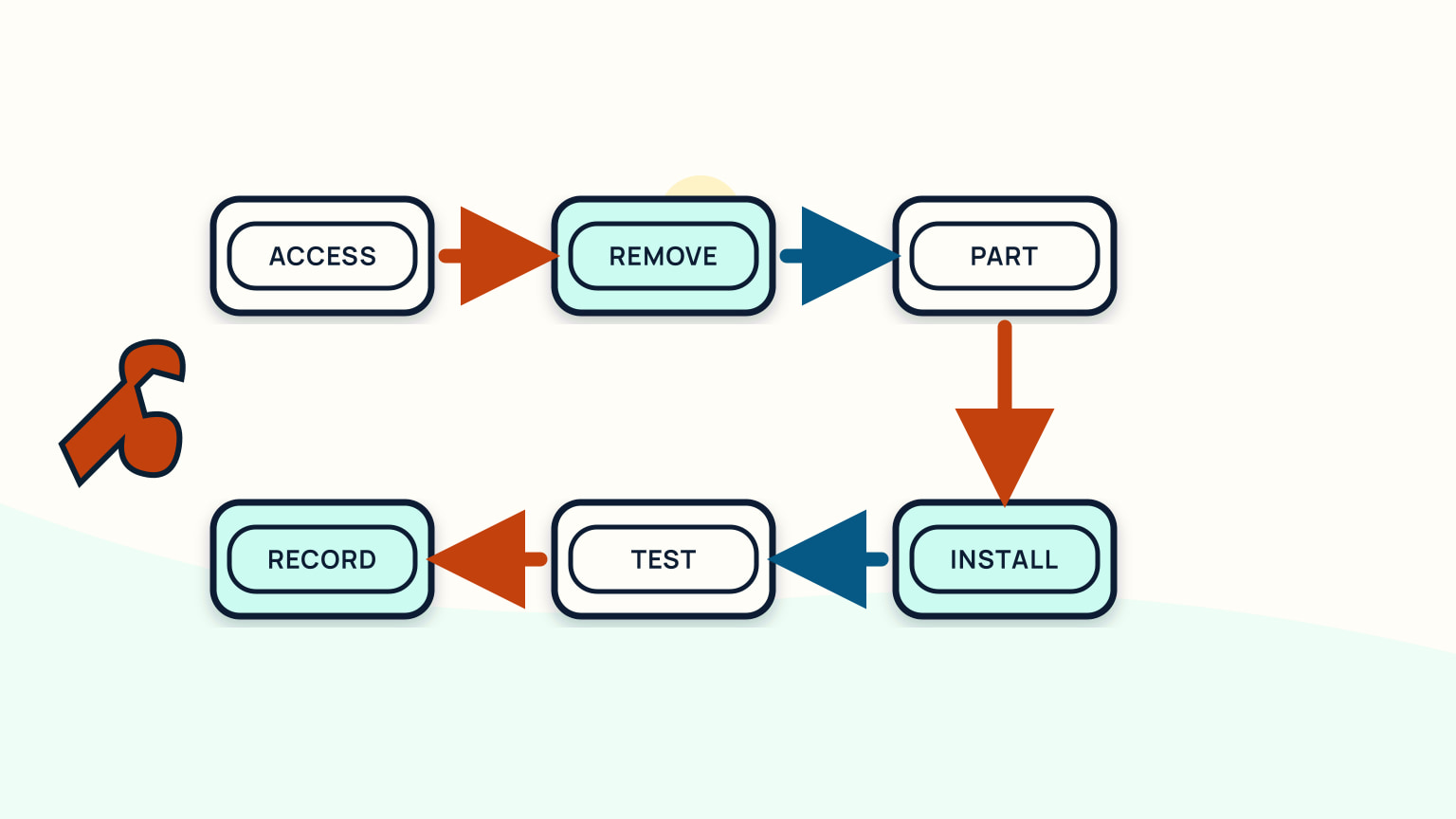
Break a project into systems and access steps. “Rewire boat” becomes survey the existing installation, define the required circuits, remove unsafe work, obtain a design, source compliant parts, open access, install, test, label, and document. You may not do every step yourself. The purpose is to expose the real sequence.
Estimate owner hours separately from paid labour. Include research, travel, parts collection, setup, cleanup, waiting for cure, and return visits. Add yard, haulout, mast, storage, disposal, and commissioning costs where they apply. A cheap part behind cabinetry may be a large project. A costly accessible part with clear instructions may be predictable.
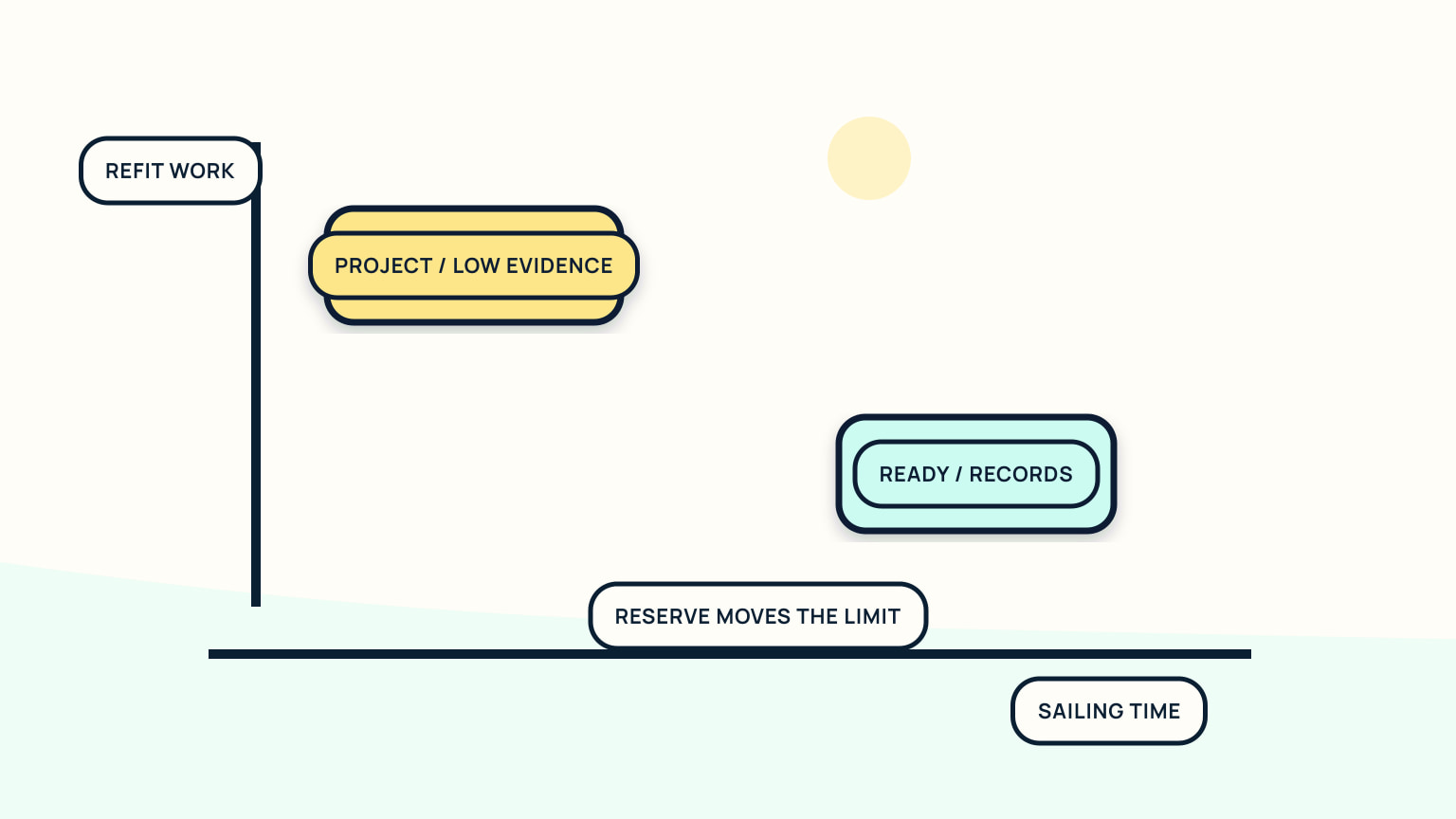
Test the schedule against weather, yard rules, specialist availability, and your normal life. If the plan needs every weekend to go perfectly, it has no reserve. Decide whether a missed season would still leave you glad you bought the project.
Separate uncertain scope from difficult scope. A known sail replacement may be expensive yet straightforward to quote. A damp deck with no mapped boundary may cost less or much more, but first it needs assessment. Put these in different columns. For each uncertain item, price the next investigation rather than the imagined repair. This helps you compare boats without padding every gap to a worst case or dismissing it as nothing. It also shows which questions must be answered before an offer and which can wait until ownership without threatening the first season.
Test access and support
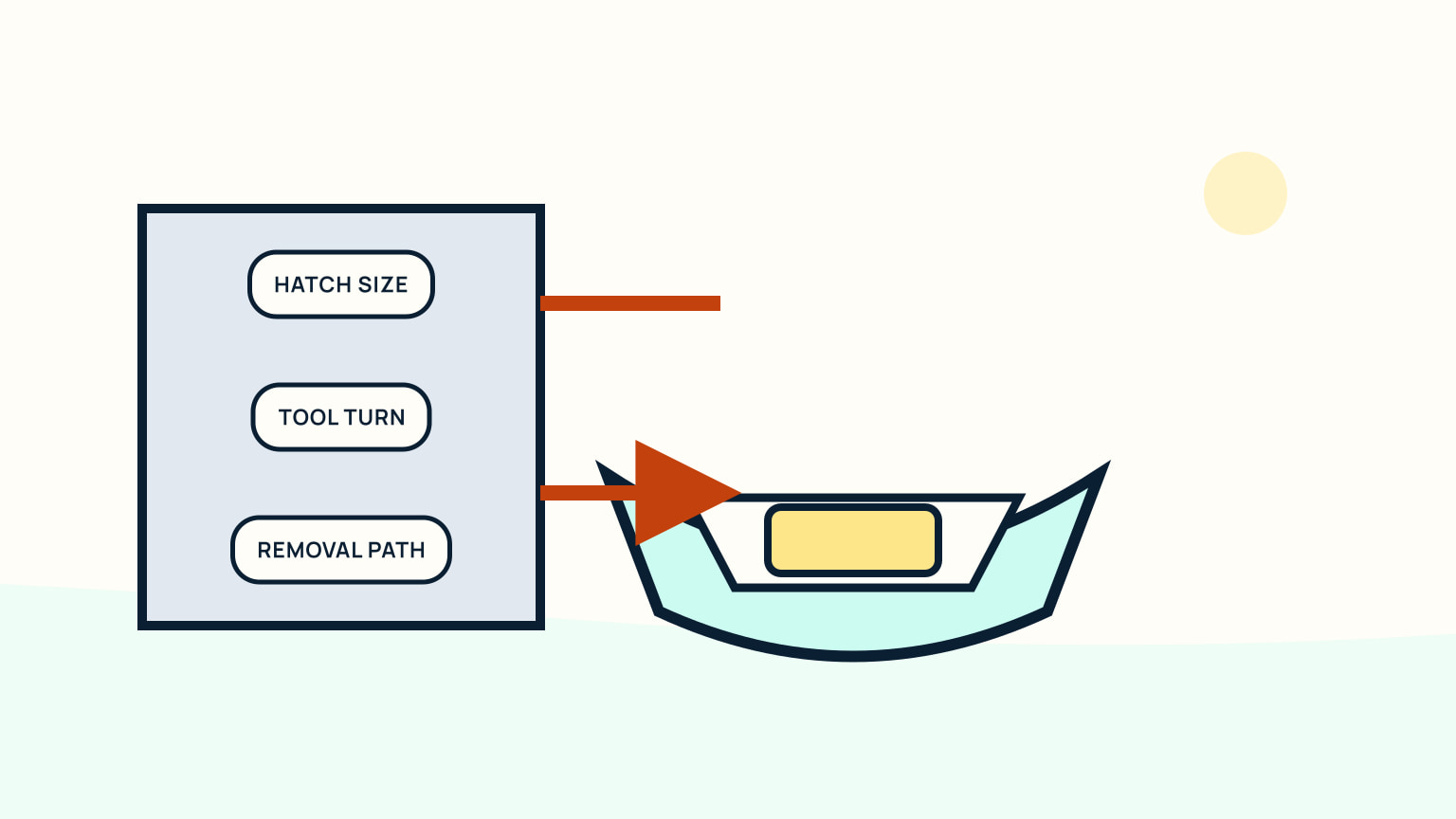
Inspect the route to every major service point. Can you reach batteries, filters, belts, seacocks, pumps, steering connections, chainplates, tanks, and shaft or saildrive components? Can a replacement component leave without cutting structure? Is there safe room for tools and two hands? Poor access adds hours to routine work and can hide condition.
Support matters beyond the boat. Confirm where it can be stored, lifted, or worked on and what the yard permits owners to do. Identify surveyors and the engine, rig, electrical, composite, or drive specialists the project may need. Check that manuals and parts support exist for installed models before assigning value to them.
A sail-ready boat benefits from the same access review. Easy inspection supports ongoing maintenance and makes future changes easier to diagnose. Good access is not glamorous in a listing, but it shapes every year of ownership.
Consider where removed pieces go. A project boat can fill its own cabin with sails, doors, cushions, tools, and dismantled systems until every later job takes longer. Price secure dry storage and a method for labelling parts. Ask whether the yard supplies power, water, waste handling, scaffolding, or weather cover and what it forbids. For afloat work, check that the task can be contained without polluting the water or disabling an essential system. The cheapest workspace may create the most lost time if access hours, travel, or rules do not fit your plan.
How do you read evidence of condition?
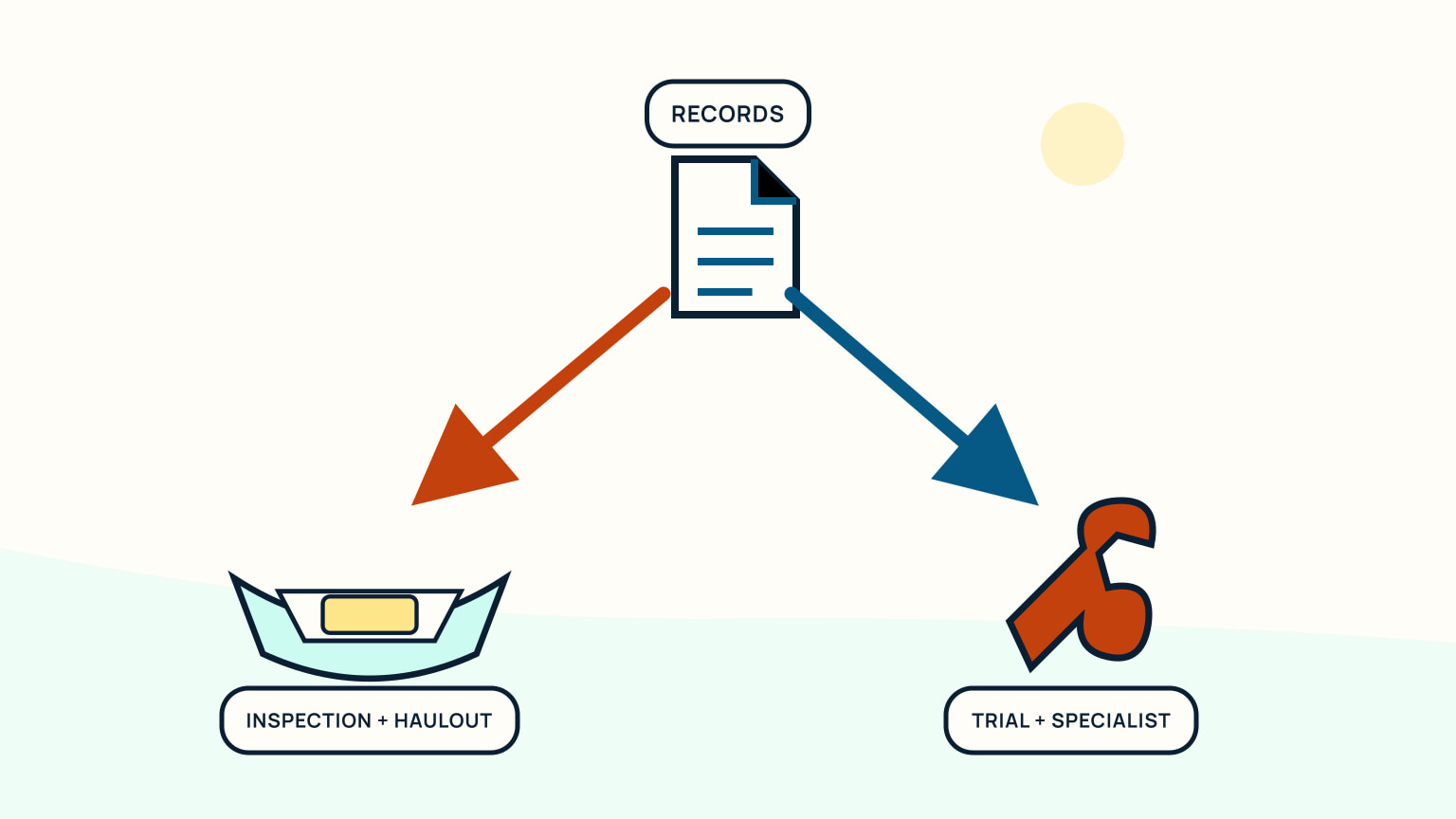
Compare invoices, service records, manuals, serial numbers, survey findings, photographs, and direct inspection. Records should match the equipment installed. A new-looking component with no identity or test result is not the same as documented commissioned work.
Arrange an independent pre-purchase survey where appropriate. A typical larger-boat survey may include an afloat inspection, haulout, and trial run. Engines and rigs can need separate specialists. Agree the scope and exclusions before the inspection so you understand what remains unknown.
Read findings by consequence and action. Structural movement, water intrusion, steering, propulsion, rigging, and required safety work shape the finish line. Cosmetic finish can wait. A “sail-ready” boat that needs immediate high-consequence work may be the larger project; a plainly unfinished boat with sound core systems may be easier to plan.
Look for evidence of how the boat was returned to service after earlier work. An invoice for parts is different from a completed installation with test results. Fresh paint around a fitting can be harmless, but it should not prevent inspection of the joint or fasteners. Ask what remains unfinished and who performed the work. On a project, partly dismantled systems may stop the surveyor from operating them. On a sail-ready boat, a short trial may still leave intermittent faults unseen. Record every exclusion and decide whether it changes the category.
How do you choose the better starting point?
Put both boats on one page. Compare purchase, transaction costs, confirmed first-season work, access, owner hours, paid labour, storage during delay, and contingency for named gaps. Add the expected date when each boat reaches the finish line. Do not give optional upgrades the same weight as unresolved structure or propulsion.
Then apply your preferences. If learning repair is part of the goal, the project can deliver value that a spreadsheet misses. If sailing time with family is the goal, buying a functioning baseline may protect it. Be honest about which activity you want on a cold Saturday: tracing a fault or leaving the dock.
Keep an exit condition. If survey findings, access, or specialist quotes push the project beyond your limit, leave it. The time already spent inspecting is useful; it is not a reason to buy.
Run one final test: remove the most attractive feature from each boat and ask whether the underlying choice remains sound. A beautiful interior should not compensate for unpriced structure. A low purchase price should not excuse a finish line you cannot fund. A new engine should not erase poor rig or deck evidence. Then reverse the test and identify the strongest practical advantage each candidate retains. This reduces the chance that one vivid detail controls a complicated decision. Keep the comparison dated because a new survey, quote, or seller document may change it.
Before choosing, run both candidates through the same used-sailboat inspection checklist and build a monthly maintenance plan. The comparison becomes clearer when each unknown has a next action and each task has a real access path. SailStarter lessons can help you understand the systems named in listings and reports, while your surveyor and specialists establish the condition of the individual boat.
Try it from the lesson
Can you spot the next move?
A wide sailboat glides past on two side-by-side hulls, barely leaning at all. What type is it?
Why you can trust this guide
. We build each guide from public seamanship and safety sources, then teach the universal principle before any local difference.