Chart your course
Is Sailing Hard to Learn?
Quick answer
The short version
Sailing is not too hard for most beginners when instruction starts with one practical task at a time. You can take the helm, handle a simple rope, or help set a sail during an introductory session. A good program builds each lesson around a short brief, one attempt, and a debrief, so you are never asked to manage every rope, sail, and decision at once. The harder part is combining those actions while noticing wind, water, traffic, and crew. That ability develops through supervised practice rather than theory alone. Dinghies give quick feedback and can feel physical; keelboats are steadier and let a crew divide the work. Neither is the only correct starting point. Choose a recognized school or club, ask for meaningful time afloat, and practise regularly on a suitable boat. You do not need to own a boat or know all the terminology before beginning.
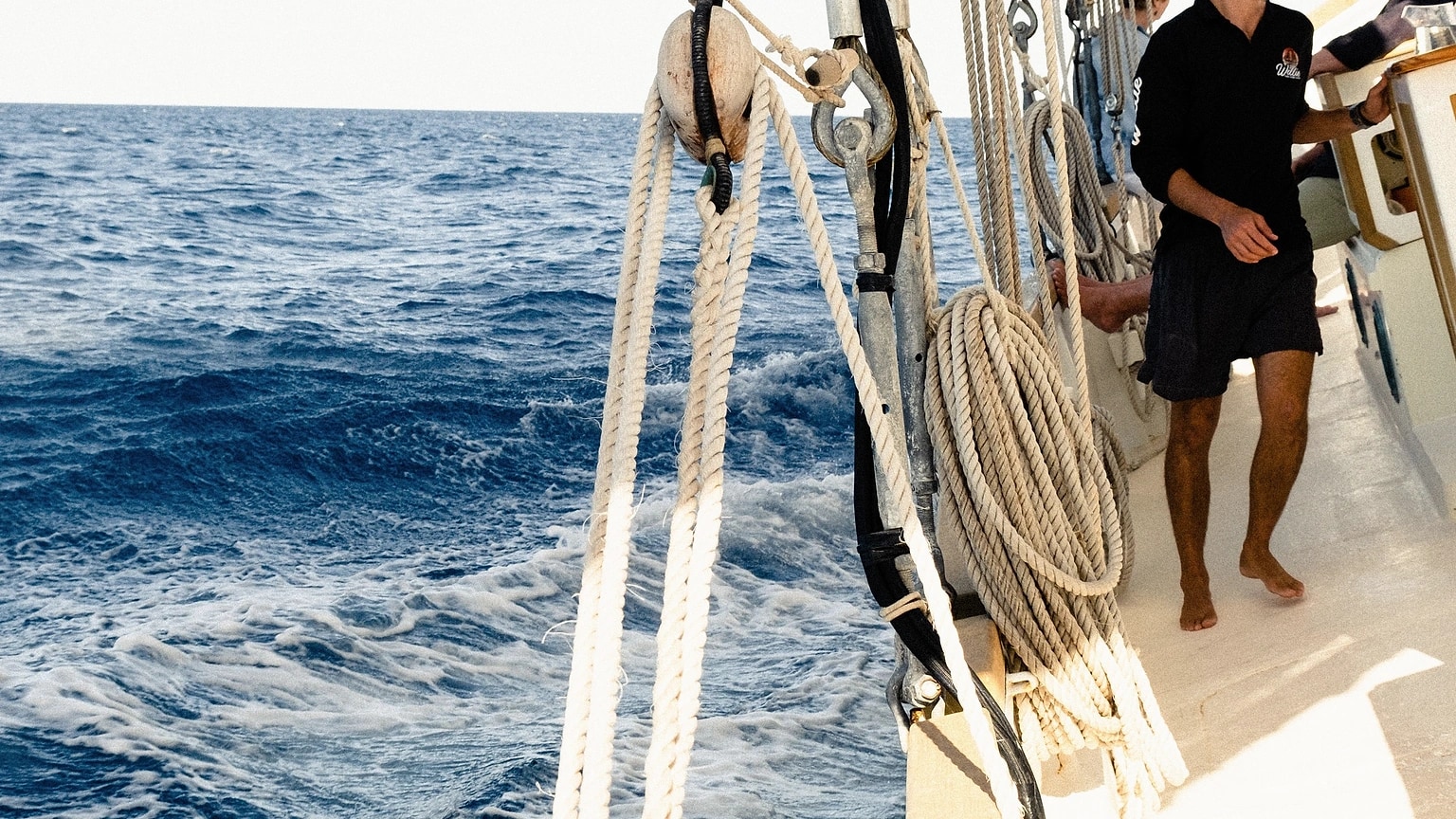
Sailing can look complicated from shore because many parts are visible at once: lines, sails, controls, movement, and unfamiliar language. A beginner lesson should not ask you to manage all of them immediately. The instructor briefs a task, demonstrates it, lets you try, and then reviews the result. Each small success frees attention for the next layer, and instructor guidance is built around exactly this pattern because achievable early tasks are known to ease the nervousness many people feel on their first sail. Difficulty also changes with the boat and conditions. A calm, sheltered lesson on a suitable training boat is a different problem from taking charge of an unfamiliar boat in demanding weather. Start with the first problem, not the last one.
What Does a Beginner Learn First?
Early practical tasks can include steering toward a point, keeping lookout, handling a sheet or halyard, moving safely aboard, and following the sequence of a simple maneuver. You may also learn the main boat directions, the names of a few key parts, and the safety routine for the session. These are concrete actions, not an exam on nautical vocabulary. If you want a fuller picture of how a typical first outing runs, what to expect from a first sailing lesson walks through the same brief-task-debrief pattern in more detail.
Good instruction keeps the task small enough that you can act and notice the result. The instructor briefs what you are about to try, demonstrates it once, and then lets you attempt it yourself before reviewing what happened. When you steer, look at where the boat points and how it responds. When you adjust a sail, watch its shape and the boat's motion. The instructor can add the correct terms while the experience gives them meaning, which is why naming a part after you have already held it tends to stick better than memorizing a diagram beforehand.
Expect guidance. Completing a task with prompts is an early milestone, not evidence that you should now do it alone. A common mistake is treating one supported success as proof of independence, then feeling discouraged when the next attempt needs help again. Ask to repeat the action instead so the sequence begins to feel familiar, and tell the instructor which part of it you had to think hardest about. That detail helps them choose what to brief next.
Why Does Time Afloat Matter?
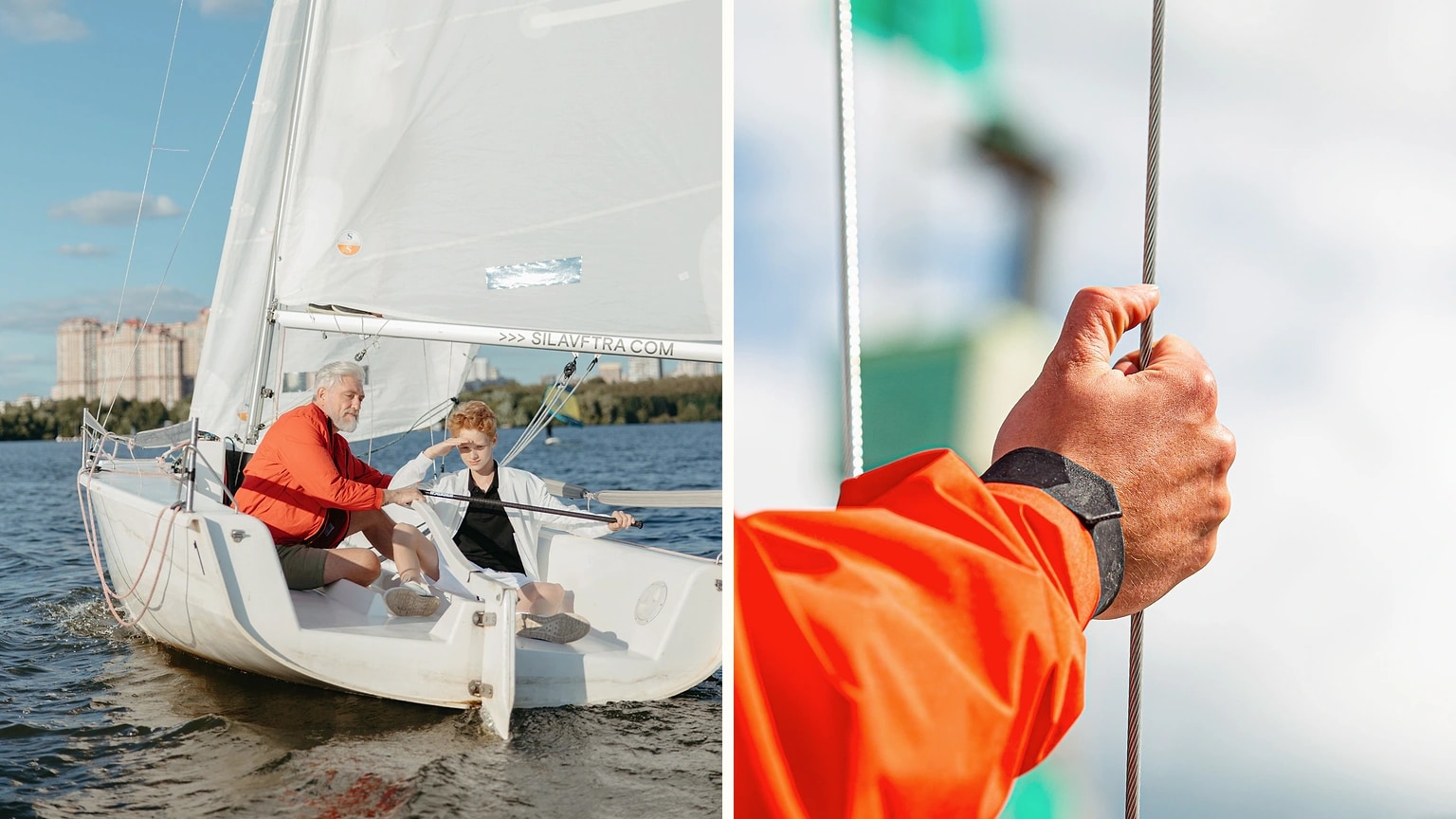
Books, videos, and online lessons can explain vocabulary, show a maneuver, and help you picture the order of actions. They are useful preparation, especially when you review the exact topic you will practise next, and you can start that preparation without owning a boat. What none of it can provide is the pressure on a tiller, the pull in a rope, or the changing timing of wind and waves.
Practical instruction closes that gap. Take steering as an example. A video can show you which way to move the tiller to turn the bow, but only the boat can show you how much movement is needed on that particular hull in that particular gust, and how quickly the response arrives. You try the task on real equipment, receive feedback, and connect the outcome to what you did. The debrief helps you name the useful cue, such as the change in pressure on the tiller as the boat turns, and decide what to change on the next attempt.
Use theory to make water time less crowded, not to postpone getting afloat until you feel perfectly prepared. Learn a few basic directions and controls, then book a supervised session. Return to the explanation afterward. It will often make more sense once you have felt the boat respond, because the words now attach to something you have already done rather than something you are trying to imagine for the first time.
Which Beginner Boat Makes Learning Easier?
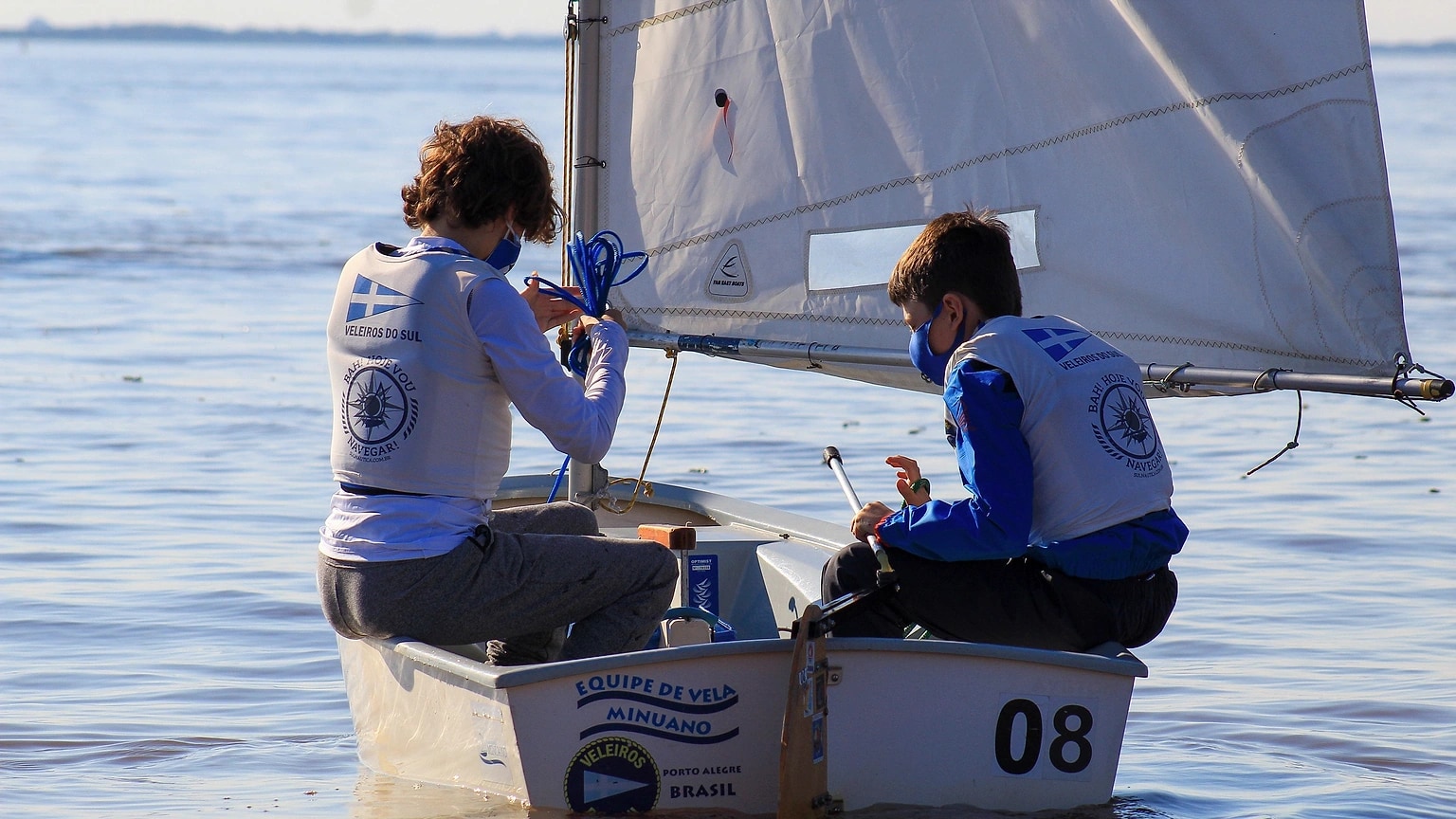
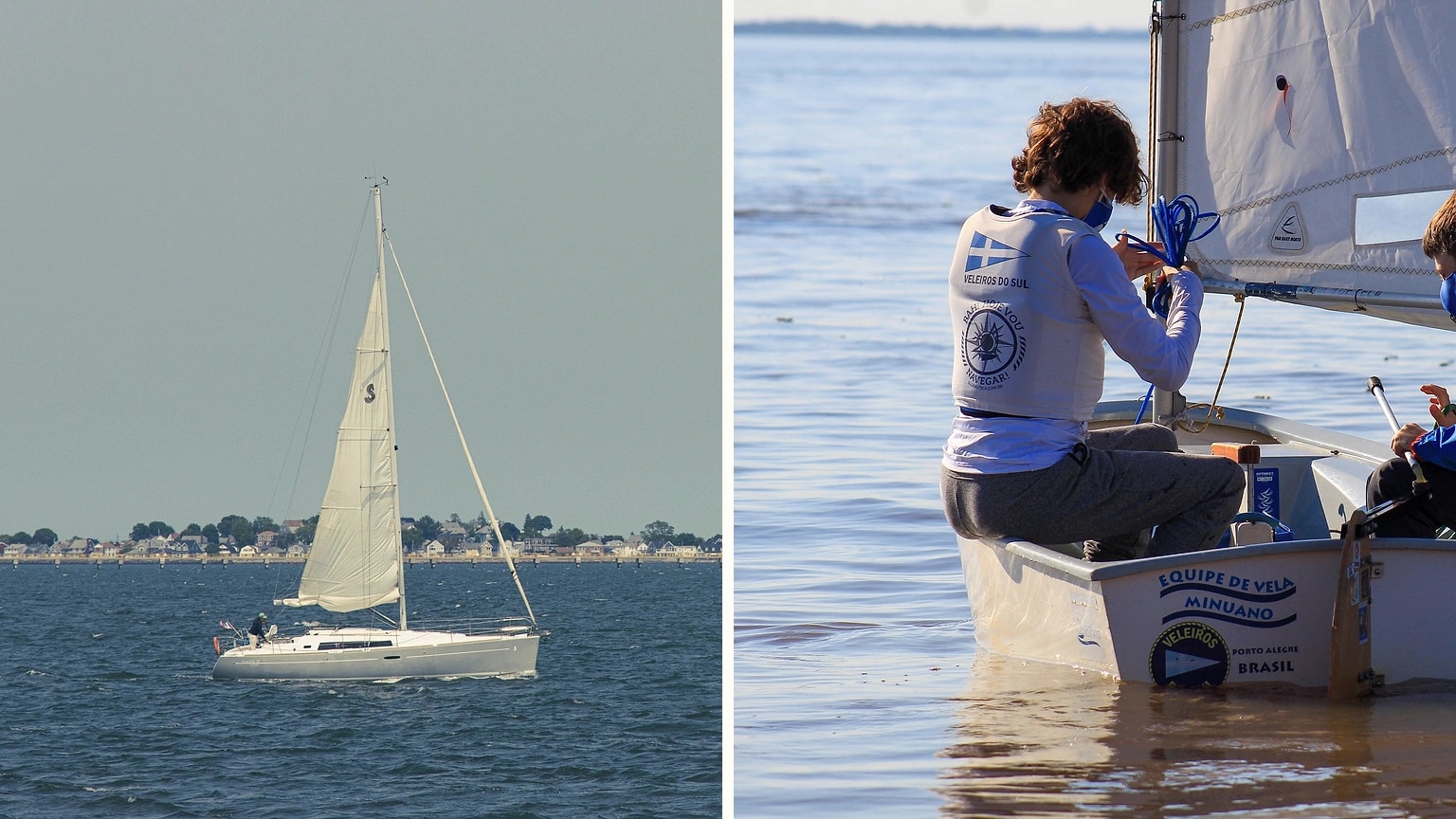
The easier boat is one that suits you, the teaching goal, the venue, and the conditions, not a boat that is universally "beginner-friendly." A dinghy is light and responsive, and it is generally simple to launch or transport, which is part of why so many clubs use it for entry-level teaching. It shows the effect of steering, sail setting, and crew position clearly, but it can be more physical and exposed to wind and spray. A keelboat is larger and steadier, and because two or more people usually share the jobs aboard, you can start by owning one task, such as trimming a sheet, while an instructor or crewmate handles the rest. It can also bring more equipment and systems into the picture, from a larger engine to more complex rigging. Dinghy vs. keelboat sets the practical differences side by side if you are choosing between the two.
Try the route that connects to regular practice. If a local club has a strong dinghy program and accessible boats, that may be the most practical start, since frequent short sessions build the pattern recognition that makes sailing feel familiar. If your goal is yacht crewing and a school offers suitable keelboat instruction, beginning there can make sense instead, because the skills you rehearse should match the boat you actually want to sail later.
Tell the provider about mobility, confidence, or access concerns before booking. Ask how many learners share the boat, what equipment is provided, and what happens if conditions are unsuitable. The course should adapt the challenge without removing your chance to participate.
When Does Sailing Start to Feel Natural?
Familiarity grows when you repeat the same core actions often enough to recognize the pattern. You begin to steer without staring at your hands, prepare a rope before it is needed, and notice a change in the boat before someone explains it. That is not a fixed-hour transformation, and it is fair to ask how long it actually takes to learn to sail: the honest answer is that progress is capability-based rather than calendar-based. Equipment, conditions, instruction, local sailing environment, your own goals, and how often you practise all affect the pace, so two learners on identical courses can reach the same milestone at different points.
Keep the steps visible. After each session, record one task you managed with help, one you repeated without a prompt, and one that still felt rushed. Bring that final item to the next briefing so the instructor can plan around it instead of guessing. Short, regular sessions can support this progression because less of the sequence has faded between attempts; a gap of several weeks between sessions often means re-learning a step you had already managed once.
Confidence should follow capability. Being calm on a familiar boat in good conditions does not automatically prepare you for a new venue or harder weather, because the pattern you have recognized is specific to what you practised it on. Add difficulty gradually, one new variable at a time, such as a different boat, a busier stretch of water, or a stronger breeze, and return to guidance whenever the task exceeds your present experience.
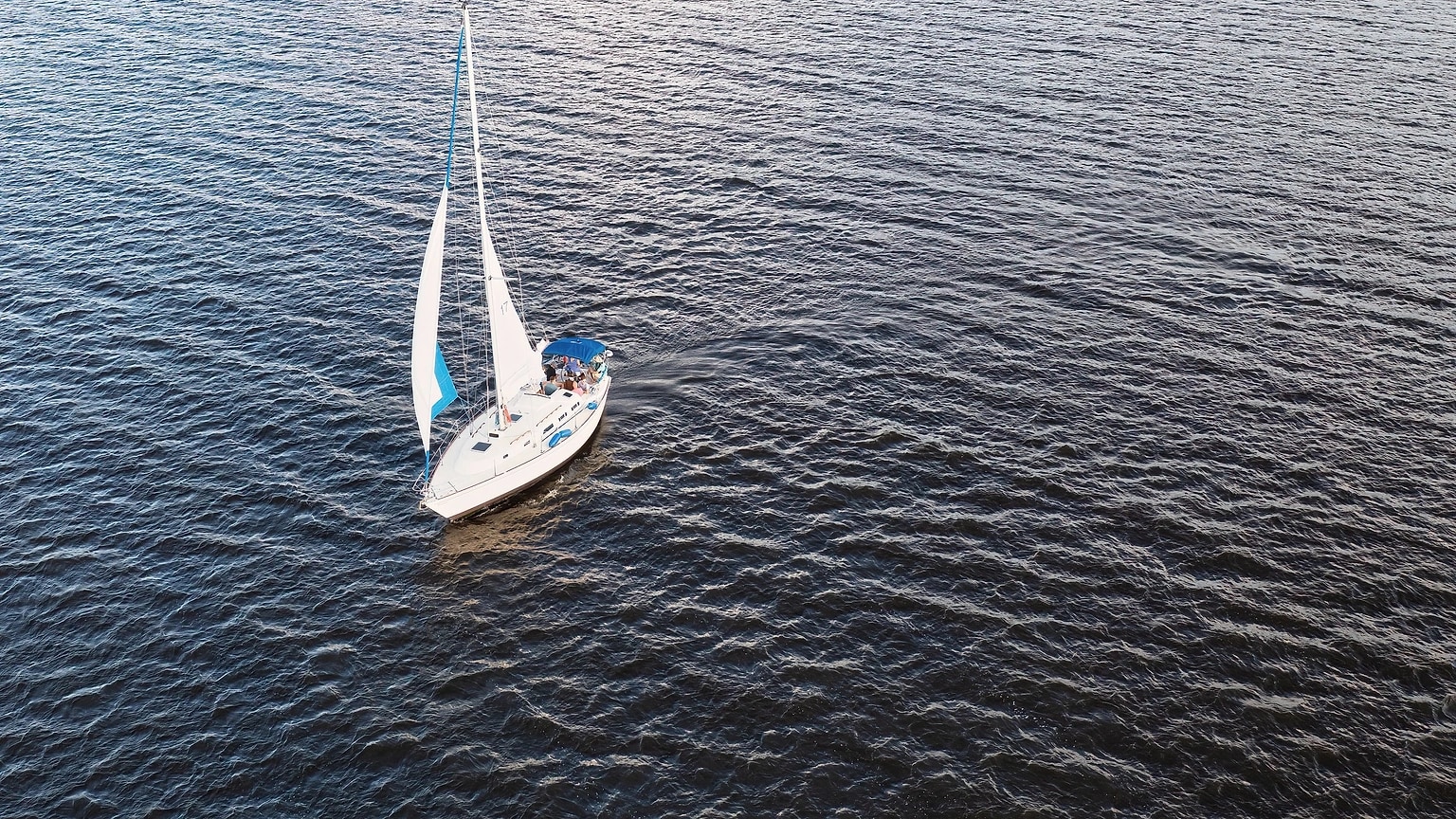
Begin with SailStarter's opening lesson, which introduces the boat and its language in short visual steps. Then use that preparation in a real session with a recognized local instructor or club. Ask to handle the equipment and take the helm when appropriate instead of remaining a passenger throughout. Afterward, resist the urge to label yourself either “a natural” or “bad at sailing.” Those judgments are too broad to guide practice. Name the exact task that felt clear and the exact point where you needed help. Review that point, try it again, and let the instructor add responsibility as your actions become reliable. Sailing does contain skills that take time, particularly the judgment needed to combine tasks in changing conditions. That does not make the activity inaccessible. It makes practice part of the activity. Your next useful goal is not to make everything easy. It is to make one more important action familiar.
Try it from the lesson
Can you spot the next move?
You turn to face the stern. A crewmate points at your right hand. Which side of the boat is that?
Why you can trust this guide
. We build each guide from public seamanship and safety sources, then teach the universal principle before any local difference.