Chart your course
Jib vs Genoa: What’s the Difference?
Quick answer
The short version
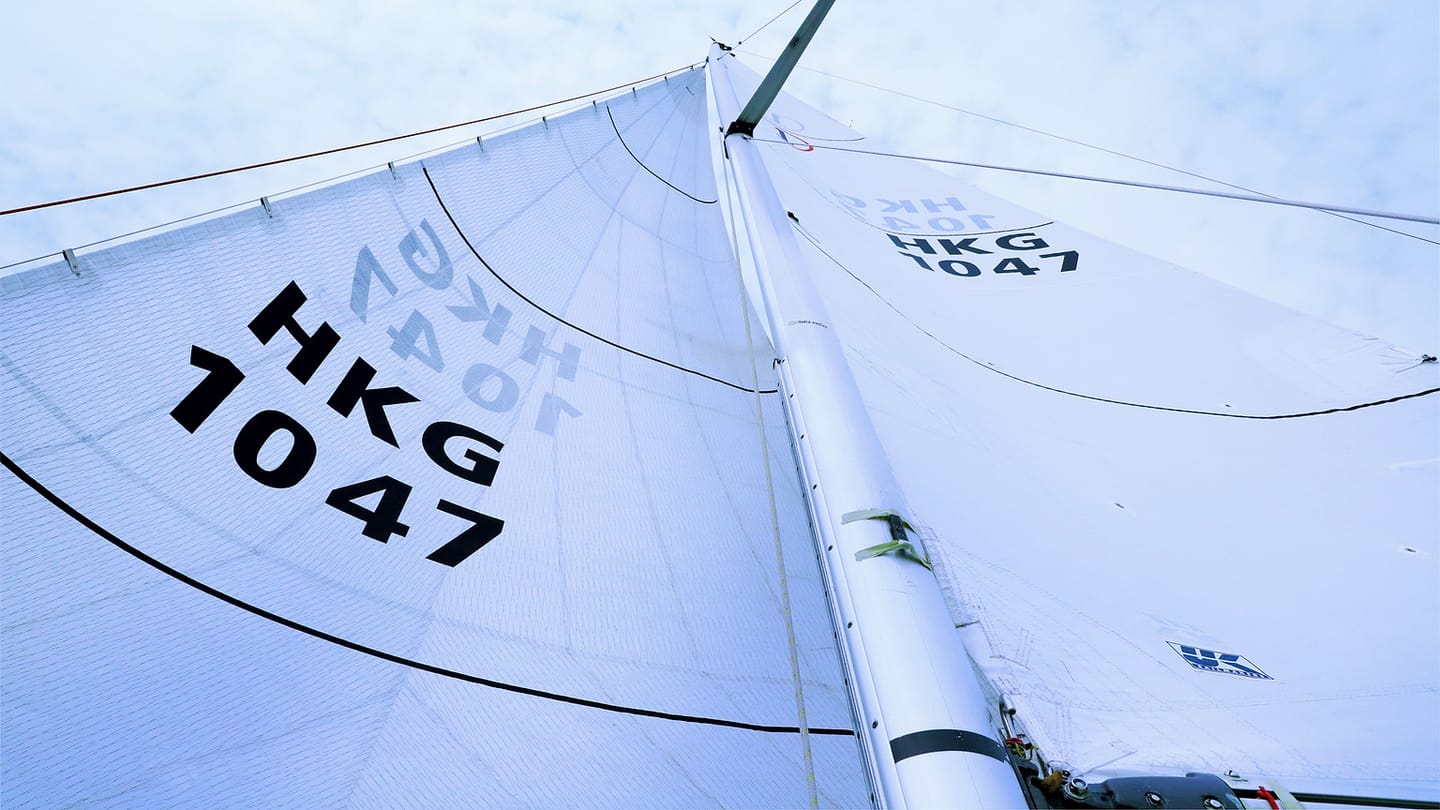
Both a jib and a genoa are headsails set forward of the mast. In common sailing usage, a jib does not overlap the mast by much or at all, while a genoa extends aft past the mast when set. That overlap gives the genoa more sail area, which can add drive in lighter wind. A smaller working jib is usually easier to tack, creates less load, and gives a clearer view forward as wind increases. Exact names and measured percentages vary among sailmakers and racing rules. On a cruising boat, identify the sail by how far it overlaps and by the sail plan made for that boat.
The distinction is useful because it explains handling, not because one sail is always better. Conditions, crew, rig, and intended sailing decide which tradeoff fits.
Before changing anything, identify the sail actually aboard. Check its label or sail inventory, then look at the complete shape when hoisted. A sail sold as a genoa may have different dimensions from another boat's genoa. The rig's own sail plan provides the useful reference.
Overlap past the mast is the one difference that drives everything else: area, tacking load, and visibility.
| Dimension | Jib | Genoa |
|---|---|---|
| Overlap past the mast | Little or none | Extends aft past the mast |
| Sail area | Smaller | Larger — adds drive in lighter wind |
| Tacking load | Easier, less load | More cloth and sheet travel around the mast and shrouds |
| Visibility from the helm | Clearer view forward | Can hide more of the leeward bow area |
| Best wind range | Handling and sightlines improve as the breeze builds | Can suit lighter air on a boat designed for it |
Locate Each Sail
Look ahead of the mast. The triangular sail there is a headsail. Its forward edge is the luff, its lower edge the foot, and its aft corner the clew. Sheets attached near the clew control the sail from the cockpit.
If the clew and leech extend aft of the mast when the sail is set, you are looking at an overlapping headsail commonly called a genoa. A smaller non-overlapping headsail is commonly called a jib.
Also locate the forestay or furling foil, halyard, tack attachment, sheet leads, and winches used for that sail. This turns recognition into a handling map. The mainsail is aft of the mast and attached to the boom, so it should not be confused with either headsail term.
Compare Overlap
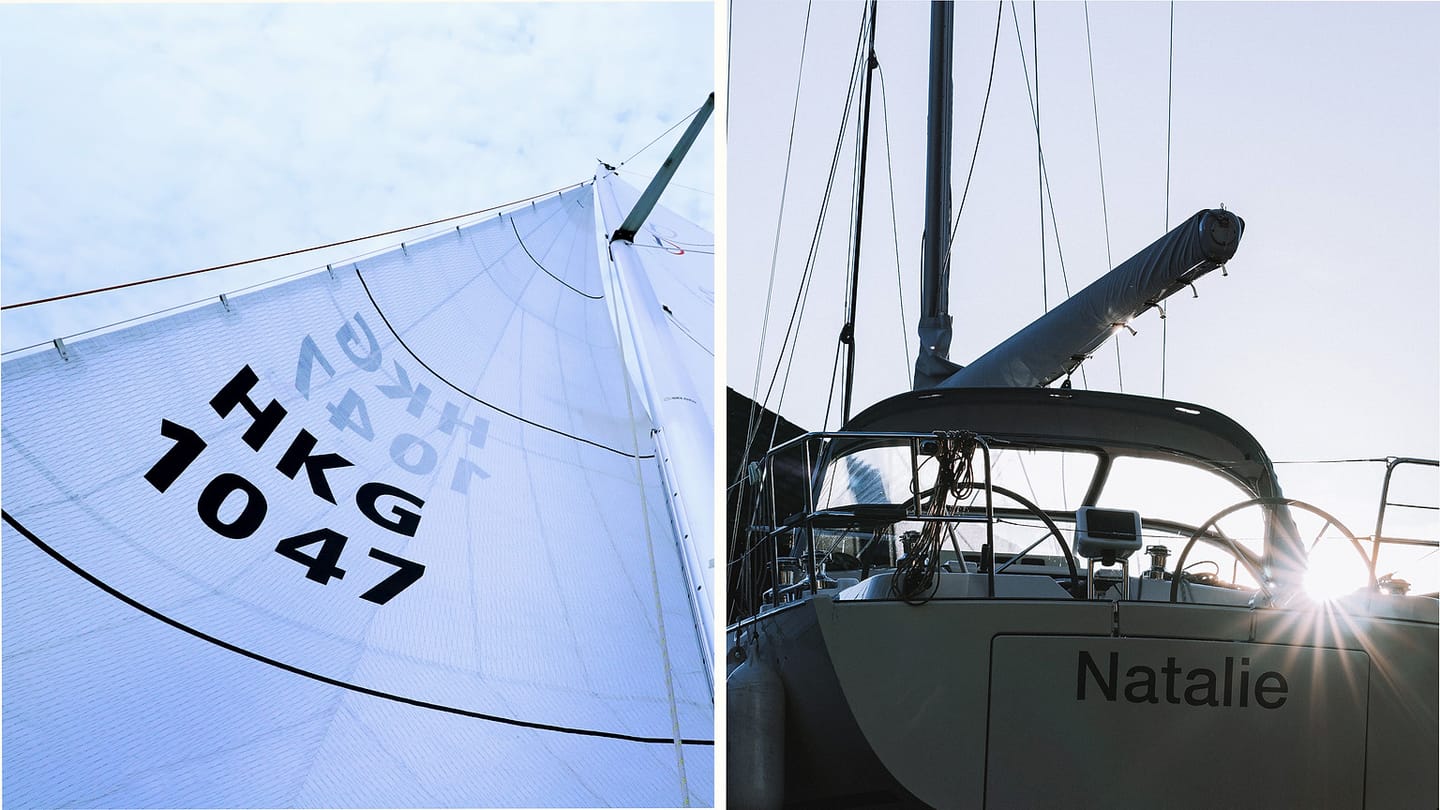
Sailmakers describe overlap by comparing a headsail measurement with the foretriangle of the rig. Beginners do not need the formula to recognise the effect. More overlap places more cloth behind the mast. Less overlap leaves the clew farther forward.
More area can provide useful power in light air. It also increases sheet travel, loads, and the amount of sail that must pass around the mast and shrouds during a tack. The actual cut matters as much as the label.
Overlap can also affect visibility from the helm. A large sail may hide more of the leeward bow area, so the crew must maintain an effective lookout rather than peering from one fixed position. A smaller jib can improve the view, though no sail removes the skipper's lookout responsibility.
How do you choose for the conditions?
A working jib often becomes easier to handle and see around as the breeze builds. A larger genoa may suit lighter air on a boat designed for it. Follow the sailmaker's and skipper's guidance for changing or reducing sail before loads become difficult.
Roller furling can expose less of one headsail. Partial furling is convenient, but the resulting shape is not identical to a purpose-built smaller sail. Learn the operating limits of the installed system.
Make the decision before handling becomes rushed. Review the forecast, expected wind range, crew strength, and the sail-changing or furling method. A sail that is manageable at the dock can carry much higher loads when filled. Follow the boat's sail-reduction plan rather than using discomfort as the first trigger.
Handle and Trim
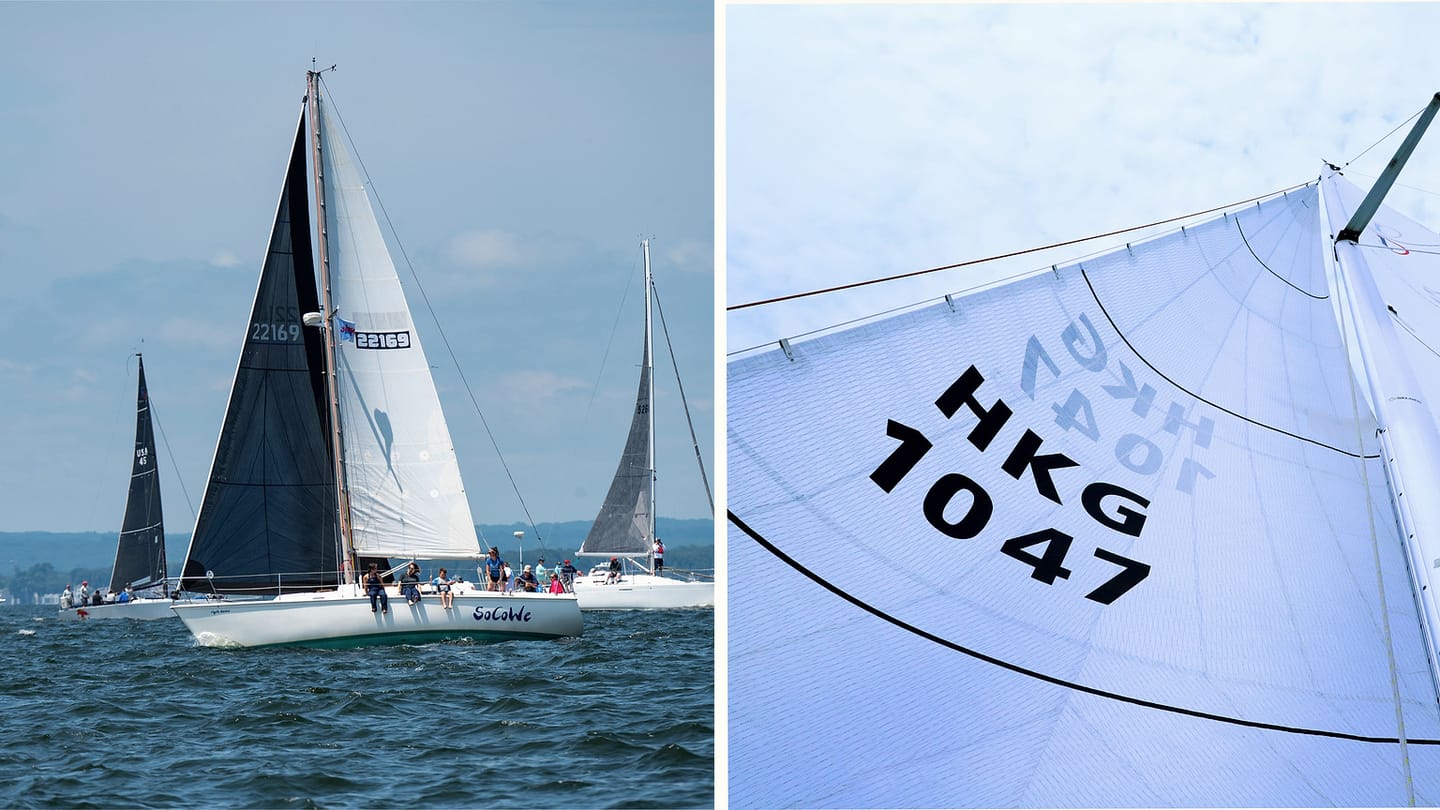
During a tack, release the old working sheet and trim the new one without letting rope wrap around hands or body. Keep clear of the loaded sheet and winch. The timing and commands should be agreed before the turn.
Sheet tension and lead position change the sail's shape and twist. Make one adjustment at a time and observe the whole sail. A correctly identified genoa still performs poorly if its sheet is led or tensioned badly.
After the tack, check that the sheet runs cleanly and the sail is not caught on a fitting. Trim progressively while watching the luff and overall shape. If a turn fails, ease the load and follow the skipper's recovery plan. Pulling harder on a fouled sheet can increase the problem.
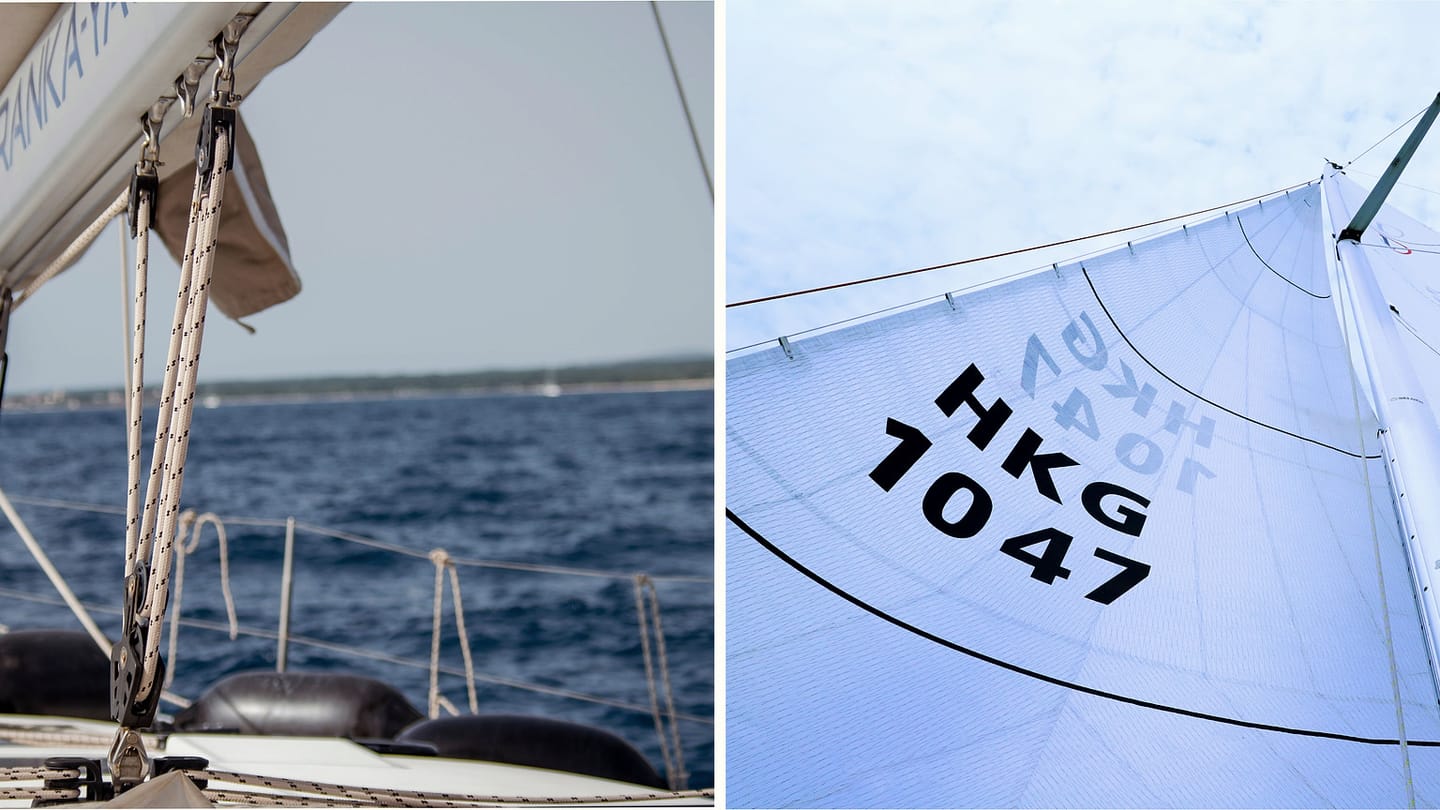
Identify the sail from its overlap
Both sails set ahead of the mast, so location alone does not settle the name. Look at where the clew and leech sit relative to the mast when the sail is trimmed. A genoa overlaps the mast and mainsail area, while a non-overlapping jib finishes forward of that reference. Boat owners may use more specific inventory names, so confirm the sail's label and design rather than guessing from colour or apparent size.
The parts of a sail guide gives you the corner and edge names needed for this check. The types of sails guide places both headsails within the wider sail inventory.
Compare handling before choosing
A larger overlapping headsail creates more cloth and sheet travel during a tack. Check whether the clew must pass around shrouds, mast, or other rigging and how the sheet leads to its track and winch. A smaller jib can be easier for a short crew to move, but the actual effort depends on boat size, wind, gear, and the sail's cut.
Ask how the boat changes headsails or reduces area. Some boats carry separate sails. Others use roller furling to store or partly reef one headsail. Partly rolling a genoa reduces area but can change its shape. Follow the sail and furler maker's guidance rather than assuming every amount of roll produces an efficient working jib.
Trim the sail that is fitted
Start with course and apparent wind. Ease until the luff begins to flutter, then trim until it stops. Use telltales as local airflow clues and check the whole sail for twist and contact with rigging. Move one control at a time so you can see the result.
If the sail is over-trimmed, the boat may carry extra load without better flow. If it is too loose for the course, the luff will not settle. The telltales guide and common trim mistakes give you a repeatable diagnostic loop.
Choose for the boat's normal sailing
Write down the usual wind range, points of sail, crew size, tacking space, and available handling gear. Then ask a sailmaker or experienced boat-specific adviser how each headsail fits that use. There is no universal winner. A genoa's added area can suit some light-air plans, while a smaller jib may suit easy tacking and stronger conditions.
Do not compare only quoted area. Look at condition, cloth, shape, reefing or change method, and whether the crew can control the sail on both sides of a tack. The useful headsail is the one that matches the rig, expected conditions, and people who will actually handle it.
SailStarter's sails lesson gives you a simple recognition drill. Stand where you can safely see the complete rig and identify the mast, forestay, headsail luff, foot, leech, clew, and both sheets. Then look for overlap aft of the mast. Ask which sail is fitted, which wind range it was cut for, and whether the boat reefs it by furling or changes sails. Those questions connect the vocabulary to the actual handling plan.
Repeat the drill with the sail furled or lowered. Trace each sheet from clew to lead and winch, and find where the halyard and tack connect. Ask the skipper to explain the change or reefing sequence before departure. Recognition should lead to safe preparation, not stop at naming the cloth.
If the inventory includes both, ask an experienced skipper to rig each in suitable conditions. Photograph the clew and leech position from the same viewpoint and note the sheet lead. Watch how much cloth crosses the foretriangle during a tack and how the crew handles it. This comparison removes differences caused by boat size and deck layout.
Record the wind, course, sea state, and sail setting. Avoid turning one short trial into a universal performance claim. The purpose is to learn how these two fitted sails change visibility, load, tacking work, and balance on this boat.
Before buying, ask which headsail the rig and sailmaker specify, what conditions are most common, how many people normally tack it, whether the boat changes sails or uses a furler, and what condition the existing sail is in. Include storage and handling ashore. A name on the bag cannot show remaining service condition.
Choose from evidence aboard, then keep notes for the next crew.
Try it from the lesson
Can you spot the next move?
A halyard raises a triangular sail. Which corner does it attach to?
Why you can trust this guide
. We build each guide from public seamanship and safety sources, then teach the universal principle before any local difference.