Chart your course
Lee Helm Explained
Quick answer
The short version
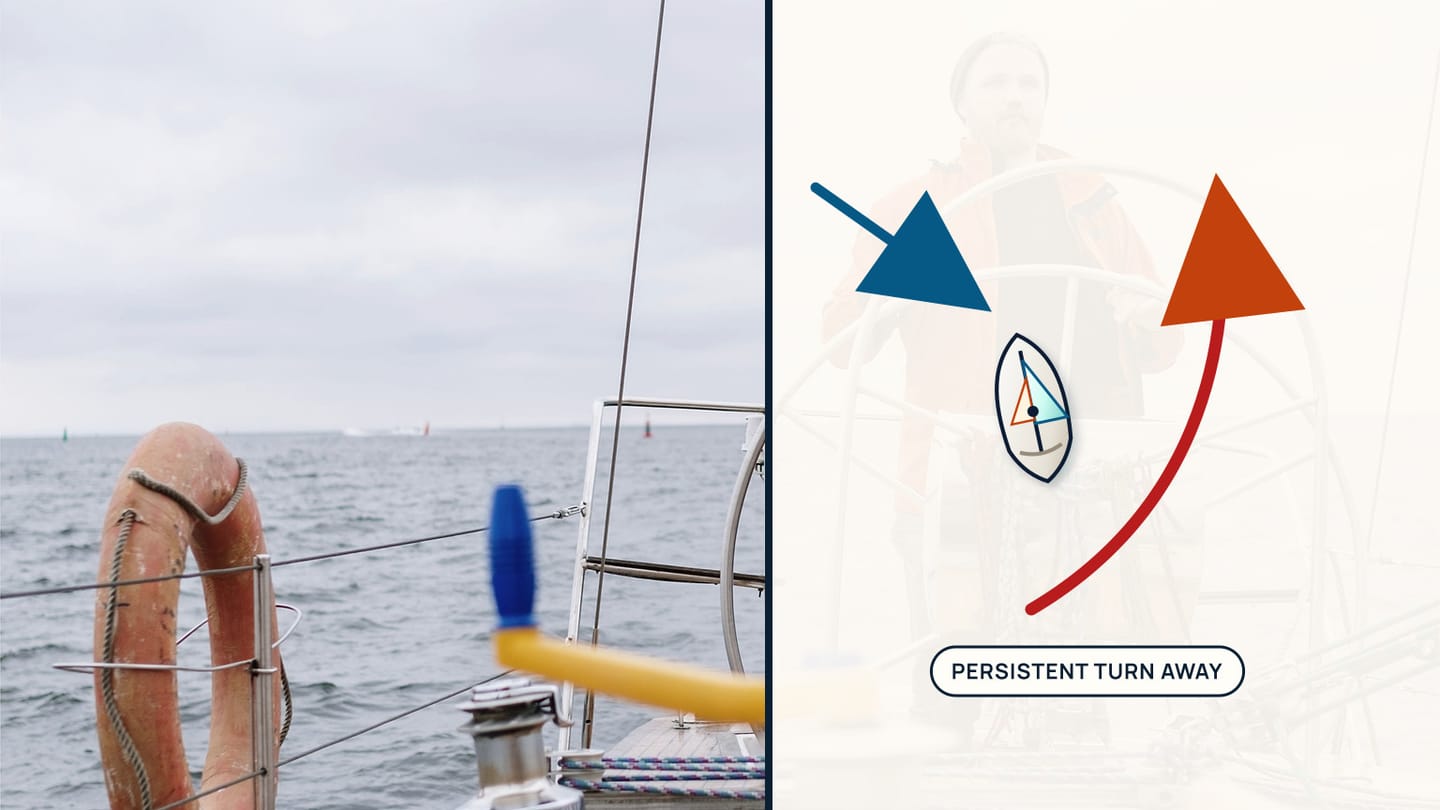
Lee helm is a boat's tendency to turn away from the wind when the helm is released or relaxed. It is the opposite of weather helm, the tendency to turn toward the wind. Sail balance, heel, hull and appendage shape, centreboard position, mast rake, loading, and trim can all contribute. Diagnose it on a steady course in open water: confirm the wind, balance the boat, reduce steering input briefly under the skipper's control, and observe whether the same leeward turn repeats.
A single turn after a wave or gust is not a diagnosis. Nor should a beginner alter mast rake or underwater setup from one observation. Start with reversible trim and balance checks, then ask a qualified instructor, rigger, sailmaker, or designer if the tendency persists.
Use this guide with weather helm explained, sail twist and draft explained, and how to depower sails in strong wind. Test only with sea room, a lookout, and an experienced skipper ready to retake control.
Feel the helm on a stable baseline
Choose flat, open water and steady wind. Set a normal close-hauled or reaching trim, establish speed, and hold a consistent heel angle. Check that no nearby vessel, shoal, or shoreline would make a small course change unsafe.
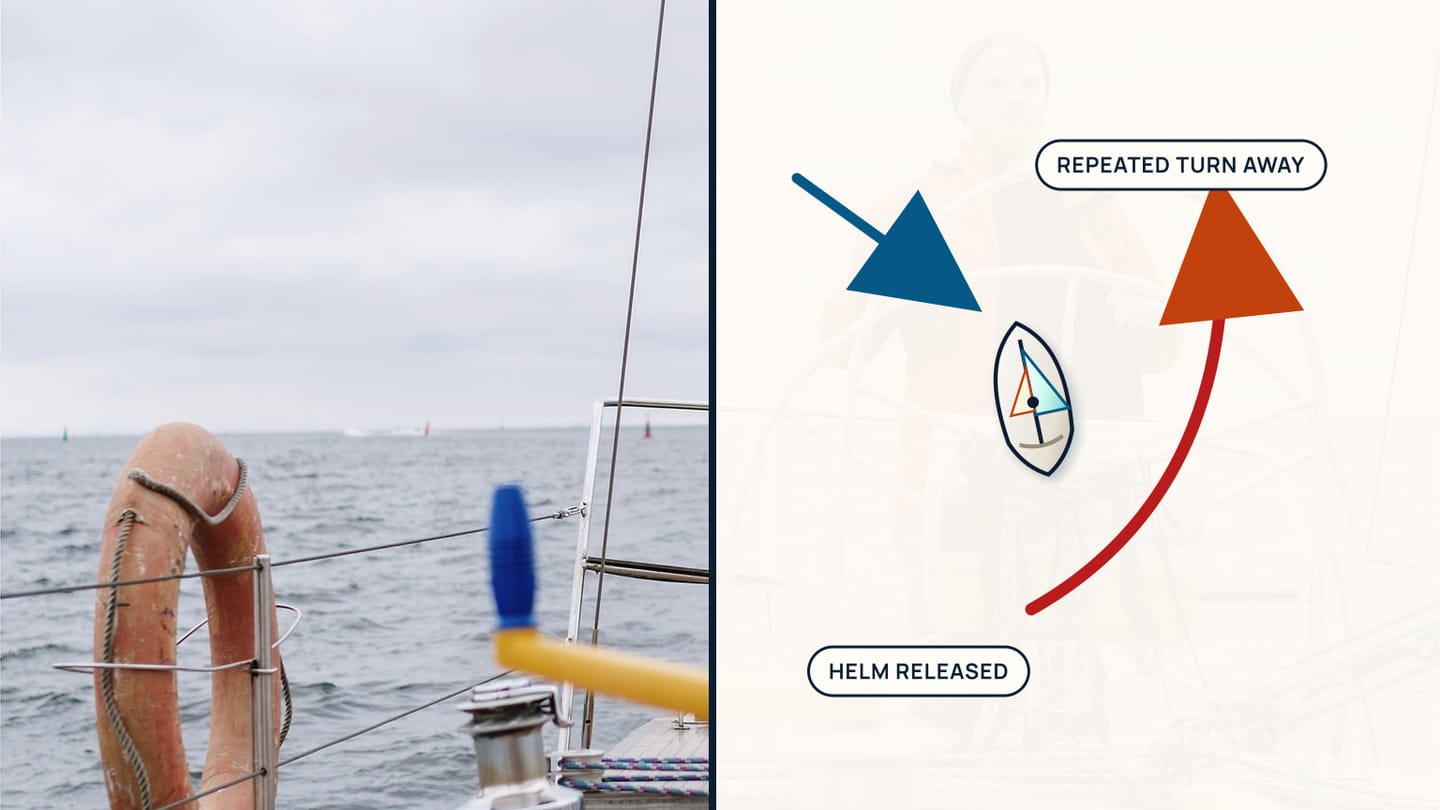
Relax helm pressure without abandoning the wheel or tiller. Observe the first consistent tendency. If the bow turns away from the wind and the same result repeats after the boat settles, lee helm may be present. If the response changes each time, waves or steering inputs may dominate.
Notice the force required to hold course. Lee helm often feels like a continuous correction toward the wind. That rudder angle adds drag and can mask the original balance problem. The goal is not perfectly weightless steering in every condition, but a predictable, manageable tendency suited to the design.
Record course, wind, sail plan, heel, crew positions, and speed. Without that baseline, a later change cannot be compared honestly.
Separate lee helm from a gust or wave
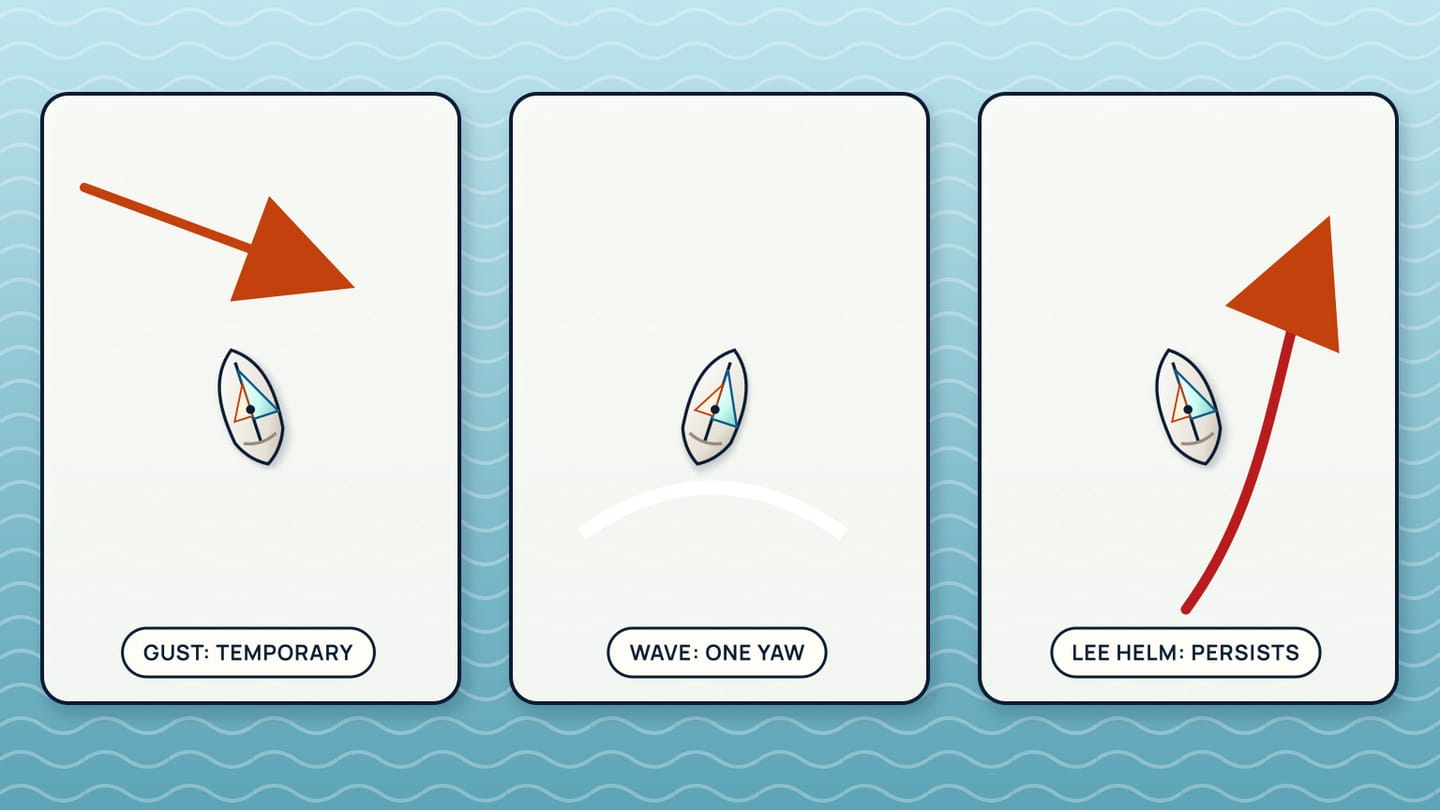
A gust changes pressure and apparent wind. It may heel the boat, accelerate it, or shift its heading. A wave can knock the bow aside. Current changes track over ground. None of those events alone proves a persistent helm balance.
Watch the timing. If the turn begins with every gust and disappears in steady pressure, investigate gust response and sail trim. If it begins after each wave from one quarter, change the test heading or wait for flatter water. If compass heading remains steady while the charted track slides, current rather than helm is the likely explanation.
Use several clues: masthead indicator, telltales, heel, compass, and wake. A true recurring lee-helm tendency survives after brief disturbances settle. Repeat on both tacks where safe. A difference between tacks may point toward asymmetrical loading, rig tune, appendage position, or wind and wave geometry.
Do not run the test by letting go completely. The skipper keeps immediate control and ends it as soon as the tendency is clear.
Check sail balance before changing the rig
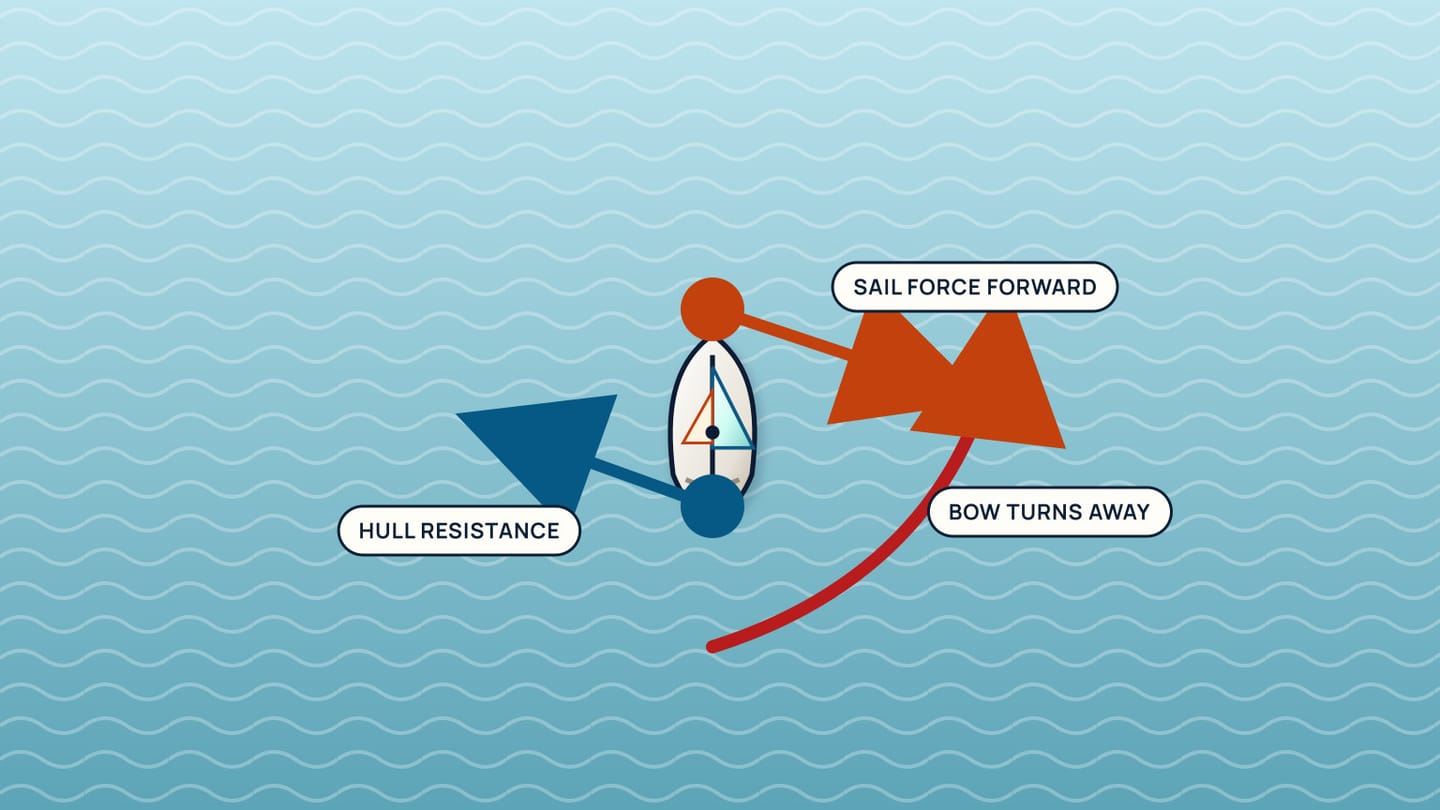
The sails create an overall centre of effort, while the hull and appendages resist sideways motion through a centre of lateral resistance. Their relationship contributes to turning tendency. More drive forward in the sail plan can encourage lee helm; more aft influence can encourage weather helm, though heel and hull shape complicate the simple diagram.
Begin with trim. Is the mainsail underpowered or excessively open while the headsail drives strongly? Is the boat sailing too flat or with an unusual heel? Restore the boat's normal balanced trim and repeat the test.
Change one reversible item. Trim or ease the mainsail slightly, adjust headsail trim within the normal range, or redistribute crew weight according to the skipper's direction. Let speed settle before reading the helm. A large change can create a new fault and teach nothing.
Do not cure lee helm by over-trimming until the boat stalls. A heavy-feeling helm created by drag is not healthy balance. Telltales, speed, and heel must improve with the steering feel.
Check hull, loading, and rig context
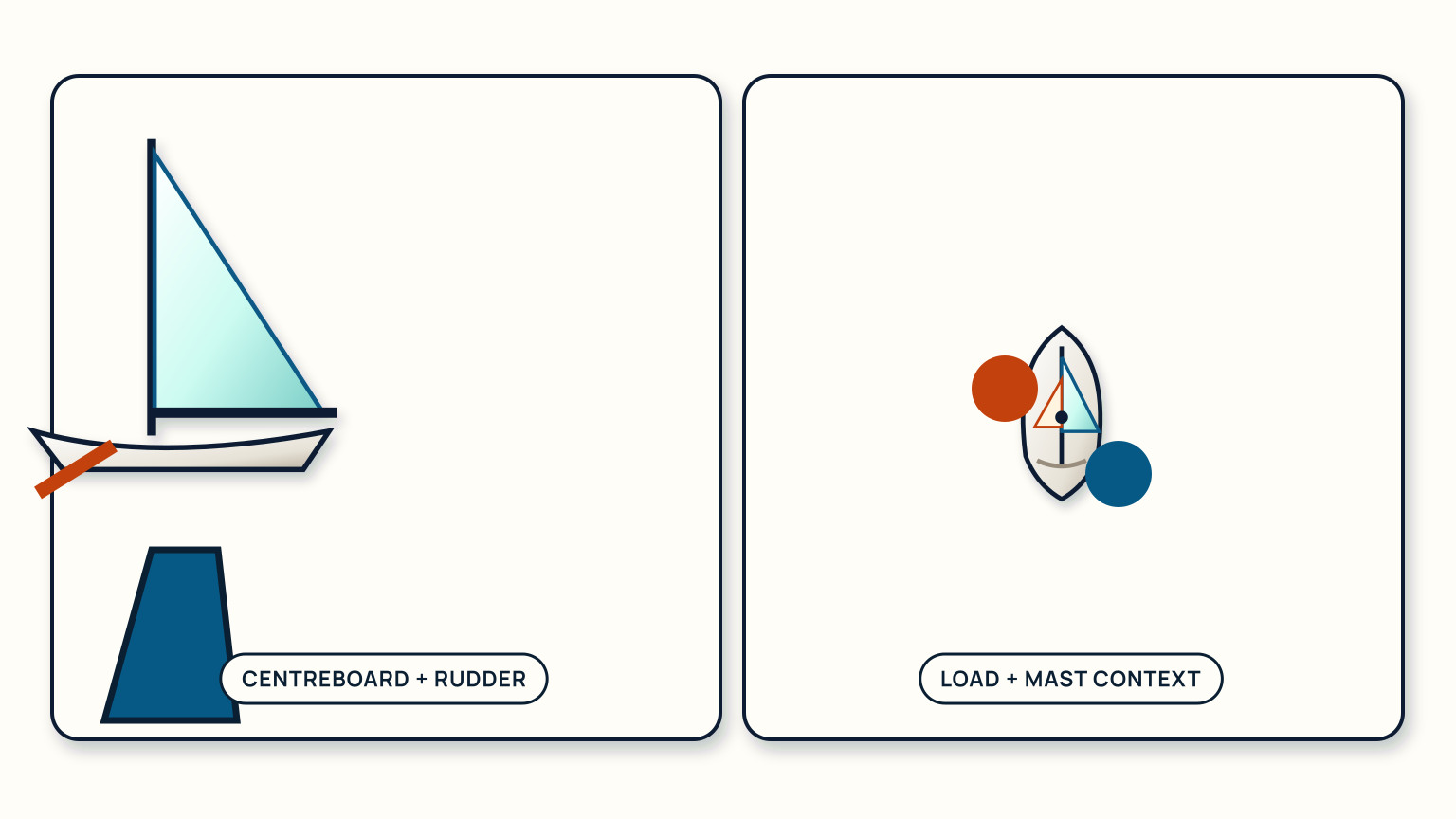
Centreboard or daggerboard position changes underwater resistance on boats designed for adjustment. Mast rake and rig tune move or reshape the sail plan. Tank levels, stores, and crew location alter trim and immersed hull shape. These are real contributors, but their correct settings belong to the design documentation.
Confirm obvious setup first. Is the centreboard in the normal position for the course? Are heavy stores unusually far forward? Is a rudder fully down and secured? Are sails hoisted and attached correctly? Fixing a setup error differs from experimenting with design geometry.
Inspect for damage or fouling. A bent rudder, weed on an appendage, stretched sail, or rig problem can change feel. If the tendency appeared suddenly after grounding, collision, or heavy load, stop diagnosing through sail trim and arrange inspection.
Mast rake, shroud tension, and appendage alignment can carry serious structural consequences. Record the observed conditions and consult a qualified person instead of changing them casually.
Make small tests and keep the full picture
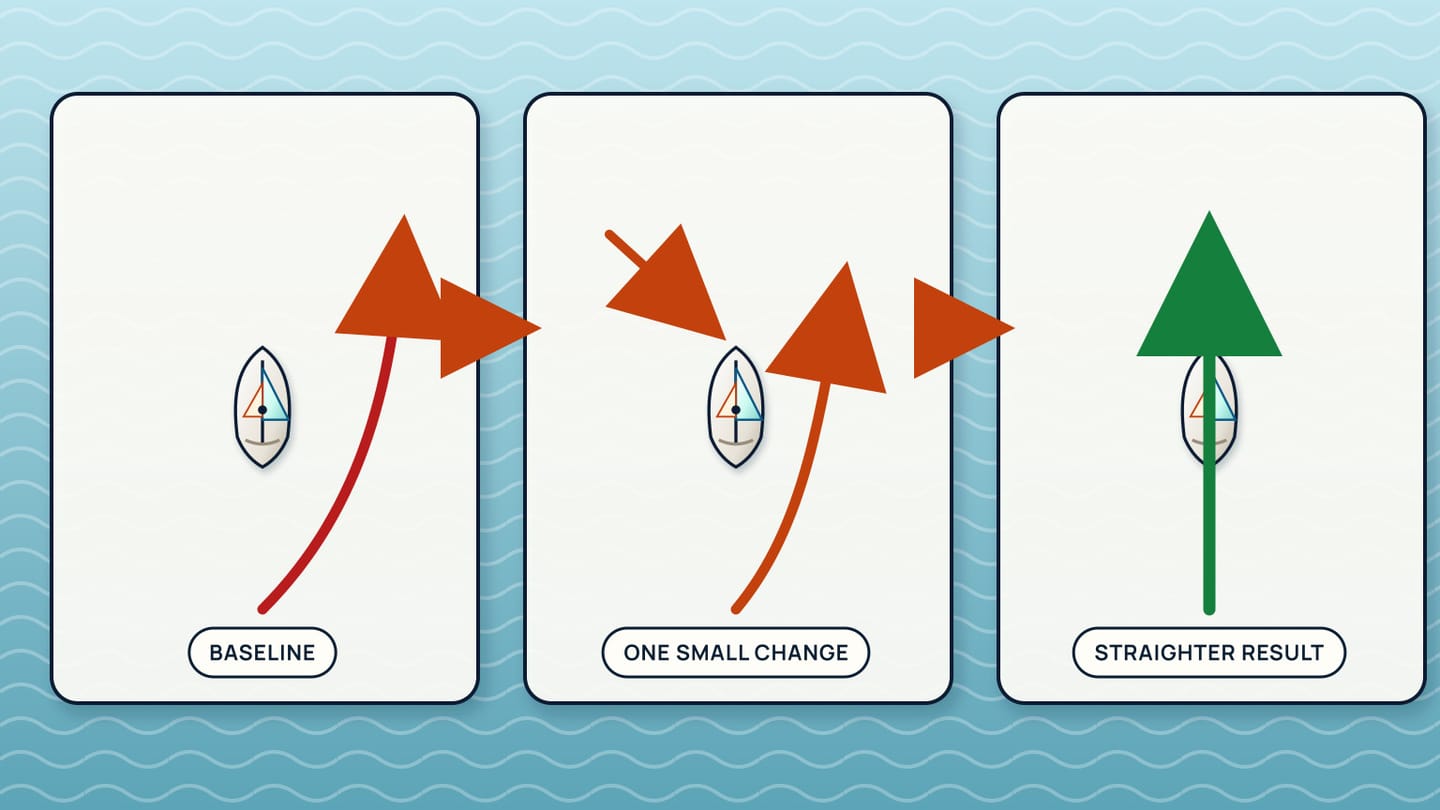
Use a test table: baseline condition, one change, new helm feel, heading tendency, heel, and speed. Return to baseline between tests. This protects you from mistaking a changing gust for the effect of the adjustment.
Suppose a small mainsheet trim reduces the leeward turn while telltales remain clean and speed improves. That supports a sail-balance explanation. If helm feel changes but the main stalls and speed falls, the “cure” is rudder load from poor trim, not better balance.
Aim for repeatability rather than a dramatic result. A consistent modest tendency that the design expects may be preferable to neutral feel achieved through distorted sails. Use the designer's and sailmaker's targets.
Escalate persistent lee helm because it can reduce intuitive control when the boat is disturbed. Bring the log, photographs of sail shape, and setup measurements to an instructor or rigger. Clear evidence shortens the path from symptom to a safe correction.
Build the log across a grid rather than one favourite condition. Repeat the safe test on both tacks, at two normal sail settings, and before and after a small crew-weight correction. Do not chase a complete grid if traffic or weather changes. Even four comparable runs can show whether the tendency follows one tack, one sail shape, or the boat across every case.
Use an observer who does not know which adjustment was made. Ask for the first turn direction, approximate rate, heel, and whether telltales stayed attached. This reduces the temptation to report the effect the trimmer hoped to create. Compare raw observations only after the run.
Distinguish balance from comfort. A rudder held several degrees to windward may keep the compass steady, yet the correction consumes lift and hides the preferred turn. Conversely, a light wheel does not prove good balance if sails are under-trimmed and the boat is slow. Heading tendency, effort, airflow, heel, and speed must be read together.
If the boat suddenly develops lee helm after previously neutral handling, treat the change as a defect clue. Confirm rudder and centreboard deployment, inspect for weed or damage, and compare the sail hoist with its normal marks. A new symptom deserves a cause, not a permanent new trim habit.
Turn the findings into a short report for the person who owns the setup. Include which tack, course, wind, sail plan, board or keel configuration, crew placement, and trim produced the tendency. Describe the helm direction without diagnosing the cause: “with pressure relaxed, the bow turned away from the wind on four starboard-tack runs.” Attach comparable sail-shape photographs if available.
Avoid words such as “always” when the test covered one afternoon. State what was not tested, such as stronger wind, reefed sail, or the opposite headsail. This helps a rigger distinguish a condition-specific trim issue from a persistent geometry problem.
After a correction, repeat the original baseline under the same steady conditions rather than searching for a new one that proves success. The same course and observation method should show whether heading tendency, rudder effort, airflow, and speed improved together. If only steering feel changes, keep investigating. Preserve the original measurements so a later sail can confirm whether the improvement remains in comparable conditions.
SailStarter's trim lessons help you connect sail force, heel, and steering before running a helm-balance test. Practise with an experienced skipper, and leave structural rig or appendage changes to the people responsible for the boat's design and tune.
Try it from the lesson
Can you spot the next move?
Both jib ribbons stream aft. What does that establish?
Why you can trust this guide
. We build each guide from public seamanship and safety sources, then teach the universal principle before any local difference.