Chart your course
Mast Stepping and Unstepping Cost: Quote Guide
Quick answer
The short version
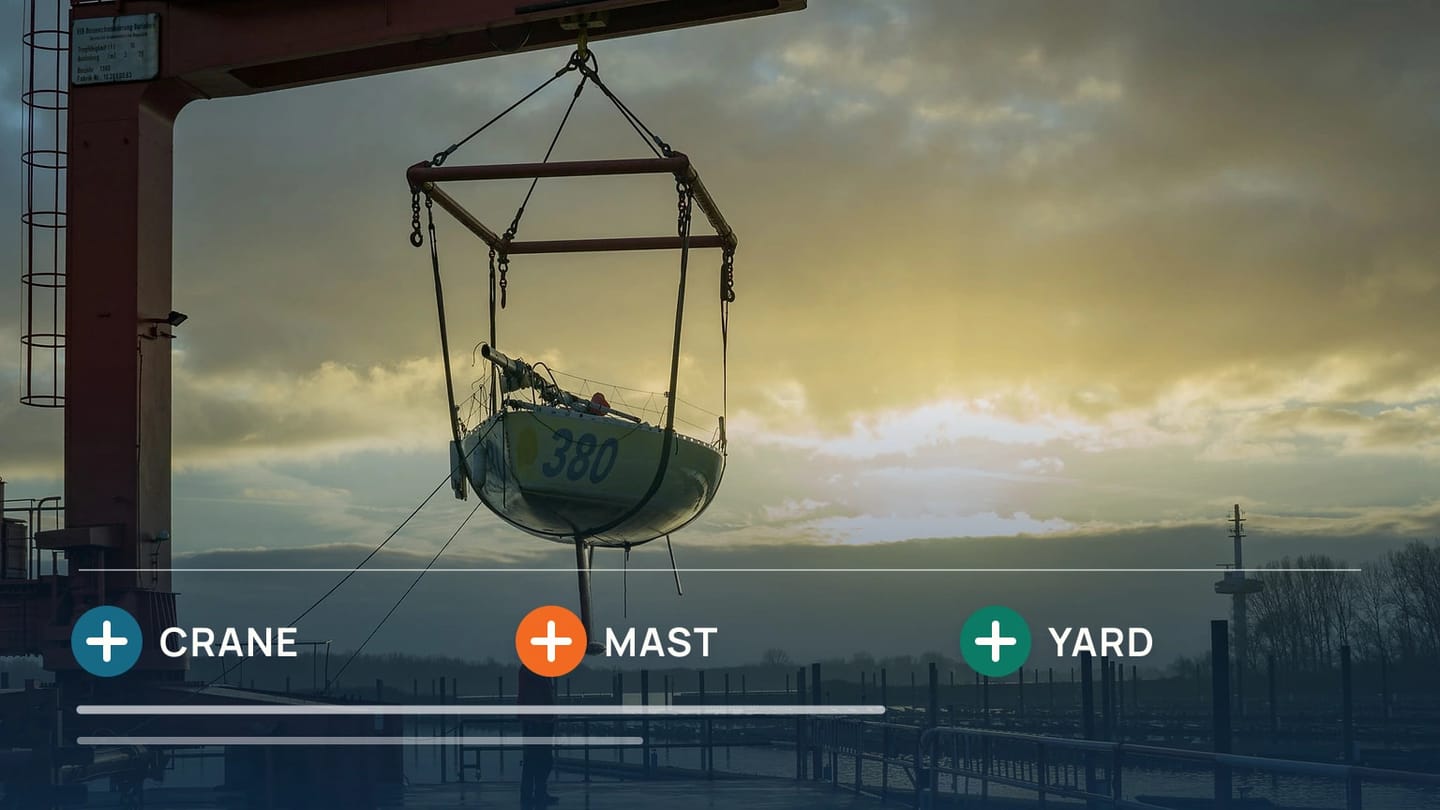
Mast stepping and unstepping cost depends on a particular boat, mast, yard procedure and work boundary. The lift itself is only one part of the plan. Quotes can also involve preparation, rigging work, transport, storage, inspection, reassembly and tuning. Ask the yard to describe the sequence in writing, then compare proposals only when they cover the same jobs.
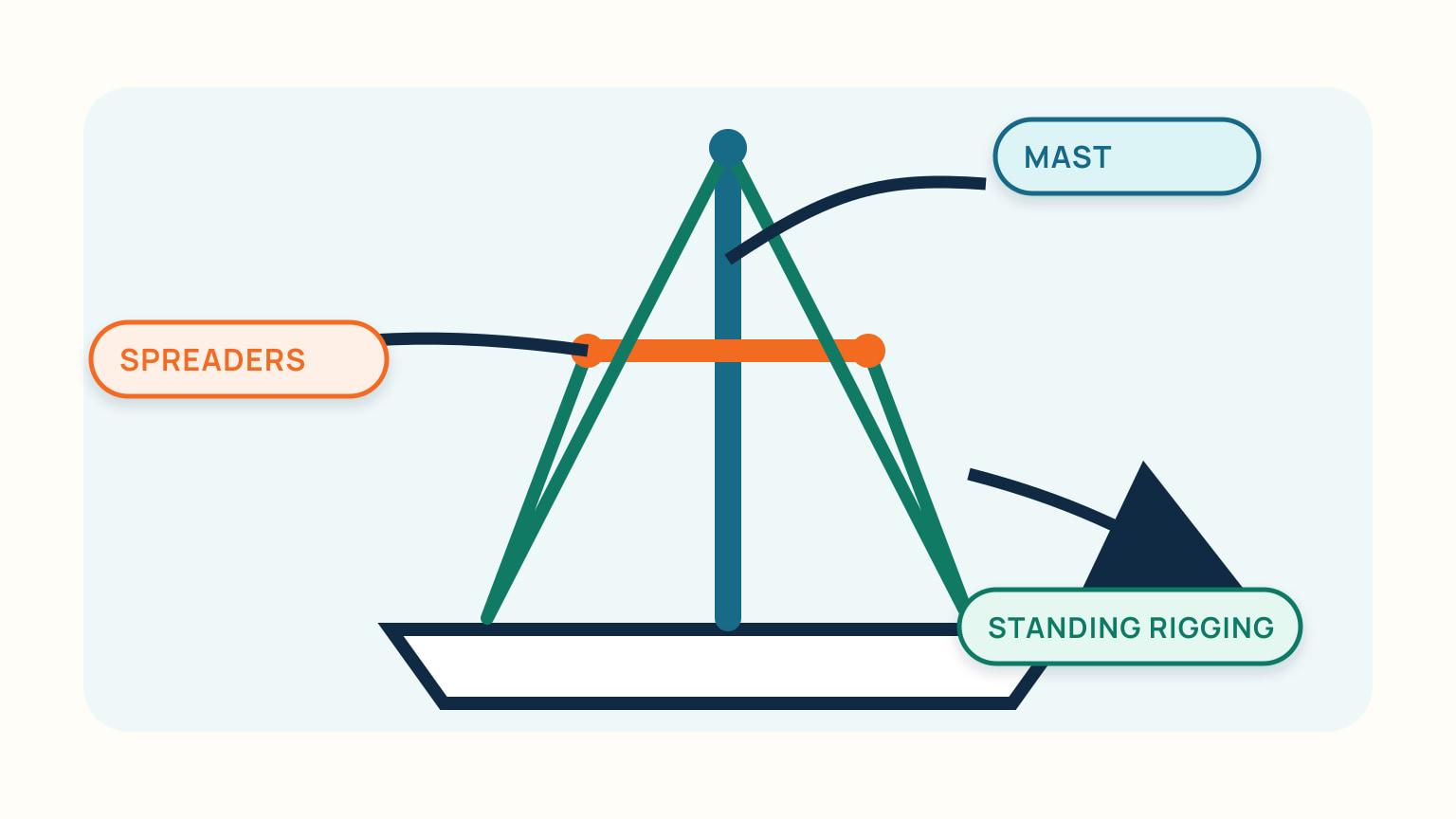
The mast is a system of mast, boom, spreaders, stays, shrouds, turnbuckles, attachment points and accessible chainplates. A rigging survey may inspect some of those items aloft or with the rig off the boat. That is a separate decision from merely moving the mast. An owner who makes the inspection boundary clear can use the handling event well without assuming that the yard has assessed every component.
Describe the Boat and Mast
Give the provider the boat model, mast arrangement, mast location, known dimensions, rig configuration and any changes from the original setup. Include photographs of the mast base, deck area, boom, standing rigging, attachment points and access route. The yard needs enough information to prepare its handling procedure. A general headline price cannot show whether its equipment, crew and space fit your actual boat.
State where the boat is and whether it is afloat, ashore, or moving between locations. The handling plan can change with the boat’s position and local access. Ask the yard what it requires before arrival, including any preparation work it expects the owner or rigger to complete. That keeps an unknown task from appearing after a lift slot has been reserved.
If you know the rig has been altered, say so. Replacement components and non-standard attachments can affect the work plan. Do not infer an individual part from the boat’s advertised length. Standing-rigging orders depend on measured components and their terminal and attachment configurations.
Ask the yard who is the point of contact on the day. A handling event involves people working in sequence, and a clear contact helps resolve an ordinary question before it disrupts the plan. Confirm when the boat owner needs to be present and what access the yard needs. The answer can affect labour, scheduling and the practical readiness of the boat.
Separate Handling From Inspection
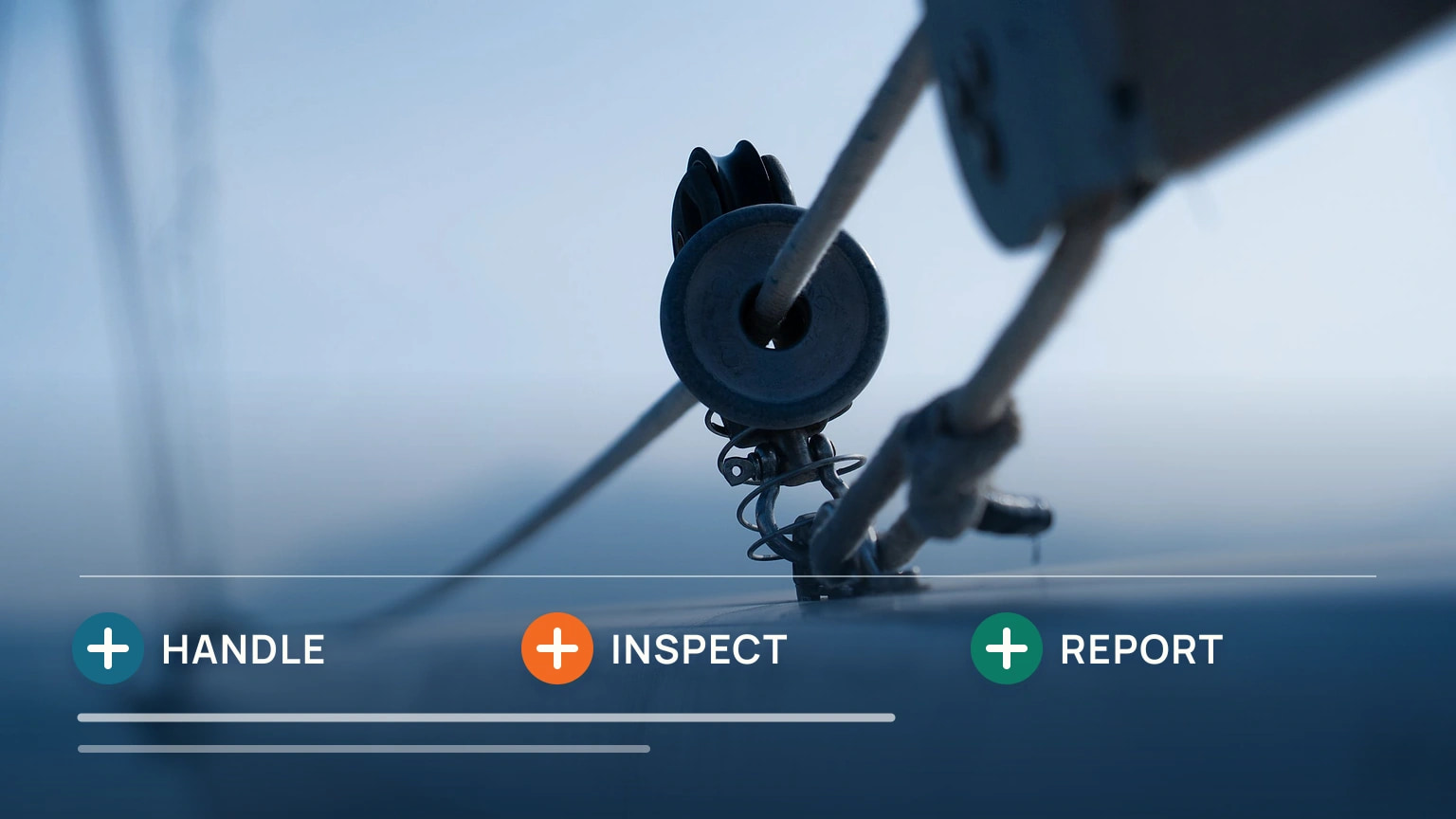
Unstepping creates access, but it is not automatically a rig survey. A rigging surveyor may examine the mast, boom, spreaders, stays, shrouds, turnbuckles, attachment points and accessible chainplates. The examination can happen aloft or when the rig is off the boat. Ask who will inspect which items, what the inspection includes, and what findings require another specialist or a separate repair quote.
This separation helps you avoid a false choice between “just a lift” and an unlimited refit. You can request a handling scope, an inspection scope, and a repair allowance as distinct lines. Then decide which work is appropriate once evidence is available. A useful report identifies the accessible condition at the time of inspection rather than promising certainty about every hidden area.
Arrange communication between the yard and rigger before the scheduled date. A rigger may need the mast supported in a particular way or require time to inspect components before transport. Those practical handoffs belong in the plan, not in assumptions passed verbally across the yard.
Ask whether the report will distinguish an observed issue from a recommended next action. This lets you decide how to proceed without collapsing every finding into the same urgent category. The mast may be down only briefly, so agree in advance which discoveries pause reassembly and who is authorised to make that call. That small detail can prevent confusion at the most time-sensitive moment.
Include Transport and Storage
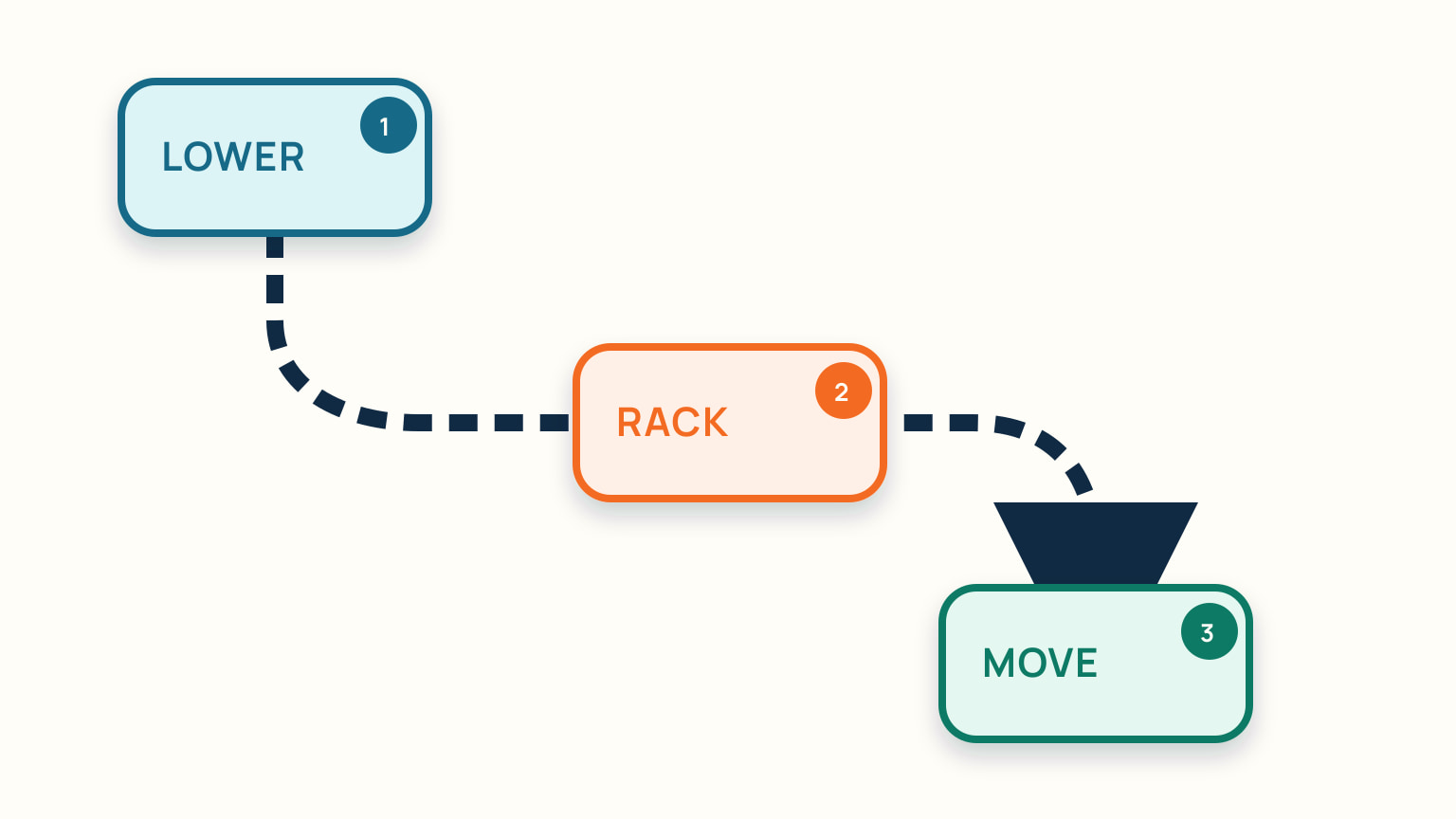
Ask where the mast will go after removal and who is responsible for each move. Some work stays within the yard; other work requires transport or storage. A quote should name its start and end points, the party handling the mast, any storage period, and the retrieval or return arrangement. That makes a cost that would otherwise appear later visible from the start.
The same question applies to rigging and hardware. Clarify whether items remain attached, are removed for inspection, or are packed and stored separately. Photograph the arrangement before disassembly. A basic record helps reassembly conversations without treating a photograph as a substitute for competent rigging work.
Local provider procedures vary. Ask for their current written terms rather than relying on a practice you saw at another harbour. The exact yard, boat and service package determine the scope you are buying.
Check the storage boundary closely. A quote may cover handling to a particular rack but not a later move to a rigger, or it may state a limited storage period. Write the date and physical location down. A mast is easier to account for when the plan identifies where it will be after each handoff, who has custody, and what must occur before the next move.
Plan Reassembly and Tuning
Stepping the mast is not the end of the work. Ask what the quote includes after the mast is returned to the boat: placement, reconnecting the planned components, checks, adjustments and the boundary for rig tuning. A lift provider may handle the physical operation while a rigger completes the rig-specific work. Treat those as named responsibilities.
Ask what must be ready before the lift begins. If a component, fitting or repair is still undecided, agree on the decision point and who can authorise added work. This is more useful than trying to squeeze every possible repair into the original price. The quote should reveal its exclusions and its next steps.
Before the boat leaves the yard, retain the final work list and any inspection finding. It documents what was handled and what still needs attention. A clear record also makes future condition discussions less dependent on memory.
Use the reassembly conversation to identify the final check rather than inventing one yourself. The responsible rigger or provider can state what it will verify within its agreed scope. If a later adjustment is needed after the first use, record that as a separate follow-up instead of assuming it was included in a lift price. Clear responsibility is more valuable than a vague assurance.
Compare Written Scopes
Use the same checklist for each provider: boat and mast particulars, preparation, lift or crane work, crew, rigging removal, inspection, repair work, transport, storage, reassembly, tuning, access, timing, exclusions, tax treatment and quote validity. Then identify any line that one provider assumes and another includes.
A lower total may be correct for a narrow job. It is only a comparable lower total when the other scope is equally narrow. Ask the provider to state what could alter the price, especially where inspection has not yet occurred. That gives you a sensible way to budget without pretending that a complex mast system has no unknowns.
For a related condition-focused guide, read standing rigging inspection checklist. It can help you recognise the components a rigger may discuss, while the actual inspection and handling plan remain specific to the boat and provider.
Get every revised instruction into the written record. A changed storage plan, repair discovery, or reassembly arrangement may be entirely reasonable, yet it should be visible to the owner and each provider before it adds cost. This record lets you compare the final invoice with the planned scope and explains why the work changed if it did.
Before approving a date, make a simple handoff list. Start with the boat at the berth or yard, then note who prepares the rig, who lifts or moves the mast, where it is stored, who inspects or repairs it, and who returns it for stepping and tuning. Add the contact person at each stage. This does not replace a provider’s method statement. It simply exposes a gap when two providers each assume the other is arranging access, transport, a cable disconnection, or the final return.
Keep weather and schedule uncertainty visible as well. A mast-handling appointment can depend on a lift slot, berth access, crew availability, and conditions suitable for the provider’s procedure. Ask what happens if the planned date changes and whether storage or a second movement could follow. Knowing that boundary before the mast comes down is more useful than discovering it while the boat is already waiting.
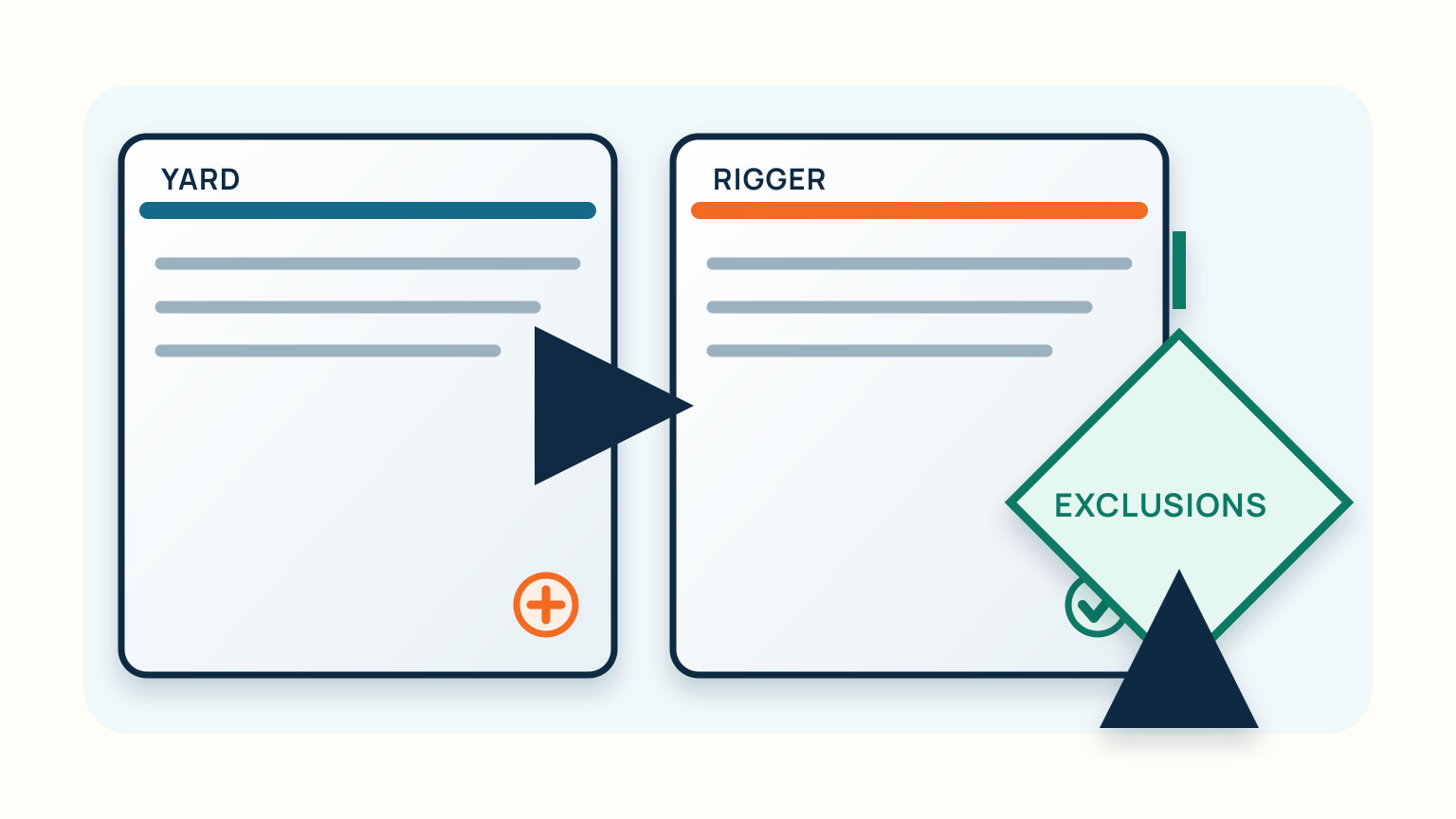
SailStarter’s boat-structure lessons give you a useful starting vocabulary for this conversation. Describe the real rig, separate handling from inspection and repair, and keep transport and reassembly in the same written plan. That is how mast stepping and unstepping cost becomes a scope you can compare.
Try it from the lesson
Can you spot the next move?
The boom pivots at its mast joint. Does that make it a shroud or stay?
Why you can trust this guide
. We build each guide from public seamanship and safety sources, then teach the universal principle before any local difference.