Chart your course
Standing Rigging Replacement Cost: How to Budget

Quick answer
The short version
Standing-rigging replacement has no useful universal price. The final bill follows the actual rig: its wire or rod type, number and length of stays and shrouds, terminals, turnbuckles, access to the mast, and any defects found in associated hardware. US example: RepairYachts gives a 2026 New Jersey estimate of US$4,000–$10,000 for complete standing-rigging replacement on a typical 40-foot cruising sailboat. Its stated variables are rig configuration, wire diameter, and local labour market. That estimate is not a rate card for every country or boat.
The useful question is not “what does rigging cost per foot?” It is “what exactly will this quote renew, inspect, remove, reinstall, and tune?” A cheap line item can be sensible for a known set of wires. It can also leave out the mast work, terminals, turnbuckles, furler interface, or chainplate investigation that makes the project safe to finish.
What is included in a standing-rigging replacement?
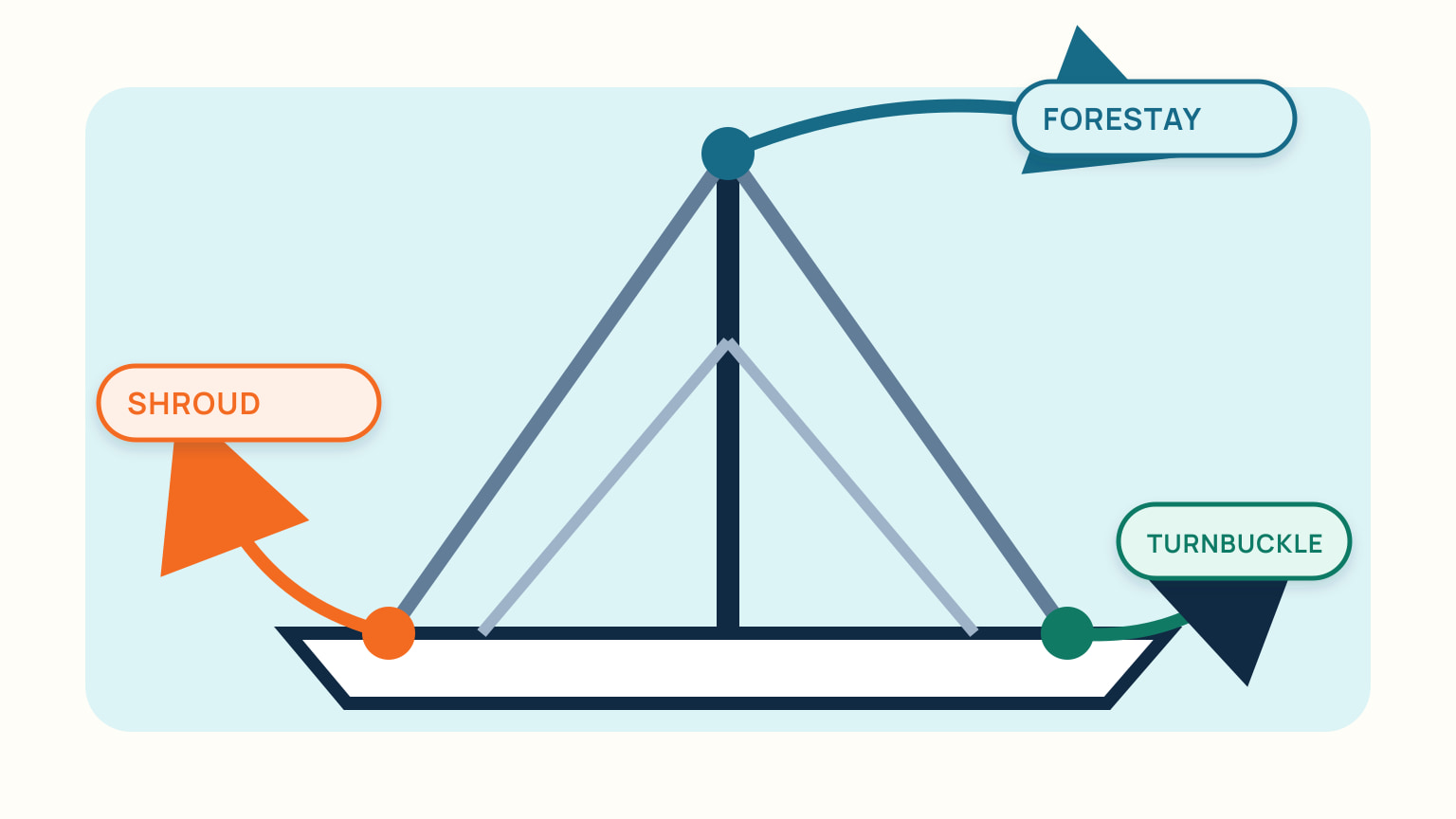
Standing rigging is the fixed structure that supports the mast: stays fore and aft, shrouds to the sides, and their terminals and tensioning hardware. It is different from halyards and sheets, which are running rigging. Before requesting a price, list the parts that are actually aboard. Seldén's replacement order form asks for individual component dimensions plus terminal and attachment details. That is a useful reminder that “replace the rigging” is not one standard shopping basket.
Your list can include forestay, backstay, upper and lower shrouds, inner stay if fitted, wire or rod specification, turnbuckles, toggles, masthead fittings, chainplate attachment, and the furling system where a headsail furler is present. Do not assume that a quote includes every one of them because it says “complete.” Ask the provider to name each item.
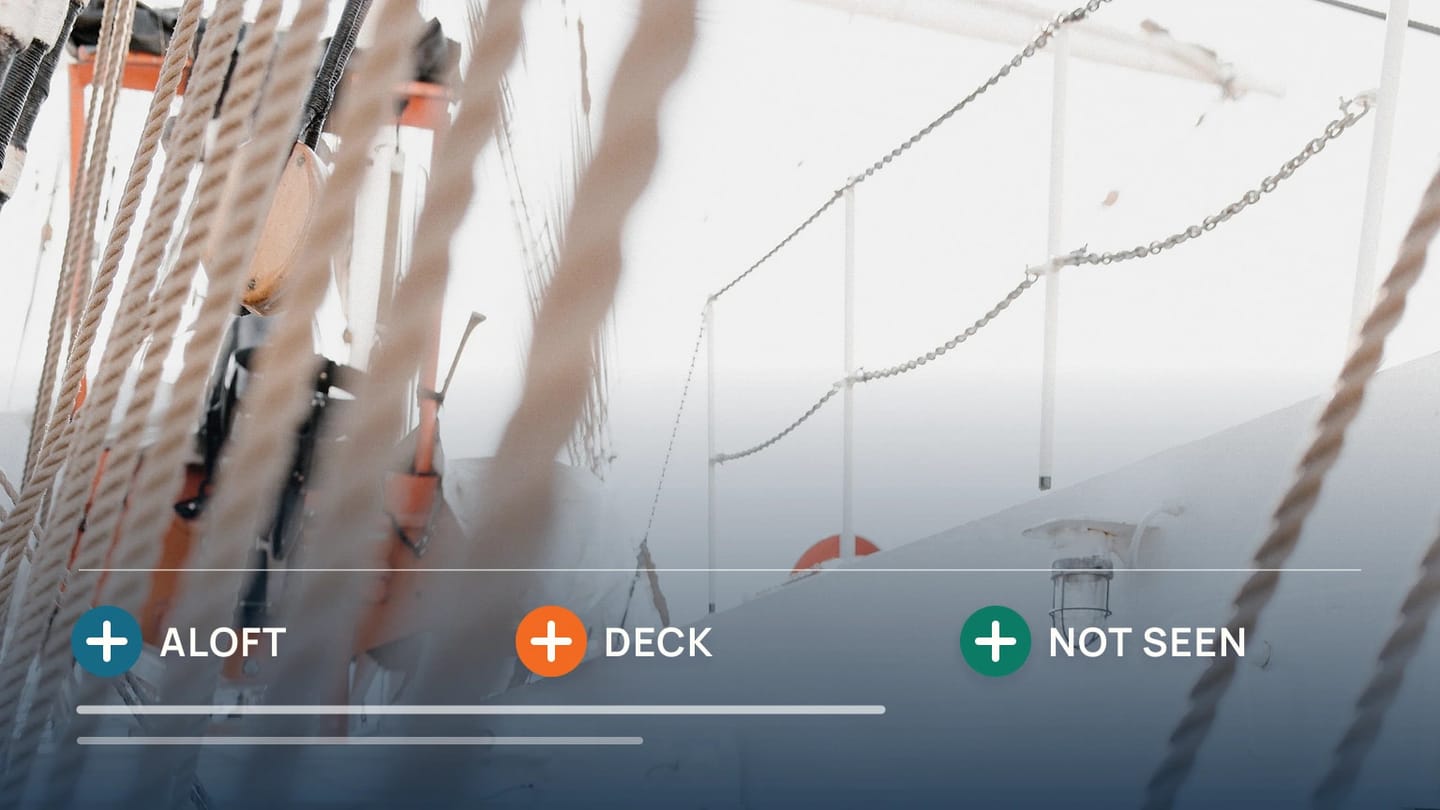
There are also jobs around the wire. The old rig may need to be measured, removed, or retained as a pattern. A mast may stay stepped while a rigger works aloft, or it may be handled by a yard. The new rig needs fitting and tensioning. Any of those can be included, excluded, or priced after inspection. Put the answer in writing before you compare totals.
The parts matter because a failure can hide at a connection rather than in the obvious length of wire. Our guide to sailboat deck hardware is a useful companion when you are learning to identify the deck-level fittings. It does not replace a rig inspection, but it makes the quote easier to read.
Use local prices as examples, not promises
Published prices can establish what one provider includes at one place and time. They cannot create a global average. US example: RepairYachts says a typical 40-foot cruising sailboat in its New Jersey market runs US$4,000–$10,000 for all wire, swages, and turnbuckles in 2026. It names rig configuration, wire diameter, and labour market as price variables.
That US example is helpful for its scope, not for currency conversion. It identifies a 40-foot cruising boat, wire, swages, and turnbuckles. It does not tell a reader elsewhere what a yard, crane, tax, travel, corrosion repair, mast stepping, or different rig design will cost. A boat with a similar length can have a different wire schedule, terminal system, mast arrangement, and access problem.
Use a local published price only as a check on your own question list. If a quote is far above or below an example, ask what differs. You may learn that one price includes new turnbuckles, another reuses them; one assumes the mast is down, another includes work aloft; or one has found hardware that must be assessed first. Those are meaningful differences, not negotiating details to skip.
Keep currency, tax, date, boat model, material, and stated inclusions beside every figure. That stops an old forum total or an overseas rate from becoming a false budget. The quote you can act on is the one prepared for your boat, in your location, with its assumptions written down.

Pay for the inspection that narrows the unknowns
An inspection is not a replacement quote, and it should not be treated as one. BoatUS explains that a professional rigger can inspect the mast, boom, spreaders, stays, shrouds, turnbuckles, and accessible chainplates. That work may be separate from a general pre-purchase survey, whose inspection often remains at deck level.
Ask the rigger what they can see and what they cannot. Chainplates may be hidden, a furler can block part of a forestay connection, and a masthead needs aloft access or an unstepped mast for a close view. A short checklist is useful: which components were inspected, how they were accessed, what corrosion or damage was observed, which parts were not visible, and what further work is recommended.
Do not turn age into a diagnosis. BoatUS advises attention to condition, history, material, and environment, and says older rigging should be professionally inspected. That is different from claiming every recreational sailboat has one universal replacement date. A rigger's assessment is the proper boundary when the consequences of being wrong are large.
If you are buying the boat, schedule this alongside the general survey rather than after you have accepted the condition. Sailboat survey red flags explains how to keep different specialist findings in the same decision file. Your offer and acceptance period need enough time to read the reports and obtain a scoped repair estimate.
Separate wire work from mast and yard work
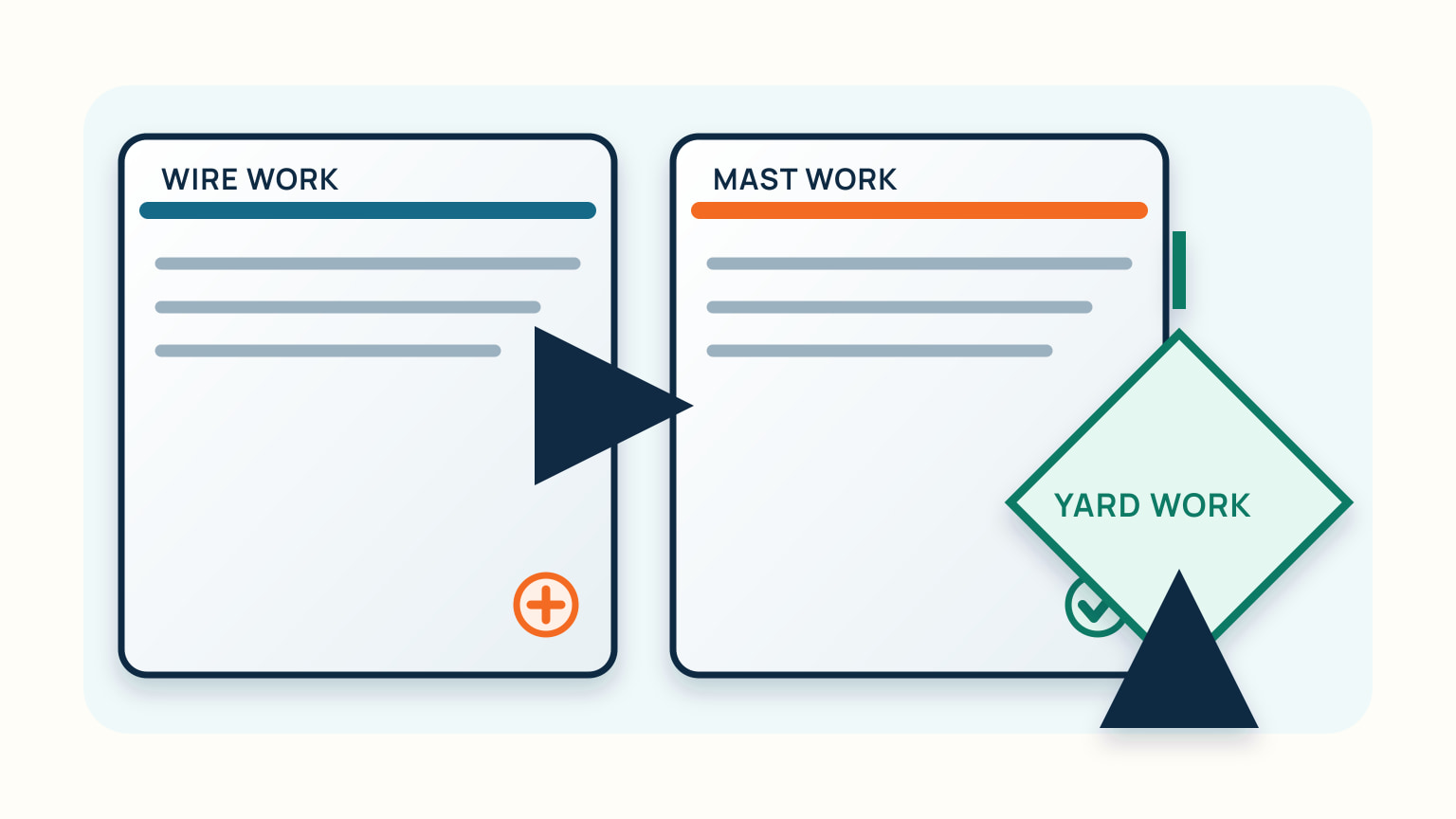
A rigger may make the wires, fit terminals, inspect the rig, and tune it. A yard may handle lifting, mast stepping, storage, travel-lift scheduling, and contractor access. Sometimes one provider coordinates the whole job. Sometimes each has its own invoice. The practical budget needs both sets of costs, plus a clear statement of who is responsible at each handoff.
Ask whether the price assumes the mast is stepped or unstepped. If it is coming down, ask who disconnects and labels electrical cables, instruments, lights, antennas, and the furler. Ask where the mast will rest, whether transport is required, and whether the rigger will inspect it before it goes back up. If it stays up, ask how aloft access is arranged and what weather or berth conditions could postpone the work.
Then ask what “finish” means. A finished invoice may cover fitted wire but not final tuning, a sailing check, or correction of a discovered chainplate problem. The accepted scope should say whether new pins and retainers, seals, split-pin work, turnbuckle protection, and a tension check are included. These details are small only until the mast depends on them.
Keep the yard schedule visible beside the rigger's schedule. A rigging job can wait on a lift slot or mast access even when the replacement components are ready. Sailboat maintenance checklist can help you put this job beside the rest of the boat's planned work rather than treating it as an isolated invoice.
Compare the scope before the total
Make one comparison sheet with the boat and rig description at the top. For each provider, record wire or rod material; components to be replaced; terminals and turnbuckles; inspection; mast access; yard handling; removal and disposal; tuning; taxes; travel; timing; exclusions; and the approval process for added work. Leave a blank line for evidence that the provider still needs.
Then read the exclusions first. A lower total may sensibly exclude a furler service, mast step repair, chainplate work, or replacing related running rigging. That does not make it a bad quote. It tells you to price those jobs separately before choosing. A higher quote may include preparation and verification that protect the value of the replacement.
Set a margin for work that an inspection has not yet ruled out. The margin is not a reason to continue with a damaged rig on hope. It is a way to keep a planned replacement from consuming the money needed for a discovered connection or yard requirement. If the project only works when every unknown disappears, pause and get more evidence.
Store the final report, measurements, parts list, photographs, invoices, and tuning record with the boat papers. They make future inspection easier and give the next owner a factual history. SailStarter's rig lesson can help you recognize the parts in that file; your rigger and the local yard remain the people who must assess and price the work on your boat.
If the scope changes after an inspection, keep the earlier and revised quotes together. The difference should trace to a finding, measurement, access issue, or changed request. That small record makes the final decision and invoice much easier to understand later.

Try it from the lesson
Can you spot the next move?
The boom pivots at its mast joint. Does that make it a shroud or stay?
Why you can trust this guide
. We build each guide from public seamanship and safety sources, then teach the universal principle before any local difference.