Chart your course
Sail Replacement Cost by Boat Size: What Changes

Quick answer
The short version
Boat length is a useful way to begin a sail replacement conversation, but it cannot price a sail accurately. The working quote starts with the sail's dimensions, the rig it must fit, the attachment system, the intended use, the chosen cloth and construction, and any service work around the installation. Two boats with the same length can carry meaningfully different sails. Ask every sailmaker to price the same written scope before you compare totals.
A sail replacement cost by boat size becomes clearer when you use length as a sorting tool, then replace it with measurements and decisions. A modestly sized cruising boat can need a larger or more complex headsail than another boat of the same advertised length. A repairable sail can also be a better near-term answer than a new one. Good quotes make those differences visible rather than hiding them in one number.
Start With the Sail, Not the Listing
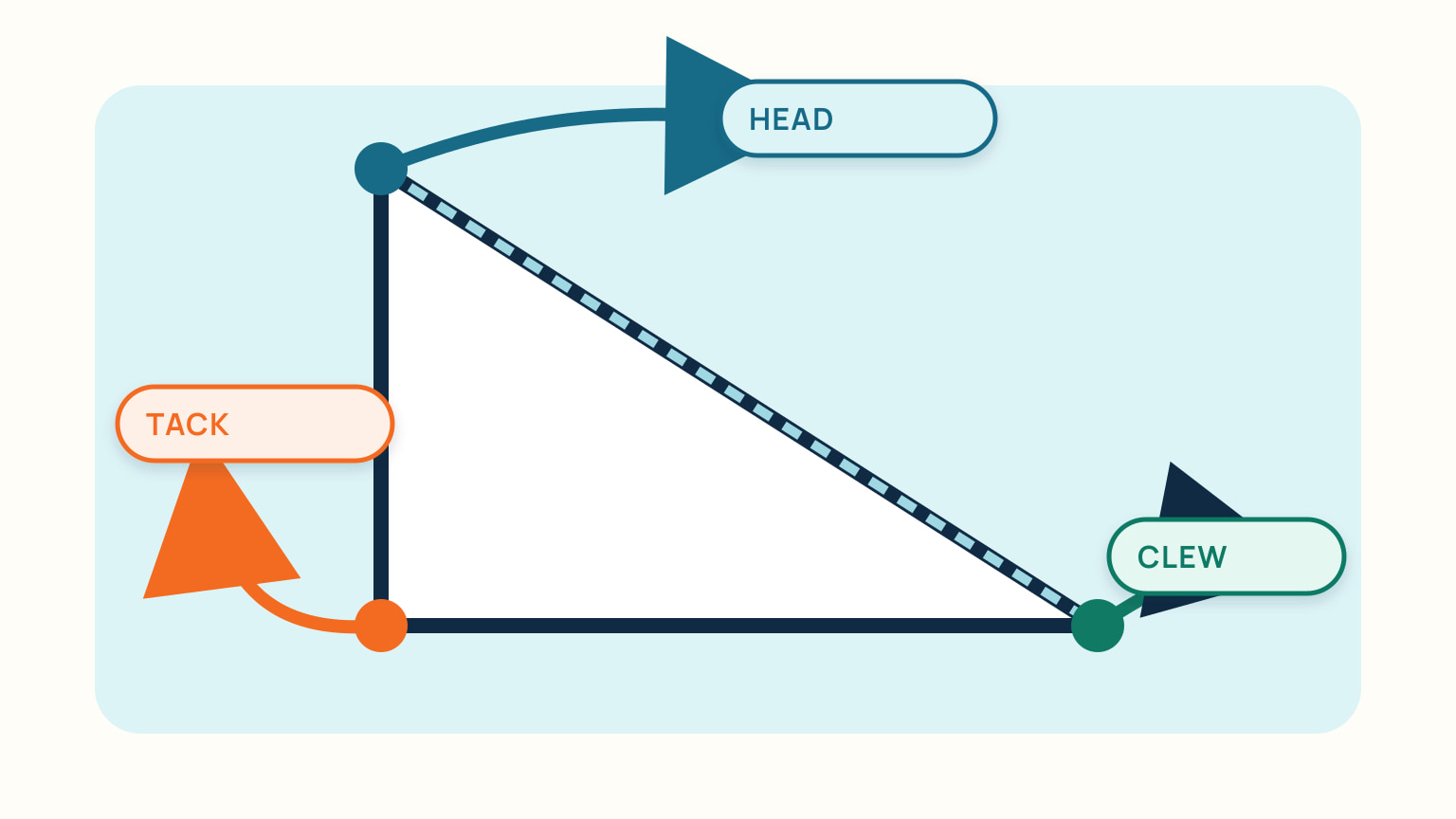
A sailmaker needs the sail and rig geometry to establish fit. That means measurements and details of how the sail attaches, not only the length printed in a sales listing. Gather the existing sail's dimensions if available, plus photographs of the luff attachment, tack, clew, head, furler or track, and any hardware that affects the interface. Confirm the boat's rig type and whether a headsail works on a furler or another system.
This approach avoids a familiar mistake: treating every 30-foot or 40-foot boat as though it carries the same working sail. Length may help you decide which lofts to contact, yet it is a loose comparison input. The finished sail has to match a particular mast, forestay, boom, and attachment arrangement.
Ask the loft what it still needs before treating its response as a quote. A preliminary range can be helpful for planning, but it is not equivalent to a measured design. Keep the assumptions with the number so a later measurement does not look like a surprise increase.
You can make the first contact more useful by describing the current sail in practical terms. Say whether it is a mainsail or headsail, where it attaches, whether it is furled, and what has changed in its use or condition. Avoid guessing a design measurement from a brochure. If you cannot find the old dimensions, say so. The sailmaker can explain the next measurement step. That is more reliable than purchasing a supposedly standard sail and trying to make it fit later.
Separate Repair From Replacement
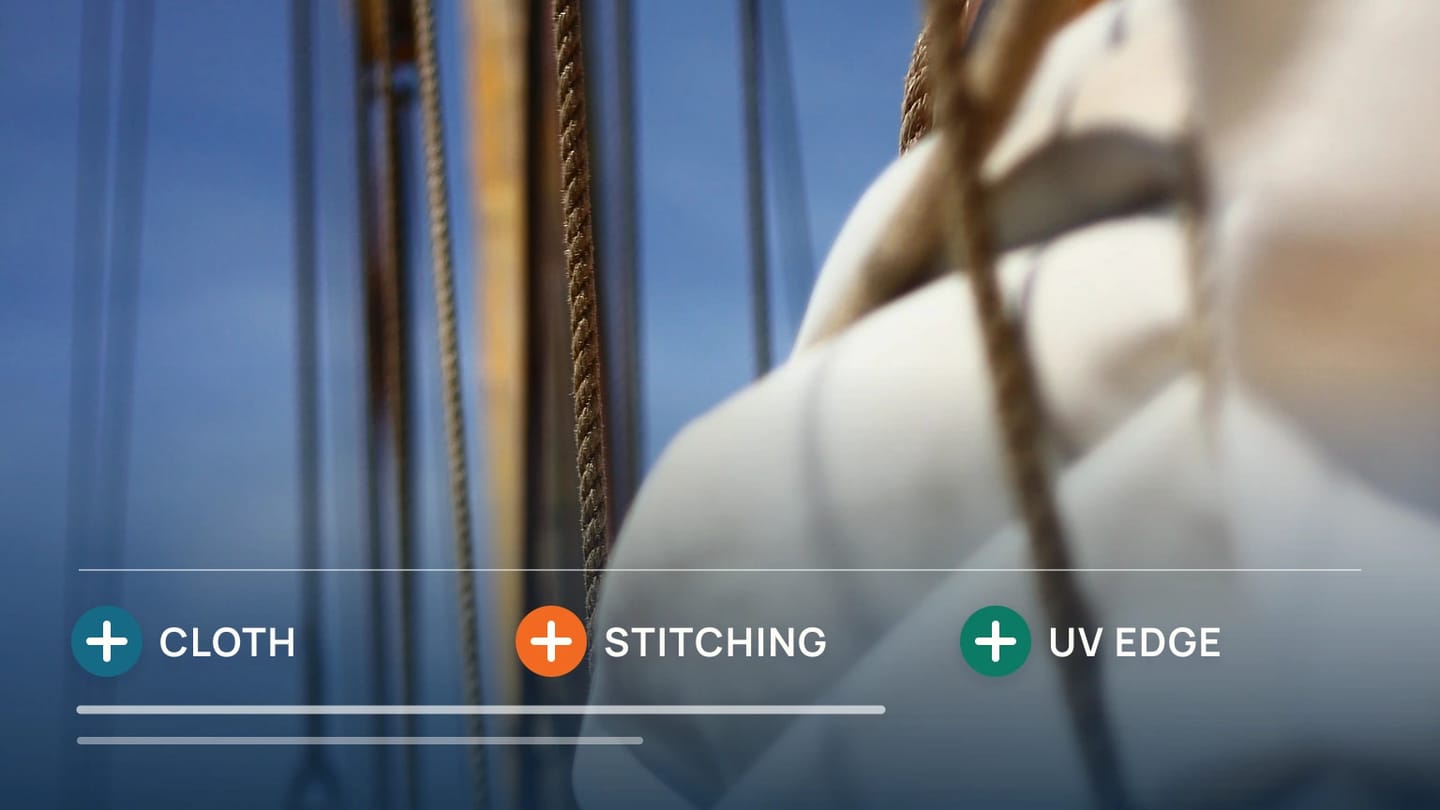
Condition is another cost decision that boat length cannot answer. A sail inspection can look at cloth, stitching, webbing, a UV cover, and loaded areas. Those observations help a sailmaker distinguish a repair scope from a new-sail comparison. Ask for the condition finding in writing and make sure the recommendation identifies the affected area.
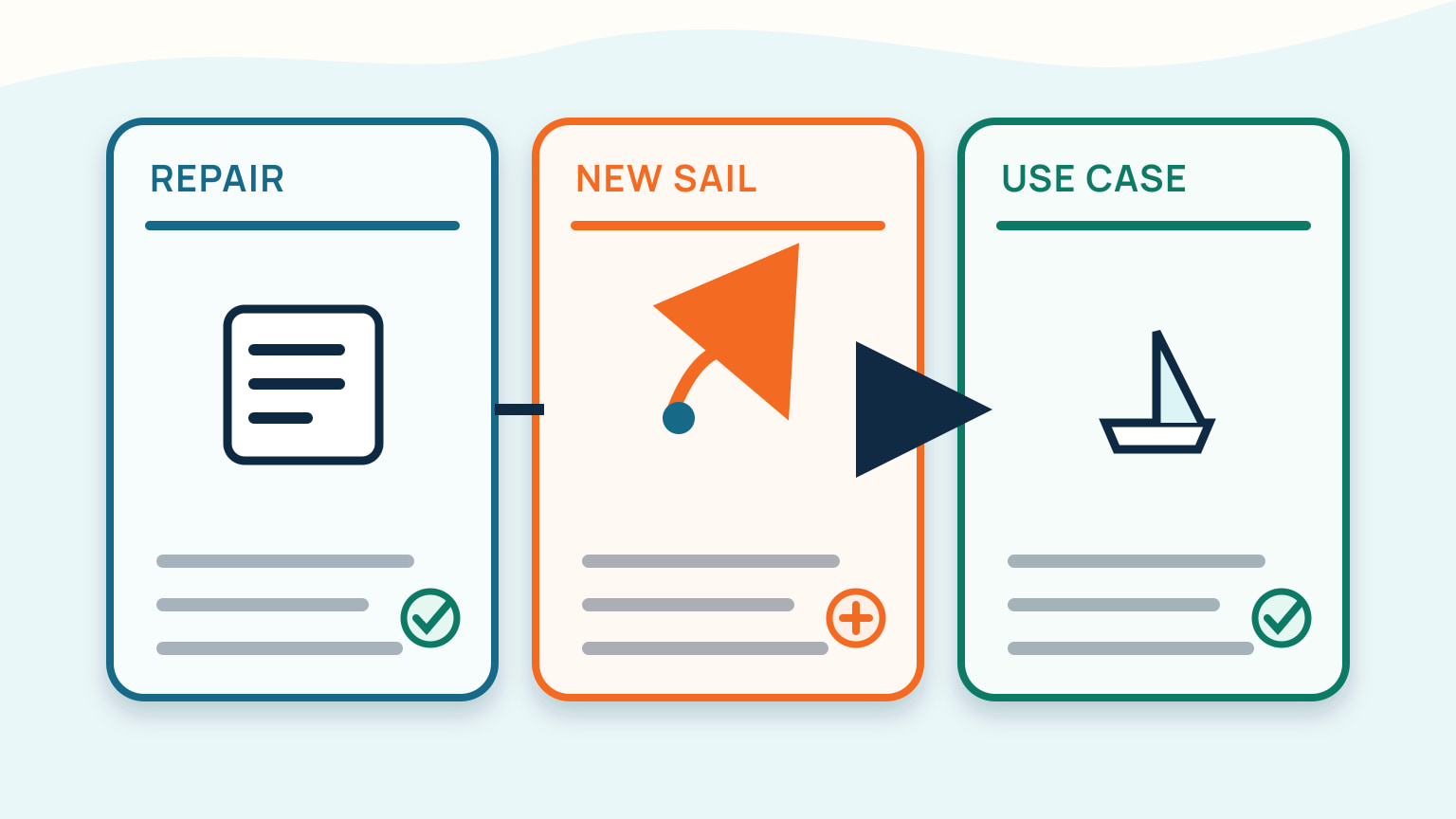
Repair may be practical when the sail's main structure and intended shape remain serviceable. Replacement may be the better decision when the material or construction no longer supports the boat's normal use. Do not force that decision from appearance at the dock. A sail can look tidy while needing attention in an area that takes load.
Compare a repair quote with a replacement quote only after each one states what it includes. A repair may address a specific weakness. A new sail adds design, cloth, construction, and fit choices. They solve different jobs, so the lower figure is not automatically the better value.
Choose the Job Before the Cloth
Tell the sailmaker how you actually use the boat. Day sailing, local cruising, racing, and longer passages can lead to different design and construction choices. The right question is not which material is “best” in the abstract. It is which design is appropriate for your intended use and budget.
Ask the quote to identify the cloth and construction choice in plain language. Include any requested features, reinforcement, and attachment details in the same document. If you have a mainsail and a headsail on the list, keep their scopes separate. That makes it easier to postpone one item without losing track of what the other price assumed.
An inexpensive-looking quote can simply be a narrower sail specification. A higher one may include a different cloth, attachment work, or construction detail. Neither is wrong if it matches the job. Your comparison should show why the numbers differ.
Put Installation Work on the Same Page
New sails have to work with the boat as it is rigged. Ask whether the price includes measuring, delivery, fitting, adjustments, or any work to existing hardware. Clarify who confirms fit and what happens if an attachment detail discovered during measurement differs from the initial information.
Service availability is local, so do not assume that a price from another harbour includes the same travel, collection, or fitting boundary. Put the boat's location and practical access in the request. If the sail must be removed, delivered, or installed at a yard, list that work as a separate line if it is not included.
This is also a useful time to ask what evidence the loft wants from the old sail. Clear photographs and accurate measurements reduce avoidable back-and-forth. They do not replace professional measurement when the design requires it.
Do not hide uncertainty in the request. If the boat has changed hands, a previous owner may have altered fittings or replaced a sail without retaining the record. Mark those details as unconfirmed. The quote can then identify whether an inspection, measurement visit, or additional hardware check is needed. That keeps an unknown from becoming an accidental promise inside the price.

Compare Like With Like
Build one short comparison sheet for every quote. Record the measured sail and rig assumptions, sail type, intended use, cloth, construction, attachments, included service, exclusions, currency, tax treatment, and date. Then ask one question: do these prices purchase the same delivered result?
If the answer is no, ask for a revised scope rather than choosing by the headline figure. A useful sailmaker quote teaches you what needs a decision. It does not need to predict every future repair, but it should make its current boundary understandable.
Keep the inspection result beside the quote. It gives you a sound basis for deciding whether to repair now, replace now, or plan a replacement around the boat's next season. For more help judging an existing sail, read how to inspect used sails.
When you approve the work, save the final specification with your boat records. It gives you a reference for future servicing and makes the next owner’s condition assessment easier. Include the date, sailmaker, measured dimensions, attachment method, and any care guidance supplied with the sail. Those records do not eliminate wear, yet they make future decisions depend on evidence rather than memory.
Keep the invoice with that record too. It explains the actual delivered scope, which is more useful than an early planning estimate when future work is considered.
Before you request pricing, make a small “known and unknown” list. Known items might include the sail type, attachment method, a recent repair, and the boat’s usual use. Unknown items might include the exact luff length, a furling detail, or whether old hardware has been changed. Send that list with the photographs rather than smoothing over gaps. It lets the loft tell you which uncertainty affects design and which can wait for a measurement visit. It also stops a planning range from becoming a number everyone remembers as a promise.
When two providers use different language, translate both into the same practical questions: which sail is being supplied, how is it measured, what is included at handover, and what is explicitly not included? Ask about the delivery and fitting path at your actual location. A sail that is well specified on paper but arrives without a clear fit-confirmation step is not the same purchase as one that includes that work. The most useful comparison is the one you can explain back to both providers without guessing.
Expect the final specification to be more precise than the first conversation. That is a sign that the fit and job have been checked, not necessarily that the price has become less trustworthy.

SailStarter’s sail lessons can help you recognise how a mainsail and headsail work before you speak with a loft. Use that understanding to describe your sailing honestly, collect the right measurements, and ask for a quote whose assumptions you can check. A sail purchase becomes far less opaque when you can point to the exact fit, condition, and service choices behind it.
Try it from the lesson
Can you spot the next move?
The mainsail is down and you need to raise it to the top of the mast. Which line do you pull?
Why you can trust this guide
. We build each guide from public seamanship and safety sources, then teach the universal principle before any local difference.