Chart your course
Coastal Cruiser vs Bluewater Sailboat
Quick answer
The short version
“Coastal cruiser” and “bluewater sailboat” are useful shorthand, but neither phrase proves that a particular boat is ready for your passage. A coastal boat can be well prepared for a demanding route. A boat advertised for bluewater travel can have neglected systems, an unsuitable crew plan, or a route it should not attempt. Compare the specific boat, people, trip, and support arrangement before you buy a category.
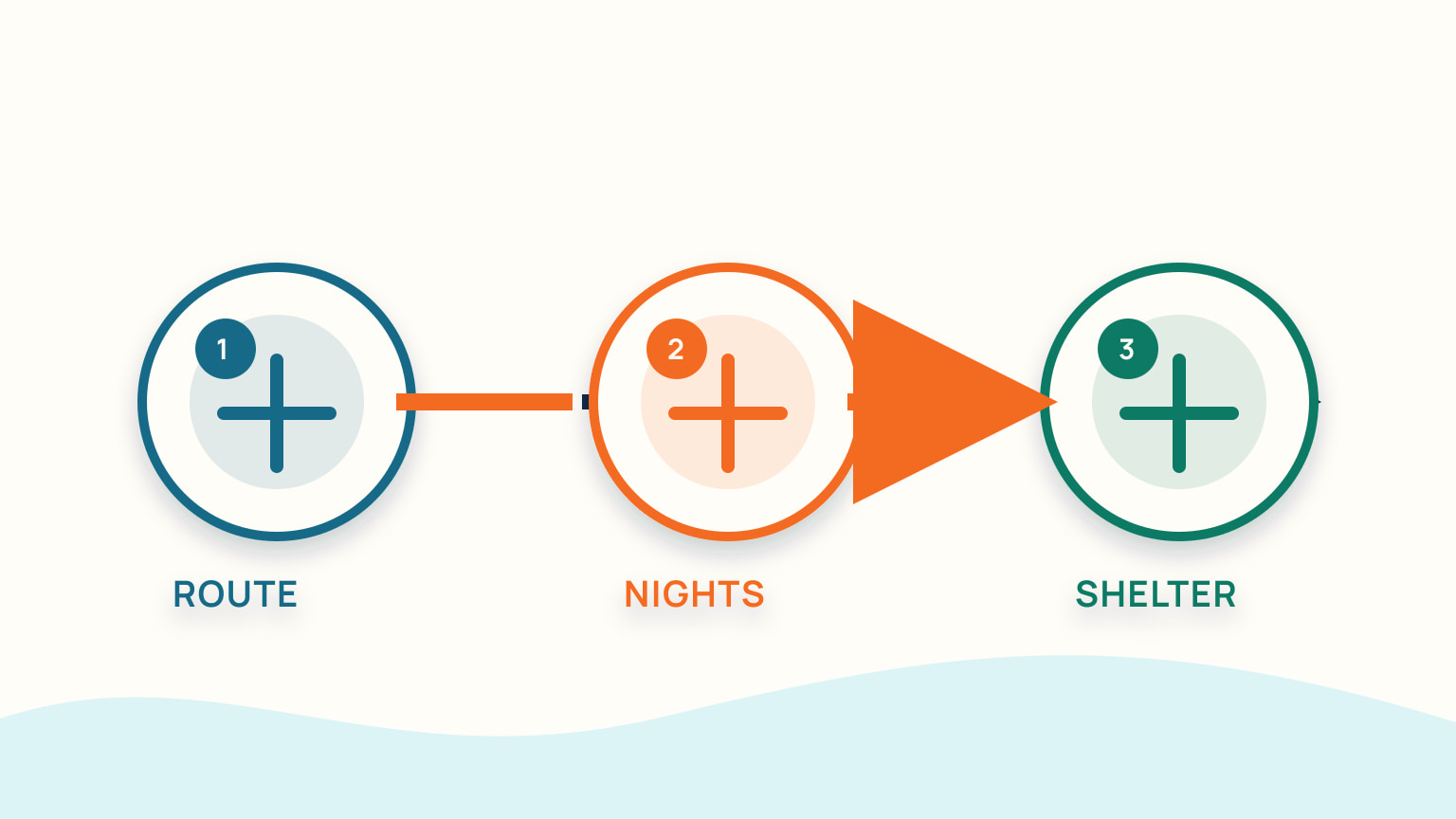
Start with the passage you actually expect to make in the next few years. Include distance, likely weather windows, time between refuges, depth and access, crew size, watchkeeping, communication, stores, maintenance support, and return options. Then inspect the boat against that job. The label becomes useful only after the decision evidence is on the page.
Begin with the passage, not the brochure
Describe a real first trip rather than an imaginary ocean crossing or an easy afternoon sail. Where does it begin and end? How long might it take? When could you stop? Who will be aboard? What happens if a forecast, equipment problem, illness, or crew fatigue changes the plan? The RYA's passage-planning guidance applies to trips within sight of land as well as longer voyages because planning effort grows from the boat and voyage.
This keeps the comparison grounded. A harbour-hopping holiday, a coastal passage with overnight legs, and a long offshore passage ask different things of a boat and crew. They may use some of the same systems, but the time, support, and consequences of a delay differ. Do not treat a large water tank, a heavy displacement figure, or a deep cockpit as a substitute for the plan.
Write down the route information you will need, the weather sources you will use, the places you could alter course, and the conditions under which you would wait. How to plan a sailing passage is a good starting point for turning that first-trip idea into a workable brief.
Match the boat's condition to the job
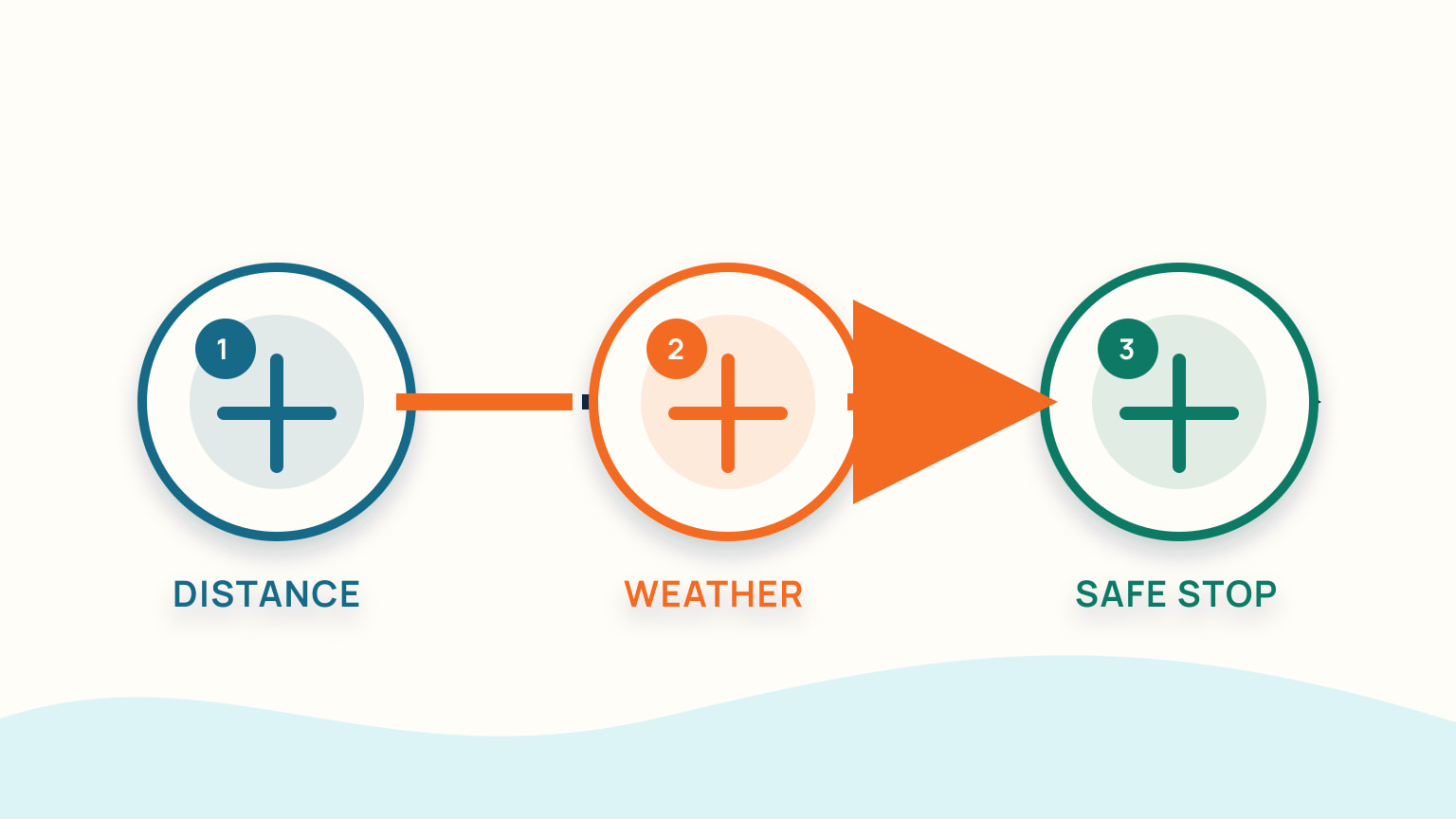
A purchase decision begins with condition evidence, not a specification list. Arrange a pre-purchase survey that covers accessible condition, and understand its limits. BoatUS notes that an ordinary process may involve afloat inspection, haulout, and a trial run. The surveyor may still recommend specialist engine, rigging, or other work where the question needs a closer assessment.
Make a system list based on your intended trip. Include hull and underwater gear, steering, rig, sails, propulsion, electrical power, charging, fuel, freshwater, sanitation, navigation, communications, ground tackle, and safety equipment. For each one, record what you saw, the records supplied, the surveyor's finding, work still needed, and who can perform it. “Bluewater equipped” does not close any of those columns.
The longer or more remote the route, the more useful it is to know the boat's actual state before you leave ordinary support behind. That is a planning observation, not a universal hardware rule. Sailboat survey red flags can help you organize specialist questions from a general report.
Ask whether the crew can run it day and night
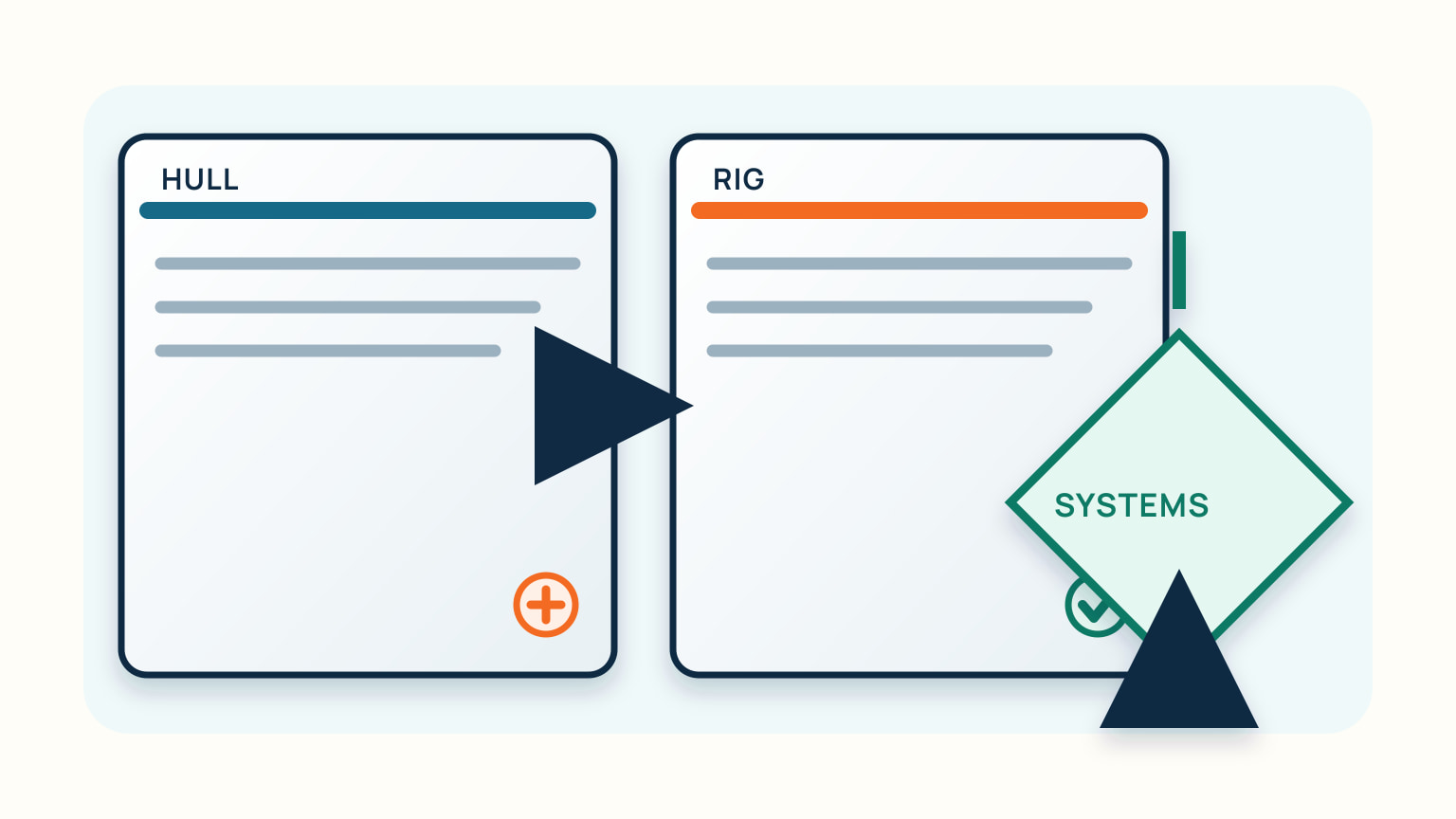
The skipper is responsible for planning and executing the passage, including vessel and watch management. That responsibility cannot be bought with a boat label. Consider who can reef, steer, navigate, handle an engine problem, use communication equipment, prepare food, rest, and make a conservative decision when the plan changes. Consider it separately for the boat's normal routine and for a crew member who needs a break.
Crew capability is not a status test. It is a workload question. A simple, well-understood boat that the actual crew can sail, maintain, and put away safely may fit better than a more complex yacht with systems nobody can diagnose. If you intend to take longer trips, build the experience in stages with supervised practice, short passages, and reviews of what the crew found difficult.
You also need a support plan. Decide who can advise from ashore, where parts or repairs could be arranged, what communication is reliable on the route, and when a problem means ending the trip. How much sailing experience you need offshore gives a measured way to build that decision from practice rather than bravado.
Talk through an ordinary difficult night, rather than an abstract emergency. Who is awake? Who checks position and traffic? Who prepares food or fixes a dripping hose? Who rests? What would cause the crew to divert or call for support? If those questions make the planned boat feel too complicated, simplify the trip, build skills first, or choose a boat with a smaller operating burden.
Compare systems by access and repairability
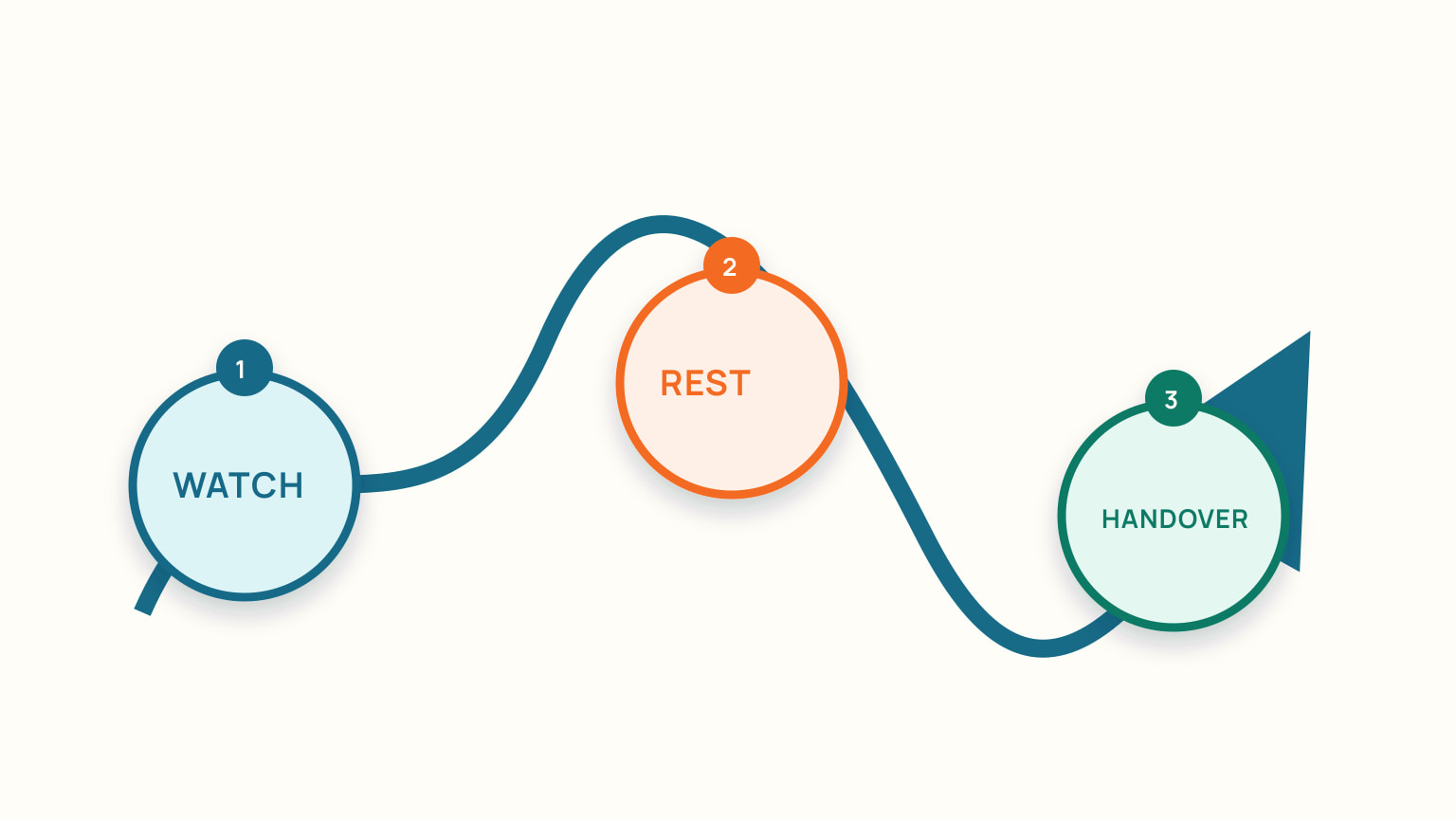
Instead of asking which category has more equipment, ask what you can reach, inspect, use, and repair aboard the particular boat. Open the engine space. Trace the steering access. Look at the rig and chainplate evidence. Find the seacocks, batteries, chargers, pumps, bilge spaces, tanks, filters, and electrical panels. Ask the owner or surveyor what has been serviced, what remains original, and what depends on a specialist.
This is where boat layout becomes practical. A system may exist but be inaccessible, poorly documented, or beyond the crew's ability to maintain at sea. Another boat may have fewer systems but straightforward access, spares, and records. Neither result proves a universal winner. It tells you which boat creates a manageable ownership and passage workload.
Keep a separate column for changes you would make before your planned route. Price them with enough scope to include installation, compatibility, commissioning, and access. Do not add a list of fashionable equipment to a purchase budget without determining whether it suits the boat. How to prioritize a sailboat refit helps sequence connected work.
Decide from evidence and alternatives
Now compare the candidates against one shared passage brief. Mark what is confirmed, what needs an inspection, what needs a quote, and what is a wish. Consider the destination, seasonal weather, crew schedule, expected watchkeeping, readiness work, available budget, and places where you can slow down or wait. The purpose is not to declare a winner for everybody. It is to find the boat that gives your own plan a realistic margin.
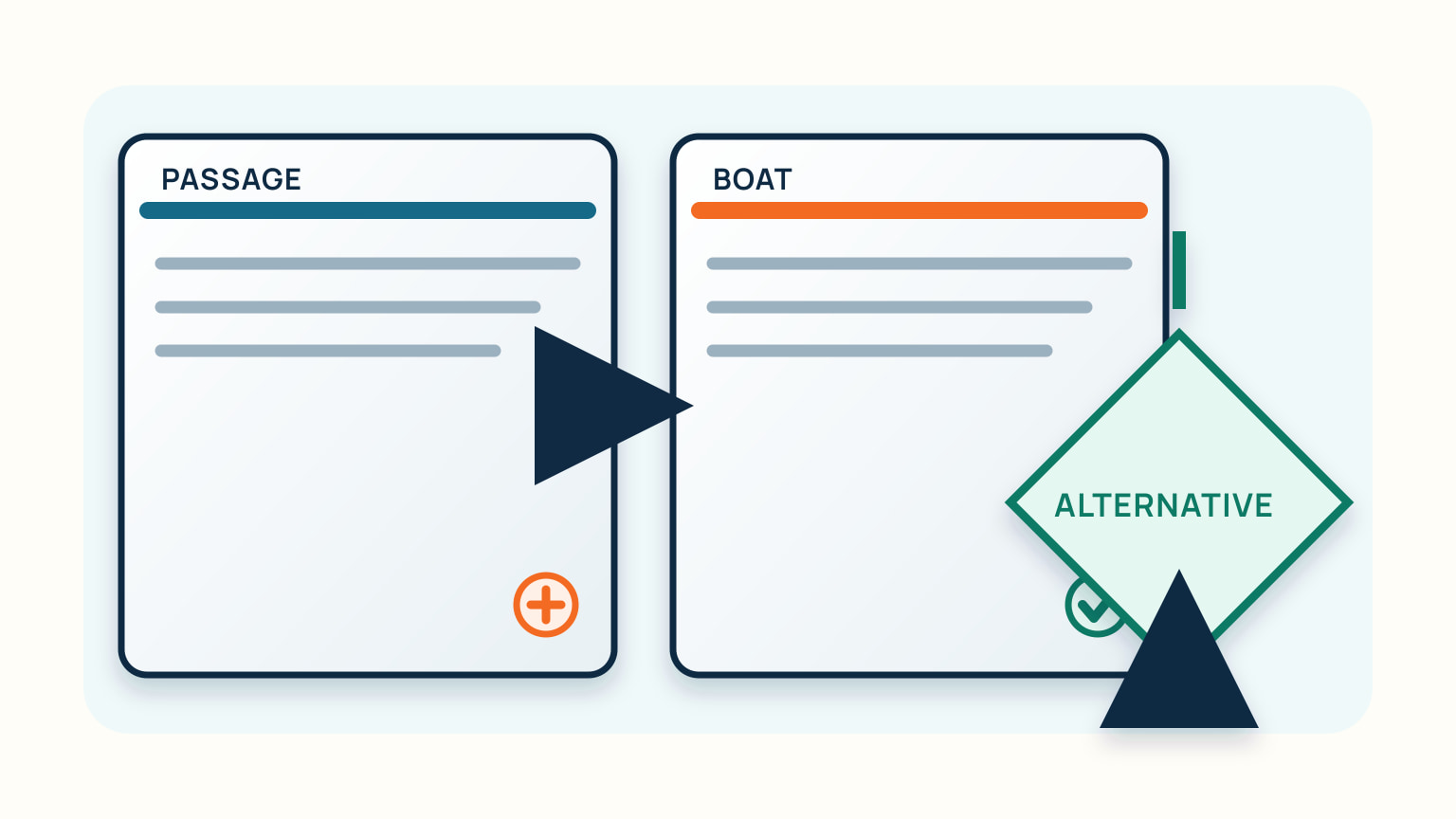
If a boat could make the trip only after substantial work, name that work and decide whether you will complete it before departure. If the answer depends on an unknown, arrange the inspection. If the route depends on an unusually narrow weather window, consider another route, season, crew plan, or boat. An alternative is a sensible part of passage planning, not a failure of ambition.
Rules for equipment, qualifications, communication, safety, insurance, immigration, and navigation can vary by route and jurisdiction. Verify current requirements for the trip you mean to make. A marketing category cannot tell you which rules apply or whether a particular boat complies.
The comparison may change after ownership begins. A boat that fits coastal trips today may become a better long-route boat as records improve, crew skills grow, and carefully chosen work is completed. Conversely, an ambitious boat can be scaled back to local sailing while its condition is understood. Buying a label does not set your future; ongoing evidence and conservative planning do.
Keep the comparison honest about comfort as well as capability. A berth, bunk, galley, and cockpit may be pleasant on a brochure and still be awkward for the people who will use them during a wet night, a rough meal, or a tired watch change. Spend time aboard if possible. The boat needs to support calm routine work, because that is what lets the crew preserve attention for navigation and changing conditions.
Make the comparison with a “first trip” and a “later trip” column. The first column should describe a route, season, crew and support plan you could undertake after the agreed inspection and preparation work. The later column can hold longer passages, additional equipment, or skills you may build toward. This removes pressure to buy every future capability immediately. It also reveals when a candidate needs so much work before even the first modest trip that another boat, another season, or a different plan would provide a more useful and safer start.
Choose a sailboat for the passage and ownership life you can support now, then build toward the trips you want next. A thorough survey, appropriate specialist evidence, an honest crew plan, and a route with alternatives make a better comparison than any label. SailStarter lessons can help you learn the language of systems and passage planning. Your skipper, surveyor, specialists, insurer, and current local guidance remain part of the decision for a particular voyage.
Try it from the lesson
Can you spot the next move?
A wide sailboat glides past on two side-by-side hulls, barely leaning at all. What type is it?
Why you can trust this guide
. We build each guide from public seamanship and safety sources, then teach the universal principle before any local difference.