Chart your course
How to Winterize a Sailboat

Quick answer
The short version
To winterize a sailboat, identify every place water can remain and follow the installed equipment manuals to drain it or protect it with a compatible product for the lowest expected temperature. Cover the engine and raw-water circuit, freshwater plumbing, tanks, toilet and holding system, pumps, refrigeration, drains, and any other water-using equipment. Service fuel, oil, filters, batteries, and charging as their manufacturers specify. Clean and dry the bilge, remove perishables, ventilate the interior, protect fabrics, secure openings, and inspect the rig and deck. A boat stored afloat needs a different line, fender, seacock, pumping, and visit plan from one stored ashore. Winterization is a boat-specific project, not one universal antifreeze recipe.
Start early enough to order parts and book professional help. Make a system inventory before buying fluids. Winterizing antifreeze used in drinking-water or raw-water systems is not the same product as engine coolant, and label temperature numbers can mean different kinds of protection. Read the product data and equipment manual together. If you cannot positively identify a circuit or drain point, do not improvise. Trapped water can damage expensive parts, while an incompatible fluid can create a different problem.
Check the forecast and yard deadlines as the season closes. A sudden cold spell can arrive before a convenient haulout date, so identify temporary protection steps in advance and confirm them against the relevant manuals.
How Do You Build the Winter Plan?
List every installed system and attach its manual procedure. Add the boat's construction, storage method, local lowest expected temperature, access during winter, and launch plan. Decide which jobs you own and which belong to the yard, mechanic, electrician, rigger, or sanitation service. Order filters, seals, compatible fluids, moisture control, cover parts, and labels before haulout day.
Record starting condition with photographs and meter readings from installed monitors. Note existing leaks or defects rather than sealing them inside the winter plan. Schedule repairs that need the boat afloat before haulout and underwater work after lifting. A checklist should also include reversal: tag closed valves and disconnected hoses so commissioning does not depend on spring memory.
How Do You Protect Water Systems?
Drain freshwater tanks, heaters, pumps, taps, showers, deck wash, sumps, and other branches as their manuals direct. A water heater may need isolation or bypass before compatible winterizing fluid enters the rest of the plumbing. Empty and service the sanitation system through an approved facility, then protect the toilet, hoses, pumps, and tank according to their manufacturer instructions and current local rules.
Trace low points where water can remain. Clean strainers and leave components in the prescribed storage state. Do not assume pink colour at one tap proves every branch is protected. Each outlet, appliance, and dead leg needs its own confirmed path. Clearly label any fluid that is not safe for drinking-water systems and prevent cross-connection.

What About the Engine and Electrical System?
Engine procedures vary with inboard, outboard, cooling design, fuel, and model. The manual may call for oil and filter service, fuel treatment, raw-water flushing or protection, coolant checks, belt and hose inspection, exhaust attention, or cylinder treatment. Follow that sequence and use the specified products. Verify that protected fluid reached the intended circuit without running a pump dry.
Inspect batteries, cables, cases, and security. Charge and store each battery according to its chemistry and manufacturer. Decide which circuits remain powered, such as an automatic bilge pump on a boat stored afloat, and confirm the charging arrangement is designed for unattended use. Turn off other loads through known controls. Shore power, heaters, and improvised extension leads add fire and shock risks; have uncertain arrangements checked professionally.
How Should the Stored Boat Be Secured?
Clean and dry the bilge, lockers, refrigerator, and soft furnishings. Remove food, rubbish, portable electronics, and items that attract moisture or pests. Ventilate without leaving an opening that admits weather. Secure the tiller or wheel, boom, halyards, covers, hatches, and deck equipment. A fitted cover needs support, drainage, chafe protection, and airflow. It must not load stanchions or collect snow and water.
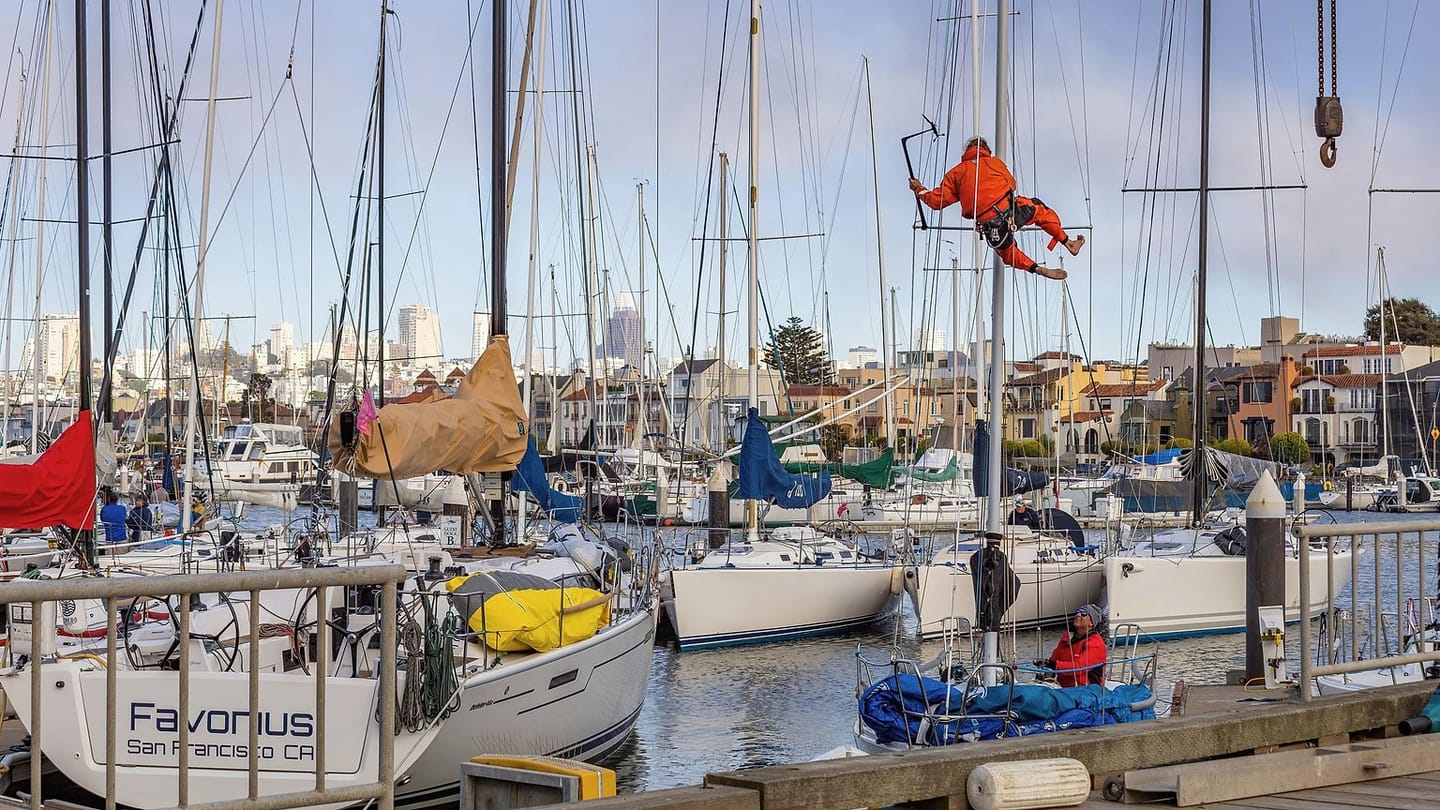
For afloat storage, inspect dock lines, chafe gear, fenders, seacock positions, pumps, and access after storms. For ashore storage, rely on the yard for designed stands and blocking, never adjust them casually. Arrange periodic visits. Check cover tension, supports, moisture, batteries, lines, and evidence of leaks or pests. Winterized does not mean abandoned.

Build the plan from manuals and climate
List every system that contains water, fuel, oil, a battery, moving parts, fabric, or a path for rain. Then collect the current manual for each installed engine, head, pump, heater, watermaker, battery charger, and other equipment. Winterizing methods differ by system and by whether the boat stays afloat, is hauled, or is stored in a heated space.
Mark which tasks require a qualified yard or technician. Freezing conditions, local environmental rules, warranties, and marina procedures can change what is safe and permitted. Use current local instructions for fluid handling and disposal. The checklist should name the exact product and method approved for the equipment, not a generic substitute.
Work through water pathways
Trace fresh water from each tank to every pump, heater, tap, shower, and outlet. Trace seawater from each seacock through its hose, strainer, pump, equipment, and discharge. Drain or protect each part using its manual. A low loop or forgotten branch can retain water after the main tank appears empty.
Label valves and record their storage position. Do not close or open a seacock by guess. Inspect hoses and clamps while the system is accessible. The bilge-water guide helps you map compartments and likely inflow paths, while the maintenance checklist puts those inspections into a wider schedule.
Protect machinery and electrical systems
Follow the engine maker's storage procedure for fuel, cooling, oil, filters, exhaust, intake, and corrosion protection. Record the work and parts. Do not run an engine or pump without the supply its manual requires.
For batteries, identify the battery type and follow the maker's storage and charging instructions. Clean and inspect connections with the system isolated as directed. Decide whether batteries remain aboard or are removed based on the installation, charger, climate, and manual. Do not leave an unknown charger connected for months.
Dry, support, and ventilate the boat
Remove food, waste, wet textiles, sails, and gear that needs dry storage. Clean the bilge so new leaks or contamination will be visible. Arrange ventilation without creating a rain path or a security problem. Support covers so water and snow cannot form heavy pockets, and keep chafe away from paint, windows, and rigging.
If the mast remains stepped, inspect the standing and running rigging that will stay exposed. If it comes down, support it and protect fittings, wiring, and openings. Use the yard's blocking and cradle rules for a hauled boat. Hull support is specialist work, not a place to improvise.
Schedule checks and commissioning notes
Storage is not a single visit. Set inspection dates based on weather, access, insurer or marina conditions, and the systems left active. Check cover tension, lines, fenders, water accumulation, shore power, ventilation, pests, and signs of movement. Record what changed.
Keep a spring list beside the winter checklist. Every disconnected hose, removed drain plug, isolated battery, closed valve, and disabled system needs a matching commissioning step. Tag it at the point of work and photograph the normal arrangement when useful. A careful shutdown is complete only when the next crew can restore every system without relying on memory.
Use SailStarter's engine pre-start lesson to design the spring half of your winter checklist now. Beside every winter action, write the commissioning action that reverses it: reconnect, open, fill, flush, inspect, test, or remove a tag. Keep product names, quantities, dates, and photographs with the boat record. Before the first freeze, walk through the vessel from bow to stern and name every system that holds water, fuel, charge, pressure, or stored mechanical load. If one path is unclear, find its manual or book a qualified technician. Finally, schedule winter visits and a spring launch check rather than leaving both vague. A good winterization plan protects the boat through cold weather and leaves a readable trail back to safe operation.
Before the final visit, walk through the spring list in reverse. Confirm that every task has a matching restoration instruction and that removed parts are labelled and stored with the boat. Leave contact details and access information required by the yard or marina. The best winter checklist also prevents a rushed commissioning mistake months later.
Try it from the lesson
Can you spot the next move?
The engine is idling, the boat is safely secured and the propeller area is clear. What should you confirm before departure?
Why you can trust this guide
. We build each guide from public seamanship and safety sources, then teach the universal principle before any local difference.