Chart your course
Marine Diesel Maintenance Checklist for Sailboats

Quick answer
The short version
A marine diesel maintenance checklist begins with the exact engine and installation manuals. Before starting, inspect the bilge and engine space for water, fuel, oil, coolant, loose gear, damaged hoses or belts, and blocked ventilation. Check fluid levels and seacocks by the model procedure. After starting, confirm cooling-water discharge where applicable, normal oil-pressure and temperature indications, charging, alarms, exhaust, and the absence of leaks, unusual noise, smell, or vibration. Scheduled work may cover lubricating oil, coolant, fuel and air systems, belts, raw-water pump, heat exchanger, exhaust, mounts, controls, transmission, and electrical connections, but hours, calendar intervals, fluids, and parts vary. Keep a service log and use a qualified technician for injection, internal, high-current, pressurized, or unfamiliar work.
A diesel often accumulates few hours on a sailboat, yet it may sit in damp air and then be expected to work hard during docking or poor weather. Low use is not no use. Calendar-based service, clean fuel, cooling-system condition, and regular observation still matter. The checklist should make the engine's normal state familiar. It should never replace the schedule or tempt an owner to open a pressurized fuel system after watching an unrelated model online.
Begin With the Engine and Installation Manuals
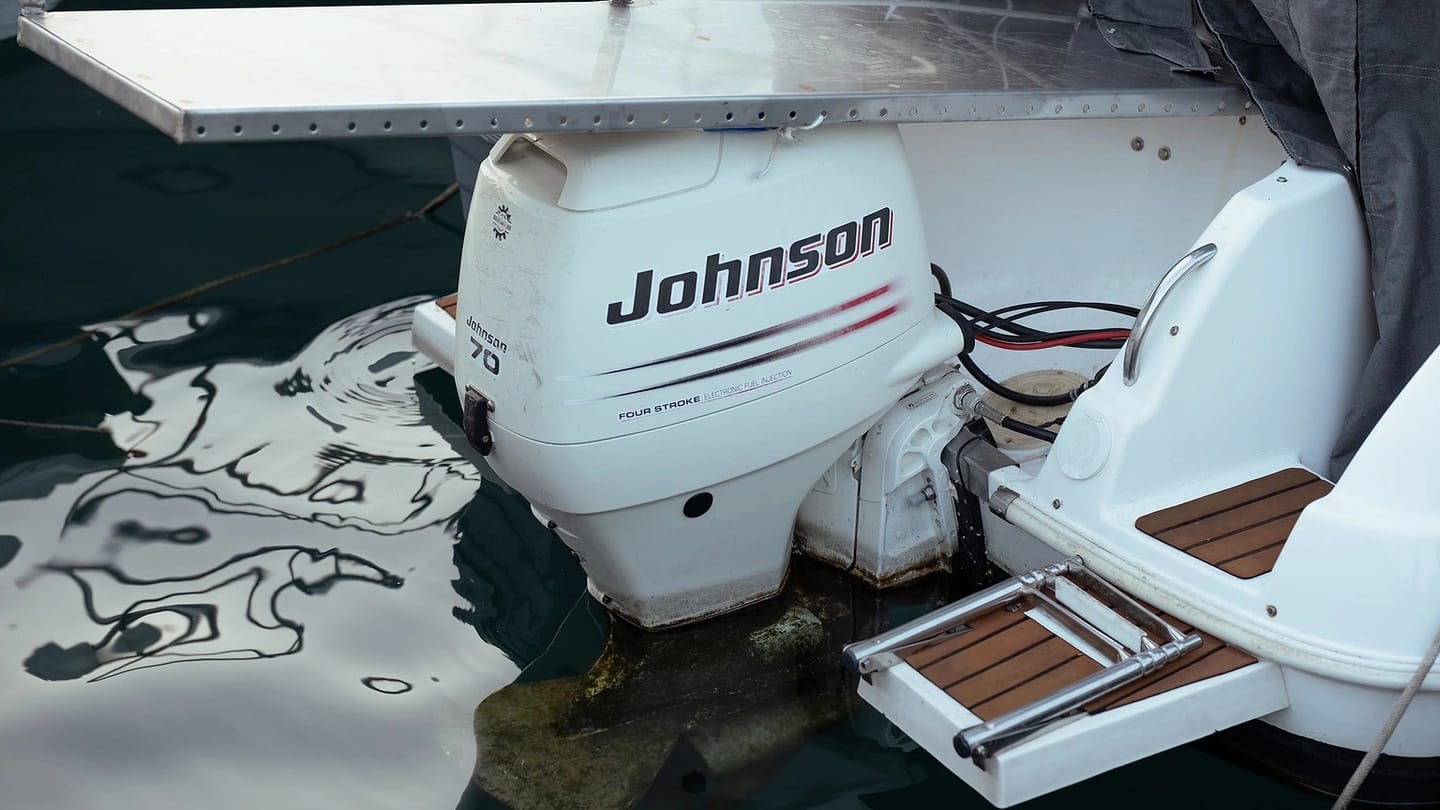
Record engine, gearbox, saildrive if fitted, and generator model and serial numbers. Obtain the correct operation, maintenance, and installation information. Build one schedule that shows both engine hours and calendar dates, including initial or severe-service items when applicable. List the approved fluid specifications, capacities, filters, belts, impellers, anodes, seals, and special tools. Manufacturer support guidance also distinguishes owner-permitted tasks from dealer work and may affect warranty.
Include the installation around the engine as well as the block. Fuel tank, shutoffs, primary separator, exhaust hose and waterlock, raw-water seacock and strainer, siphon protection, ventilation, mounts, shaft or saildrive, controls, battery, charger, and wiring may come from different suppliers. Gather those manuals too. Make a simple diagram of shutoffs and emergency stops. If you do not understand a valve or component, identify it while safely at the dock with help available.

Make the Same Pre-Start Checks Every Time
Open the engine space and use sight and smell before touching a switch. A clean absorbent pad or bilge makes new fluid easier to identify. Look for loose objects, rubbed hoses, salt deposits, soot, green or white corrosion, belt dust, drips, and changed wiring. Check oil and coolant only as the manual directs and when the engine is in the required condition. Inspect belt condition without placing hands near a system that could start.
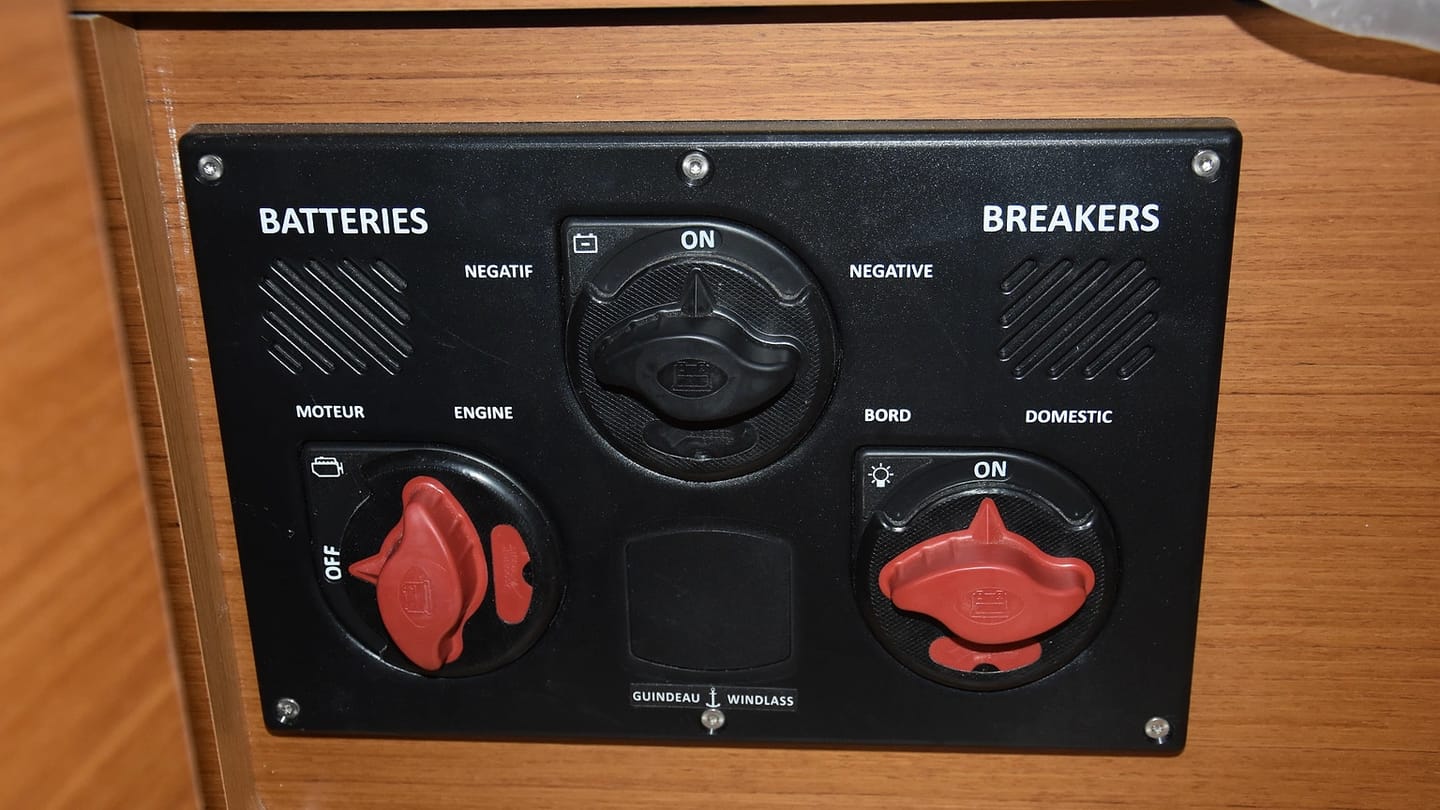
Confirm the raw-water intake path is ready and the strainer is clean where inspection is safe. Verify fuel shutoff position, tank level, battery switch arrangement, and control movement according to the installed system. Never test for a pressurized fuel leak with a hand; injection injuries are medical emergencies and the system belongs with trained service. Close guards and secure tools before starting. Tell anyone nearby that the engine will run and keep clear of belts, shafts, hot exhaust, and moving controls.
Service by Both Operating Hours and Calendar Time
Use the manual table as the master list. Common categories include engine oil and filter, primary and engine fuel filters, coolant, raw-water pump, belts, air intake, heat exchanger, exhaust mixing components, mounts, control cables, gearbox or saildrive lubricant, electrical terminals, and corrosion protection. Not every engine has every item, and none shares a universal part or interval. Note dependencies before beginning, including safe fuel handling, coolant disposal, access, bleeding procedures, and replacement seals.
Inspect what removed fluids and parts can tell you without overdiagnosing them. Unexpected water, metal, heavy contamination, damaged impeller pieces, or repeated belt dust needs an explanation. If an impeller has missing vanes, the job may extend downstream through the cooling path rather than ending with a new impeller. Use calibrated tools where the manual gives values. Do not improvise filters, coolant chemistry, hose, or lubricant. Record the exact product and part so the next service does not restart the research.
Watch the Engine Run and Treat Changes as Evidence
Create one repeatable engine log
Record date, engine hours, work completed, parts and fluids used, and the observations made before, during, and after running. Include oil and coolant level trends, belt condition, filter changes, raw-water discharge, charging, exhaust appearance, leaks, temperature, sound, and vibration. Use the engine maker's stated limits rather than inventing normal values.
A trend is often more useful than one isolated reading. A fluid level that slowly falls, a belt that repeatedly loosens, a filter that blocks early, or cooling flow that changes deserves investigation. Write the symptom before replacing parts so the result can be compared afterward.
Keep manuals, model and serial numbers, service history, and a parts list together. Confirm that spares match the exact engine and installation. An impeller, belt, filter, or fluid that looks similar may not meet the maker's specification.
Separate owner checks from skilled work
Routine visual checks and manual-listed service may be suitable for a prepared owner. Fuel injection, internal engine work, alignment, exhaust faults, high-current charging, or uncertain cooling problems may require a qualified technician. Stop when the manual, safe isolation method, tools, or diagnosis is unclear.
After service, inspect the work area, account for tools, open required valves, restore isolation, and run the engine using the maker's procedure. Watch cooling-water flow and instruments. Check again for fuel, oil, coolant, water, or exhaust leaks after shutdown.
The overheating guide gives a symptom-first response when temperature rises. The battery maintenance guide covers the charging bank that may depend on the alternator. Keeping those records together helps distinguish an engine fault from an electrical or installation fault.
Calendar tasks still matter on a low-hour engine because fluids, rubber parts, corrosion protection, and fuel can age while the boat sits. Follow both the hour and time intervals in the current manuals, then adjust only with documented manufacturer or professional guidance.
A pre-departure evidence check
Before a longer trip, compare the service log with the engine's current hour and calendar schedule. Confirm that overdue work is completed, not merely booked. Inspect spares and tools against the likely owner-service tasks, and replace parts whose packaging, shelf condition, or specification is doubtful.
Run the engine under the normal conditions needed to confirm cooling, charging, controls, and leaks. A brief idle at the berth may not reproduce a fault that appears under load. Test only where the boat can be controlled safely and follow the maker's operating limits.
After shutdown, look again. Some coolant, oil, fuel, raw-water, exhaust, or shaft-area leaks become visible only after temperature and pressure change. Note smells and residue rather than wiping them away before finding the source.
If a trip depends on the engine for a confined entrance, charging, refrigeration, or safety equipment, include the consequence of failure in route planning. Maintenance reduces risk, but a sailboat still needs an alternative for propulsion loss and a way to communicate.
Start with controls in the specified position and watch the panel. Confirm alarms perform their normal self-test and then clear as designed. Look for cooling-water discharge where the installation should show it. Reinspect for fuel, oil, coolant, raw water, and exhaust leaks without reaching near moving parts. Note smoke after warm-up, exhaust odor, vibration, charging behavior, throttle response, shifting, and any gauge change from the normal baseline.
After service, test first while secured and then under controlled load in suitable water. Some leaks and mount movement appear only when the engine is working. Stop for an alarm, loss of cooling discharge, rapidly rising temperature, oil-pressure warning, fuel leak, exhaust leak, severe vibration, or abnormal mechanical noise. Recheck the engine space after shutdown once the manual says it is safe. Log results and keep unresolved symptoms open. A recurring need to top up fluid is a fault to investigate, not routine consumption to normalize.

Use SailStarter's engine pre-start lesson to practice the observations that matter before every departure. Create a one-page card with the intake, fluid, belt, bilge, fuel, battery, cooling-discharge, alarm, and shutdown checks for your installation. Put the full service schedule in the maintenance log with both the next hour and date trigger. Photograph the engine space when it is clean, label the filters and shutoffs, and keep model-correct spares where they remain dry. Arrange professional help for any task outside the manual or your competence. Familiarity is the payoff: you should notice a fresh stain, new sound, different vibration, or slower start before the engine is asked to solve a difficult situation.
Try it from the lesson
Can you spot the next move?
The engine is idling, the boat is safely secured and the propeller area is clear. What should you confirm before departure?
Why you can trust this guide
. We build each guide from public seamanship and safety sources, then teach the universal principle before any local difference.