Chart your course
In Irons: What It Means and How to Escape
Quick answer
The short version
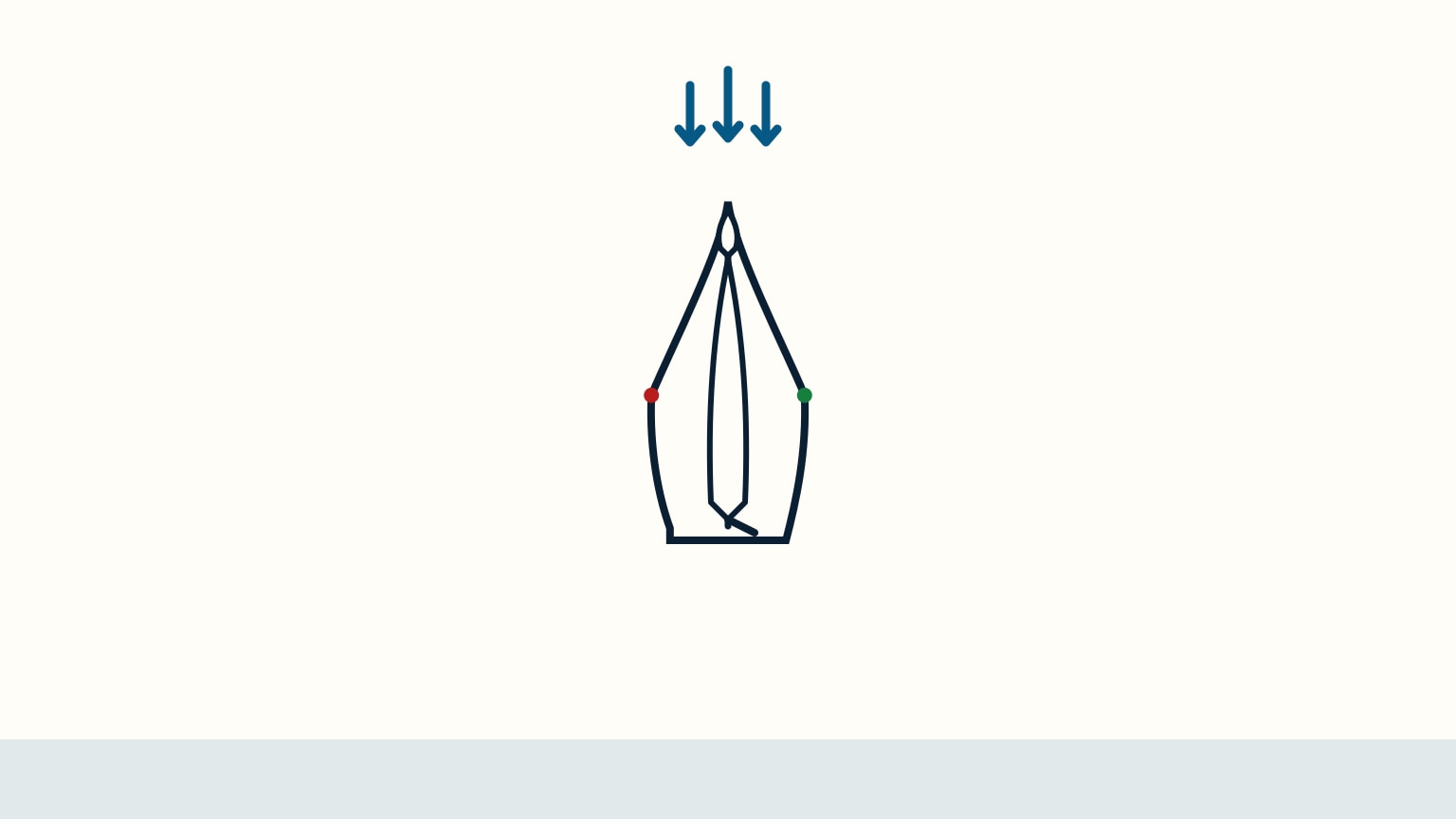
"In irons" means your sailboat has stalled pointing straight into the wind: the sails are luffing, you have no forward or backward way, and the rudder does nothing because no water is flowing past it to steer with. It happens to nearly every sailor sooner or later (from a tack that loses its momentum before it crosses, from pinching too close to the wind for too long, or from heading up to a deliberate stop and lingering there too long). The escape works the same way regardless of the cause: let the boat drift backward first, back the jib to one side, and push the tiller toward that same side. As sternway builds, the bow swings away from the backed side and the boat gathers way on the tack that side names. Release the backed jib, trim normally, and bear away onto a reach before heading back up.
"In irons" describes a boat stopped head to wind with no useful forward drive. It is a common beginner mistake and a condition you can recover from. What matters is recognizing it quickly and knowing the sequence that gets the boat sailing again. This guide covers what "in irons" means, the ordinary ways boats end up there, and the steps (sternway, a backed jib, and reversed steering) that move the bow out of the wind and onto a new tack.
What Being "In Irons" Actually Means
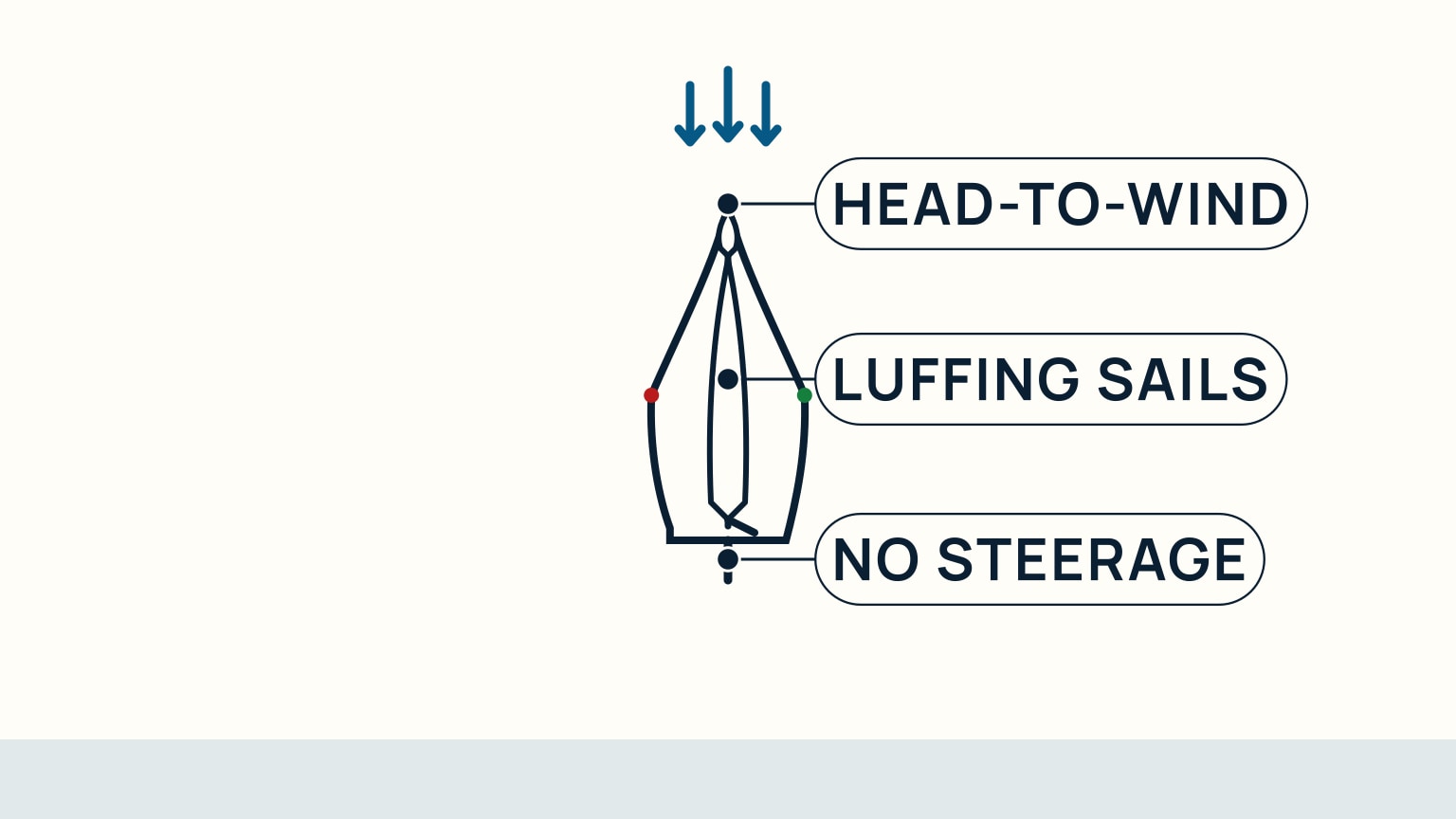
Being "in irons" means your boat has come to a stop pointing straight into the wind, with the sails luffing and no water moving past the rudder to steer with. It doesn't matter how you got there. A boat stalled head to wind is in irons whether a tack lost its momentum before the bow finished swinging, you pinched too close to the wind for too long, or you headed up to a deliberate stop and stayed there a beat too long. The state is identical in every case, and so is the fix.
The part that catches beginners off guard is the "no steerage" half of it. A rudder only works when water is flowing past it, in either direction. A boat stalled dead in the water, however it got there, has no flow past the rudder at all. Shoving the tiller hard over the instant you stop does nothing; there's nothing yet for the rudder to bite into.
How Boats End Up In Irons
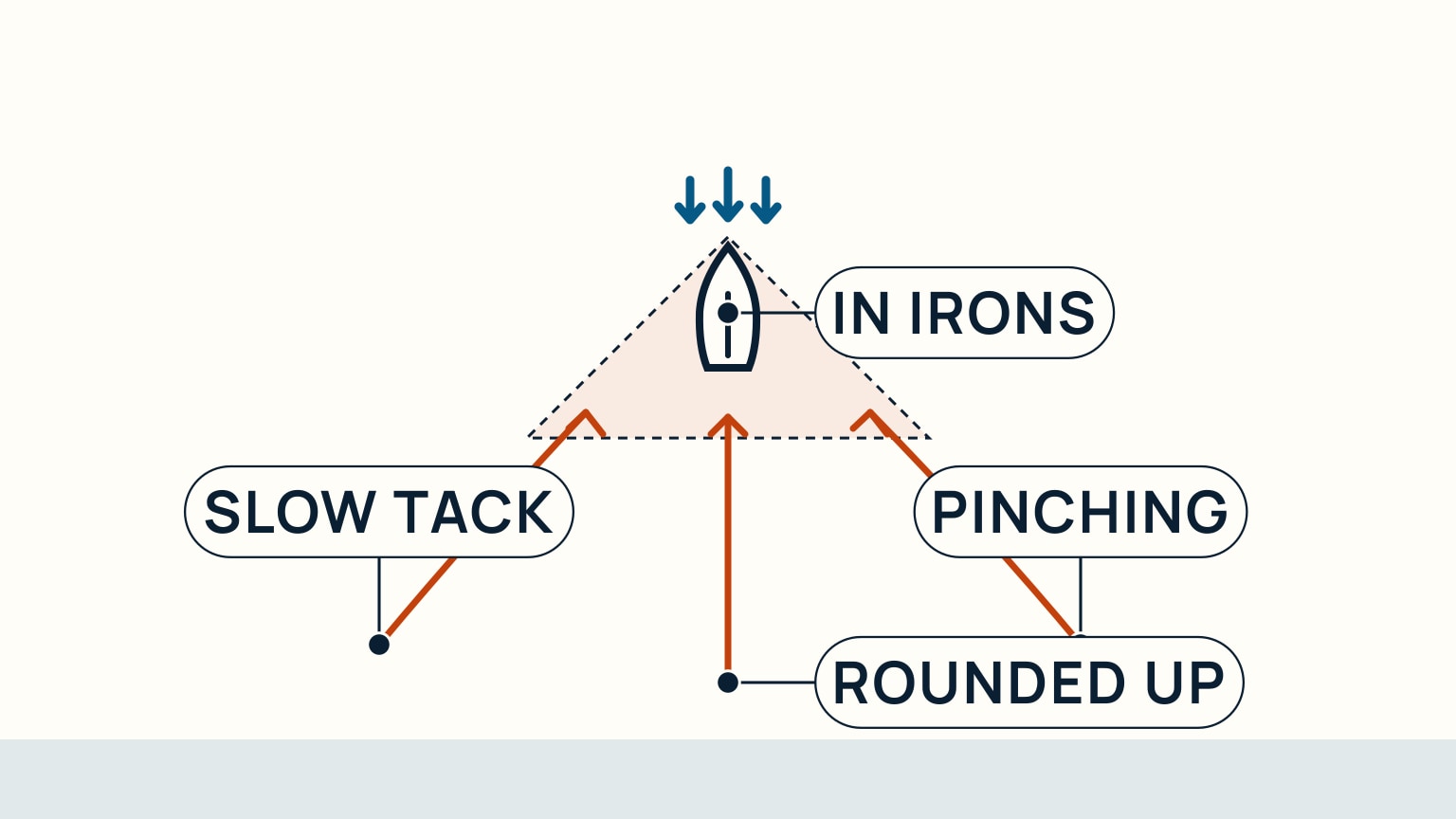
Three everyday moments lead to the same stall. The most common is a tack that loses its momentum before the bow finishes swinging across: turn too slowly or too hesitantly, and the boat runs out of speed before it reaches the new close-hauled course on the other side. Pinching (sailing too close to the wind for too long while chasing a slightly better angle) bleeds off boat speed the same way, just more gradually; the jib starts luffing at its leading edge first, then the boat stalls if you don't bear away in time. The third is a deliberate stop: heading up to pause head-to-wind (to sort out a line, check the chart, wait on another boat) and lingering there a beat too long. What started as a controlled pause bleeds off boat speed the same way the other two do, until the boat stalls dead instead of just slowing down.
None of these is a mistake worth dwelling on. They're three different doors into the same room, and the way out is identical from all three.
The Escape: Sternway, a Backed Jib, and a Reversed Tiller
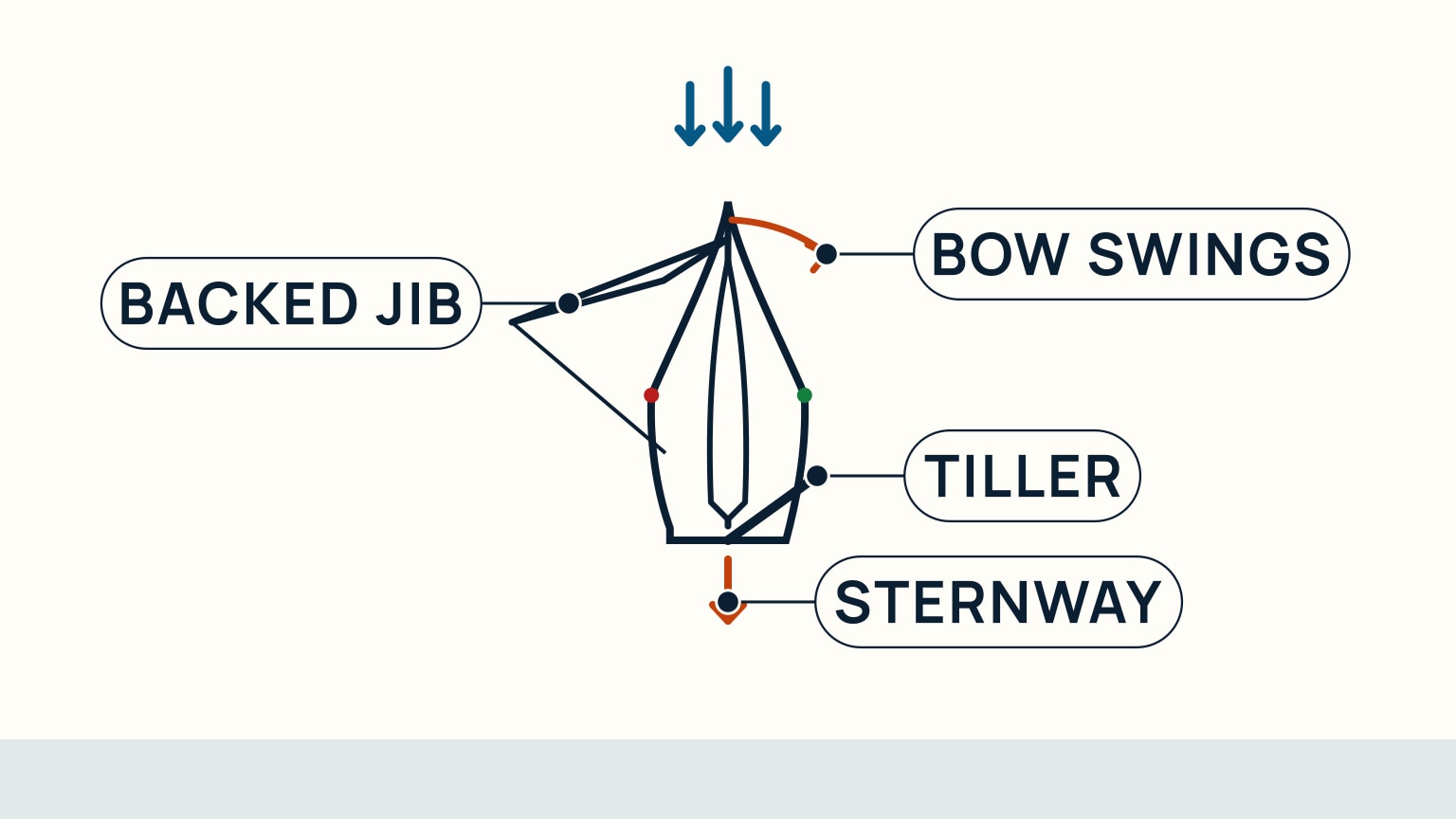
Nothing in this sequence works until the boat is moving backward, so the first move is patience: let it drift into sternway instead of fighting to point forward again right away. Once it's making sternway, back the jib: haul its sheet in on the side away from wherever you want the bow to end up, and hold it there against the wind instead of letting it luff free. Wind pressure on the backed sail pushes the bow off, away from that side.
As sternway builds, push the tiller toward that same desired side. Moving backward reverses the usual steering rule: instead of pushing the tiller away from where you want the bow to go, you push it toward it. The backed jib and the reversed tiller work together, walking the bow off the wind and away from the backed side.
Which side you back the jib to decides which tack you leave on, and the two share a name: back it to port and the boat leaves on port tack, because the bow swings away from port, and that swing brings the wind back around onto the port side. Keep the mainsail eased the whole time. Sheeting it in while it's still luffing near the wind can refill it and drive the bow straight back toward head-to-wind.
Finishing the Recovery: Release, Trim, and Bear Away
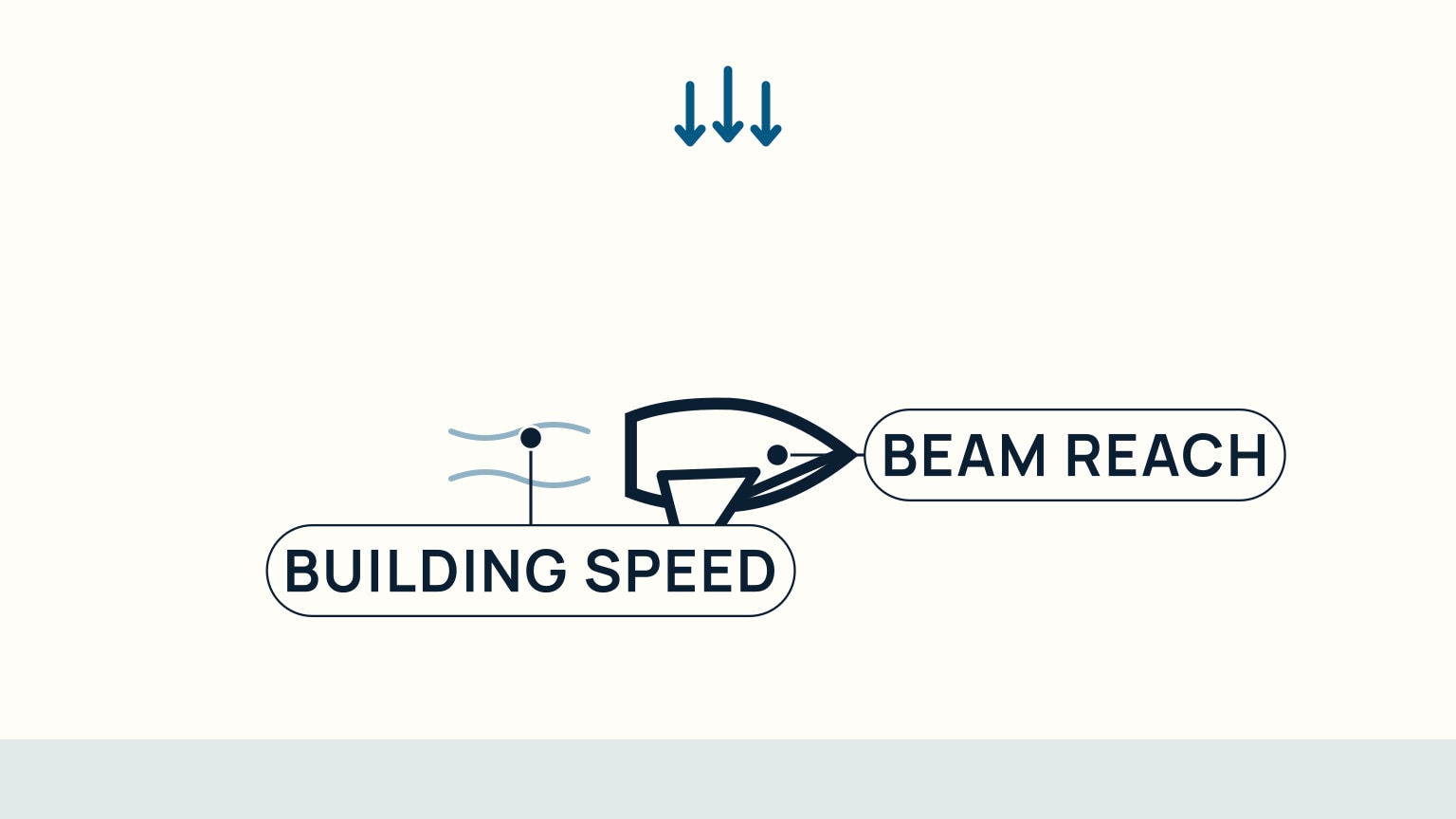
Once the bow has swung past the close-hauled angle on the new tack, let the backed jib go and trim it normally on its new leeward side. The sheet you were holding against the wind becomes the working sheet again. Resist the urge to head straight back up to close-hauled. Bear away onto a reach first instead, sails eased for speed rather than pointing.
A reach rebuilds boat speed with the rudder fully answering again, and it buys plenty of time to get everything settled (sails trimmed, crew positioned, course checked) before you head back up to resume whatever course you were on. Coming out of irons in a rush, pinching straight back up to close-hauled from a standing start, risks stalling the very same way you got in.
Diagnose why the bow stopped
Think back to the entry. The boat may have begun the tack with too little speed, turned too slowly through the no-go zone, or tried to settle too close to the wind on the new side. An early headsail release or an over-trimmed new sheet can also leave the boat without the drive needed to finish.
Change one cause on the next attempt. Build a steady approach, brief the crew, turn positively, release at the practised cue, and let the boat settle before trimming hard. The tacking guide gives the complete sequence.
Use the recovery your boat supports
When the boat has sternway, steering acts in the reverse sense from normal forward motion. Use that response to move the bow away from the wind, then return the helm as forward motion builds. A backed jib can help push the bow to the chosen side when the boat and crew procedure use it.
Keep the crew clear of loaded sheets and the boom. If traffic, shore, or depth removes the room needed for recovery, use propulsion or another safe option under the skipper's plan. Practise in open water with suitable supervision before relying on the manoeuvre near a boundary.
Finish on a forgiving course
Bear away far enough for the sails to fill and the boat to gain steerage. Trim gradually. Trying to return immediately to the highest possible course can put the boat back in irons before speed returns.
Once stable, check lookout, position, and the intended track. Then decide whether to resume close-hauled sailing or choose a wider angle. The upwind sailing guide explains why progress comes from workable angles and tacks rather than pointing directly at the destination.
Getting stuck in irons is one of those sailing moments that feels bigger than it is the first time it happens (sails flapping, boat going nowhere, everyone glancing at the helm). Once you've walked through the sequence a few times, it stops being a crisis and turns into just another maneuver: patience, a backed jib, a reversed tiller, then trim and bear away. SailStarter's beginner lessons cover this recovery alongside the points of sail and tacking that set it up, working through the same sequence step by step. If you'd like to build that instinct before you need it on the water, try a lesson and work through it yourself.
After recovery, ask which cue appeared first: falling speed, a luffing sail, lost steerage, or the bow refusing to cross. Use that cue as the earlier intervention point on the next tack. The best recovery lesson is recognizing the stall before the boat fully stops.
Practise the recovery on both sides. A crew that has only backed one jib may hesitate when the open-water side is the other one. Use the same calls, keep the boom and sheets controlled, and finish on a broad enough course to build speed before repeating.
Try it from the lesson
Can you spot the next move?
You pinch too long and stall head to wind, sails luffing. What's the first thing to do?
Why you can trust this guide
. We build each guide from public seamanship and safety sources, then teach the universal principle before any local difference.