Chart your course
Strong-Wind Sailing: Prepare Before It Hits

Quick answer
The short version
Prepare for stronger wind before the boat is overpowered. Read the complete marine forecast for your zone, including direction, strength, sea state, visibility, warnings, and expected changes. Choose a route with sea room and a simple way to shorten or end the sail. Reef while the boat is still controllable, secure loose gear, put suitable flotation and weather clothing on, and brief the crew on roles and communication. Keep a means of calling for help available and know your position. There is no universal wind-speed cutoff for every sailor. The real decision depends on the boat, crew, waves, water, route, and forecast. If that combined picture sits beyond your demonstrated ability, delay, shorten, or cancel the sail. Good strong-wind seamanship often happens before the dock lines come off.
Heavy-weather videos concentrate the difficult moments into dramatic minutes. Preparation is quieter. It is the forecast checked twice, the reefing lines identified at the dock, the loose cabin gear stowed, and the return route protected from a lee shore. Strong wind increases load, noise, heel, spray, and the effort needed for ordinary jobs. Every task you complete early leaves less to manage when the boat begins moving faster. The goal is not to prove that you can endure a number on the wind display. It is to keep enough margin that steering, sail handling, communication, and retreat remain ordinary decisions.
Read the Whole Forecast
Wind speed alone does not describe the day. Direction decides whether the route begins sheltered or exposed and whether the return leads toward or away from a lee shore. Sea state changes motion and deck work. Visibility affects navigation and lookout. Warnings and forecast changes show whether conditions are stable or building.
Use the forecast for the exact marine zone and expected time. Add tide or current, daylight, harbour entrances, and local hazards. A wind against current can produce a rougher sea than either number suggests alone. An offshore wind may make the water near launch look smooth while increasing the difficulty of returning.
Set decision points before departure: the latest time to turn back, the place beyond which shelter decreases, and the forecast change that ends the plan. These are easier to respect when agreed before excitement and motion arrive.
Shorten Sail Before the Load Builds
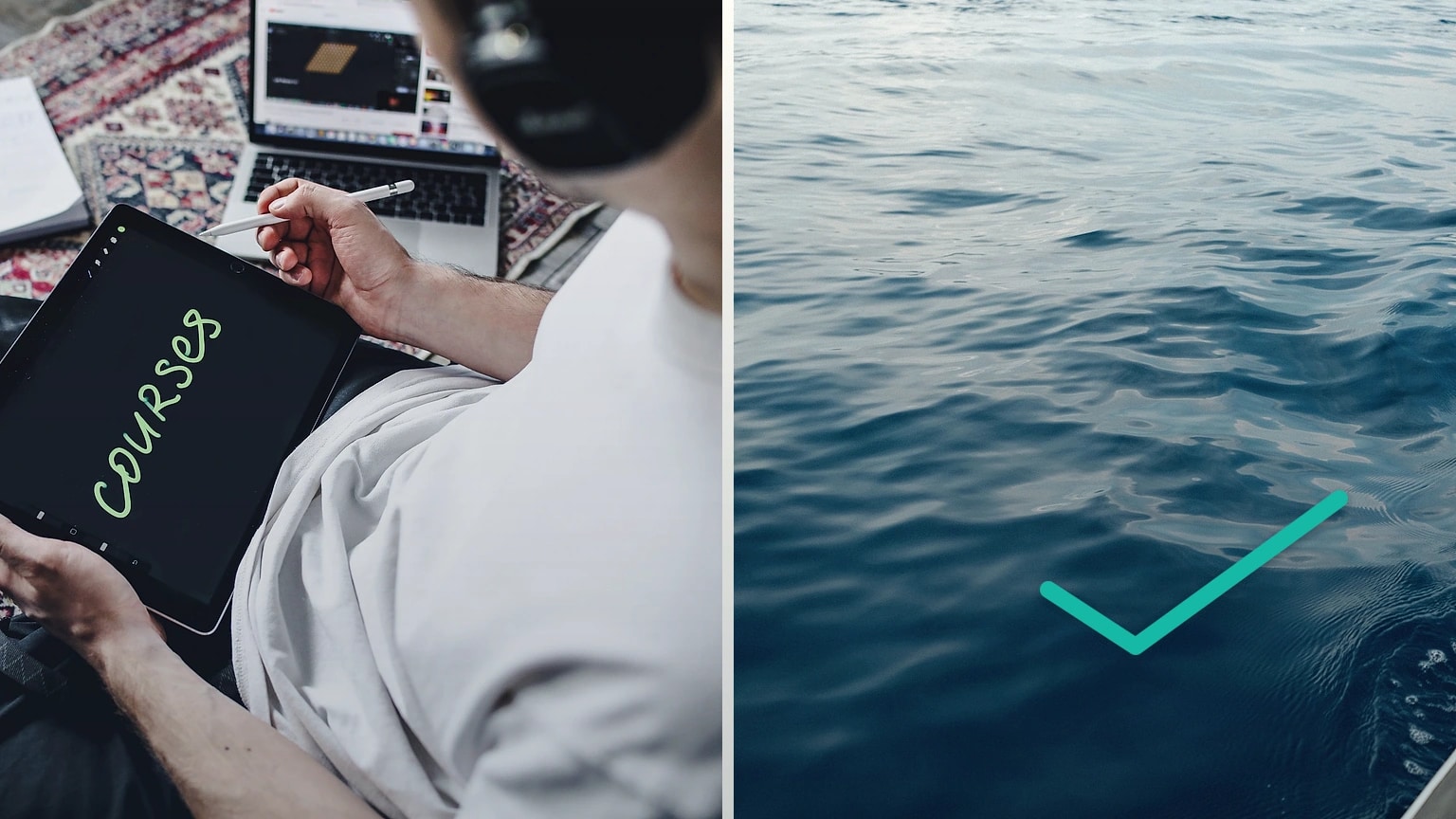
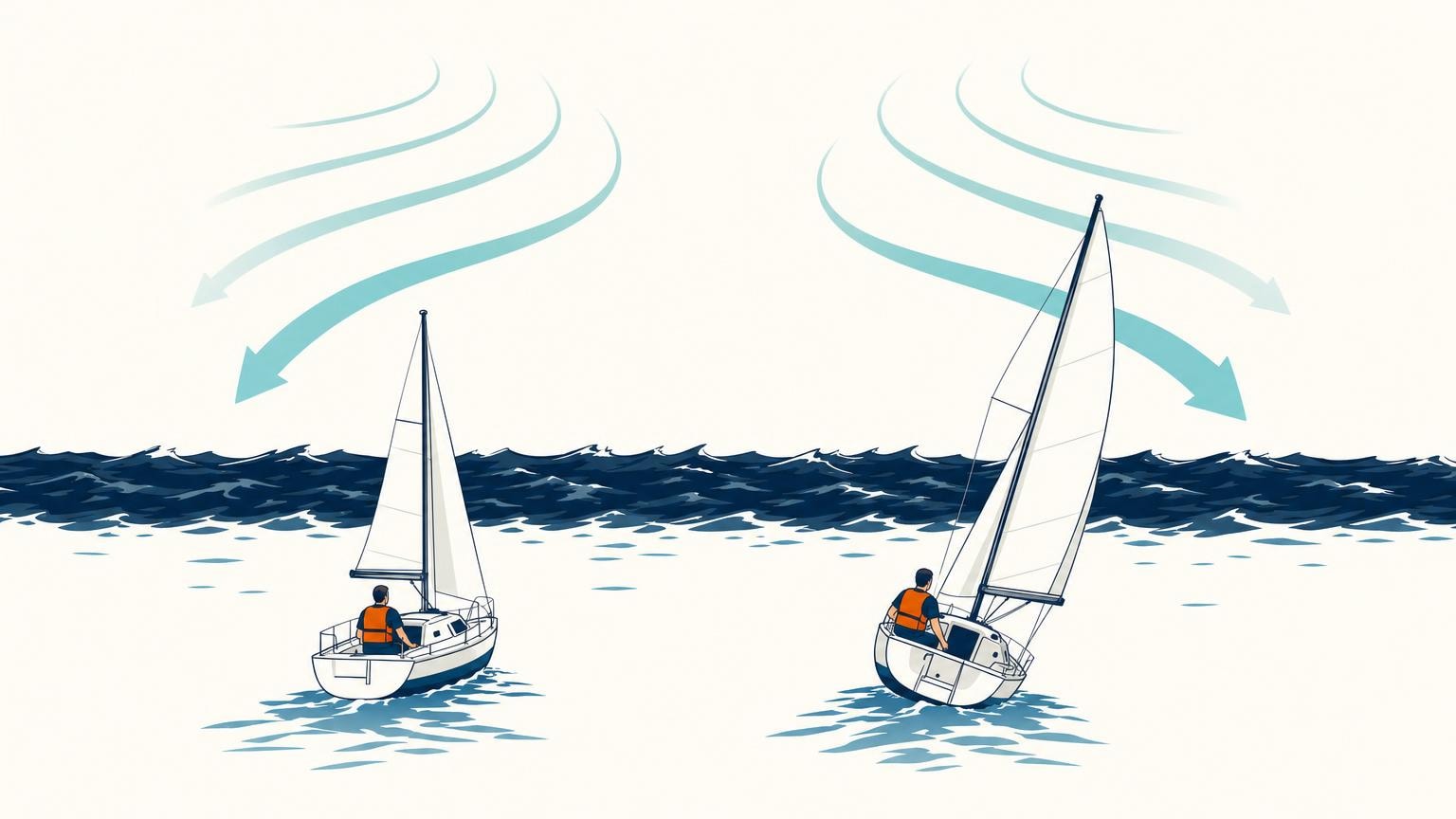
Reefing reduces mainsail area. It is easier while the crew can communicate, move, and manage lines without the full load of stronger wind. Know the system fitted to the boat because slab reefs, roller systems, and line layouts do not share one universal sequence.
Prepare the boat first. Identify the reefing lines and attachment points, clear tangles, and agree who steers and who handles each line. Choose a heading and space that let the manoeuvre happen under control. If a squall is approaching, reduce sail before the leading gust reaches you.
Easing the mainsheet can spill power during a brief gust. Sustained stronger wind calls for a smaller sail plan rather than endless reactive easing. A well-reefed boat may be more upright, easier to steer, and less loaded even with less sail area. "Reef early" means protecting that manageable window.
Secure the Boat and Brief the Crew
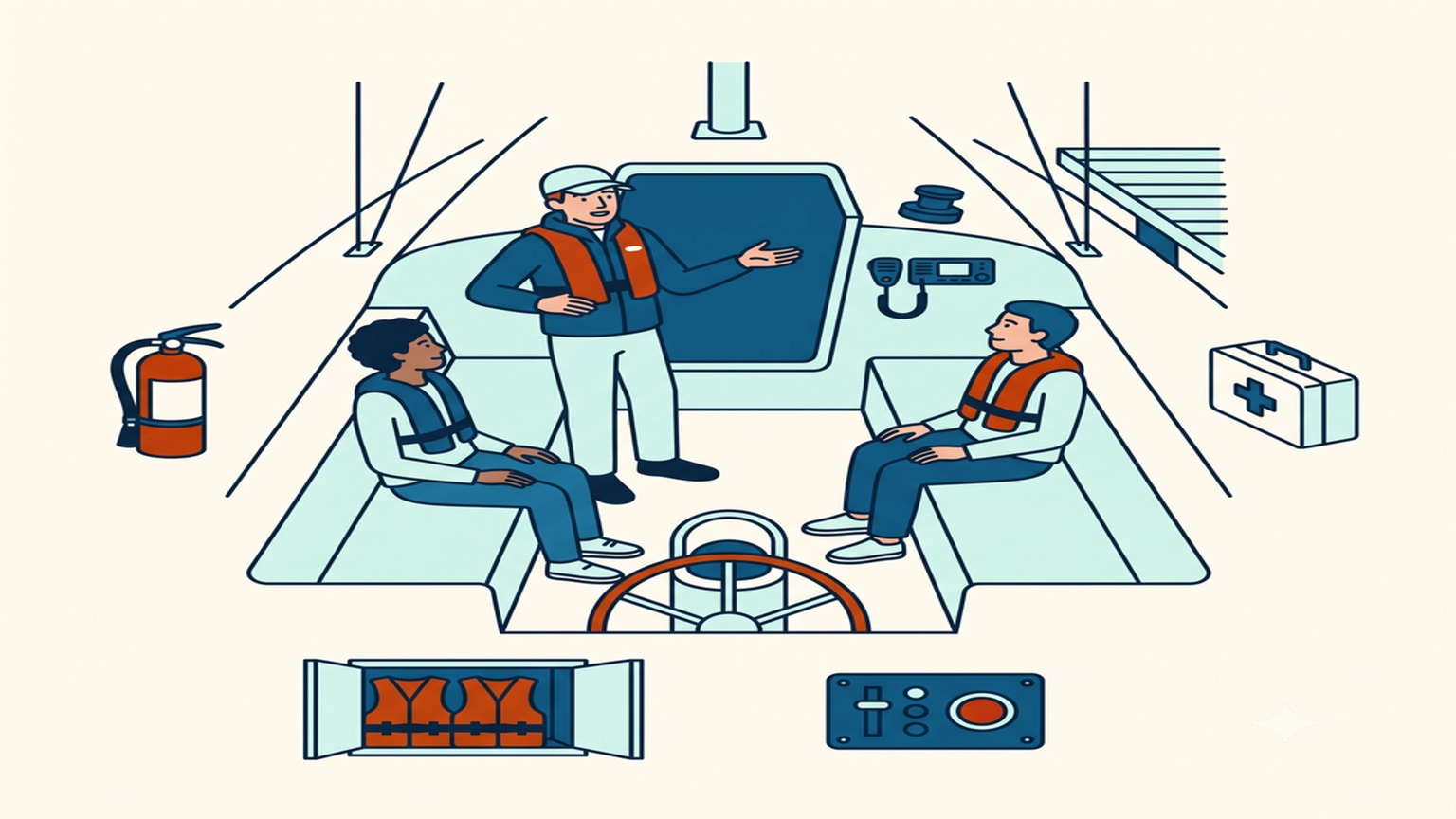
Stow loose objects in the cockpit and cabin before motion increases. Close or secure anything that can swing, slide, spill, or block access. Put on weather layers and suitable flotation while the deck is still calm enough to adjust them properly.
Give each person one clear role. Name the most capable helm for the demanding period. Agree on the words for easing, trimming, turning, and stopping the manoeuvre. Check that everyone knows where to sit, what to hold, and when to stay clear of the boom and loaded lines.
Keep communication short and closed-loop. A crew member repeats an important instruction, carries it out, and confirms completion. Strong wind makes ordinary speech harder to hear, so ambiguity costs time. A two-minute briefing at the dock can prevent several people from reaching for the same line later.
Protect the Exit Before You Need It
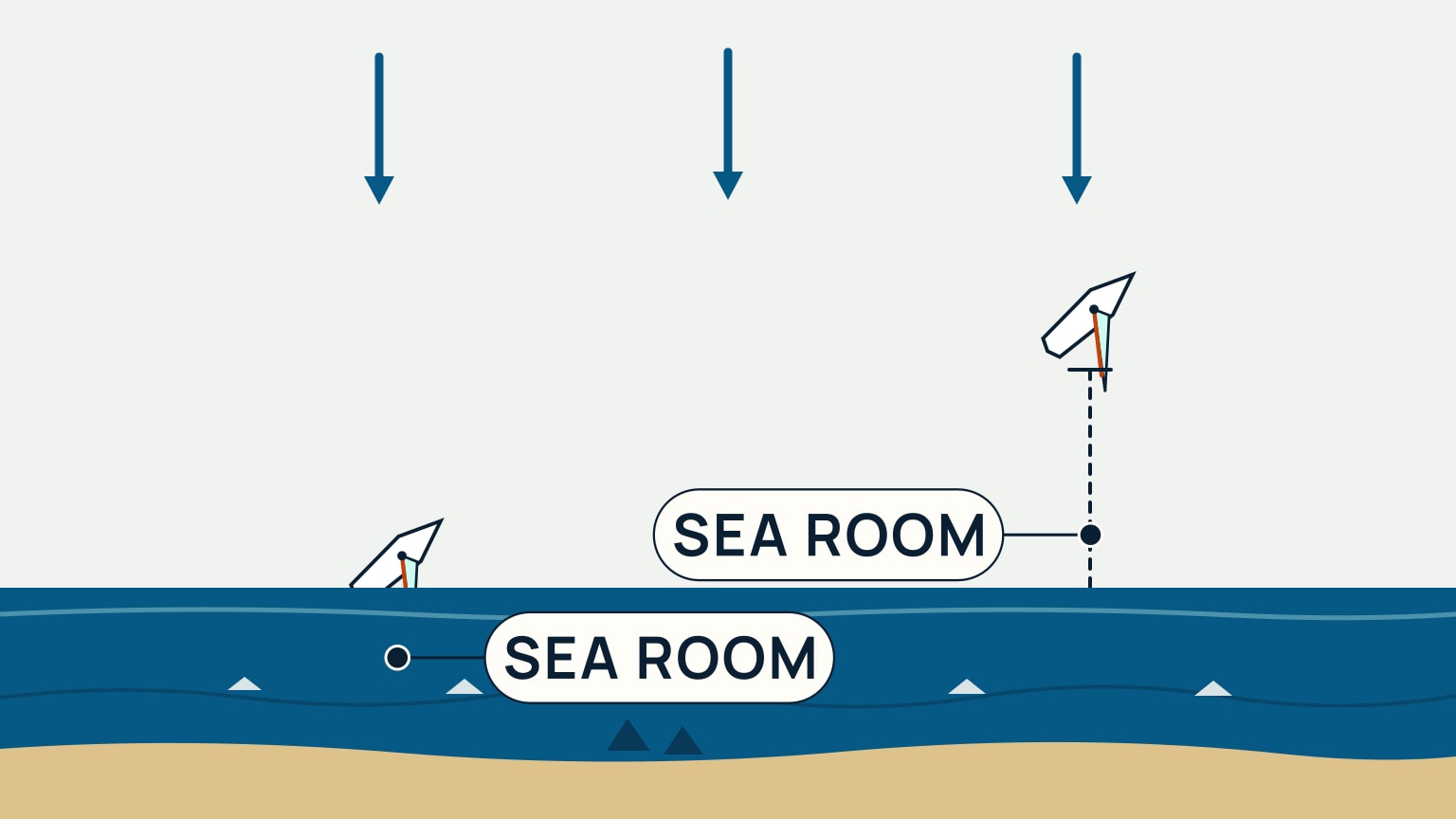
Preserve sea room, time, and a route back. A lee shore leaves less distance to solve a steering, sail, or engine problem because wind and waves push the boat toward land. Choose a route that keeps a retreat available as long as possible.
Know your position and keep a means of calling for help where it can be reached. Identify shelter, safe water, and the point at which continuing would make return harder. If conditions build sooner than forecast, use the plan you already made instead of inventing a braver one.
Turning back is not the only option. The day can also become a shorter sail in protected water, a harbour practice session, or a reefing drill at the dock. The important decision is to keep the boat inside the crew's real capability. Strong-wind skill grows through controlled practice with margin, not through surviving a surprise.
Set limits before the sails go up
Compare the latest official forecast with the route, sea state, daylight, crew, boat, and return berth. Write the changes that trigger a shorter route, shelter, or cancellation. Include gusts, visibility, waves, wind direction at the harbour, and crew fatigue. There is no single universal wind number for every boat and crew.
The marine forecast guide helps you read the full issue and timing. Leave the intended route and return time using the weather and float-plan routine.
Reduce load while the work is easy
Prepare the reefing and headsail-reduction systems at the dock. Check the line routes, sail attachment points, crew positions, and boat-specific sequence. Shorten sail before ordinary trim can no longer keep heel and helm manageable. The mainsail reefing guide covers the broad crew-led sequence.
Secure loose gear above and below. Close or protect openings as the boat's procedure requires. Put suitable clothing and flotation on before the deck becomes wet and movement becomes harder. Keep the cockpit clear of line loops and unused handles.
Brief the route and roles
Name the helm, trimmers, lookout, navigator, and person responsible for communications. State the first sail-reduction step, safe working positions, stop command, and the sheltered alternative. Confirm that everyone understands the boom, traveller, sheet, and loaded-line paths.
Plan tacks and gybes with more room than usual. Stronger wind and waves can increase steering workload and expose weak communication. If the crew cannot complete a manoeuvre calmly in the available space, choose a different course or reduce sail before attempting it.
Protect sea room
Identify the downwind shore, shallow water, traffic boundary, and the distance needed to turn, reef, or recover from a problem. A lee shore reduces the time available because wind and waves push the boat toward the hazard.
Choose decision points before that margin disappears. Know where the boat can bear away, head for shelter, anchor, or use propulsion under the skipper's plan. Keep the anchor ready when it is part of the escape plan, but do not let emergency equipment justify sailing deeper into a poor position.
Review conditions under way
At fixed points, compare the observed wind, sea, boat balance, progress, and crew with the departure plan. If reefing, steering, or lookout begins to consume all available attention, simplify early. A controlled return with unused options is better than proving the boat could carry more sail.
After the trip, record when the first reef went in, how the helm changed, which line or task caused delay, and whether the route kept enough room. Use those observations to improve the next limit and briefing. Experience becomes useful when it changes the plan, not when it only becomes a story about a difficult day.
SailStarter's reefing, marine forecast, squall, and lee-shore lessons let you rehearse this preparation as connected decisions. Begin with the reefing lesson so you understand why area comes off before the load becomes awkward, then connect it to forecast changes and route choices. Before your next practical session, walk through the reefing system on the actual boat with an experienced skipper. Name the lines, roles, heading, and stop point. The app can make the sequence familiar, while the boat-specific drill makes it usable. Together they help you recognize the best strong-wind move: taking a small, early action while every option is still available.
Check the return berth separately from open-water sailing. A wind direction that feels manageable at sea may make the final approach the hardest part of the day. Rig lines and fenders early, brief a go-around, and keep enough crew energy for the last manoeuvre.
Try it from the lesson
Can you spot the next move?
The boat is heeling too much and feels hard to steer. What does a reef change?
Why you can trust this guide
. We build each guide from public seamanship and safety sources, then teach the universal principle before any local difference.