Chart your course
Why Won’t My Sailboat Point Higher?

Quick answer
The short version
A sailboat will not point straight into the wind. If it also struggles on a normal close-hauled course, first check whether you are steering too high and losing speed. Bear away slightly until the sails fill and the boat accelerates, then head up gradually while trimming for the new angle. Check telltales, sheet tension, traveller or lead position, halyard tension, and whether the headsail is partly furled into a poor shape. Allow for waves, current, dirty underwater surfaces, and damaged or stretched sails. Compare both tacks. A large difference can point to rig, foil, or instrument issues that need competent inspection.
“Pointing” means sailing close to the wind while still making useful progress. The highest compass heading is not always the fastest route upwind. A boat that pinches, slips sideways, or repeatedly stalls may reach the destination later than one sailing a few degrees lower with steady speed. Diagnose the problem in a repeatable order instead of tightening every control at once.
Find the Real Wind
Begin with the wind the sails actually feel. Apparent wind changes with boat speed, so a slow boat sees a different direction from a moving one. Use masthead indicators and telltales together, and confirm that instruments are sensible rather than steering to one number automatically. Waves can also turn the bow and disturb flow even when the average wind looks steady.
Hold a stable course long enough to observe. If the inside luff telltales lift continuously, you may be too high or under-trimmed. If the sail is strapped hard and both telltales behave poorly, ease slightly and rebuild flow. Check the other tack in comparable water. Current changes the track over ground, not the angle between sail and apparent wind, so separate heading from the route shown on a plotter.
Trim Without Pinching
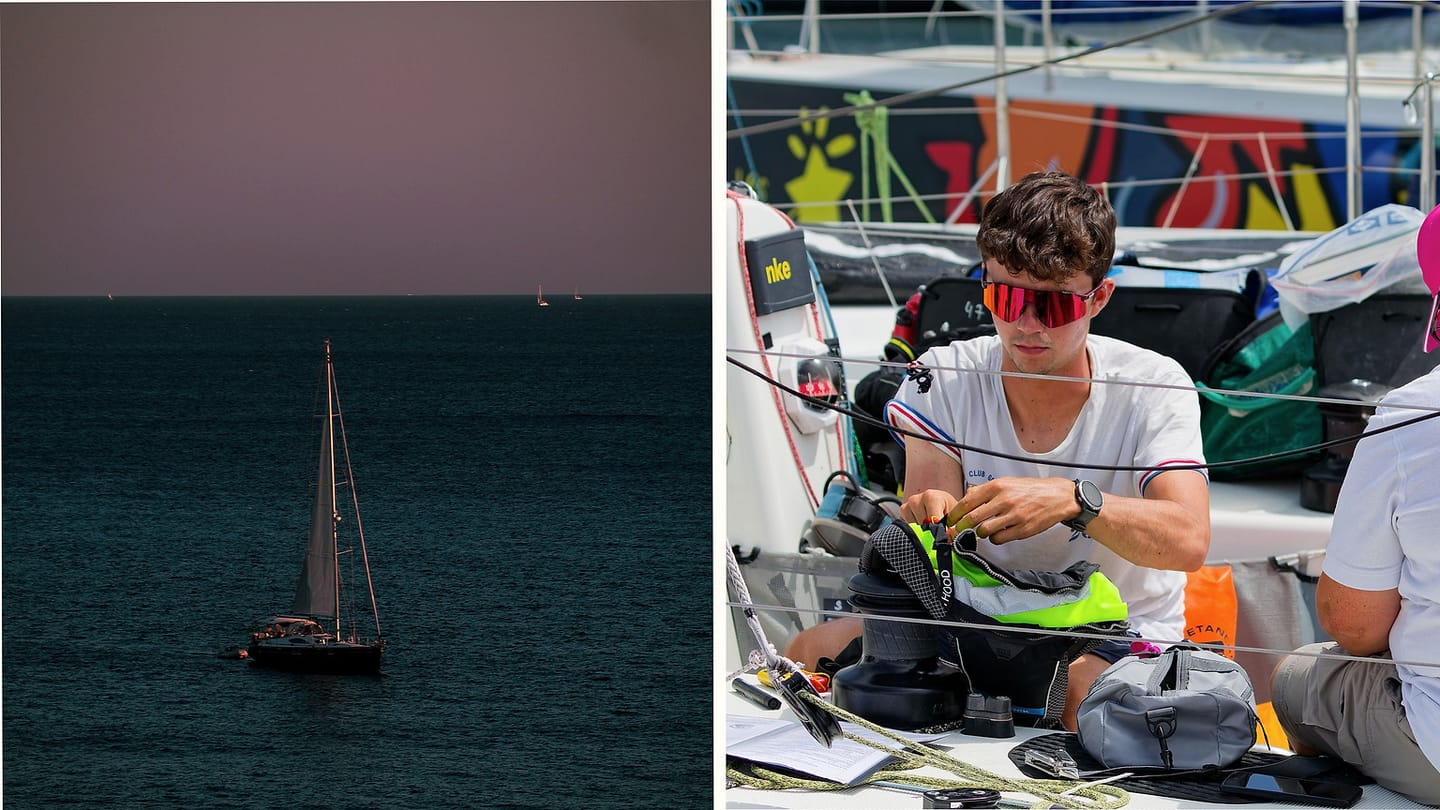
Trim the headsail and mainsail progressively as the boat heads up. Excess sheet tension can close the leech and add drag, while a sail eased too far cannot hold a close-hauled shape. Use the boat's trim guidance, then make one small change and watch speed, heel, helm, and telltales. Move the headsail lead only with an understanding of how it changes leech and foot tension.
Keep the sails working as a pair. A mainsail that creates heavy weather helm can make the rudder drag and disguise the pointing problem. In stronger wind, reducing sail and flattening within the sailmaker's guidance can improve control. A partly furled genoa is convenient, but its shape may be less efficient than a correctly sized working jib. Do not chase a perfect angle by loading sheets beyond safe handling.
Build Speed Before Heading Up
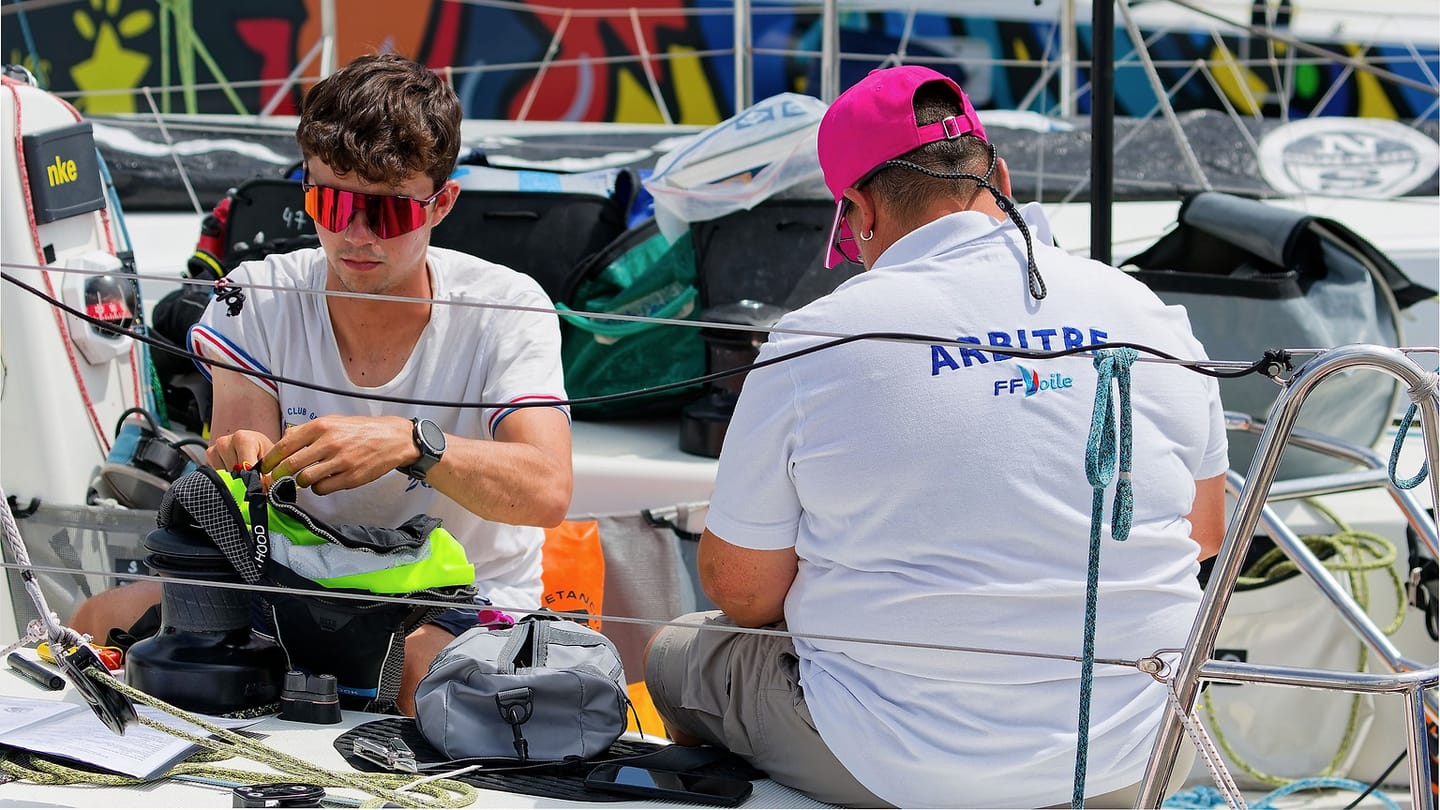
Foils need water flow to resist sideways motion and steer effectively. After a tack or a wave-induced slowdown, sail slightly lower until the boat regains speed. Then head up in small steps. If speed falls, heel becomes unsteady, or the rudder feels ineffective, return to the last working angle. This “foot, then point” rhythm is more useful than holding the tiller against a stalled boat.
Steer smoothly. Large corrections add rudder drag and keep changing apparent wind. In chop, accept a lower average heading so the boat can drive through waves. Balance crew weight and keep unnecessary movement down. Record boat speed and heading only after they settle. Compare progress toward the destination, not a momentary high number achieved while the boat is slowing.

Check Boat and Conditions
Diagnose one layer at a time
First establish wind direction with several clues: masthead indicator, flags, ripples, anchored boats, telltales, and luffing sails. Apparent wind moves as the boat accelerates and changes course, so recheck after every large turn. The true and apparent wind guide explains why a heading that worked at low speed may feel different once moving.
Next sail a little lower and build speed. A rudder and foils need flow. If you head up before momentum returns after a tack or wave, the boat may slide sideways and stop. Once speed is stable, head up in small steps while watching the headsail luff and telltales.
Then trim. Bring the jib and main in together without over-sheeting. A hooked leech, closed slot, excessive mainsheet, or poor lead position can add heel and drag without improving angle. Ease to find speed, then trim gradually. Compare both tacks.
Separate heading from progress
A high compass heading is not useful if speed collapses. Compare velocity made good or progress toward a fixed upwind reference over several minutes. A slightly lower, faster course may reach the windward point sooner than pinching.
Current can make the track over ground look poor even when the boat sails well through the water. Waves can stop the bow and require a fuller course. Use position, water movement, and the boat's wake to separate these effects.
The no-go-zone guide explains why no sail trim can drive the boat directly into the wind. Beating uses two close-hauled legs instead.
Inspect when technique is not the whole answer
Check hull and foils for fouling, damage, or a centerboard that is not fully deployed. Check sail condition, halyard tension, sheet leads, rig tune, rudder, and weight distribution using the boat's instructions. Old stretched sails may not hold an efficient shape.
Record wind strength, sea state, sails, tack, speed, heading, trim, and current estimate. If one tack is consistently worse, investigate asymmetry. If both are poor only in waves or light air, adjust the target angle and speed-building technique before changing hardware.
Get a sailmaker, rigger, instructor, or qualified technician involved when sail shape, rig alignment, foil damage, or steering condition is uncertain. The aim is a balanced boat making reliable progress, not the smallest number between bow and wind.
A five-pass test sail
Choose open water, moderate steady conditions, and room to hold each tack. On pass one, sail a comfortable close-hauled course and record speed and heading. On pass two, head slightly higher without changing trim. If speed falls and leeway grows, the boat was pinching.
On pass three, return to the faster course and adjust jib trim in small steps. On pass four, adjust the mainsail while keeping heel moderate. On pass five, repeat on the other tack. Record only one change per pass so the result has meaning.
Compare progress over the ground as well as heading. Note waves and current. A tack facing short steep waves may need a fuller angle than the smooth-water tack. A cross-current may make the track look asymmetric even when through-water performance is similar.
Common fixes that make pointing worse
Over-sheeting both sails can close the slot, increase heel, and slow the boat. Pulling the tiller or wheel hard to windward adds rudder drag. Heading up before accelerating after a tack removes the flow needed by keel and rudder. Copying another boat's sheet lead or rig setting ignores different sails and geometry.
Make the simple correction first: bear away, ease enough to restore clean flow, build speed, then trim and head up gradually. If the same limit remains in steady conditions, the logged comparison gives an instructor or sailmaker useful evidence.
If technique does not explain the problem, inspect the boat. Fouling on the hull, keel, centreboard, or rudder adds drag. A centreboard that is not fully lowered, a damaged foil, or excessive play can reduce upwind performance. Sail shape changes as cloth and rigging age. Rig tune and mast position affect both tacks and should follow the boat designer's or rigger's guidance.
Compare results in moderate, steady conditions with known-good sails and clean underwater surfaces. A persistent tack-to-tack difference deserves attention. Check halyard stretch, sheet leads, rudder alignment, keel or board position, and instrument calibration. Do not adjust standing rigging casually to solve a vague feeling. Record the symptoms and ask a qualified sailmaker or rigger to assess the complete setup.
Repeat the comparison after cleaning or repair, using the same wind range and load where practical. Improvement under comparable conditions is better evidence than one satisfying tack in different water.
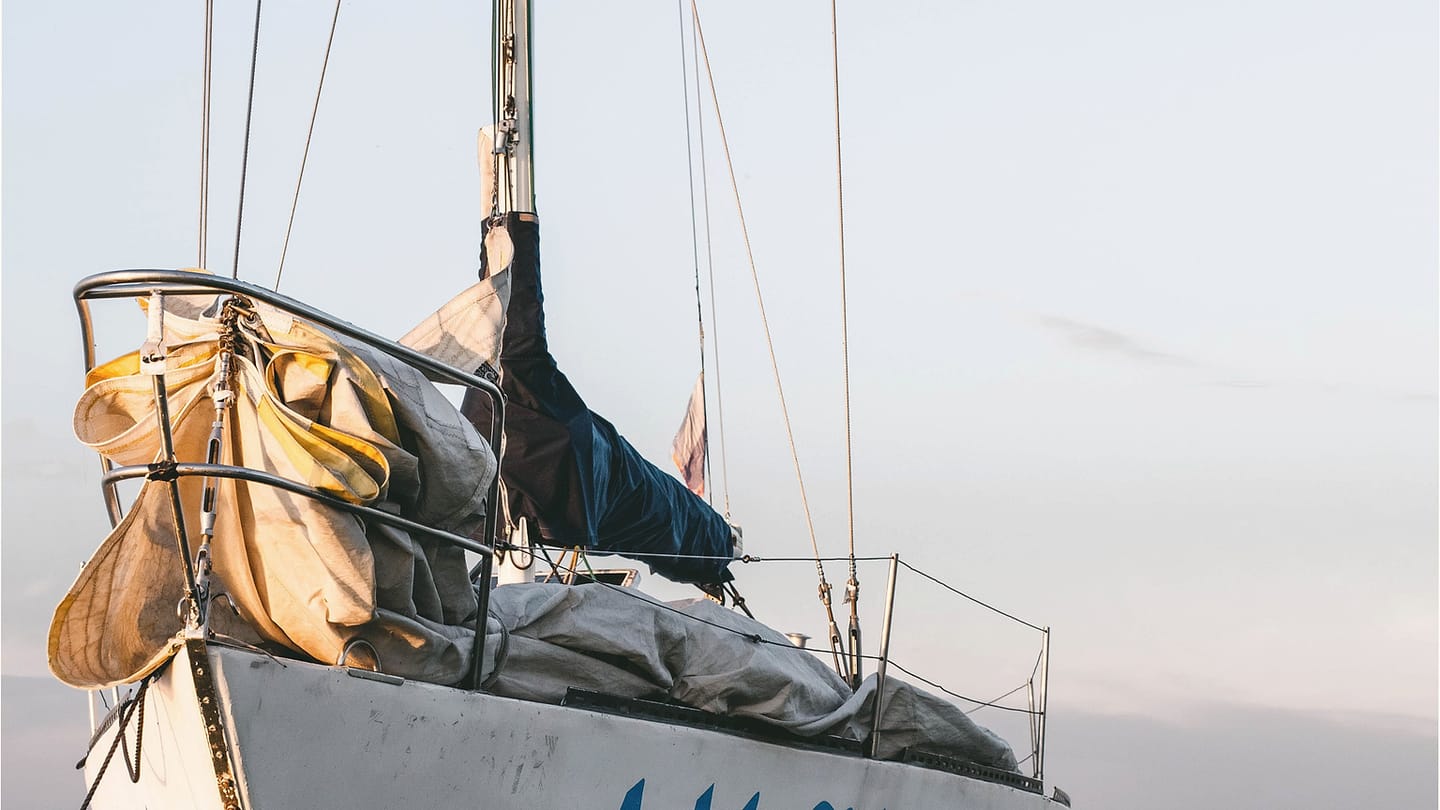
Use SailStarter's close-hauled trim lesson to run a controlled test. Choose open water and manageable weather, note wind and sea state, then sail both tacks. On each tack, begin slightly low, build speed, and head up in small steps. Record heading, boat speed, telltale behaviour, and helm feel after each step settles. Change only one control at a time. If the boat works at a lower angle but stalls when you chase height, the immediate problem is likely pinching. If one tack remains clearly worse after basic checks, stop experimenting with rig tension and arrange a competent inspection. A useful diagnosis explains both what the boat does and the conditions in which it does it.
Try it from the lesson
Can you spot the next move?
The boat is heeling too much and feels hard to steer. What does a reef change?
Why you can trust this guide
. We build each guide from public seamanship and safety sources, then teach the universal principle before any local difference.