Chart your course
VHF Channel 16 Explained: How to Hail and Switch Channels
Quick answer
The short version
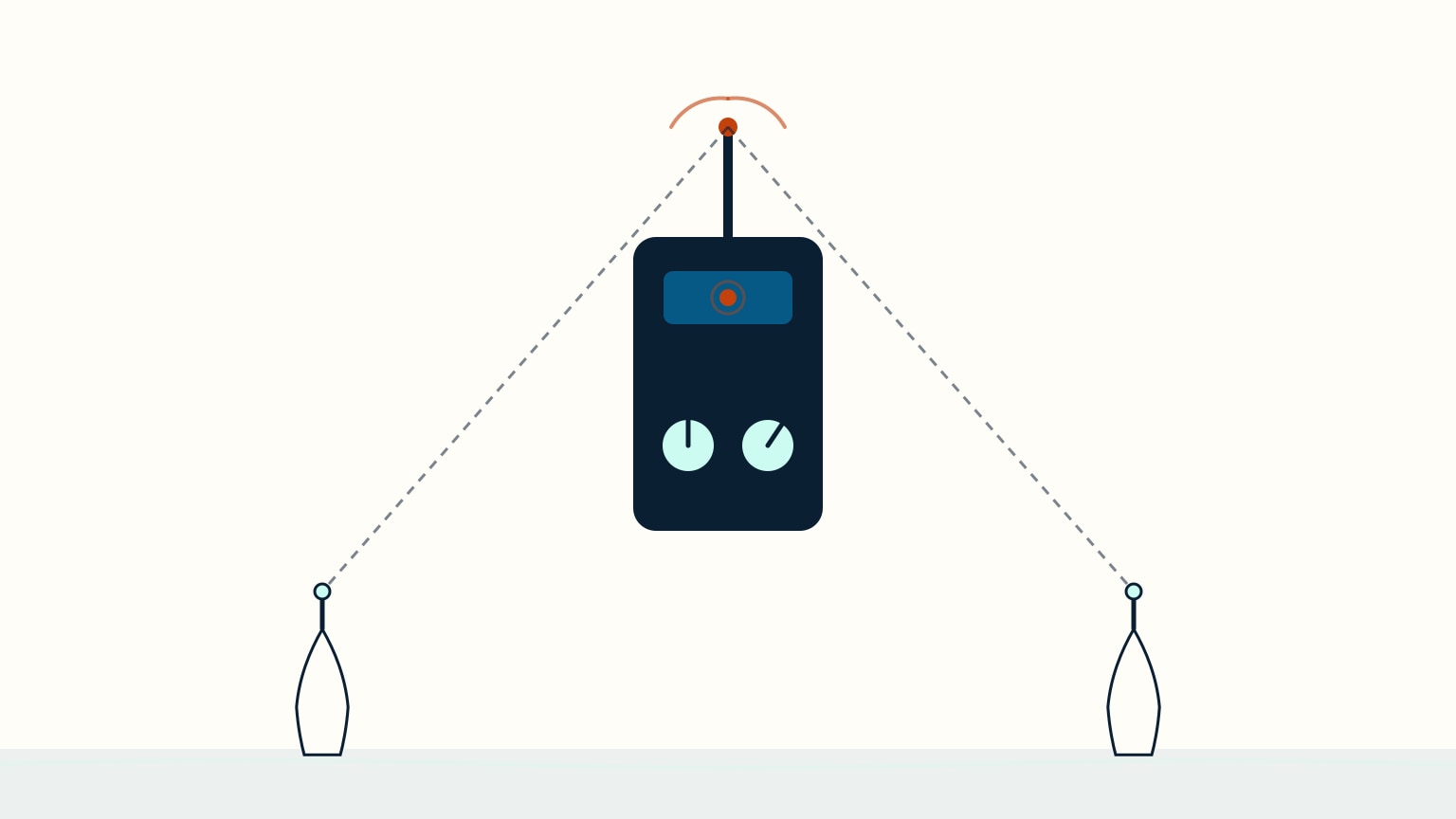
Channel 16 is the international distress, safety, and calling channel: the one channel boats and coast stations everywhere are expected to keep listening on. Its only job in a routine call is making contact: you hail the other vessel there, they answer, you agree on a working channel together, and both of you switch there to actually talk. Nobody has a conversation on 16 itself. Doing that blocks the one channel a distress call or another hailing boat may need at any moment. A few habits keep it working smoothly: listen before you transmit, keep every transmission short, say OVER when you expect a reply and OUT when you don't, and take a radio check to a working channel, never to 16.
A VHF radio defaults to channel 16 the moment you turn it on, but knowing that doesn't tell you what to actually do with it. Channel 16 isn't a channel where boaters chat. It works more like a lobby than a room: everyone passes through it on the way somewhere else. Once that single distinction clicks, the rest of the routine built around it stops looking like a list of arbitrary steps: a specific way to open a call, a short set of words that carry the real work, and a couple of things that simply never happen there. None of it requires memorizing a script. It's a handful of habits that reinforce each other.
What Channel 16 Actually Does
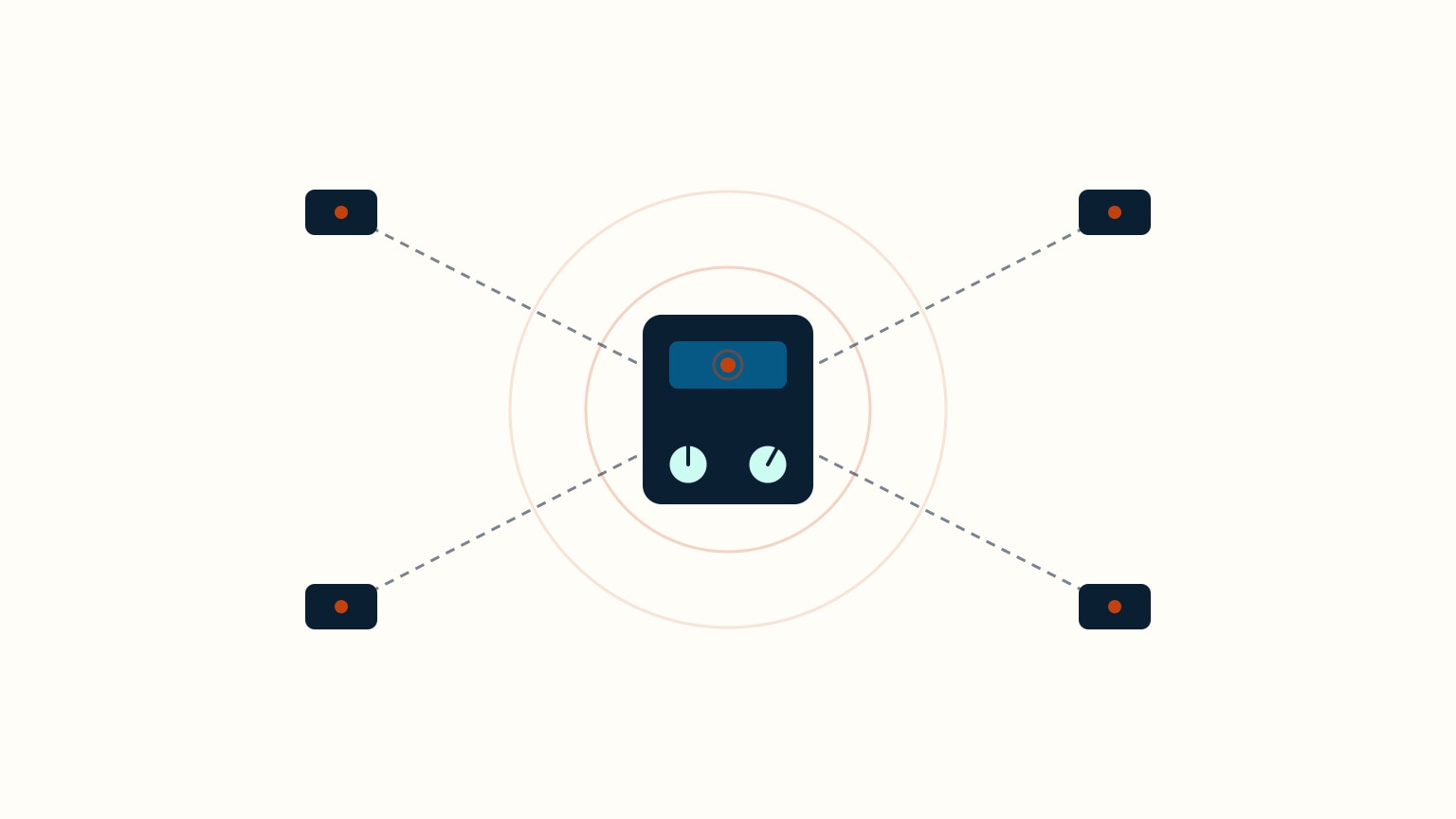
Channel 16 (156.8 MHz on a marine VHF set) is the international distress, safety, and calling channel: the one that every vessel required to carry a radio, along with coast guards and most coast stations, is expected to keep a listening watch on. That's exactly what makes it useful: it's the one place you can reasonably expect to be heard by whoever you're trying to reach, whether that's another boat, a marina office, or help in a genuine emergency. But being the most-listened-to channel is also why its job stays narrow. Channel 16 exists to make contact: nothing more. As soon as the other side responds, the two of you owe it to everyone else listening to take the conversation off 16. That's what keeps the channel open for whoever hails or calls in distress right after you. A boat holding a routine chat on 16 isn't breaking a formality; it's occupying the one frequency a genuine distress call depends on being clear.
How a Routine Call Actually Goes
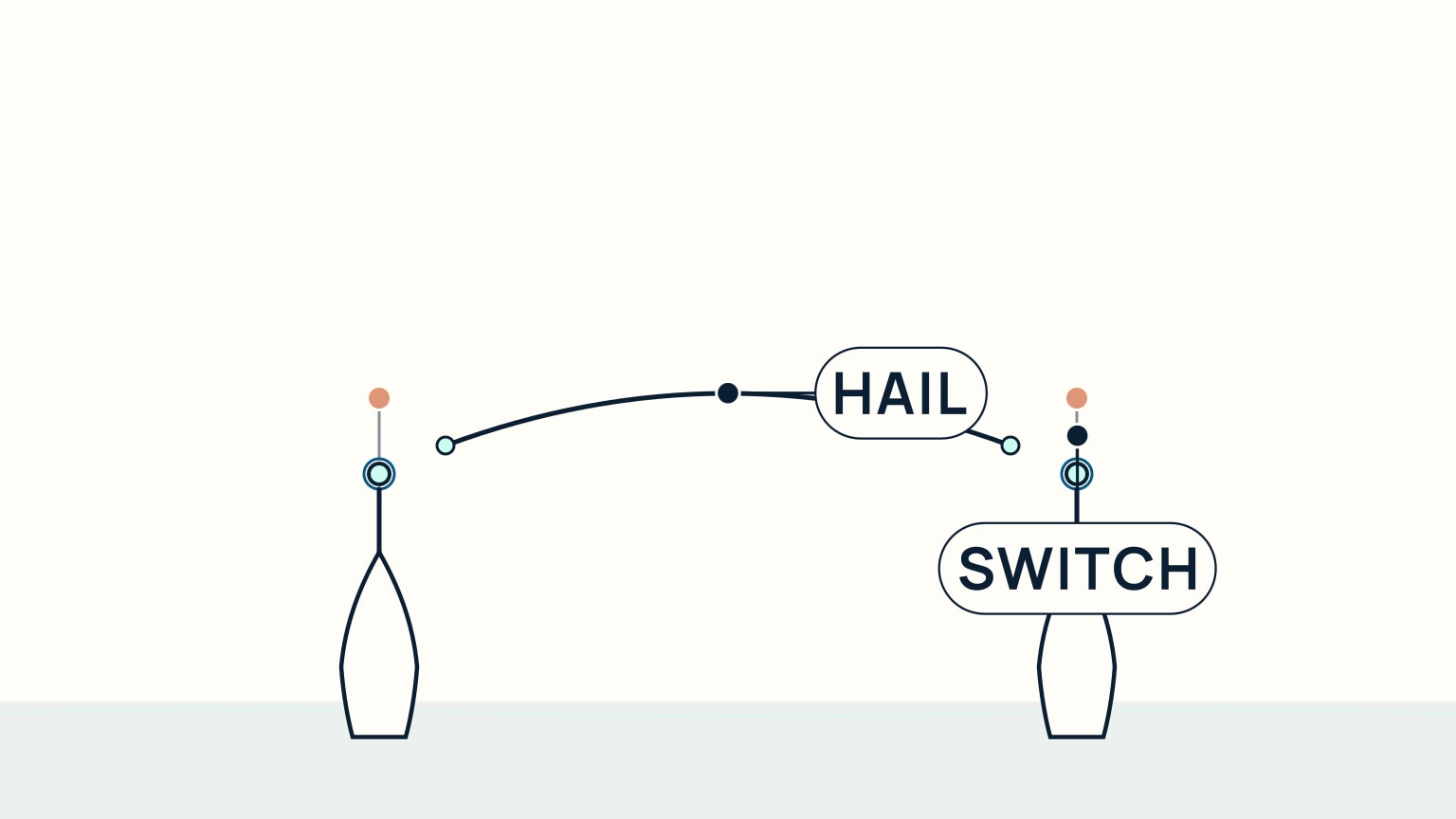
Making contact is only the first move. You key up on 16 and say the name of the boat you want to reach (for example, "Sea Otter, Sea Otter, this is Blue Heron"), then release the mic and wait; nothing more until they answer. When Sea Otter replies, they won't keep talking on 16 either. They'll name a working channel to move the conversation to. You repeat that channel number back so there's no doubt you both heard the same one, and only then do both boats retune together and pick up the actual conversation there. When you're finished, you both return to 16 to keep listening for whoever needs it next. None of this requires memorizing a script. What matters is timing: once you've made contact, nothing keeps the conversation on channel 16 a second longer.
Over, Out, and Say Again: Words That Do a Job
Once you're both on the working channel, a short set of terms does most of the real work. OVER means your transmission has ended and you expect an answer back. OUT means it's ended and you don't expect one: the exchange is finished. Because those two meanings pull in opposite directions, they're never used together: one transmission can't both request an answer and rule an answer out. If part of a reply gets lost to static or crosstalk, ask for it again with SAY AGAIN, not "repeat." Standard radio procedure sets that particular word aside for a different use. STANDING BY is how you tell the other station to keep this channel in mind: you're pausing here, monitoring, and you'll come back with more once you actually have something to send. None of these words are decorative. Each one answers a question the other operator would otherwise have to guess at: is a reply coming, and if so, when.

Why You Spell Names and Say Numbers One Digit at a Time
A radio link erases tone of voice and most of the context that normally helps you catch a word on the first try, which is exactly the gap these two habits close. For letters, a standardized phonetic alphabet gives every letter of the alphabet its own full spoken word (Alfa, Bravo, Charlie, and on through Zulu) because letters that sound almost alike over a weak signal, like "B" and "D," become impossible to confuse once they're "Bravo" and "Delta" instead. An unusual boat name or a single letter off a chart gets that treatment; an ordinary word doesn't need it. Numbers get the equivalent treatment: rather than say a figure as one number, you give each digit its own beat: "68" becomes "six eight," never "sixty-eight," and a decimal point is its own spoken word, "decimal," rather than left for the listener to assume. Say a number as a single unit and losing or blurring one syllable turns it into a completely different number; separate digits don't leave room for that.
Where a Radio Check Belongs (and Why a Fake Mayday Isn't a Joke)
Prepare the radio before the first call
Know the vessel name, call sign or radio identity, position source, radio controls, and local channel plan. Set volume and squelch so a weak call can be heard without constant noise. Keep the microphone close enough for clear speech and listen before transmitting so you do not cover another station.
Channel 16 is for distress, urgency, safety, calling, and reply under the applicable procedures. Once contact is made, move routine conversation to the agreed working channel when directed. Do not occupy 16 with trip details.
Make a short routine call
Call the station, identify your vessel, and pause for a reply. After contact, agree on a suitable working channel and switch. If there is no reply, wait and try again according to current local practice rather than transmitting continuously.
Think before pressing push-to-talk. Hold the microphone as its maker directs, press, pause briefly, speak at a normal pace, then release to listen. Use “over” when a reply is expected and “out” when the exchange is finished, not both together. “Say again” asks for repetition.
Spell an unclear name with the standard phonetic alphabet and say numbers digit by digit where radio procedure requires clarity. The goal is accurate understanding on the first repeat, not theatrical radio language.
Keep Channel 16 ready for real need
Do not make a fake distress call or use MAYDAY as a radio test. Follow the local authority's recommended radio-check channel or service. If an accidental distress alert is sent, cancel it through the current procedure and radio manual rather than switching off.
The Mayday guide covers the distress-message order, while the crew safety briefing helps assign a backup caller. Practise controls and wording without transmitting.
Maintain a listening watch where required and useful. A working VHF supports lookout and communication, but it does not replace visual awareness, safe speed, or the collision rules.
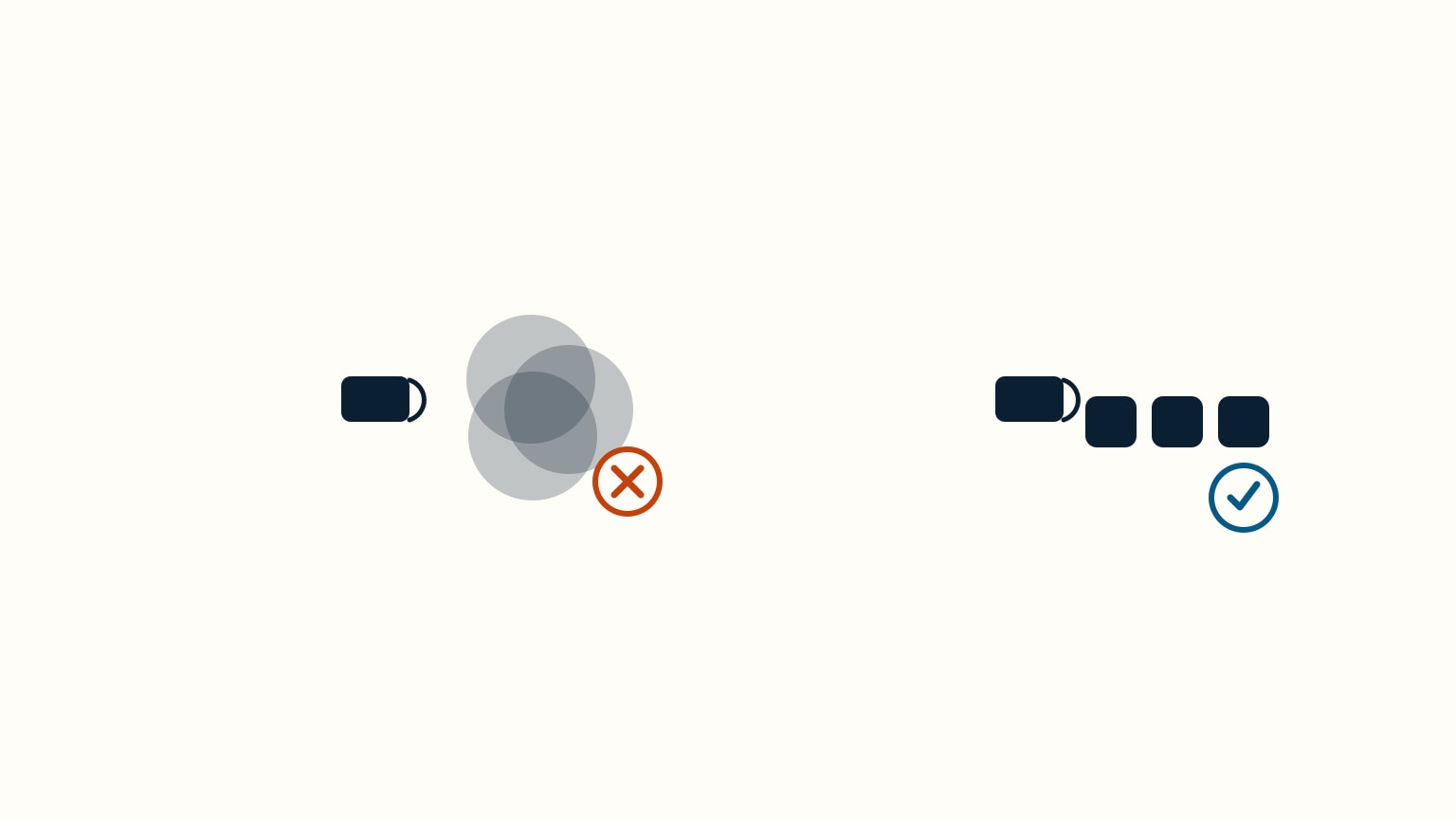
Testing that your radio works has its own home, and it isn't channel 16. A radio check belongs on a working channel, or with a marina or coast station contacted directly: key up, ask for a check, and give your vessel's name and location; some areas even run automated radio-check stations as a public alternative to asking a person. Running that same test on 16 ties up the one channel everyone else is counting on for distress calls and hailing, so plenty of places discourage or restrict it outright. The same channel discipline applies with far higher stakes to a false or hoax distress call, including a fake "Mayday, radio check." It's not a victimless prank: the US Coast Guard states plainly that faking a distress call is prosecuted as a felony, and sailing authorities elsewhere describe the same expectation in broader terms. Either way, a false call pulls real rescue resources toward a boat that was never in danger, away from one that might be. (The Mayday call itself has its own lesson.) Respecting channel 16's narrow job, in other words, matters for more than etiquette: it's what keeps the channel trustworthy the one time someone genuinely needs it.
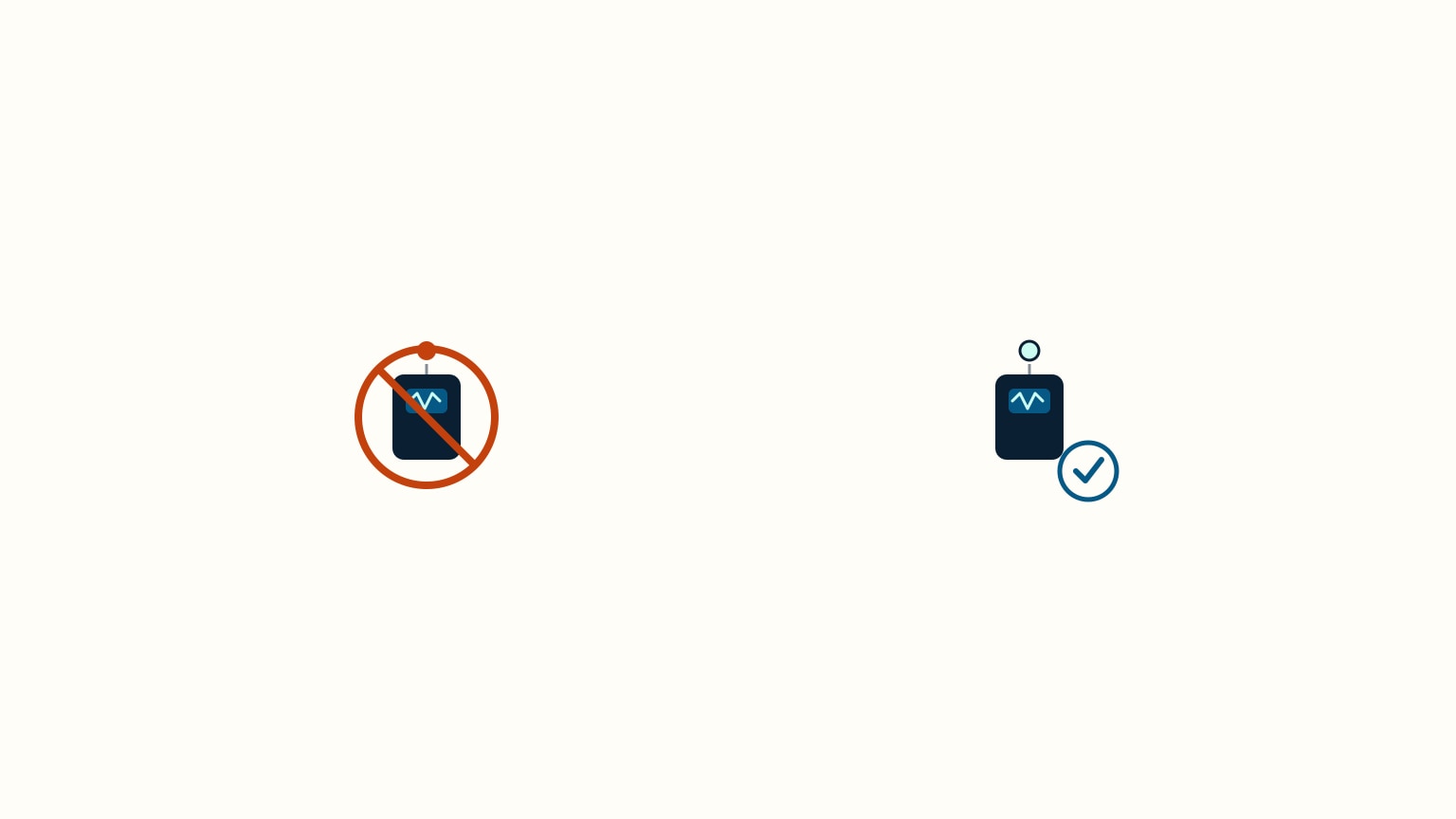
Channel 16 rewards a few consistent habits more than any special vocabulary: listen before you transmit, keep every call short, switch off 16 as soon as contact is confirmed, and use OVER, OUT, SAY AGAIN, and STANDING BY only when they actually say what you mean. None of it is complicated once the shape clicks: make contact, settle on one channel together, have the actual conversation there, then head back to listening. If you want to build on this with the rest of marine radio communication (how a distress call differs from a routine one, and the habits that make you sound like you've done this before), SailStarter's Module 9 lessons walk through it step by step, starting with the radio itself. A few minutes there, and channel 16 stops being a mystery number and starts being just another tool you know how to use.
Try it from the lesson
Can you spot the next move?
What must your first transmission identify before any routine conversation begins?
Why you can trust this guide
. We build each guide from public seamanship and safety sources, then teach the universal principle before any local difference.