Chart your course
Weather Helm Explained: Why the Tiller Pulls
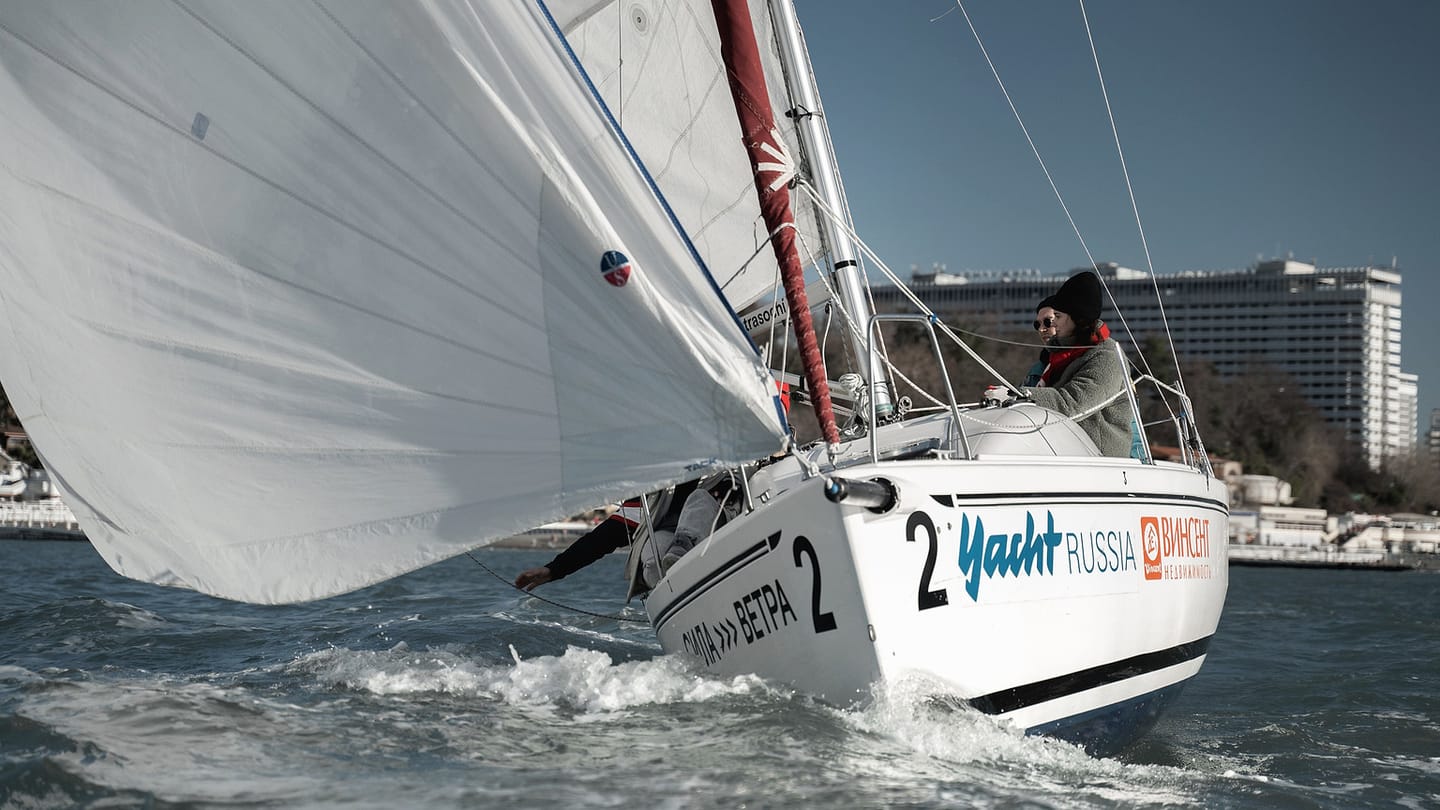
Quick answer
The short version
Weather helm is a sailboat's tendency to turn toward the wind unless you hold the tiller or wheel against it. A small, steady amount can give useful feedback and helps the boat round up if the helm is released. Heavy weather helm is different: it tires the helmsperson and forces the rudder to work at a larger angle, which adds drag.
The common causes are too much heel and an imbalance between the sail plan's centre of effort and the hull's underwater resistance. Start with simple corrections. Ease the mainsail, flatten it if the controls allow, reduce sail when overpowered, and move crew weight to sail the boat flatter. Diagnose trim before changing fixed rig settings.
On a tiller boat, weather helm often feels like the tiller pulling toward the leeward side while you hold it toward the windward side to keep course. At a wheel, you feel a steady load as the boat tries to round up. The sensation can grow slowly with a gust, which makes it easy to accept too much.
Treat helm pressure as information. It tells you how the whole sail-and-hull system is balanced at that moment. The answer is rarely to grip harder. A calm sequence of observation, trim, and sail reduction usually shows whether the load is temporary or a deeper setup issue.
Understand the two centres behind helm balance
Sail forces can be summarized at a centre of effort in the sail plan. Water forces resisting sideways motion can be summarized at a centre of lateral resistance below the surface. Their exact positions move as sail shape, heel, and immersed hull shape change.
When the effective sail force acts too far aft relative to the underwater resistance, the boat tends to rotate its bow toward the wind. The rudder must oppose that rotation to hold course. If the balance shifts too far the other way, the boat may develop lee helm and want to turn away from the wind.
These centres are useful thinking tools rather than marks you can see on deck. The helm load is the evidence you feel.
The relationship also changes when you alter the sail combination. Rolling away part of a headsail or reefing a mainsail changes both force and balance. Judge the resulting helm rather than assuming less sail always moves the centre in the same direction.
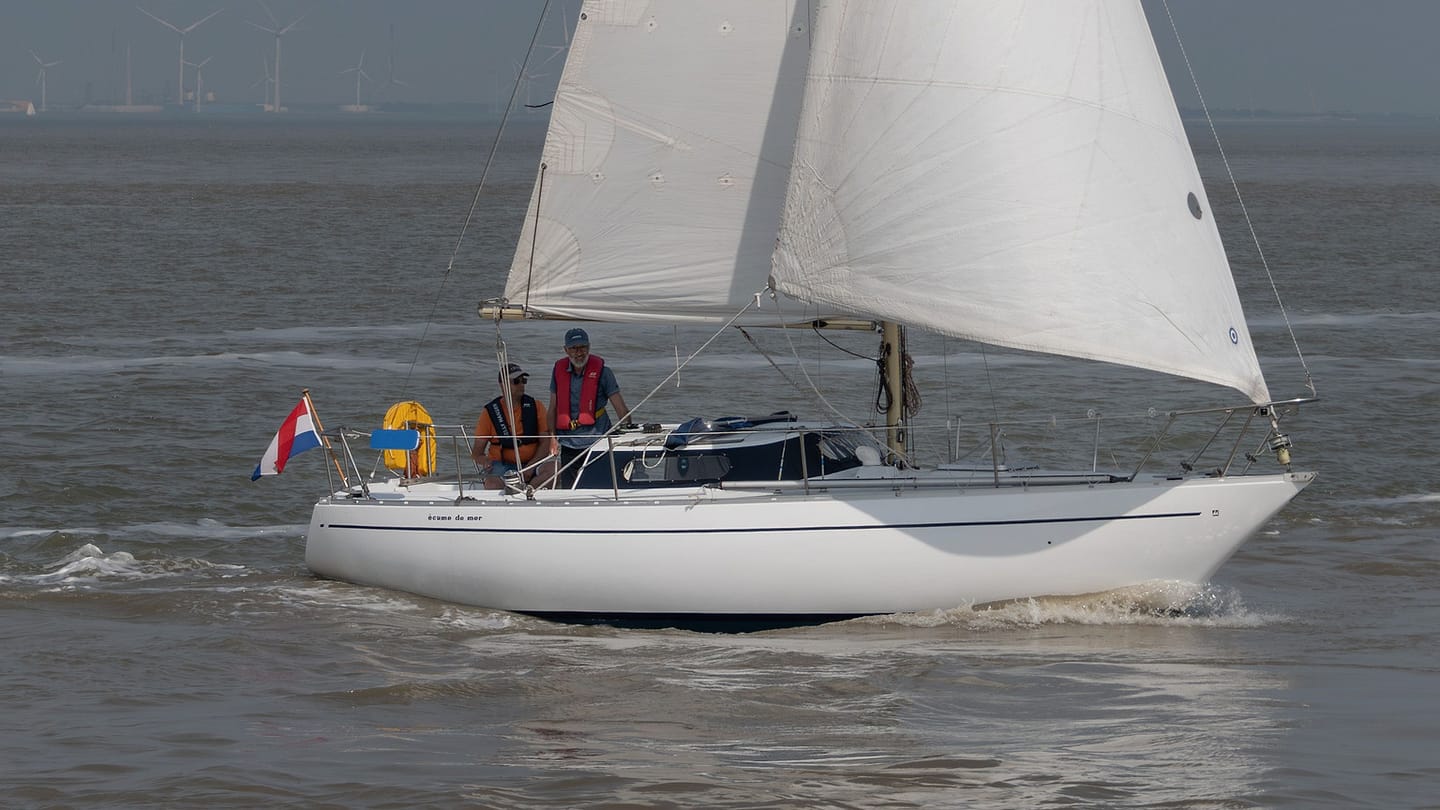
Heel can turn moderate weather helm into heavy load
As a boat heels farther, the effective sail force moves out to leeward and the underwater hull presents a different shape. Both changes can strengthen the tendency to round up. This is why weather helm often arrives with a gust and eases when the boat stands upright again.
Look outside before adjusting a control. Is the leeward rail close to the water? Is the helm loading only in gusts? Is the mainsail deeply powered while the crew keeps fighting the tiller? If so, heel is a useful first diagnosis.
Move weight as the boat's normal technique requires and reduce mainsail power. The aim is not to make the rudder feel weightless. It is to bring the force back into a steady range where small helm movements hold course.
Watch speed at the same time. If the boat stands up, accelerates, and needs less rudder after a trim change, the correction reduced drag as well as effort. That combination is stronger evidence than comfort alone.
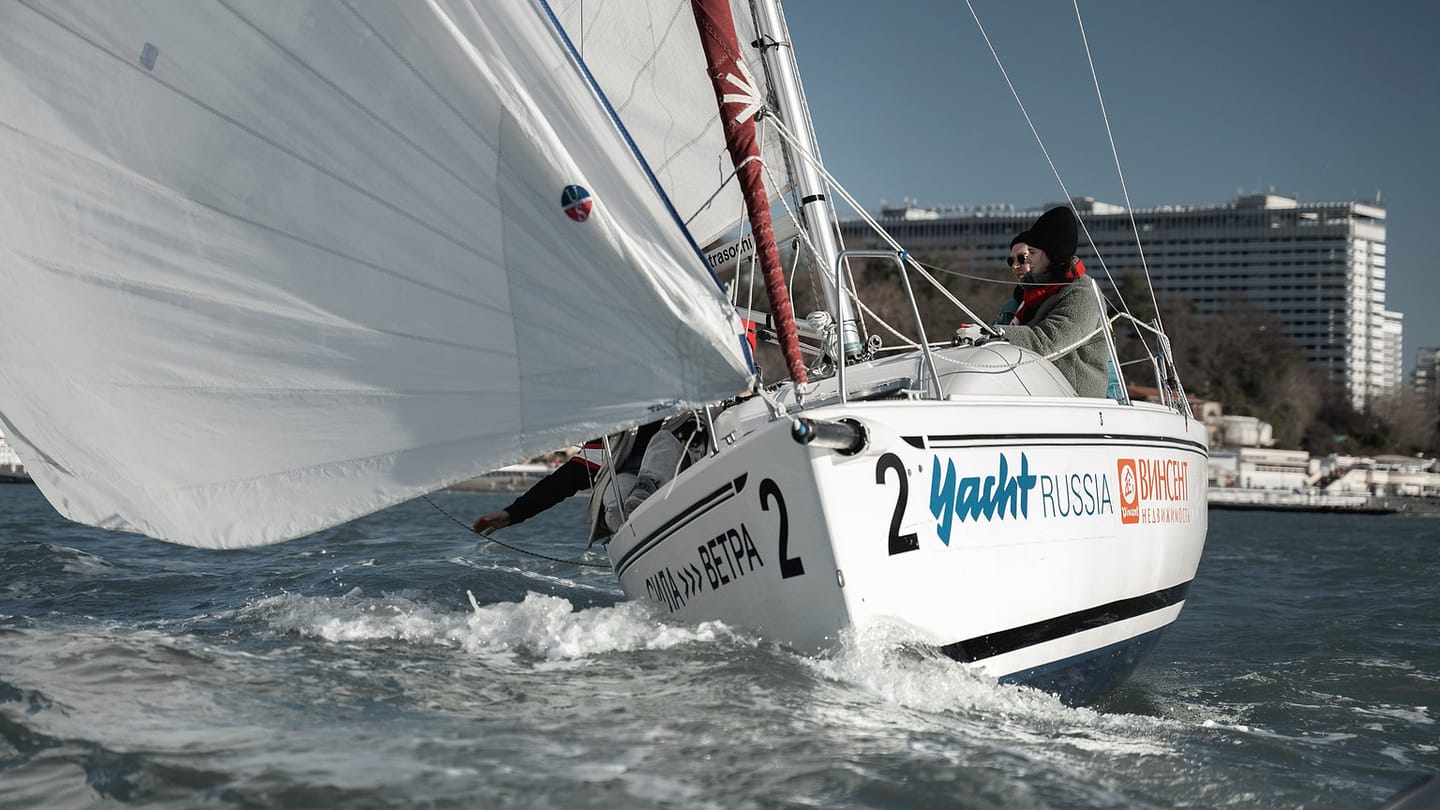
Correct power and trim before changing the rig
Ease the mainsheet enough to reduce the mainsail's force. Use the traveller, vang, outhaul, cunningham, or backstay only when you understand what that control does on the boat. Flattening the mainsail can reduce power while retaining a workable shape.
If the boat remains overpowered, reef. A smaller, controlled sail plan often produces better speed and less rudder drag than full sail held together by a hard helm. Check headsail trim too, because the sails work as a system.
Make one change at a time and wait for the boat to settle. Record wind strength, sail combination, and the result. A rushed series of adjustments hides which one helped.
Repeat the observation on the opposite tack. Similar load on both sides points toward overall trim or setup. A large one-sided difference gives an instructor, sailmaker, or rigger a more useful clue to investigate.
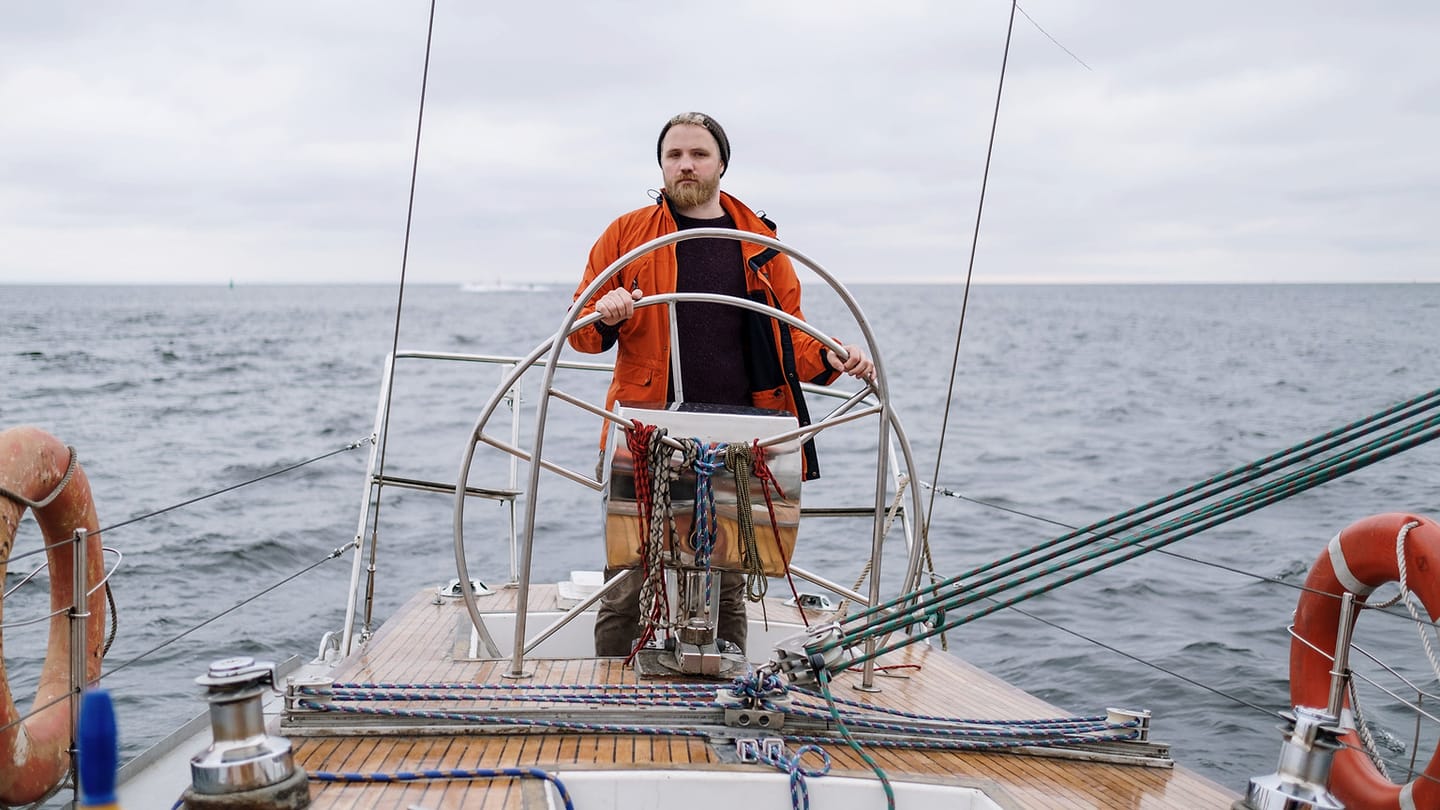
Know when the problem needs a rig or hull check
Diagnose in a controlled order
Start with conditions and sail area. If the boat is overpowered or heavily heeled, ease the mainsheet or traveler and reduce sail by the boat's procedure. Bring the boat upright enough to judge the helm again. Heavy rudder load that disappears with less heel points toward power and balance rather than an immediate steering fault.
Next check trim. An overpowered mainsail can move the aerodynamic effort aft and increase weather helm. Headsail and mainsail need to work as one plan. Change one control at a time and note helm angle, heel, speed, and course.
Then inspect loading and underwater condition. Crew and stores can alter trim. Fouling or damage on keel and rudder can change flow. A partially raised centerboard, rudder problem, loose steering component, or unusual hull trim needs correction before sail tuning continues.
Use rudder angle as evidence
A small amount of weather helm can give useful feedback and keep the boat inclined to turn toward the wind if control is released. Too much rudder acts as a brake, increases fatigue, and may signal excess heel or poor balance. Do not normalize a helm that must be held far over throughout an ordinary beat.
Record which tack, wind strength, sail combination, reef, trim, speed, and loading produce the problem. Compare both tacks. A strong difference can point toward rig asymmetry, foil damage, weight distribution, or steering alignment rather than normal sail balance.
The why sailboats heel guide explains the forces behind heel, while why a boat will not point covers pinching and trim. Those symptoms can occur together when the boat is overpowered.
Escalate sudden new helm load, steering play, binding, vibration, structural noise, rig movement, grounding damage, or a large tack-to-tack difference. Rig tuning and foil alignment require reliable measurements and suitable expertise. Correct the cause instead of hiding it with constant rudder.
A short on-water comparison
In open water, choose a steady wind and record the sail combination, reef, heel, speed, course, and approximate rudder angle on each tack. Ease the main slightly and repeat. Then reduce heel through the normal sail plan and compare again.
If helm load falls as the boat becomes upright, excess power was a major contributor. If one tack remains much heavier, or load stays high with moderate heel and balanced trim, inspect rig, rudder, keel or centerboard, hull condition, and weight distribution.
Do not release the helm abruptly as a test in traffic or near hazards. Keep control, assign lookout, and make each change slowly enough to understand its effect.
Persistent heavy weather helm in moderate conditions may point beyond momentary trim. Sail shape can deteriorate with age. Mast rake, rig tension, keel or rudder condition, loading, and even growth on the hull can affect the balance you feel.
Do not change standing rigging by guesswork, especially while using the boat. Compare the setup with the designer's or sailmaker's guidance and ask a qualified rigger or instructor to inspect a persistent problem. Note whether the load appears on both tacks and with different sail combinations.
Also check the steering system. Stiff bearings or damaged cables can imitate “helm” load without being caused by sail balance. Separate mechanical resistance from the boat's desire to turn.
You can test that distinction safely at the dock and under supervision. The steering should move through its expected range without roughness or unexplained stiffness. Do not disconnect or adjust a steering system afloat merely to diagnose feel.
SailStarter's sail-shape lesson connects helm feel to twist, depth, and power in a way you can use during a trim experiment. Start there, then choose an open-water day with an instructor and make one controlled change at a time. Feel the tiller before and after easing the mainsail. Move crew weight and watch the heel angle. Reef and compare the helm again. You are building a repeatable diagnosis, not chasing a perfectly neutral tiller. Mild weather helm can be helpful; the goal is to recognize when ordinary feedback has become drag, fatigue, or a sign that the boat needs a closer look.
Try it from the lesson
Can you spot the next move?
You are holding the course, but need a small correction against a tendency to turn toward the wind. What is that tendency called?
Why you can trust this guide
. We build each guide from public seamanship and safety sources, then teach the universal principle before any local difference.