Chart your course
What Is a Lee Shore? (And Why Sailors Fear It)
Quick answer
The short version
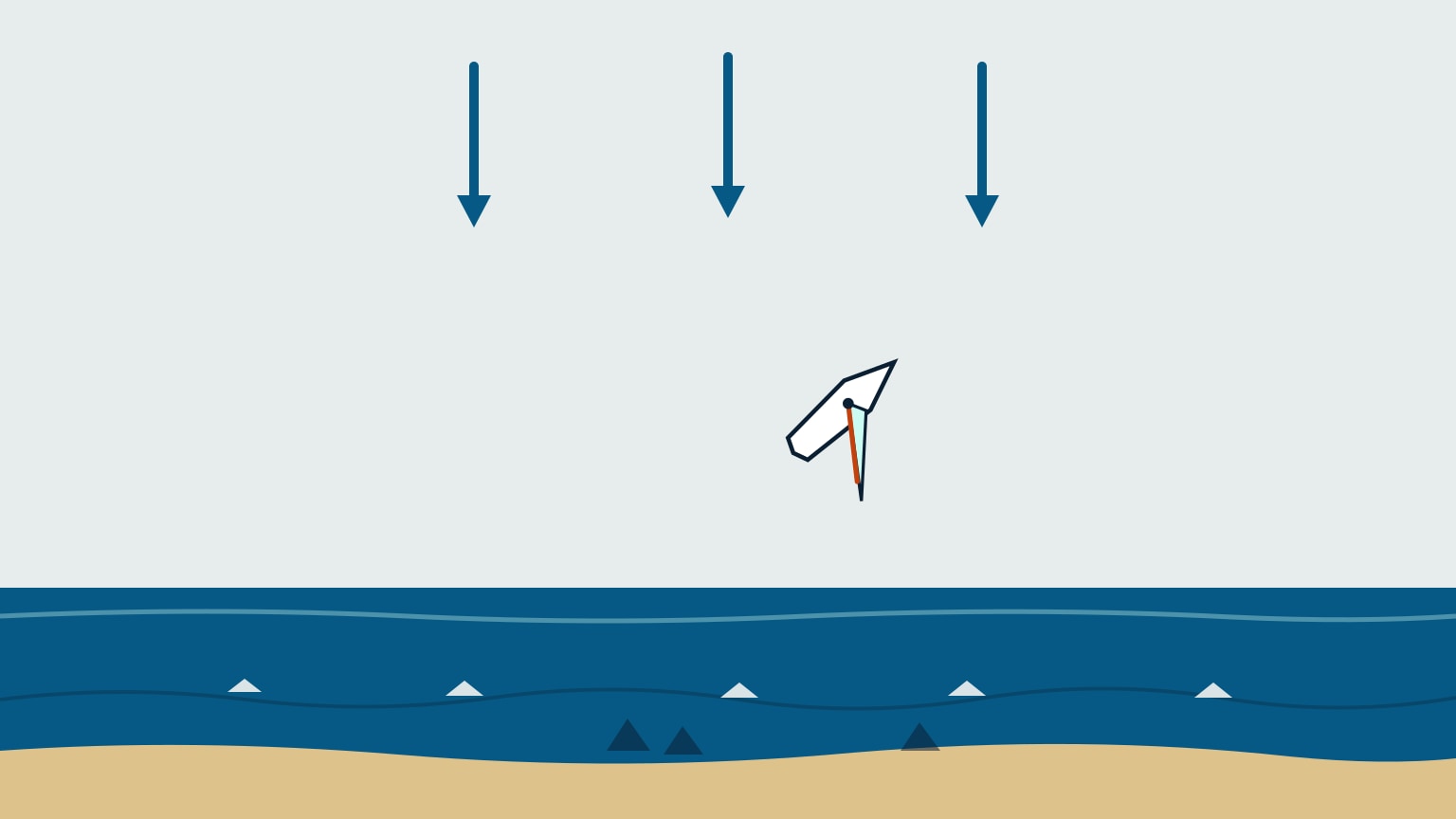
A lee shore is the shore the wind is blowing onto, not a sheltered one. If you're out on open water and the wind is blowing from behind you toward a coastline ahead, that coastline is a lee shore: it lies to your leeward side, the side away from the wind, and the wind (and any drift it causes) pushes your boat straight toward it. Sailors treat a lee shore with real respect for two reasons: losing the ability to sail away means the wind carries you onto it, and the water right next to it gets rougher, not calmer, as it shallows. The open water between you and it (your sea room) is what buys you time to fix a problem before that hazard is the thing you're dealing with.
"Lee" sounds like it should mean shelter. Sailors really do talk about ducking "into the lee" of an island for calmer water, and that phrase is accurate. The island sits upwind, blocking the wind for whatever tucks in behind it. A lee shore borrows the same word for the opposite situation, and the mix-up catches beginners more often than almost any other piece of sailing vocabulary. Instead of a landmass sheltering you, a lee shore is the landmass the wind is pushing you toward, with you out in the open and exposed. Get the naming logic straight once, and the confusion mostly disappears.
Why "Lee" Doesn't Mean Shelter Here
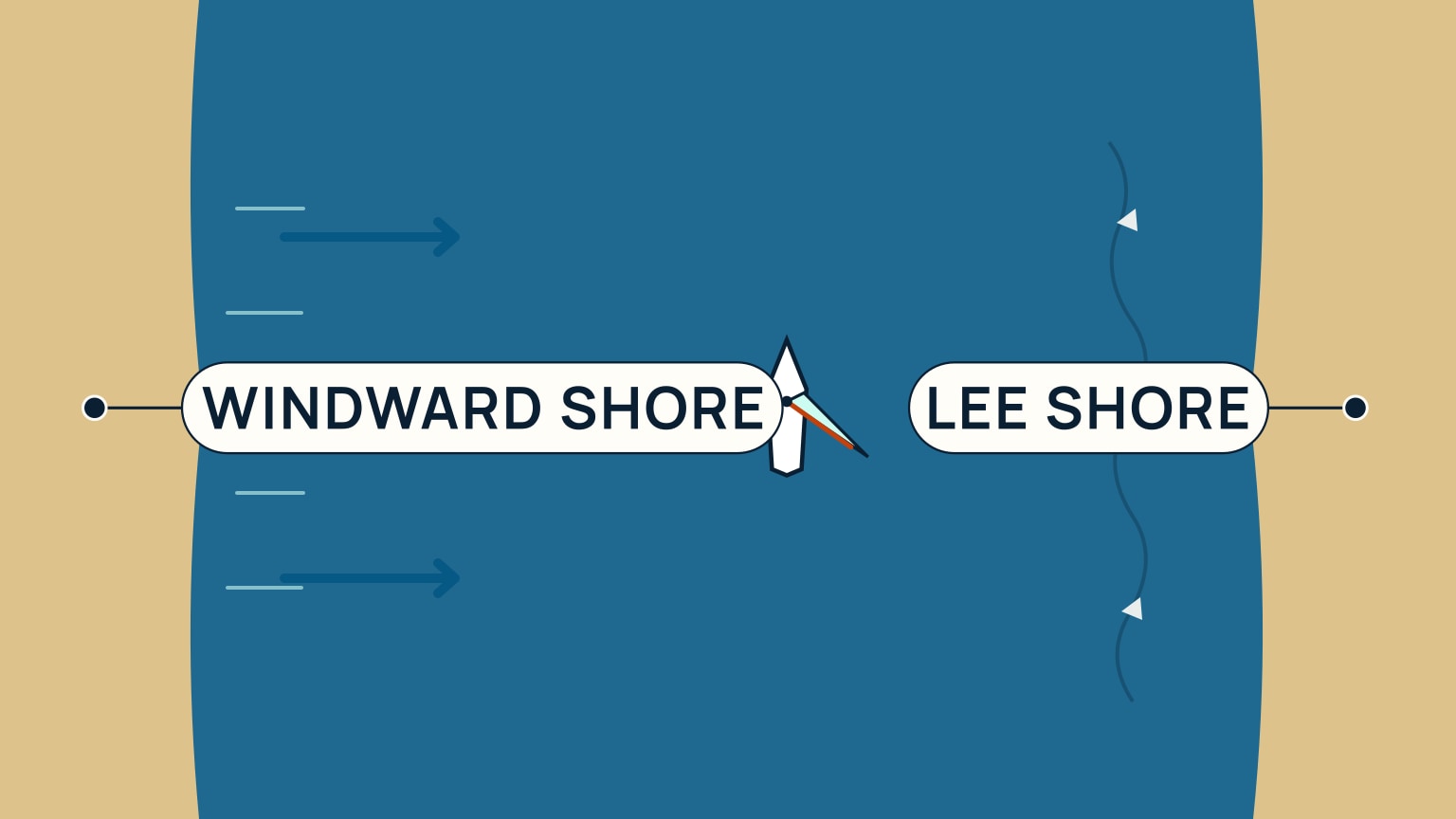
Windward and leeward aren't compass directions. They're defined by where the wind is relative to you. Windward is the side facing where the wind is coming from; leeward is the opposite side, away from the wind. Those labels shift with the wind, not with the map.
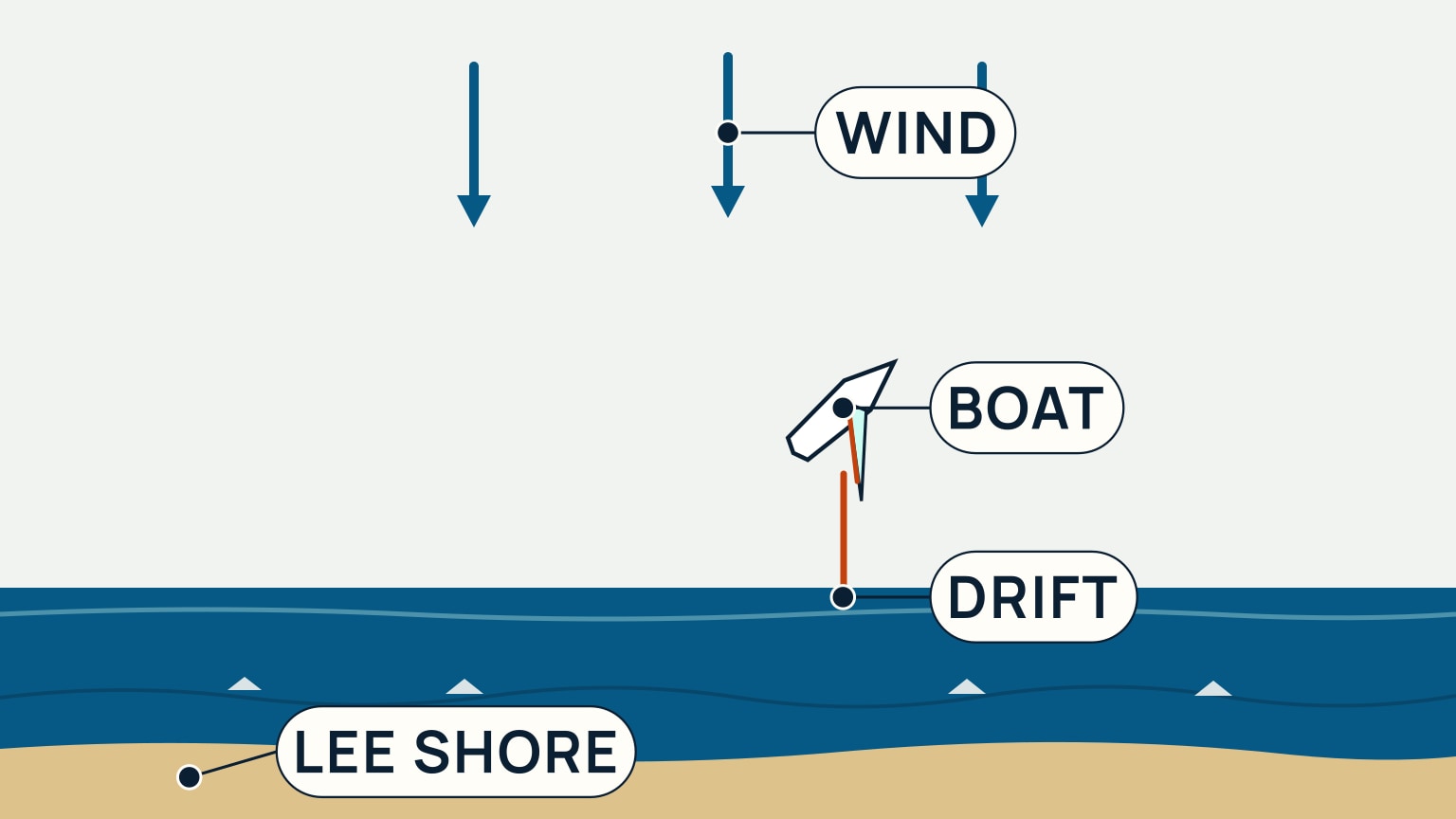
A lee shore applies that same boat-centered idea to a piece of land: it's the shore that lies to your leeward side, out in the direction the wind is blowing toward. The wind is moving from the open water, past your boat, straight at that shore.
That's exactly backward from "in the lee of" an island, where the island itself sits to windward and blocks the wind for you. There, the landmass is upwind and sheltering. On a lee shore, you're the one upwind and exposed, and the shore is what's waiting directly downwind, ready to catch anything the wind carries onto it, including your own boat if you lose the ability to sail away.
Two Forces That Compound Against You
Two things make a lee shore worse than the same wind over open water.
The first is the push. Wind (and any drift it causes) moves a boat in the leeward direction, which by definition is straight toward a lee shore. A boat that loses the ability to sail away doesn't drift sideways or sit still; it drifts onto the one hazard it was trying to avoid.
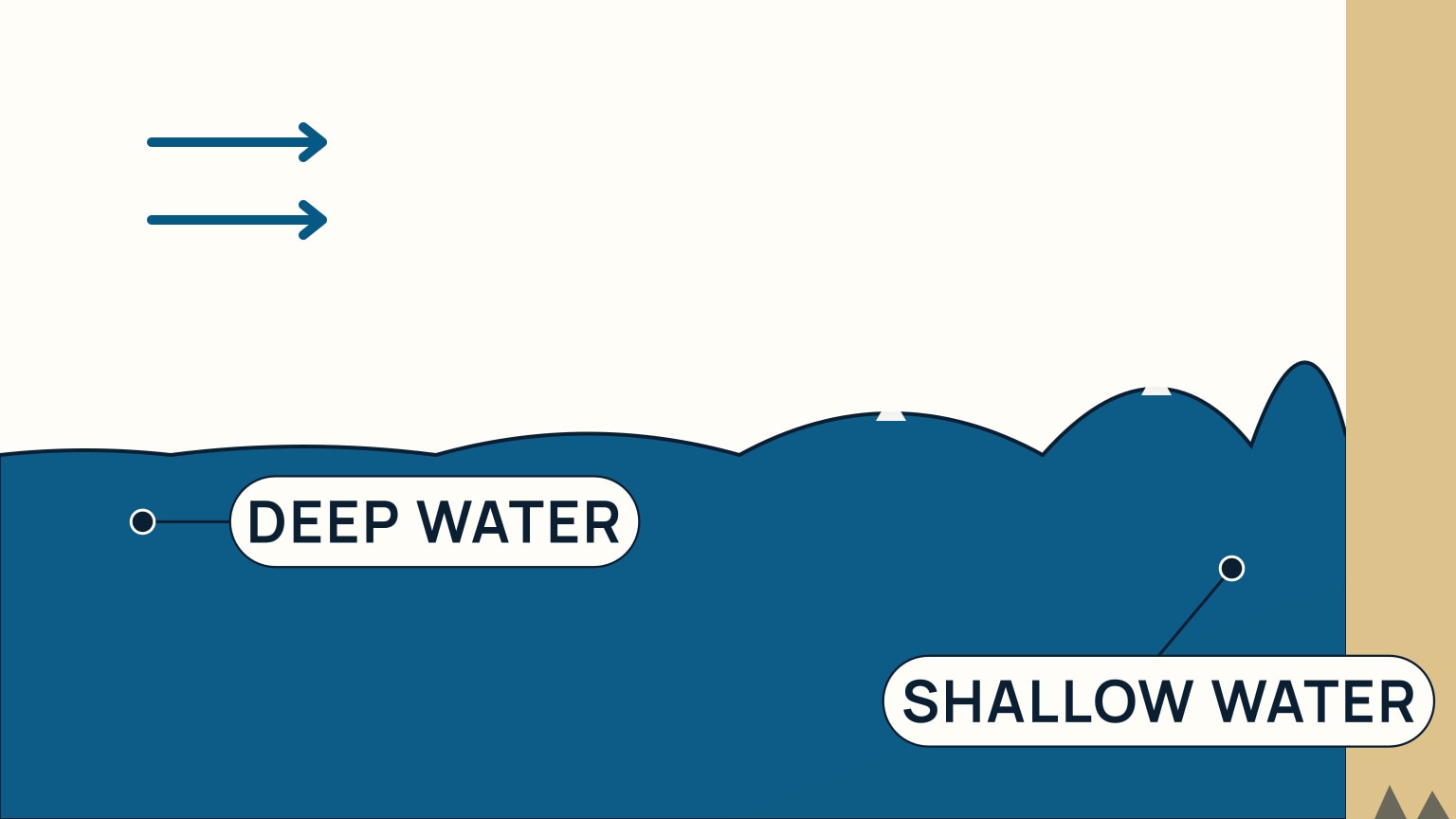
The second is the water itself. Waves get taller and steeper as they run into shallower water near a coast. Meteorologists call this shoaling: as the depth drops, the waves slow down, bunch closer together, and rise. Where an outgoing tide is also flowing, the effect can sharpen further, since the current pushes back against the same wave energy.
Put the two together and the hazard and the rough water arrive at the same time, in the same place. The closer you get to a lee shore, the worse the water gets, right when you'd most need it to behave.
Sea Room Is Time, Not Just Distance
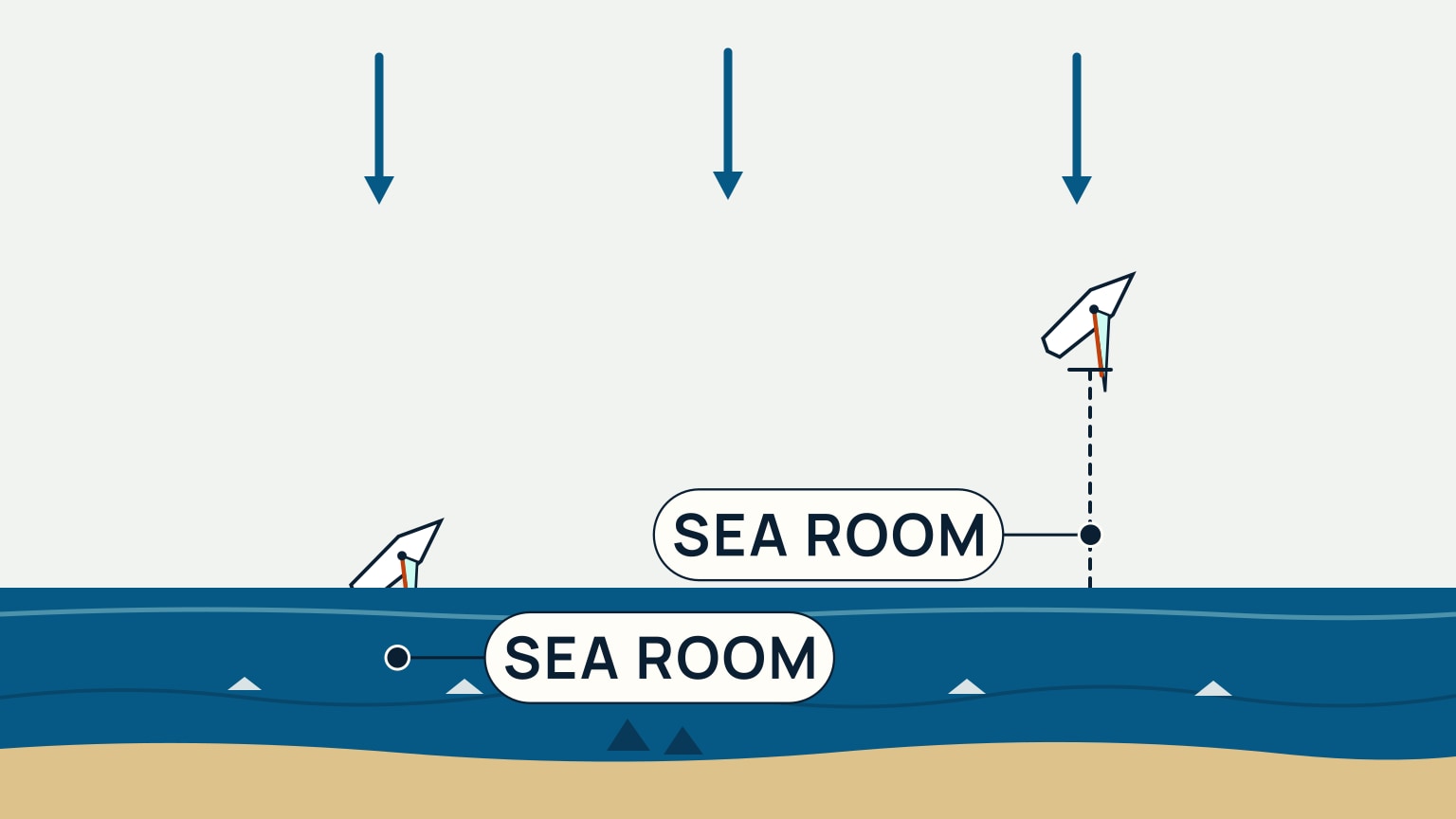
The plain fix for all of this is sea room: the open water between your boat and the nearest hazard. The more of it there is, the more time you have to solve a problem (reef, tack away, start the engine) before the hazard is the thing you're actually dealing with.
The trouble is that the obvious way to escape a lee shore, sailing off to windward, is also the hardest point of sail to make progress on, at exactly the moment conditions are worst. Beating upwind already asks the most of a boat and her crew. Add the steeper, shoaling waves right off the shore, and each one can stop a boat cold. Sailing-safety sources note that even a powerful engine makes slow progress against them.
It's tempting to try to claw back sea room by pointing as close to the wind as possible, but that habit backfires: pinching that tight can stall a boat's progress instead of helping it. The better move is finding whichever point of sail actually moves you away from the hazard, even if it isn't the most direct heading.
Plan Ahead So You Never Need the Scramble
Sailing-safety sources teach a few habits aimed at never needing that scramble in the first place.
Shorten sail early, before a boat is already overpowered, not after. Reducing sail while you still have an easy choice is far simpler than doing it once the wind already has you leaning hard.
Favor a windward shore when one's available. A shore upwind of you blocks the wind's reach across the water and keeps the sea calmer there, instead of trapping you against it the way a lee shore does. It's the same relationship, in reverse, and it's smart practice for choosing an anchorage or a course, not a hard rule; any given coastline may not offer the choice.
Know your escape port before you need it. Deciding where you'd run for shelter is a much easier call before the wind picks up than while you're already looking for somewhere to go.
And if the engine ever fails near a lee shore, dropping the anchor is the fastest brake you have, worth knowing about, even though anchoring well is its own subject.
Draw the risk on the chart
Mark the wind direction, the downwind shoreline, shallow water, obstructions, and the route toward open water or shelter. Then ask how much distance and time remain if speed falls, steering is lost, or the crew must reef. Sea room is useful because it preserves choices.
Update the picture when wind direction changes. A shore that was not downwind earlier can become the lee shore later. The marine forecast guide helps place forecast changes on the trip timeline.
Choose an early trigger
Set the point where the boat will tack away, shorten sail, use propulsion under the plan, head for shelter, or prepare the anchor. Do this before the shore fills the view. Waiting for obvious danger leaves less room for a slow tack, a fouled line, or an engine that does not start.
The strong-wind preparation guide connects sea room with crew roles and sail reduction. The anchor-types guide explains why an anchor still needs a suitable bottom and complete system before it can act as a brake.
Keep the terms straight
A lee shore is downwind of the boat, so wind tends to carry the boat toward it. A windward shore lies upwind. "Lee" can describe sheltered space in other contexts, but it does not mean the downwind coast is safe.
Practise by naming the lee shore from three wind directions on the same chart. Then identify the safest open-water side and a sheltered alternative. The exercise turns a vocabulary term into a route decision: notice which boundary the wind is closing, and act while the boat still has room.
None of this is about memorizing a scarier version of "lee." It's about training your eye to notice, before it matters, which shore the wind is pushing you toward and how much open water you've got to work with. That's the same judgment experienced sailors build through repetition: reading the wind, checking your position against the nearest hazard, and choosing the point of sail that actually helps.
SailStarter's lessons walk through exactly this kind of judgment call, with the same wind-and-boat diagrams used here, at a pace built for someone learning it for the first time. If lee shores, sea room, and strong-wind strategy are new territory, the short lesson on this topic is a good next stop. You'll see the same ideas from a few more angles, with practice questions to check that they've actually stuck.
When comparing two harbours, draw the wind across each entrance and berth. One may offer a sheltered approach while the other places the boat against a downwind boundary. Recheck for the forecast return time, because a planned wind shift can reverse the easier choice.
Try it from the lesson
Can you spot the next move?
The wind is blowing from open water toward a rocky coastline on your left. Is that coastline a lee shore or a windward shore?
Why you can trust this guide
. We build each guide from public seamanship and safety sources, then teach the universal principle before any local difference.