Chart your course
Sailboat Propane Safety
Quick answer
The short version
Treat propane as an installed system, not simply a cylinder attached to a stove. Map the cylinder locker, low overboard drain, regulator, supply line, shutoff, appliance controls, and detector where fitted. Propane is heavier than air, so the drain and gas-tight separation from the interior matter. Follow the boat's written opening and closing sequence and close the cylinder valve after cooking. Never use a flame to find a leak. If you smell gas, stop, avoid ignition sources and electrical switching, shut off the supply if safe, ventilate, and arrange professional repair before reuse.
Equipment and procedures depend on the actual installation. Do not copy a valve sequence from another boat when your manual states something different. Every regular crew member should know the shutoff location and the immediate gas-smell response. Keep the instruction close enough to use, yet outside a locker that may be unsafe to approach during a suspected leak.
Recognize The System
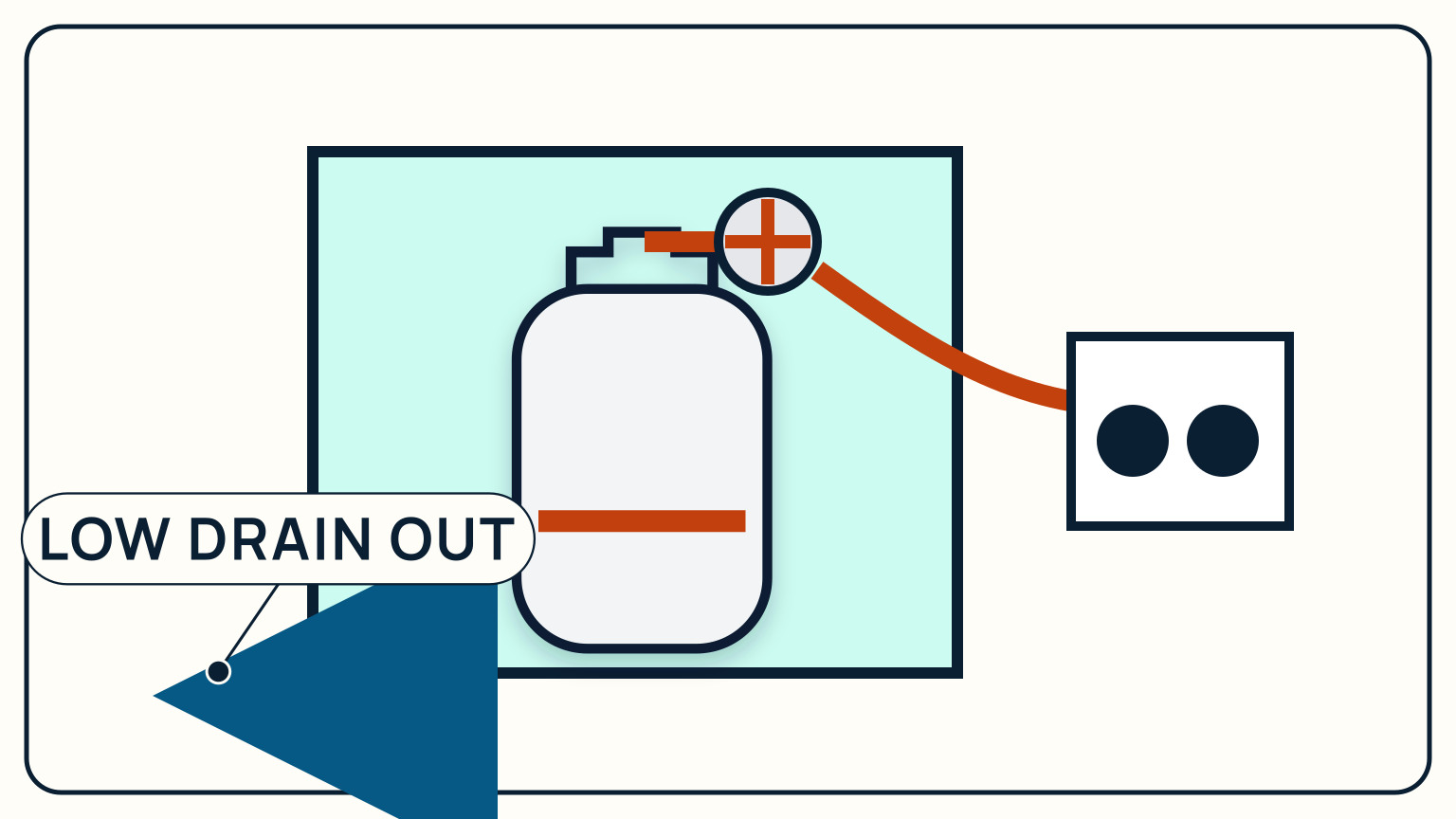
Begin at the dedicated cylinder locker. Identify the cylinder restraint, valve, regulator, and the low drain that leads overboard. The drain must remain clear because leaked propane can settle low. Do not store unrelated gear where it can block the drain, damage the regulator, or interfere with the cylinder and valves.
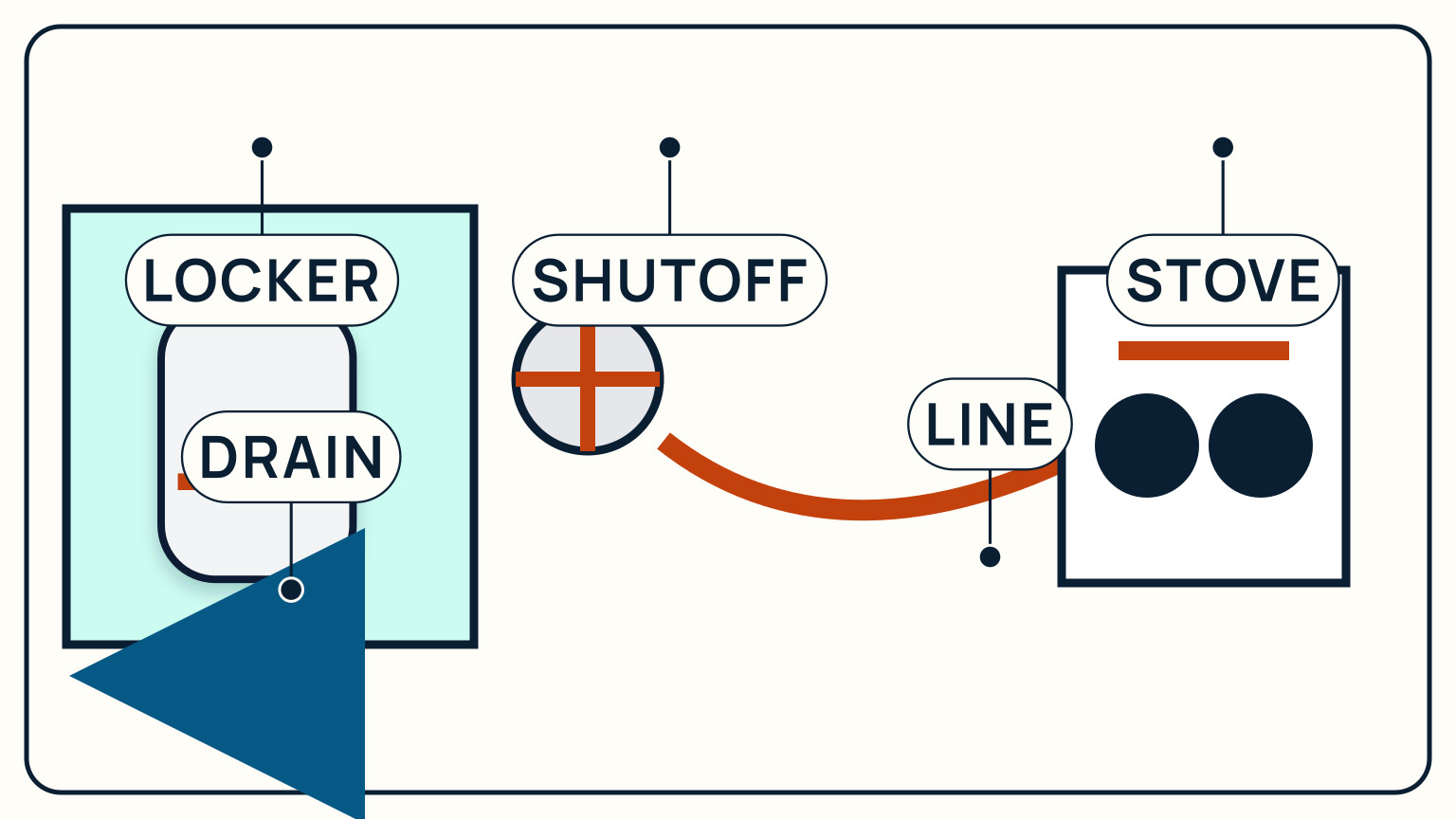
Follow the supply line toward the appliance without dismantling the installation. Locate any remote shutoff, gauge, detector, and appliance controls shown in the boat's documents. Record areas that are hidden or inaccessible. A loose cylinder being carried beside a boat does not demonstrate a compliant onboard arrangement; the locker, drain, connections, and control path are the evidence that matters.
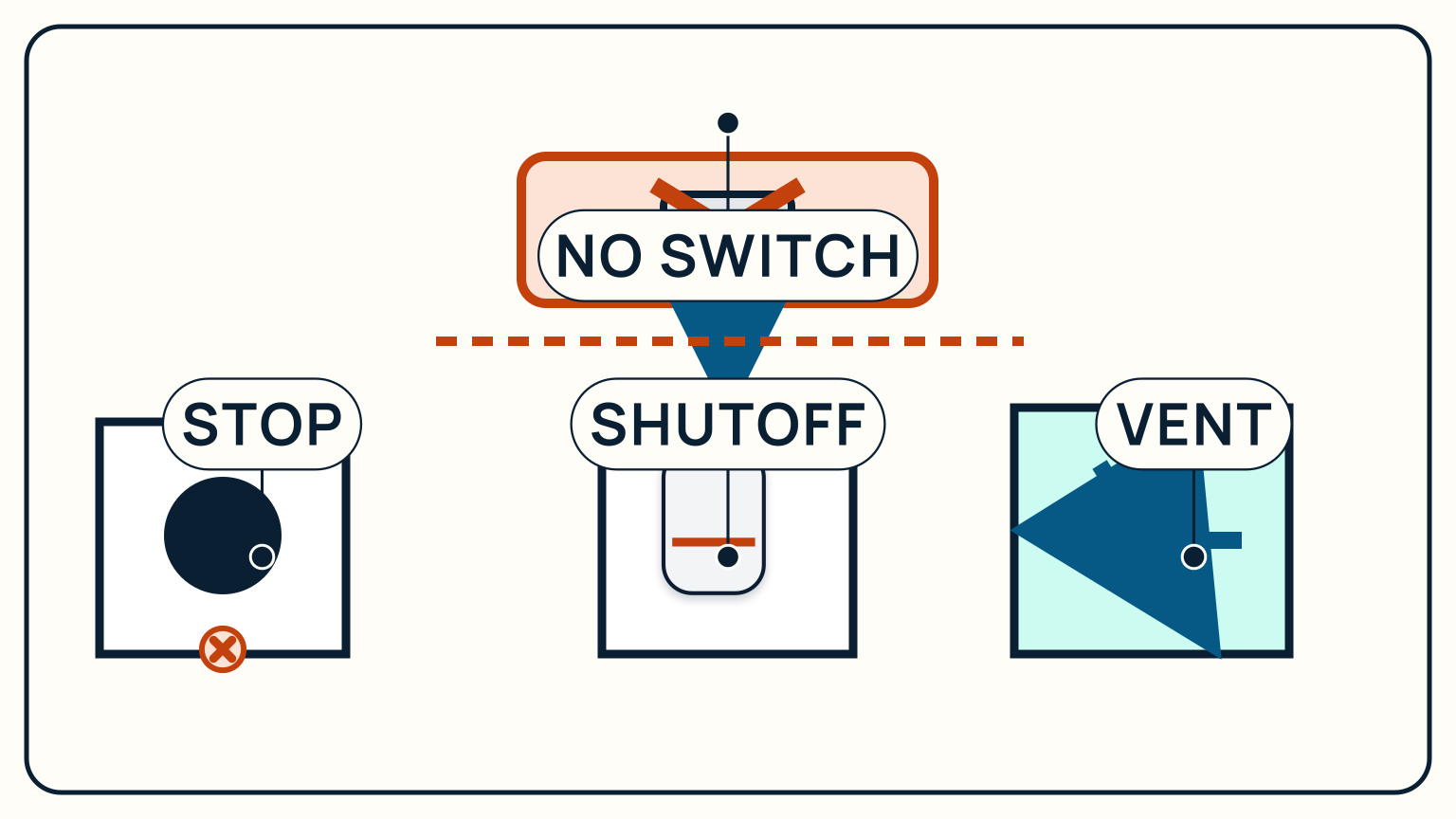
Make a simple cutaway map like the figure and test it with the crew. Ask each person to point out the cylinder valve and explain where gas should drain if released in the locker. Check that labels and access remain clear after loading the boat. If the line, locker construction, drain route, or equipment cannot be identified, leave the system off and ask a qualified gas-system professional to establish the layout.
Inspect the drain outlet from the safe exterior position described by the boat's guidance. Confirm that paint, insects, dirt, water, or stored equipment has not obviously blocked either end. Do not probe the line blindly or use compressed air without an approved procedure. Record where the outlet is so a future inspection does not confuse it with another hull opening. A drain whose route is unknown needs professional confirmation before the locker is treated as serviceable.
Use The Shutoff Routine
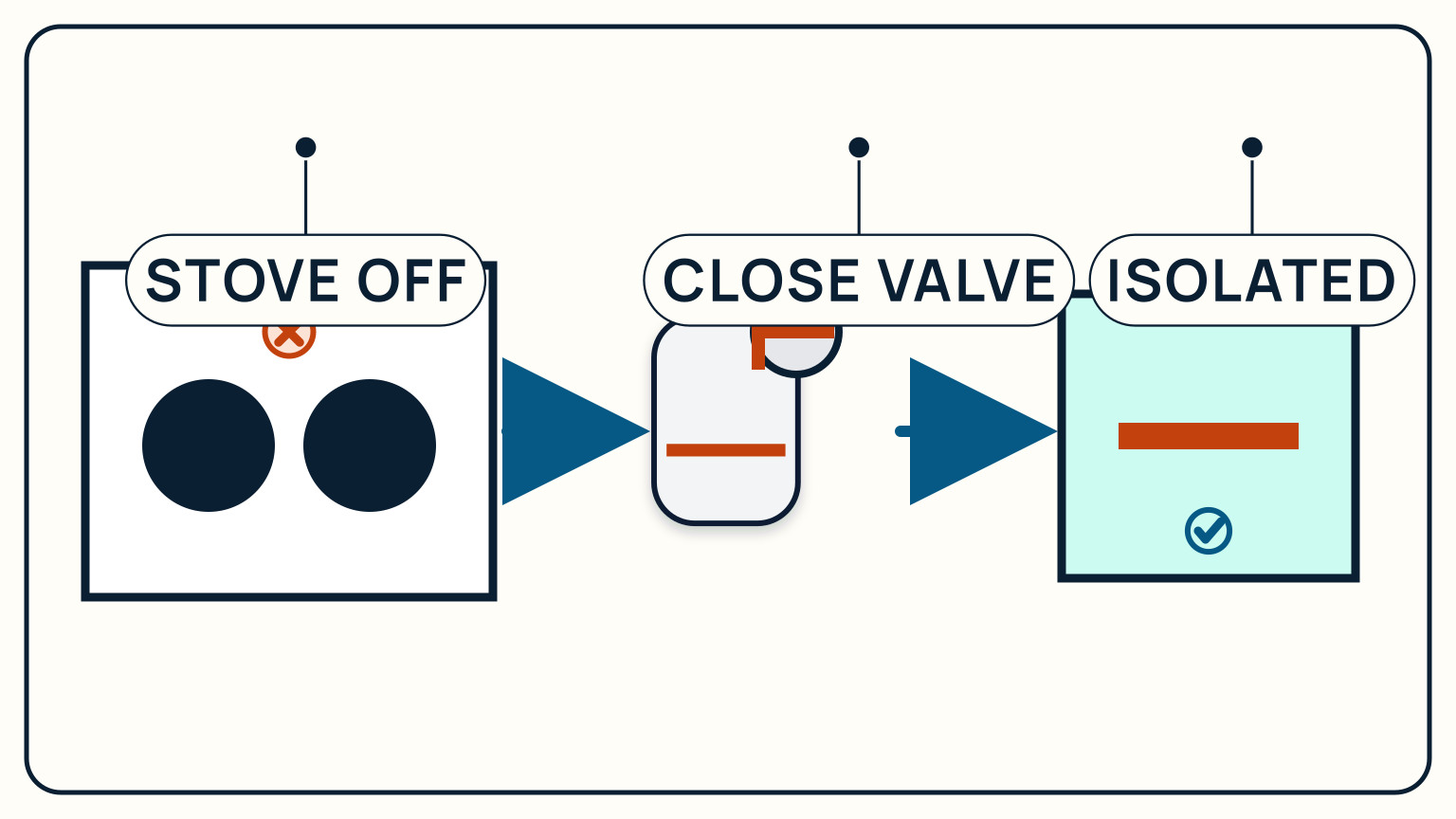
Use the installed instructions every time. Before opening the cylinder supply, confirm the appliance controls are off and complete any checks named by the manual. Open valves only as directed. When cooking is finished, turn the appliance off and close the cylinder valve according to the written sequence. Do not rely on a burner control as the only barrier between the cylinder and cabin.
Watch the whole action during crew training. A person should be able to reach the cylinder shutoff without moving stored equipment or guessing which valve controls the gas. Keep hands, loose clothing, and flammable material away from the appliance. If a valve is stiff, damaged, or uncertain, stop; forcing it is not a safe way to complete the routine.
Record the system state when leaving the boat. The goal is a repeatable habit, not a complicated checklist that nobody follows. If the installed equipment includes a remote solenoid or additional control, incorporate it exactly as the manual specifies. Changes to valves, line, regulator, locker, or appliance need competent design and repair. A familiar household gas fitting is not proof that a part is suitable for this marine system.
Practice the routine without lighting the appliance until each crew member can name the controls in order. Correct uncertain gestures immediately; reaching toward the wrong locker in an emergency is valuable evidence during training. Keep the area bright enough to identify equipment without a portable electrical device being introduced during a suspected leak. Review the sequence after any professional service because the position or type of a control may have changed.
Check For Leaks
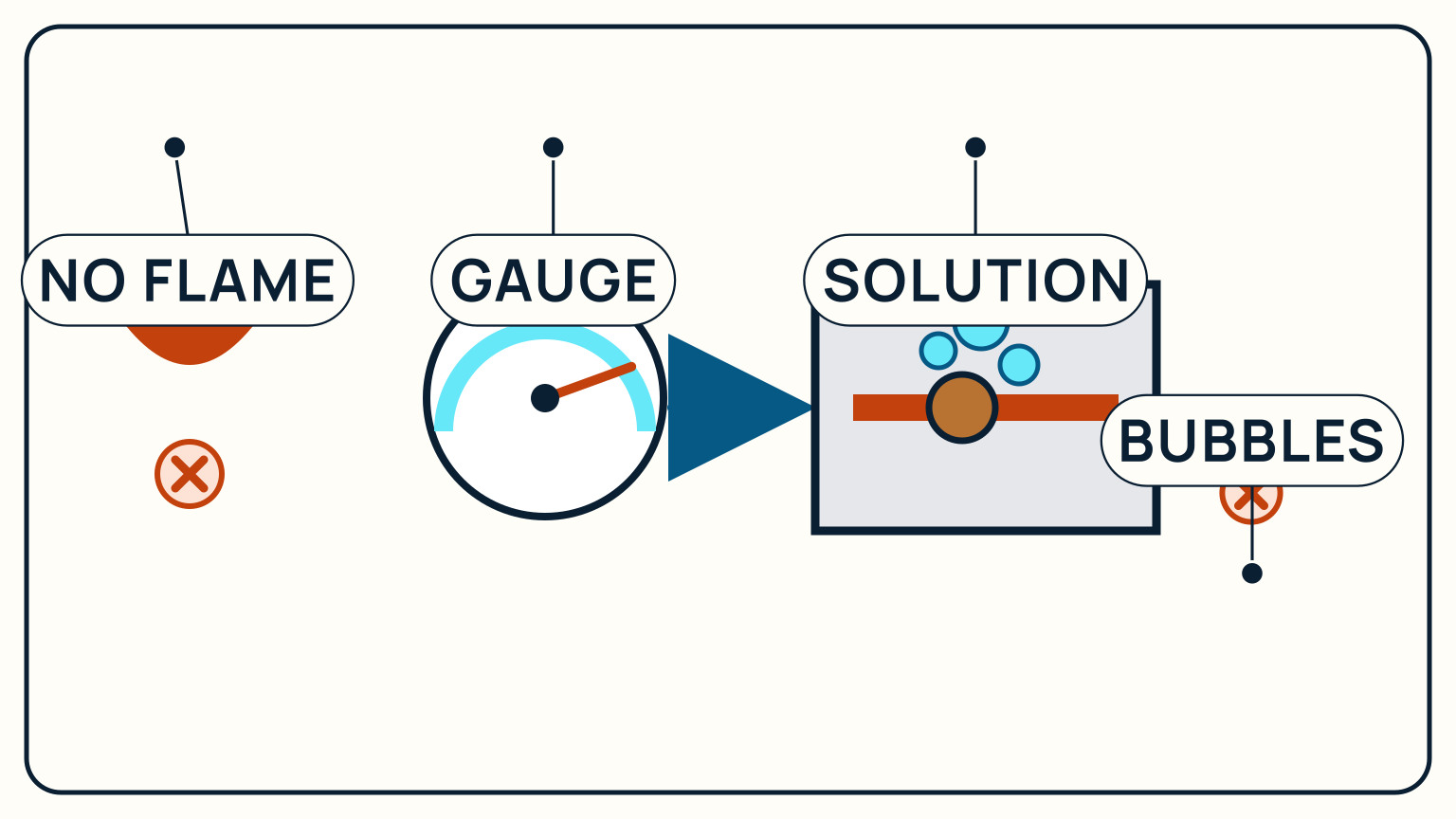
Never investigate a propane leak with a flame. Where the installed system has the required gauge and the manufacturer supplies a pressure-drop procedure, follow that procedure exactly. The test conditions, valve sequence, observation period, and acceptable result come from that equipment's instructions. A pressure change indicates a problem to resolve; it does not identify the leaking component by itself.
A noncorrosive leak-detection solution can help locate a confirmed problem when used as directed. Apply it only to the connections and materials allowed by the procedure and look for bubble formation. Keep ignition sources off. Do not use a result to justify continued operation while waiting for repair. Correct the leak before returning the system to service.
Hoses, fittings, regulators, gauges, and appliances need model-specific inspection and replacement decisions. Record where the test indicated a problem and provide photographs from a safe exterior view. Do not tighten multiple fittings in hope of making the reading disappear. Unplanned adjustments can create more uncertainty. A qualified professional should repair the fault and complete the required check before gas is supplied again.
Keep the completed test record with the exact manual page or instruction used. Note the starting state, each valve movement, the observed gauge result, and where solution produced bubbles if that step was authorized. This makes the evidence repeatable for the professional and reduces the risk that a different procedure is remembered later. A successful check applies to that condition and time; it does not eliminate routine inspection or future leak response.
Respond To A Gas Smell
If you smell the added gas odor, stop cooking immediately and avoid flames, sparks, and smoking. Do not switch electrical equipment on or off to investigate. Shut off the gas supply only if you can do so safely, then get people away from the affected interior and ventilate as appropriate to the boat's emergency procedure.
Do not search low spaces with an electrical light or assume the smell has cleared because the door is open. Propane can collect low, and the source remains unresolved until the system is checked. Prevent anyone from relighting the appliance or reopening the cylinder. Call the appropriate emergency help if the situation is unsafe or cannot be controlled without exposure.
Afterward, write down what was operating, where the odor was first noticed, which valve was closed, and what ventilation occurred. Give that information and the system map to a gas-system professional. The boat should not return to propane use until the leak or other fault has been found, repaired, and checked. Crew confidence is not a completion test; the installed procedure and professional verification are.
Plan where people will assemble after leaving the affected cabin and how help will be called without re-entering for a phone or radio. Keep essential communication equipment accessible from a safe route when practical. The plan must fit the boat and location, and emergency services vary, so verify current local contact methods. The shared principle is simple: people come before an attempt to save a meal, cylinder, or schedule.
Practice the communication as well as the movement. One crew member should be able to state that propane is suspected, whether the cylinder was closed, where people are, and whether anyone is unwell. Avoid vague messages that send another person aboard to investigate. After the exercise, move equipment that would block the exit or shutoff route and update the written plan where the crew hesitated.
Propane safety depends on recognition and a routine practiced before anything goes wrong. Keep the locker clear, the drain open, the shutoff reachable, and the written sequence current. SailStarter's systems lessons can help you learn the onboard map. A qualified gas-system professional should handle uncertain installation details, leaks, damaged controls, and return-to-service checks.
Review the routine at the start of a season, after cylinder replacement, and after any service. Confirm that every regular crew member can stop use without improvising and knows that an unexplained odor ends the cooking plan immediately.
Keep inspection and service dates with the system map, including the exact equipment covered. If a detector or appliance changes, replace the relevant instructions instead of leaving two conflicting procedures aboard. Remove retired parts from the locker and do not keep an uncertain regulator or hose as a spare. Clear records support the next professional assessment without inviting reuse of equipment that was taken out for a reason.
Try it from the lesson
Can you spot the next move?
The engine is idling, the boat is safely secured and the propeller area is clear. What should you confirm before departure?
Why you can trust this guide
. We build each guide from public seamanship and safety sources, then teach the universal principle before any local difference.