Chart your course
What Does It Cost to Live Aboard a Sailboat?
Quick answer
The short version
There is no dependable average cost for living aboard a sailboat. Your total starts with a berth that permits full-time occupancy, then adds the services you use, insurance, transport, storage, maintenance, and the boat's condition. Keep predictable monthly bills separate from repairs and seasonal work. Price both with current local information. Before giving up an ashore home, stay aboard long enough to test sleep, water, waste, ventilation, connectivity, and the ordinary trip down the dock with groceries.
A useful liveaboard budget describes one household, one boat, and one location. A marina fee from another coast cannot tell you whether your berth includes power, parking, or winter access. A similar boat may have very different repair needs. Start with written berth terms and the records for the boat you are considering. Add your actual household spending rather than an idealized version of life afloat. The result will not predict every bill, but it should show whether regular income can cover routine life without consuming the money set aside for failures.
Make A Household Budget
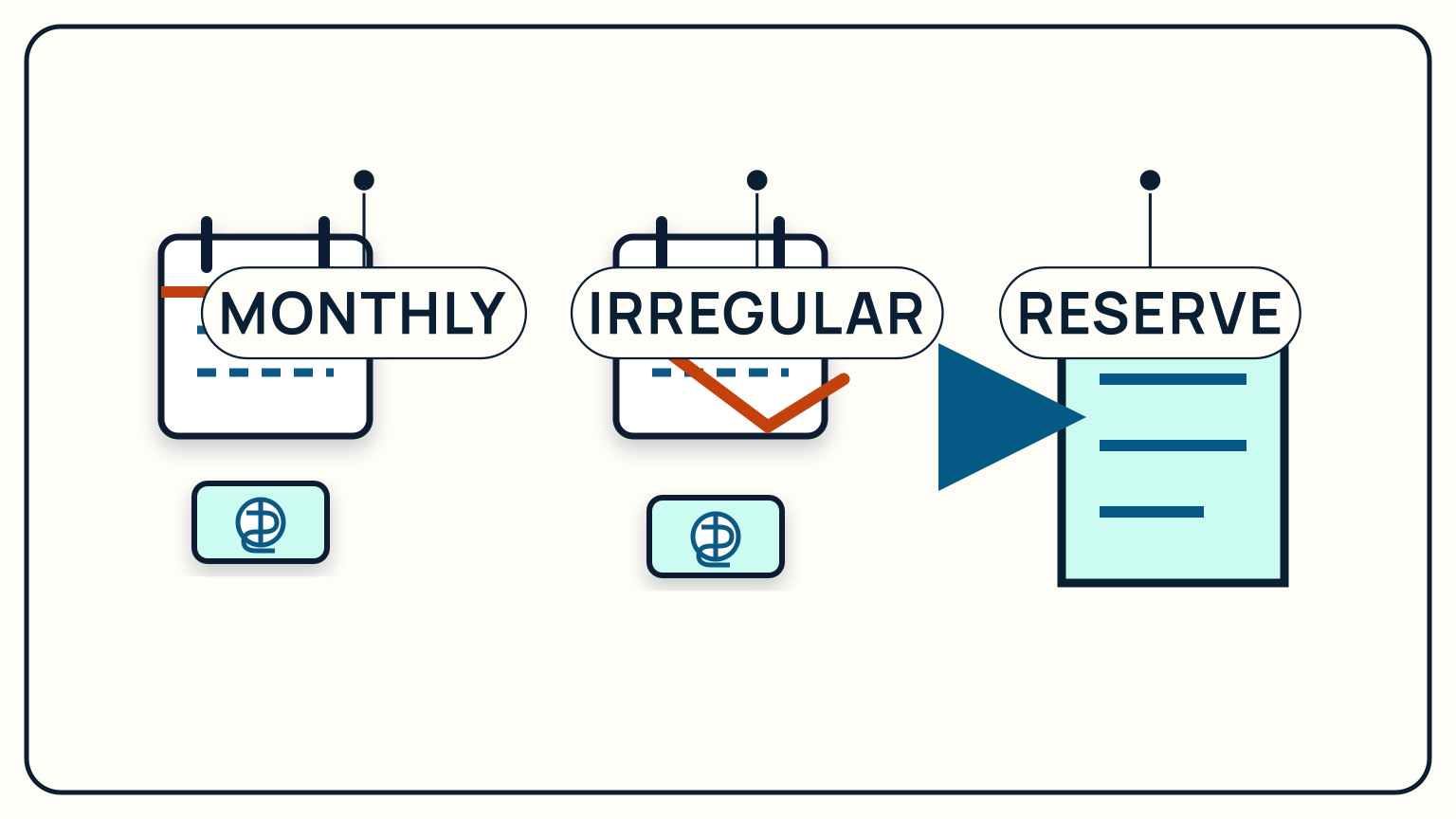
Open with two cost columns. Put berth fees, insurance, connectivity, laundry, transport, storage, loan payments, and any separately billed utilities in the regular column. The second column is for work that arrives less evenly: haulout, yard labour, replacement equipment, surveys, and seasonal service. Some items may move between columns depending on local arrangements. The important point is that an annual or occasional bill still belongs in the plan.
Now add the household side. Living aboard changes neither the need to eat nor the cost of getting to work. Record what you already spend on food, medical needs, clothing, travel, subscriptions, and personal commitments. Then note which ashore costs would genuinely disappear and which would merely change form. A small cabin may reduce the urge to buy household goods, while off-boat storage or more frequent laundry can create another charge.
Keep a repair reserve outside the money needed for next month's bills. Decide what amount you can rebuild after using it and what event would force you to pause the liveaboard plan. The reserve is not proof that any particular repair will cost that amount. It is a boundary that prevents a failed pump, urgent haulout, or berth change from immediately competing with food and rent-like expenses. Revisit the budget whenever the boat, location, season, or intended use changes.
Run one deliberately awkward month through the plan. Combine the normal berth and household bills with an irregular yard invoice, transport to the yard, and several nights ashore while the boat is unavailable. You do not need to predict the exact event. The exercise shows which expenses arrive together and whether the reserve is genuinely separate. If the scenario requires delaying insurance, food, or another essential payment, the budget needs a different boat, berth, timetable, or income margin before it is ready.
Price The Berth And Services
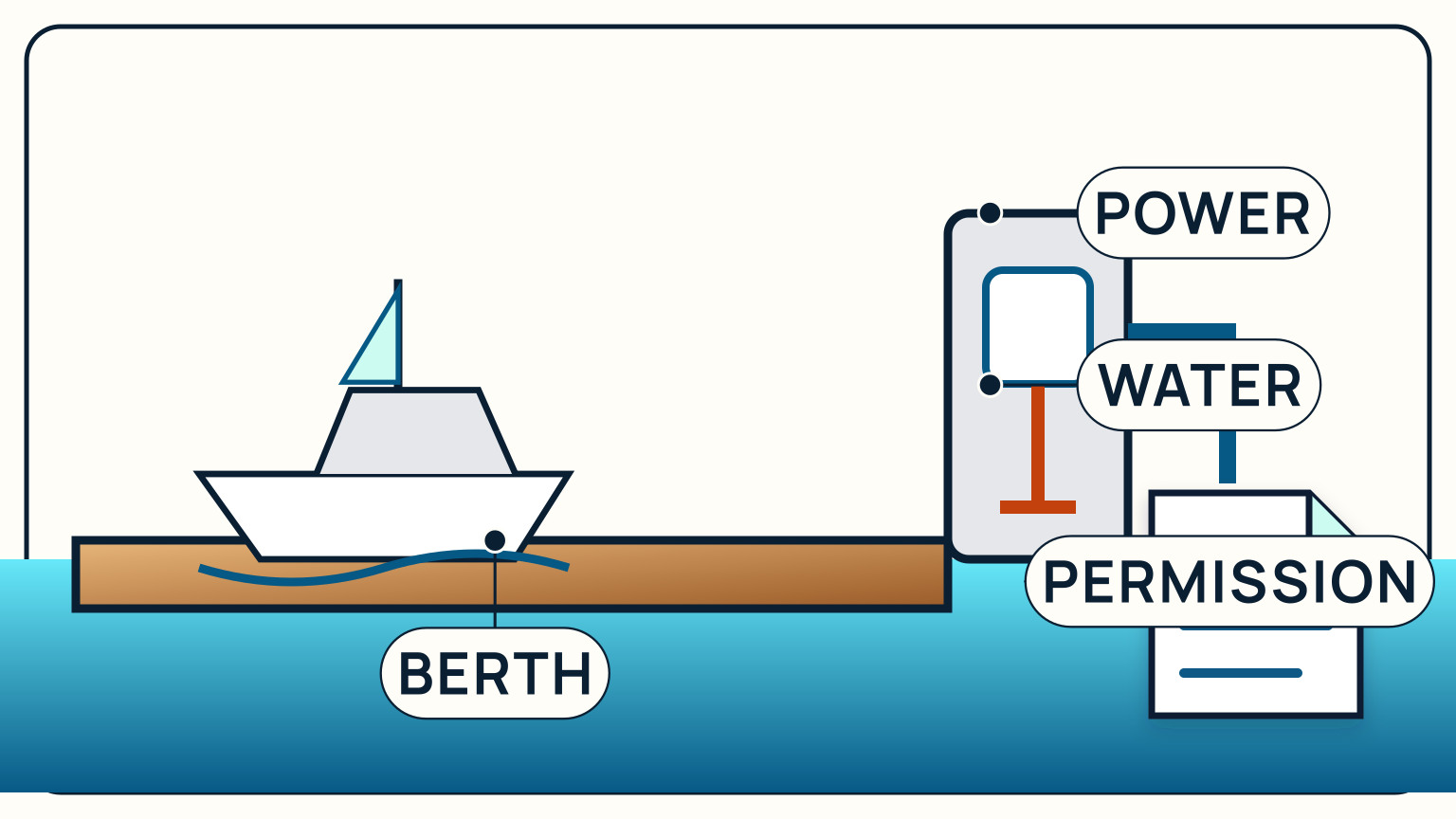
Ask the marina whether the berth permits living aboard. Do not infer permission from the presence of other occupied boats. Request the current terms and identify any limits on nights aboard, guests, mail, vehicles, pets, or winter access. Occupancy rules and fees vary by place, so the operator's written answer matters more than a general description online.
Next, mark what the quoted price includes. Useful questions cover water, electricity, washrooms, showers, pump-out, rubbish, parking, gate access, dinghy storage, and internet. Ask how metered services are billed and whether seasonal arrangements change. If a service is not included, find the local price and add it to the correct budget column. A low headline berth fee can lose its advantage once necessary services sit outside it.
The berth also has to work with the boat and your routine. Check access at the expected water level, the route from parking or transit, and the practical distance to groceries, laundry, work, and health care. These are not universal marina standards. They are household questions that affect both money and time. Keep the berth quotation, occupancy answer, and service list together, with a date, so you can compare alternatives on the same basis instead of relying on memory.
Compare two berths on a full-month basis. One may include power and showers but sit farther from work; another may charge less while requiring separate parking, laundry, and pump-out trips. Add those differences rather than ranking the advertised fee alone. Also ask what notice applies if the berth becomes unavailable. A liveaboard plan needs an answer for where the boat and household can go next, even if that contingency is only a priced temporary arrangement.
Plan For Maintenance
A boat remains a boat after it becomes a home. Pumps, hoses, heads, charging equipment, deck fittings, and moving parts still need attention. Constant occupancy also makes moisture management part of daily life. Closed cabins and packed lockers need air exchange because poor ventilation encourages condensation conditions. Look at how air reaches berths, lockers, and the spaces behind cushions rather than assuming an open companionway solves every damp area.
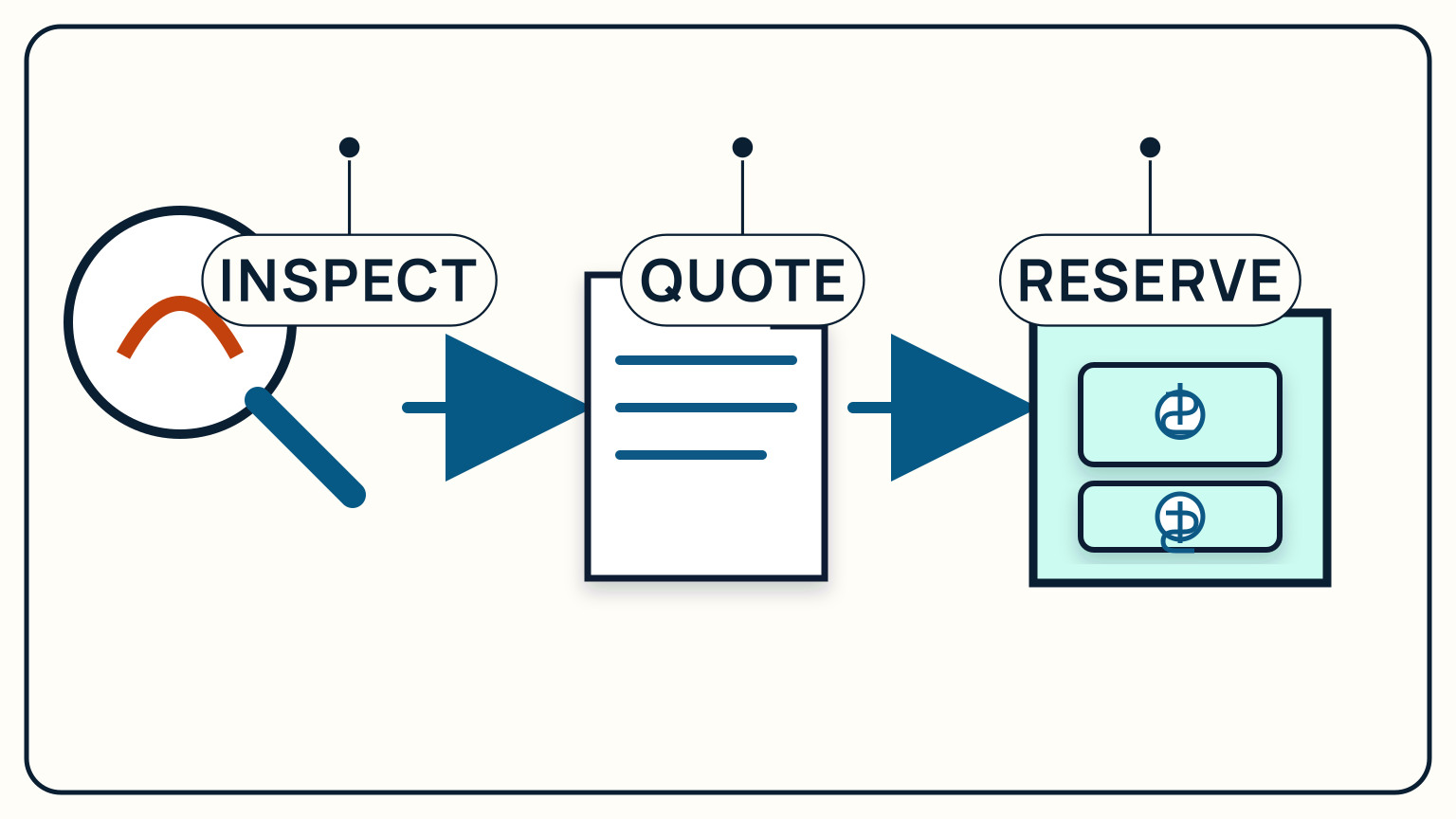
Build the maintenance plan from inspection evidence. List the known condition of each system, the work already recommended, and anything that could not be checked. For an unresolved item, request a quote that names its scope instead of inserting a guessed price. A quoted repair and a general allowance serve different jobs: one informs a current decision, while the other protects the budget from work not yet discovered.
Sequence disruptive jobs before moving aboard where possible. Work that empties lockers, interrupts water, removes a toilet, or requires a haulout is harder when the cabin is your only home. Keep a short list of alternative accommodation and transport costs for those periods. If a finding affects flooding, gas containment, electrical integrity, or structure, stop at observation and use the relevant qualified professional. The budget should make room for competent judgment rather than encourage a cheap improvised fix.
Give recurring observation a place in the calendar. Choose a few visible conditions that matter on this boat, such as locker moisture, pump behavior, charging, or a known deck fitting, and note what normal looks like. This is not a substitute for service. It gives you an earlier comparison when something changes and produces a narrower question for the right technician. A dated record also helps distinguish a household annoyance from a developing boat problem that belongs in the maintenance reserve.
Test The Lifestyle
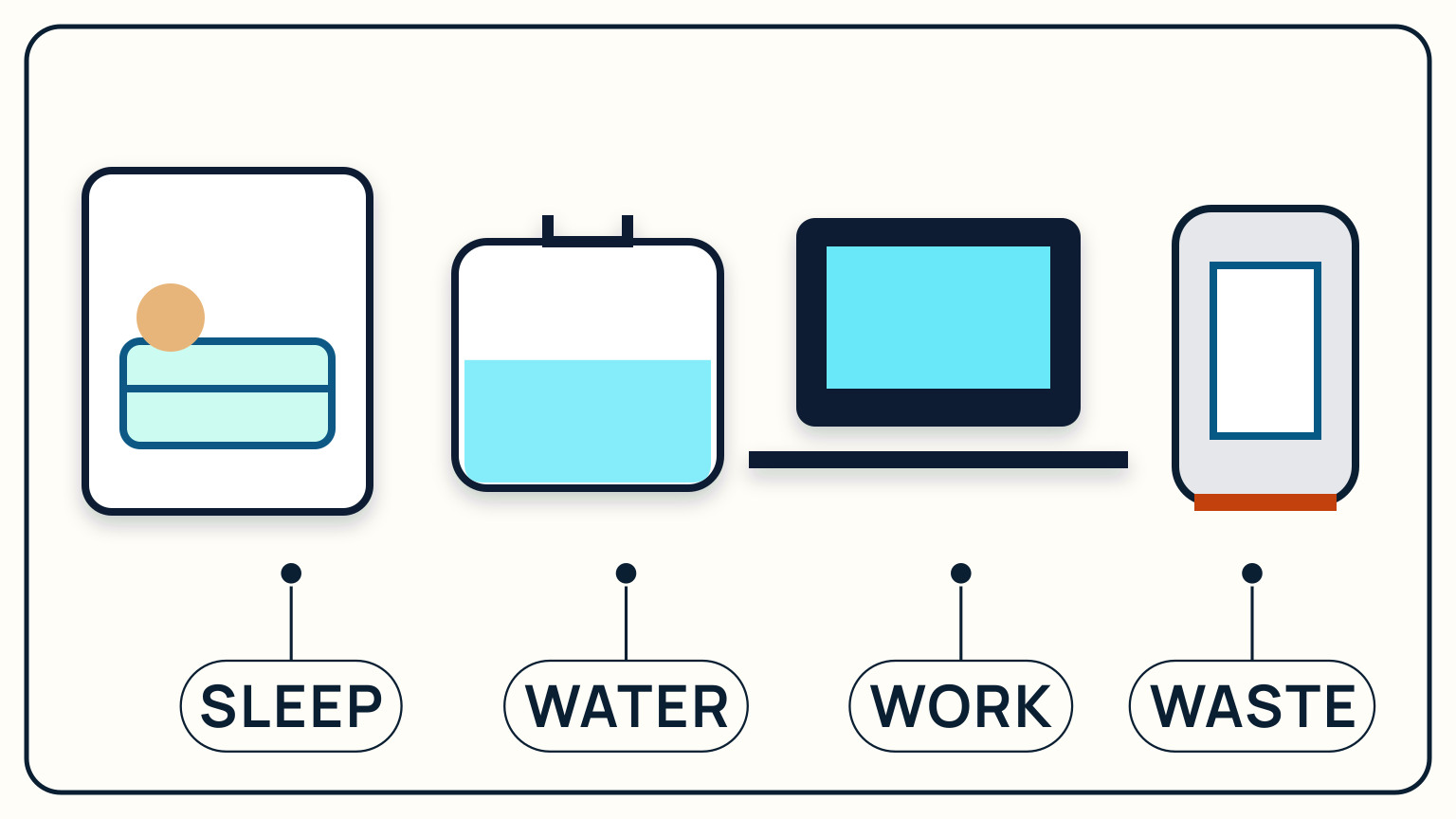
Arrange a trial in the weather and season you expect to live aboard. A pleasant afternoon visit does not test a cold night, persistent rain, marina noise, or a week of ordinary work. Sleep aboard, cook normal meals, carry shopping from shore, use the available water, and follow the actual waste routine. If you need a reliable connection for work, test it at the hours when you would depend on it.
Write down friction as it occurs. Note condensation around berths, the time needed for laundry, where wet clothing goes, how often water must be replenished, and whether two people can use the cabin without constantly moving each other's belongings. Separate a solvable arrangement problem from a limit you do not want to live with. Extra hooks may fix one issue; a berth that forbids occupancy will not.
End the trial with a decision, not a mood. Update the budget with costs you actually encountered and list any unanswered questions for the marina, insurer, or surveyor. Continue only if the household routine, berth permission, and repair plan can coexist without spending the reserve on normal monthly life. If the arrangement works only in unusually easy conditions, extend the test or keep an ashore option while you gather better evidence.
Ask every person who will live aboard to write a separate trial note before discussing the result. One person may be comfortable with storage but unable to sleep through dock noise; another may accept the noise and dislike the time spent finding showers or moving wet gear. Combining those observations too early can hide a firm limit behind compromise language. The decision should reflect the household that will actually live there, not the most enthusiastic person's tolerance.
The cost to live aboard becomes useful only when each number has a source. Keep current berth terms, service prices, insurance information, boat records, repair quotes, and notes from the trial in one place. Review them after a change of location, season, boat condition, or household routine. SailStarter's ownership lessons can help you organize the boat-side inspection, but the final budget belongs to your circumstances and the local providers who set the actual terms.
Try it from the lesson
Can you spot the next move?
A wide sailboat glides past on two side-by-side hulls, barely leaning at all. What type is it?
Why you can trust this guide
. We build each guide from public seamanship and safety sources, then teach the universal principle before any local difference.