Chart your course
How to Anchor Overnight Safely
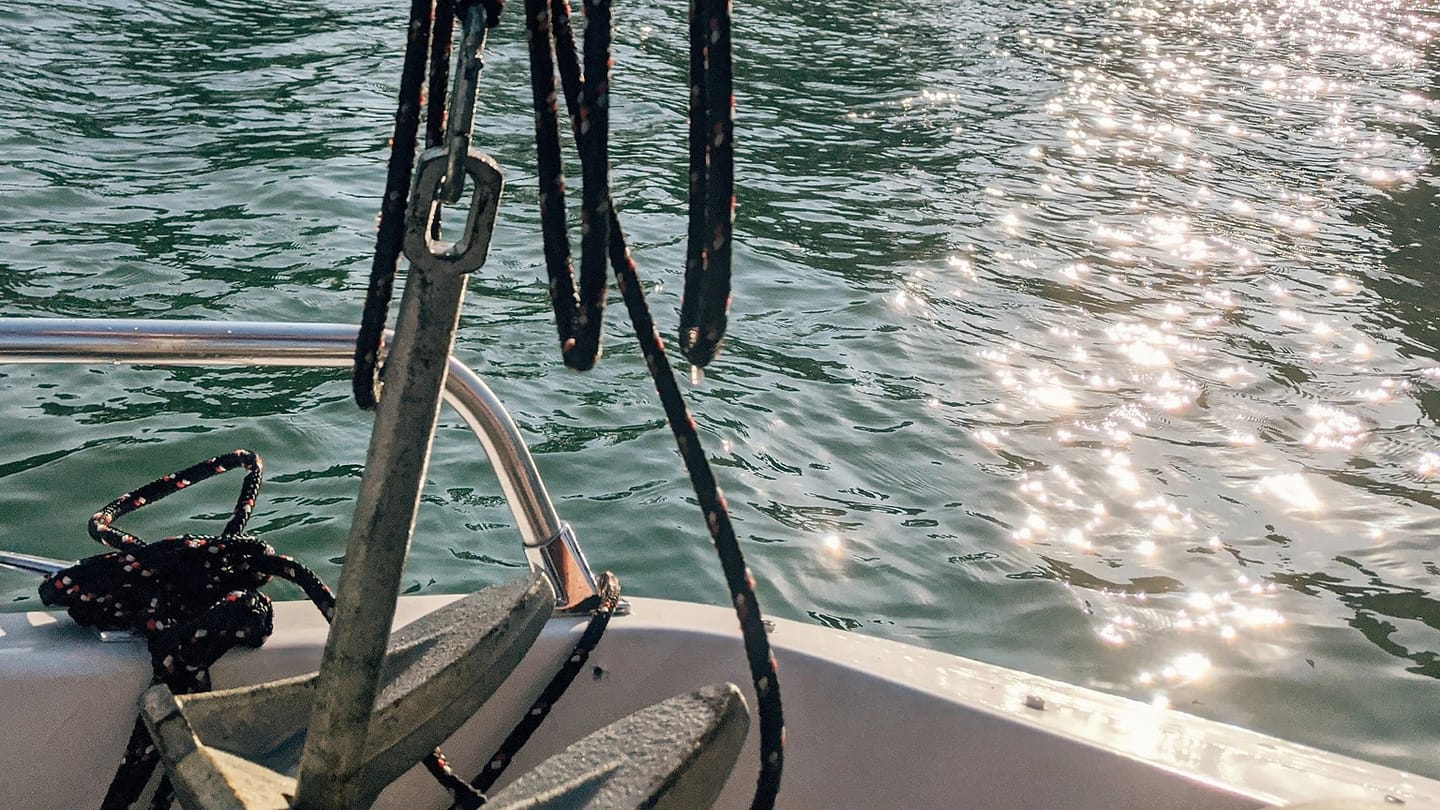
Quick answer
The short version
To anchor overnight safely, choose the place before you choose the anchor. Check the current forecast, expected wind changes, water depth through the night, bottom information, local restrictions, nearby boats, and the room your boat needs to swing. Set the anchor deliberately, confirm your position, and keep an anchor-watch routine that notices change early. If the place or conditions do not give you a comfortable margin, move while it is still light or choose a marina or mooring.
Anchoring is not a single drop-and-sleep action. It is a plan that lasts through shifting wind, tide, wake, rain, and darkness. The most useful habit is to keep asking one question: if the boat moves from the position I expect, where will it go next? That question turns an attractive bay into a route and clearance plan.
Choose the anchorage for the whole night
Arrive early enough to look around. A chart and local information can show depths, hazards, anchorages, channels, and shore features, but conditions at the site still matter. Check the forecast again for wind direction and strength changes. Look at the water, the waves, other boats' headings, and the route you would use if you needed to leave after dark.
Do not choose a spot by copying the nearest boat. Its draft, rode, anchor, local knowledge, and tolerance for motion may differ from yours. Give room for your own boat to swing and for other boats to swing as the wind or tide turns. Think of the boat's circle around the anchor, not only the point where you let go.
Depth is a night-long question. A falling tide can reduce water under the keel, while a rising tide can change the amount of rode in the water. Use current local tide information and the chart datum correctly for the area. If you are new to that part of planning, start with understanding tide tables before making an overnight decision.
Know the local rules and any harbour directions. Anchoring permission, protected areas, cable zones, exclusion areas, and overnight expectations vary. A universal article cannot tell you where a particular harbour allows an overnight stay.
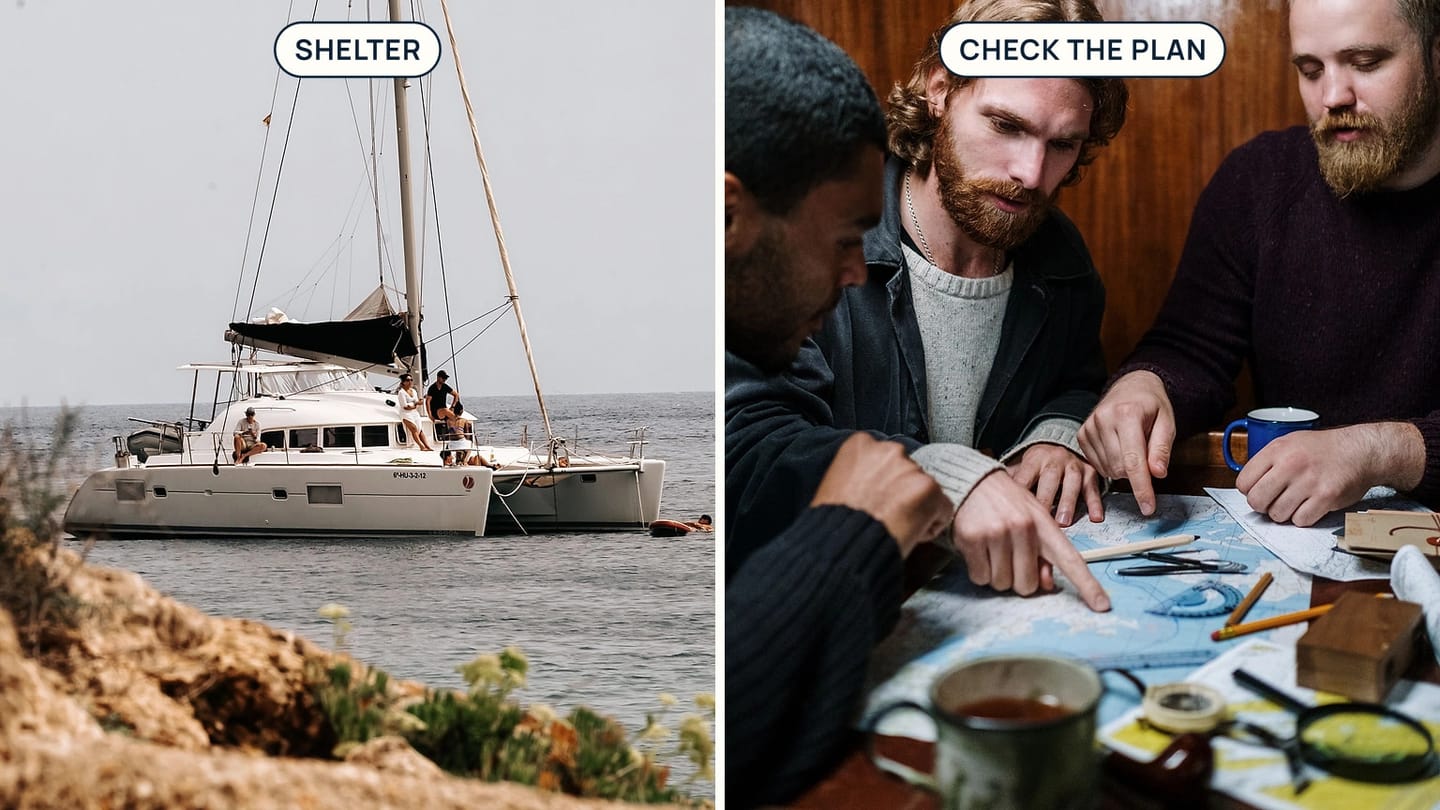
Prepare before the anchor goes down
Before entering the final area, make the deck ready. Check that the anchor, rode, windlass or handling gear, and securing arrangements are ready for the boat you have. Brief everyone aboard about hands, feet, loose clothing, communication, and where they will stand. Clear the route that the rode will take and keep people away from loaded line or chain.
Decide the approximate anchoring position, then check it against your swing room and exit route. A vessel at anchor needs position awareness while approaching, setting, and later weighing the anchor. That is why an anchoring plan includes the approach and not only the gear at the bow.
Avoid a rushed last-minute choice near other boats. If wind or current makes the approach confusing, make another pass in open water and observe. The boat may align with tide rather than wind, or reverse that behaviour as the forces change. This is especially important in tidal water, where the set and drift can move your track while you focus on the anchorage.
Have a simple signal plan between helm and bow. Shouting can be unreliable in wind and engine noise. Agree on stop, go, and how to indicate a problem before the anchor is moving. A short pause before deployment is cheaper than trying to untangle a rushed manoeuvre later.
Set, confirm, and map the swing area
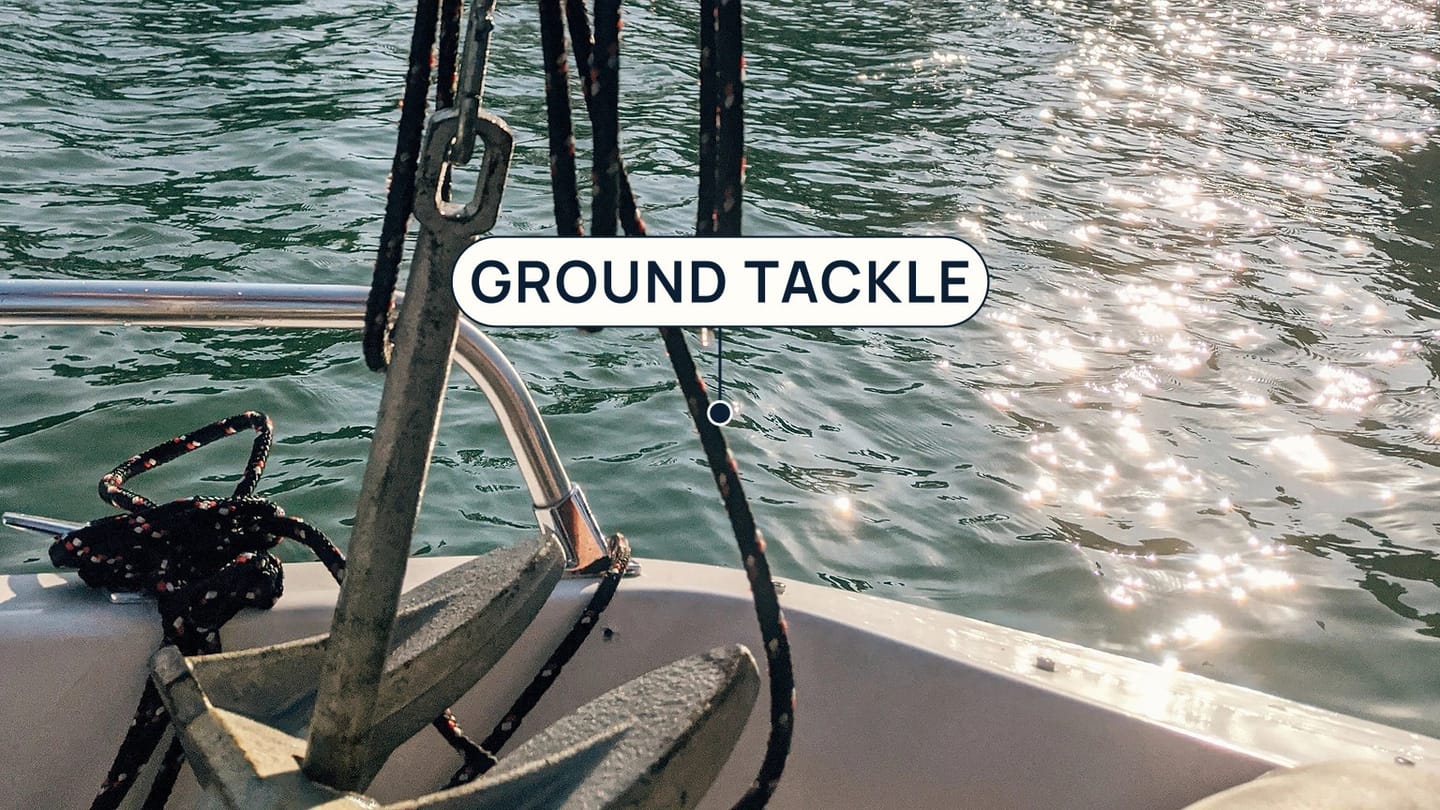
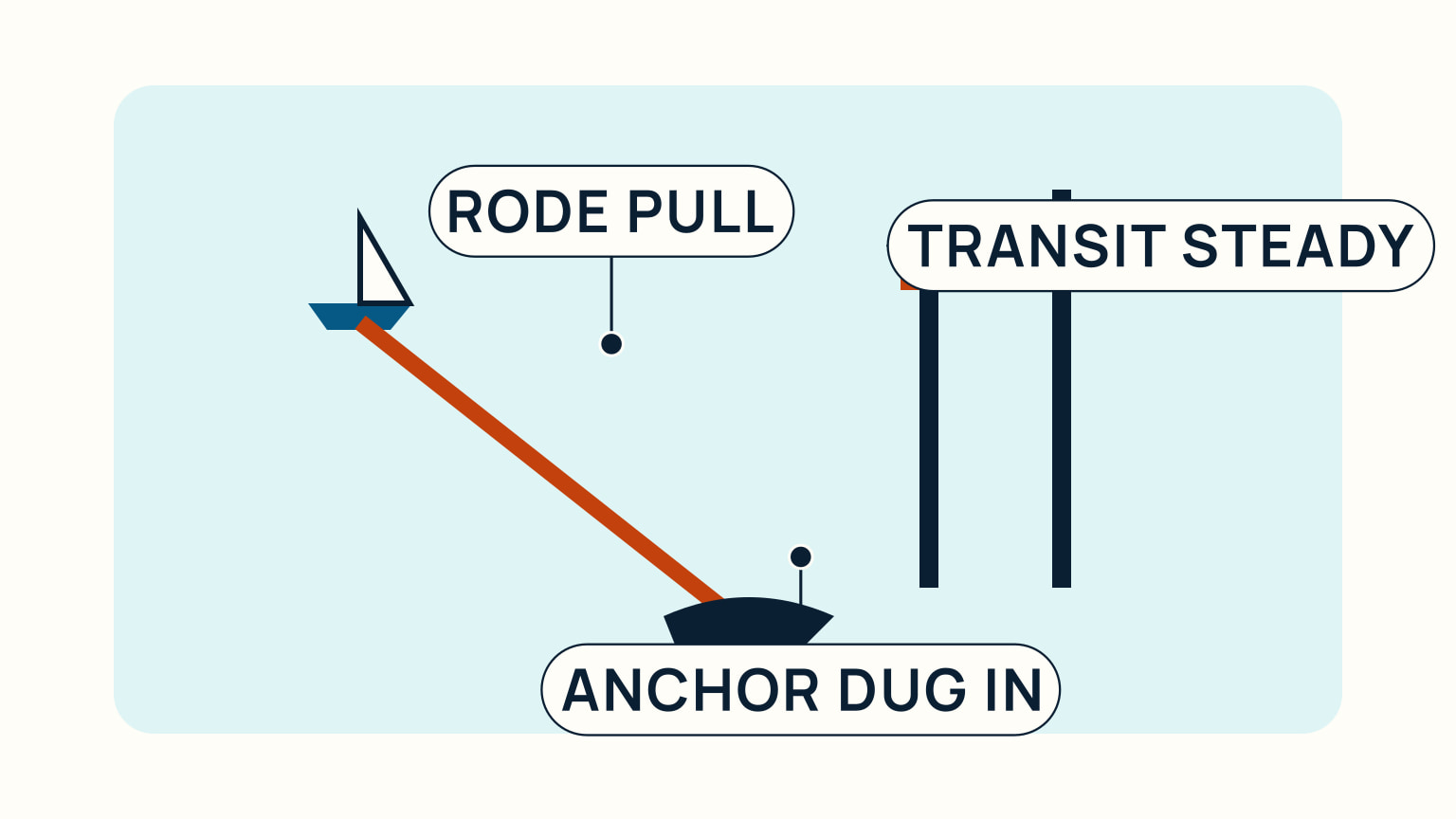
Lower and set the anchor using the method appropriate to your boat, gear, bottom, and local conditions. Do not assume that the anchor has set simply because the rode is out. Watch the boat's movement, the direction of load on the rode, and your position relative to fixed features or charted marks. If you are uncertain, reset while you have room.
Once the anchor is holding, record the position and look around again. A swing circle is based on the boat's length plus the rode deployed, so the boat's possible location is wider than the anchor point. Check where that circle sits relative to shallows, rocks, other boats, channels, and shore. Plan for the forces that are expected to change overnight.
Use more than one way to notice movement. A position alarm can be useful, but it needs a sensible radius and a person ready to interpret it. Visual bearings, a chartplotter track, depth trend, and the feel and direction of the rode can all add context. No single screen or alarm removes the need to look outside.
If your boat appears to drag, act early. Start the engine only when it is safe to do so, prepare to recover or reset, and tell nearby boats or a local authority if the situation requires it. Do not wait for the boat to reach the edge of your clearance before deciding what to do.
Keep an anchor-watch routine after dark
An anchor watch means remaining aware of the boat's position and the conditions affecting it. The form depends on the boat, crew, forecast, and location. Before sleep, agree who is checking, what changes would wake everyone, and how the engine, lights, communications, and exit route will be handled if the plan changes.
Check again when the wind turns, the tide changes, rain arrives, or other boats shift. Watch for a new line of boats pointing differently, increasing chop, unexpected noise from the rode, or a track that does not match the planned swing. These are prompts to investigate, not reasons to panic.
Keep essential gear available and the cabin arranged so a half-awake person can move safely. A torch, warm layer, footwear, communication device, and chart or display should not require a search in the dark. Make sure everyone aboard knows where the lifejackets are and how to get on deck without stepping over gear.
The best overnight plan includes a graceful exit. If the anchorage becomes uncomfortable or uncertain, weigh anchor and go somewhere more suitable while you can still do it safely. The confidence to move is more useful than the pride of staying put.
For a broader preparation routine, read how to choose an anchorage. It helps you make the decision before the evening closes in, when every judgement feels more urgent.
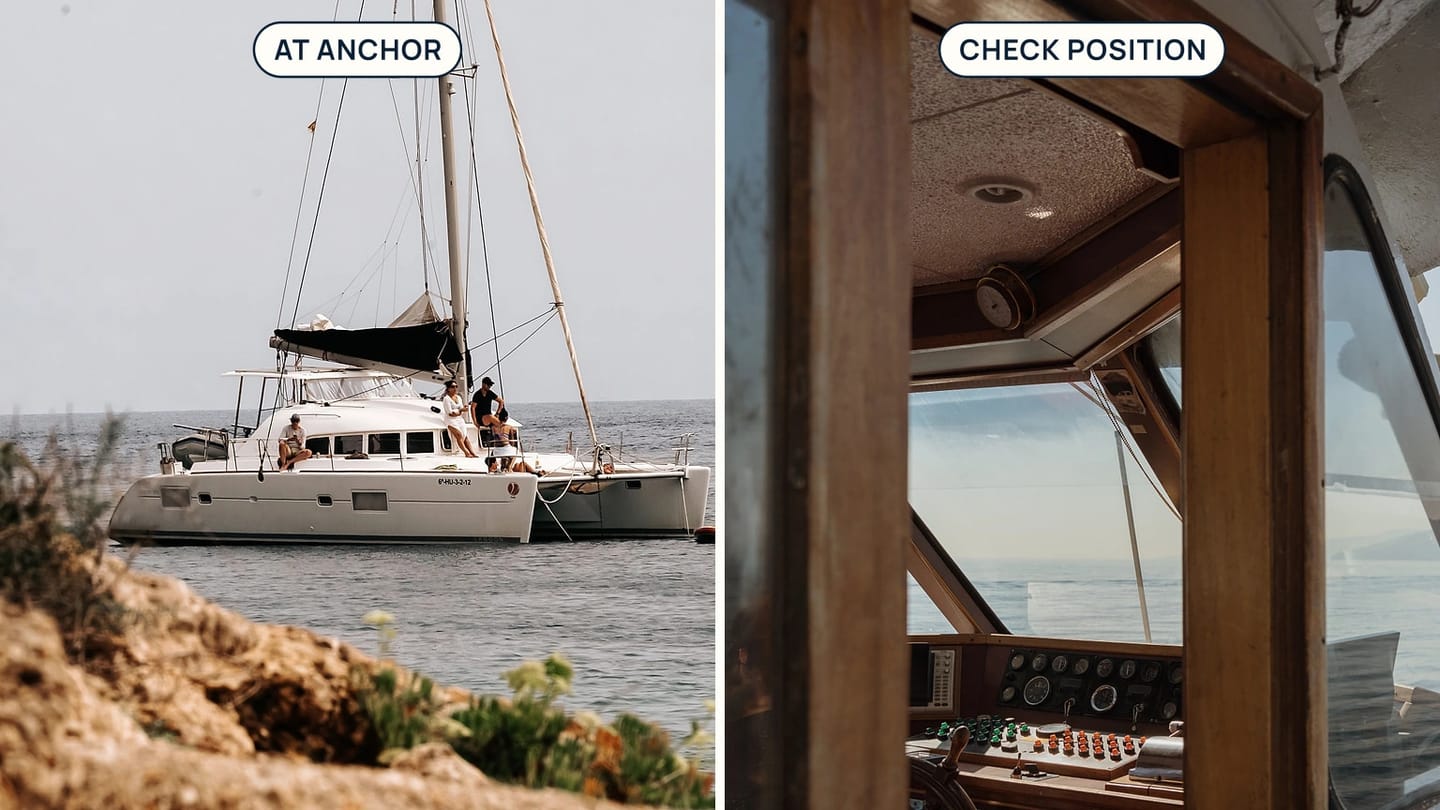
Safe overnight anchoring is built from margin: room to swing, water to remain afloat, a set you have checked, and a clear response if conditions change. The anchor is important, yet the plan around it is what lets you rest.
Before treating an anchor alarm as a night watch, test how it behaves while you are awake. Confirm the displayed position is sensible, understand what area it covers, and decide what you will check if it sounds. An alarm can alert a sleeper to a change, yet it cannot tell you whether the boat has moved within its normal swing, whether another boat has moved, or where the safest exit lies. Those answers still come from the plan and a look outside.
Consider the crew's comfort as part of safety. A place that is technically sheltered but leaves people unable to rest, cook, or move safely in the cabin may not be the right overnight choice. Motion, noise, wake, and the prospect of a wind shift all affect how well the watch can be kept. Moving earlier to a better anchorage can be the prudent decision.
Anchor preparation also includes the route away from the anchorage. Mark the deeper water, any channel edge, nearby lights or marks, and the direction you would steer if a night departure became necessary. Check that the chart, compass, and navigation display are ready before sleep, not after an alarm. This does not predict every problem. It gives a tired crew a starting point that has already been considered in daylight.
Before weighing in the morning, look around again. Other boats may have arrived, wind and tide may have changed the boat's heading, and the first route out may no longer be clear. Recover the anchor deliberately, keep the rode clear, and do not rush because the boat appears to have held well overnight. The same awareness used to set the anchor belongs to the departure.
If the forecast includes a change you do not understand, get more information before settling for the night. Ask the harbour office, local sailors, or a weather service suited to the area. A question asked in daylight can prevent a difficult decision after dark, when the boat is already committed to a crowded or exposed anchorage.
Try it from the lesson
Can you spot the next move?
The chart shows a kelp patch right where you were planning to drop the hook. Why does that change your plan?
Why you can trust this guide
. We build each guide from public seamanship and safety sources, then teach the universal principle before any local difference.