Chart your course
Boat Broker vs Private Sailboat Sale
Quick answer
The short version
A brokered sale can make introductions, scheduling, forms, and closing easier to coordinate. A private sale can give you direct contact with the owner and a simpler conversation. Neither route tells you whether the boat is sound, whether its documents are complete, or whether a deposit will be returned if a condition fails. Choose the route that gives you enough access, a written agreement you understand, and time to get independent evidence.
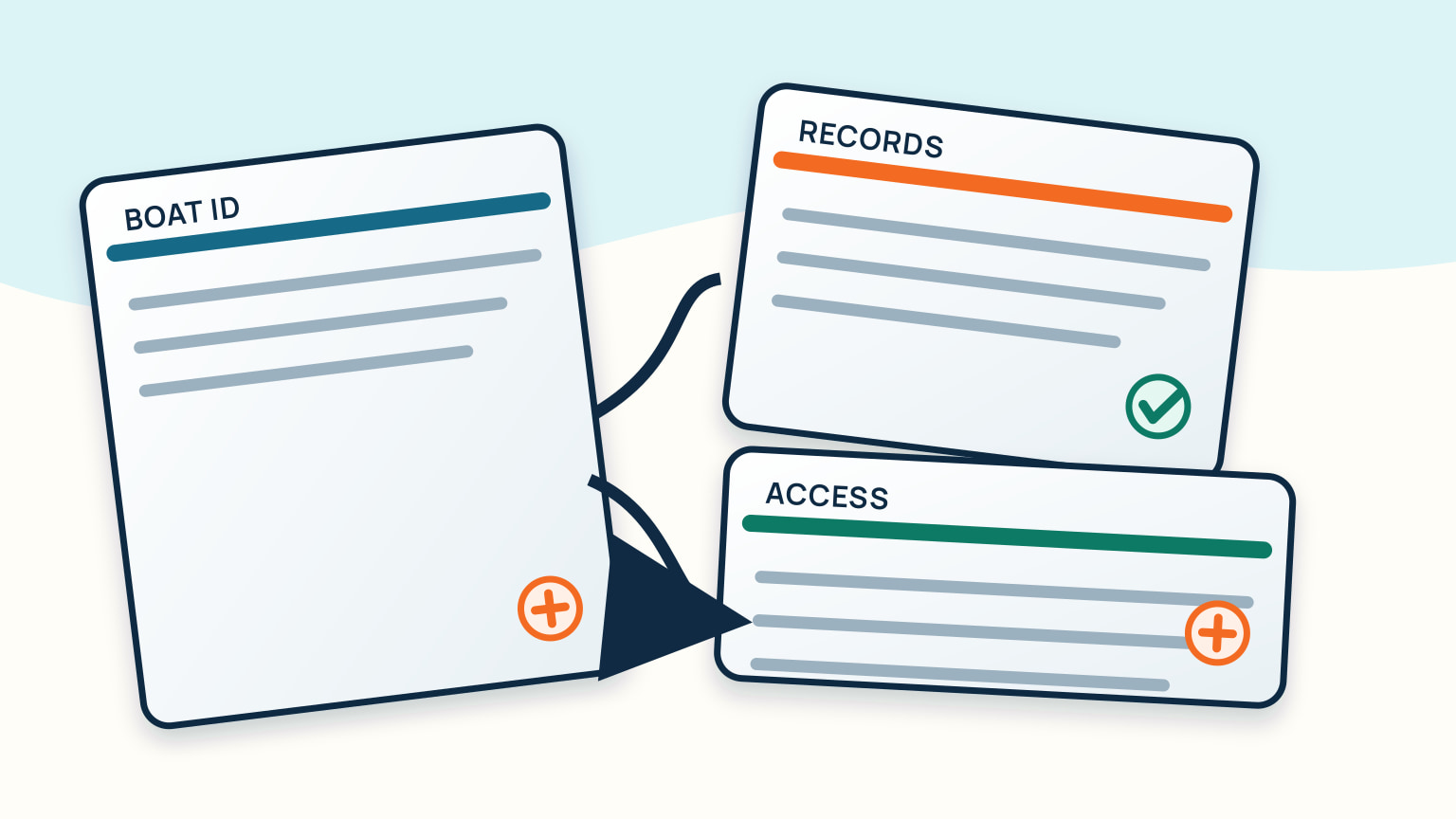
Start with the same baseline for both. Identify the exact boat and equipment, establish who can sell it, read the proposed agreement, arrange your own surveyor, and agree how a survey, trial, finance, insurance, or document problem affects the deal. The useful comparison is the process around the listing, not a promise that one route is safer by itself.
Start with evidence, not the listing route
A polished broker listing and a candid owner conversation are both starting points. They are not condition reports. Before deciding where to buy, ask how you will inspect the boat, test its systems, and receive the specialist evidence needed for the particular vessel. BoatUS describes a normal pre-purchase process that can include an afloat inspection, a haulout, and a trial run. Those activities need access, a yard slot, and clear responsibility for moving the boat.
Choose and hire the surveyor yourself. The report should come to you, with its scope clear. A surveyor works from accessible evidence and may recommend an engine mechanic, rigger, or another specialist. That does not make the survey incomplete. It tells you which question requires a different professional rather than a guess. Our guide to a marine survey helps you plan that work before you make an offer.
Ask both seller types for service records, repair invoices, a current equipment inventory, registration or title evidence where applicable, and the details needed to book an inspection. If an answer is unclear, record the unanswered question. You are building a decision file, not collecting reassurance.
Keep the first viewing modest and methodical. Photograph serial numbers and fittings only with permission, compare what is aboard with the listing, and write down items you could not operate or access. A buyer should not run the boat without the owner's agreed operator during a trial. The point is to preserve questions for the person and process that can answer them, rather than trying to diagnose a complex boat from a dockside visit.
What a broker can change in the process
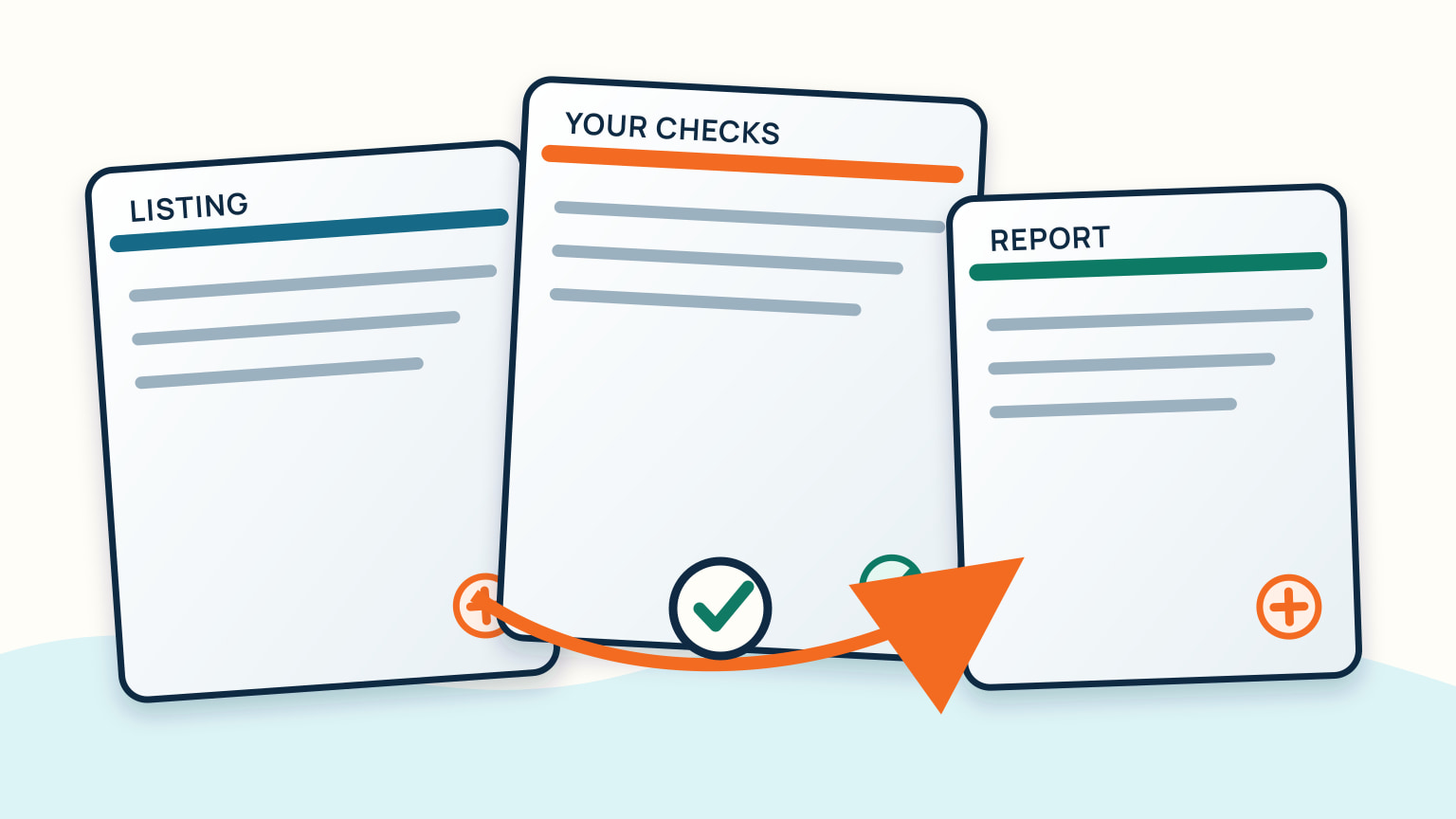
A broker normally provides a sale-and-purchase agreement and coordinates communication between buyer and seller. That can reduce the number of separate conversations, especially when a survey, haulout, sea trial, finance provider, insurer, or closing service is involved. It does not turn the broker into your independent surveyor or remove the need to read the agreement line by line.
Ask who will set the inspection date, who confirms yard access, who holds any deposit, and who sends the inventory and supporting documents. Then ask the same questions in writing. A good process has named people and dates. It does not rely on an impression that somebody else is handling the details.
Do not assume the broker has tested every item in the listing. Request evidence for material statements, then let the survey and trial test the appropriate parts of the boat. If you want a buyer's representative, establish their role, compensation, and whether they owe you a separate duty before relying on their advice. Roles can differ by market and agreement.
The broker route is often useful when the transaction has several moving parts. Its value is coordination and a defined channel. Your protection still comes from the contract terms and the evidence you obtain.
What a private sale asks you to organize
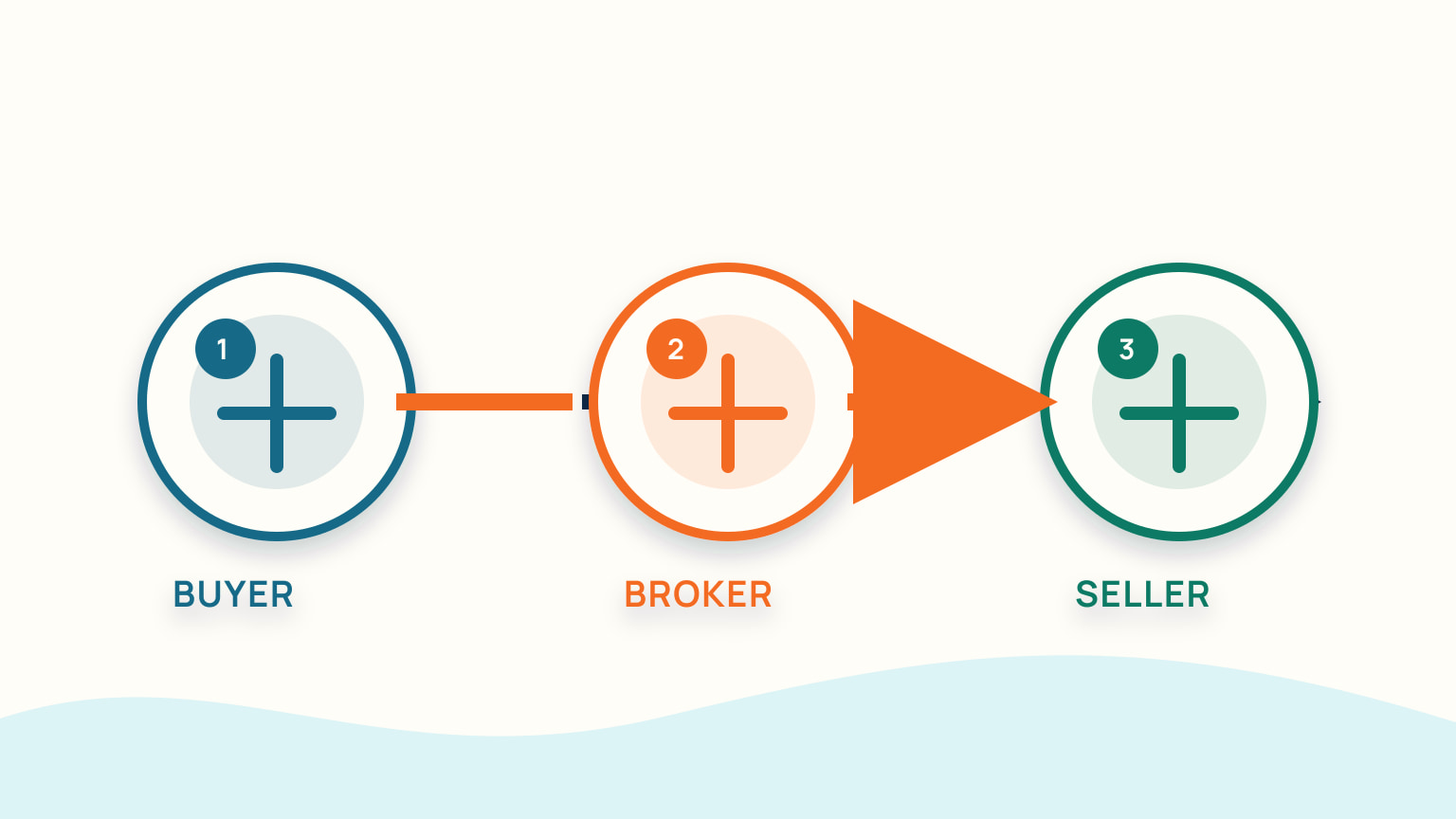
In a private sale, there may be no office coordinating the timetable or supplying the agreement. That can be perfectly workable when you replace the missing structure deliberately. Use a written agreement, identify every item that conveys, state the price and deposit, set the inspection window, and decide how notices will be delivered. Keep messages, documents, and receipts in one place.
Direct contact can help you ask the owner how the boat has been used and maintained. Treat those answers as leads for inspection. If the owner says a repair was completed, ask for the invoice. If they say an item is included, place it in the inventory. If the boat is available for a sea trial, agree the date and conditions before travel or haulout bookings become expensive.
Private does not mean informal. The BoatUS contract guidance recommends recording the boat, price, deposits, delivery or closing terms, equipment, condition, and agreed contingencies. That is a sensible checklist for any transaction, even though local contract, title, tax, and escrow rules differ. For a close look at the hull, rig, and paperwork, use our used-sailboat inspection checklist.
Keep the survey and trial independent
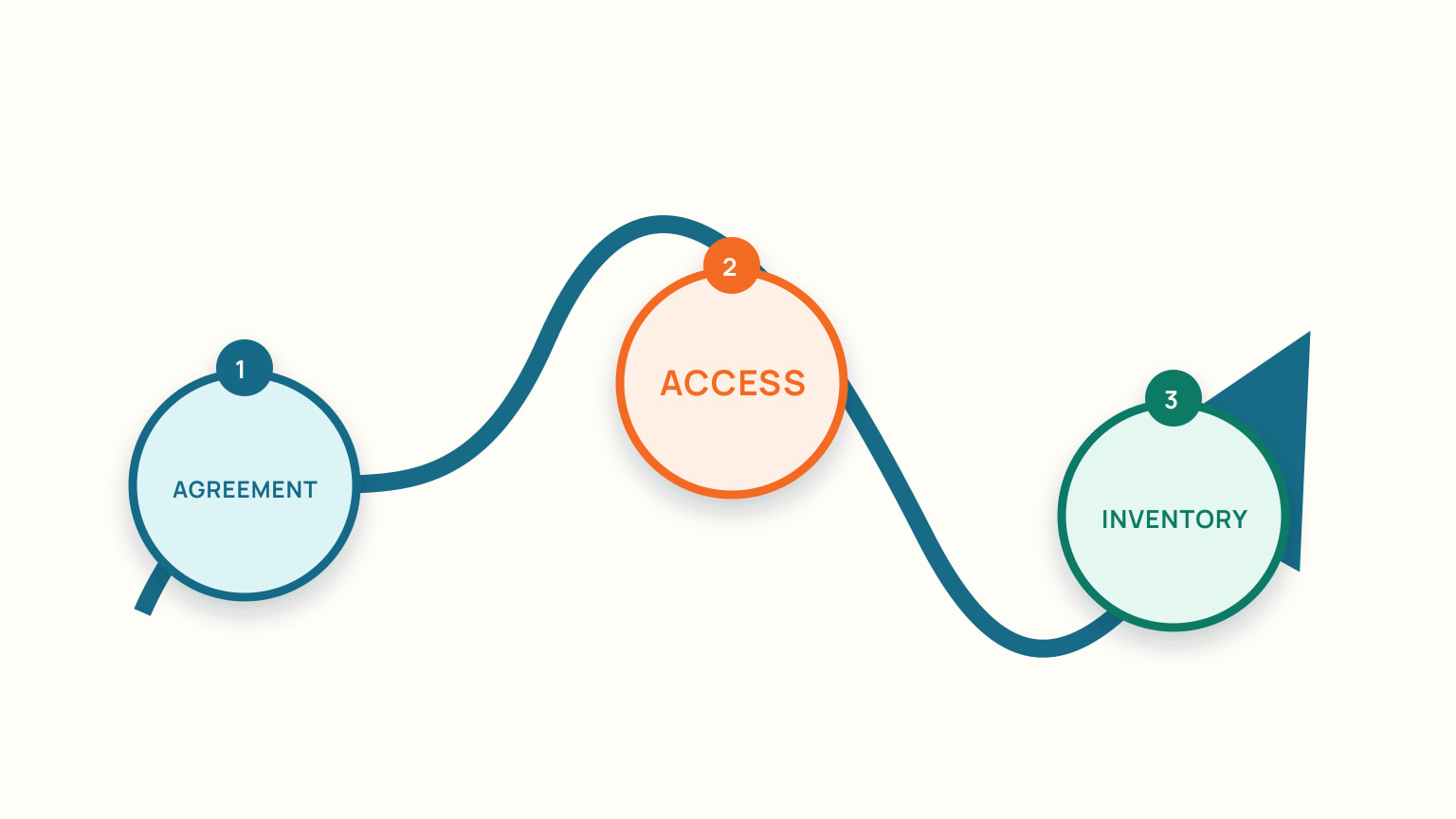
The survey and the trial answer different questions. During a trial, you can observe operation under the agreed conditions. During a survey, the surveyor examines accessible condition. A short, calm outing does not prove every hidden component is healthy, and a survey does not replace a specialist assessment that its scope excludes. Keep these limits visible when you decide what to accept or renegotiate.
Arrange access early. Survey day can involve the seller or their captain moving the boat, a marina or yard providing a lift, and the surveyor needing clear lockers, bilges, machinery spaces, and deck fittings. Bring questions and a way to record the answers. When the report arrives, separate urgent safety or structural findings from routine maintenance and cosmetic work. Ask the surveyor where a recommendation needs a quote from a specialist.
The report is evidence for your decision, not a repair plan written by someone who has agreed to do the work. Read it against your intended use, available budget, and ability to complete the work. Sailboat sea-trial guidance can help you record what you actually observed rather than filling gaps with assumptions.
If findings arrive in pieces, do not rush to turn each one into a price concession. First establish whether a recommendation is confirmed, what access was available, and whether the report asks for another specialist. That sequence keeps the transaction fair to both sides. It also gives you a much better basis for deciding whether the boat still fits your own time, skills, and budget.
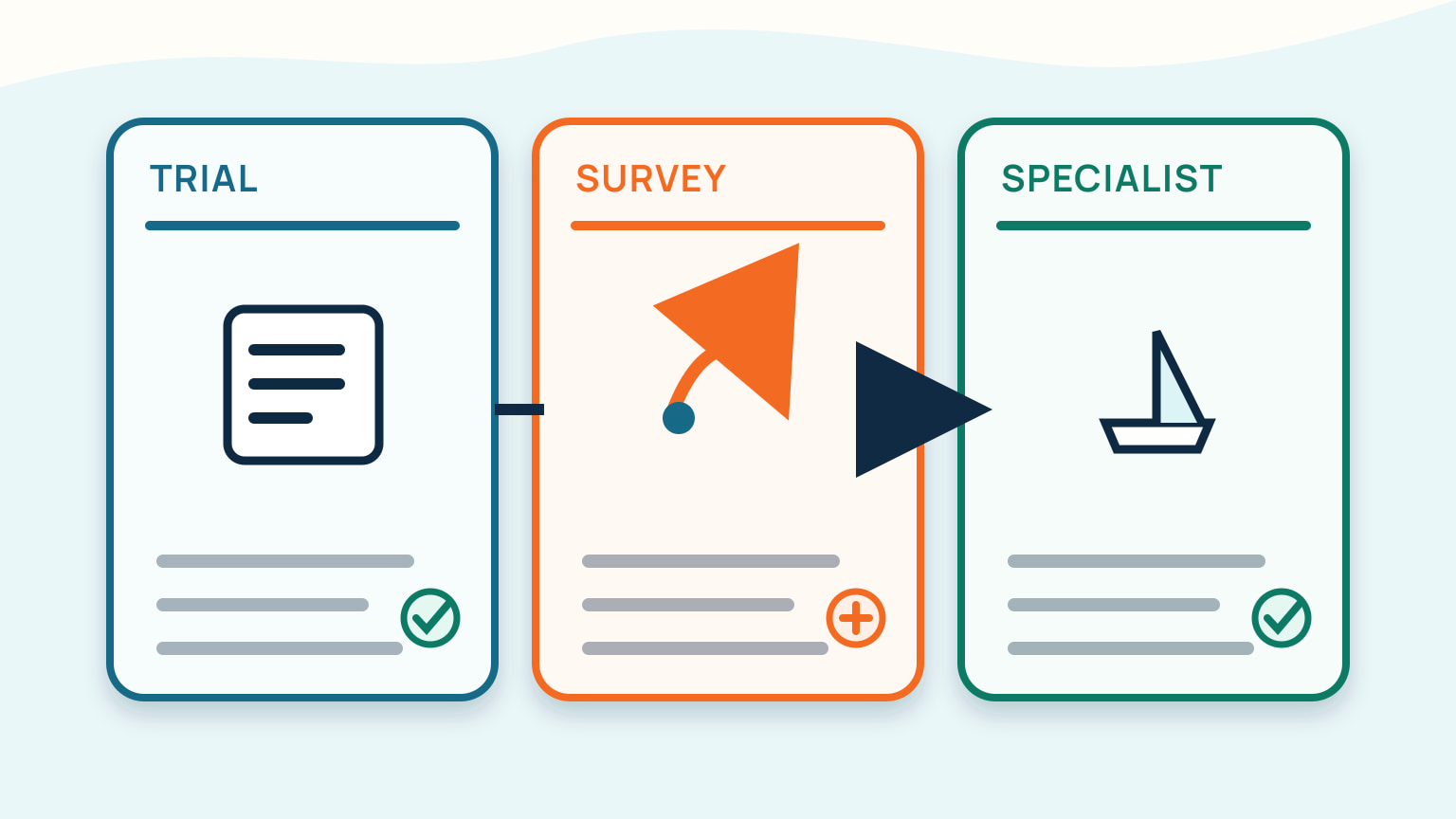
Compare the two routes with one checklist
Put both options on one page. For each boat, list seller identity, boat and equipment identification, documents received, agreement source, deposit holder, surveyor, yard and trial plan, specialist checks, insurance and finance timing, inventory, closing date, and the person responsible for each next step. A brokered purchase may fill more of the coordination columns. A private sale may require you to fill them yourself. The evidence columns should be identical.
Read exclusions before comparing the asking price. An owner may retain a dinghy, electronics, tools, or sails. A seller may agree to make a repair only in a particular way. An insurer or lender may need a survey with a defined scope. A berth may not be available when the boat closes. These are transaction facts, not small details to postpone.
When an answer has to be local, label it that way. Ownership transfer, registration, tax, consumer rights, required forms, escrow, and deposit treatment can change with the place and the agreement. Get current local guidance before signing. How to negotiate a used sailboat price shows how inspection findings can inform a calm, evidence-based discussion.
Choose the route by the process it leaves you able to run, not by a general claim that brokered or private boats are better deals. If a broker is involved, confirm the coordination and document flow it will actually provide. If you buy directly, decide who will supply that structure before the offer is accepted. In either case, keep the same standard: the boat is identified, the inventory is written down, independent evidence can be obtained, the decision dates are workable, and every party knows what must happen next. A purchase becomes safer when its unanswered questions are visible rather than when its conversations feel easy.
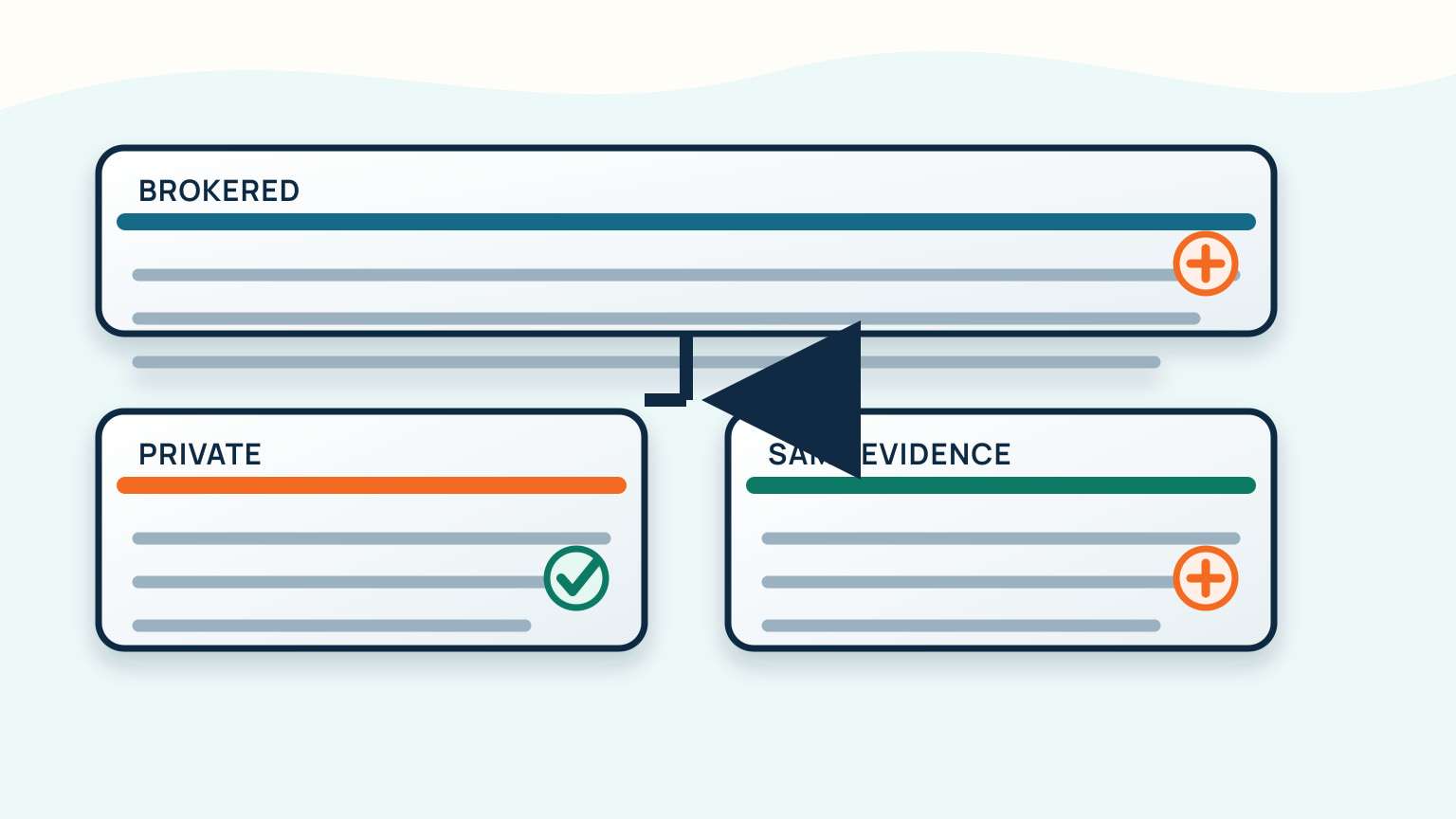
Buying through a broker or directly from an owner is a choice about process. Pick the route that lets you inspect the particular boat, obtain a report from your chosen surveyor, put the included equipment and conditions in writing, and make a decision after you have read the evidence. SailStarter's buying lessons can help you recognize the systems and questions involved. They do not replace the surveyor, specialist, closing professional, or local advice needed for your transaction.
Try it from the lesson
Can you spot the next move?
A wide sailboat glides past on two side-by-side hulls, barely leaning at all. What type is it?
Why you can trust this guide
. We build each guide from public seamanship and safety sources, then teach the universal principle before any local difference.