Chart your course
How to Make an Offer on a Used Sailboat
Quick answer
The short version
Make a used-sailboat offer only when you can follow through on the next steps. Your written offer should identify the boat, price, deposit, included equipment, timing, and the conditions that must be met before you close. It should leave enough time to arrange inspection and review the evidence. An offer is not a casual request to hold a boat while you decide whether you can buy it.
Before you set a number, gather the facts that control your decision: where the boat will go, how it will be insured or financed if relevant, when a surveyor and yard can work, and what you will do if the survey finds a material problem. Agreement wording and deposit rules vary by location, so use the actual local agreement and get appropriate advice before signing.
Get your own readiness in order first
A seller can accept a low, high, or unexpected offer. That means you need a plan before you submit one. Confirm that your money or financing path is available, get an insurance indication if you need cover, and check whether you have a berth, storage, or delivery plan. Survey, lift, insurance, and storage costs can arrive in the same short period after acceptance. Do not budget only for the purchase price.
Make a simple timetable. Record the last date you can inspect, the surveyor you intend to use, the yard's likely haulout slot, the date by which you need a sea trial, and the closing target. A pre-purchase survey may need an in-water inspection, a haulout, and a trial run. If any provider cannot work within the proposed window, change the timing before you make the offer.
This preparation gives you a respectful way to negotiate. You can offer a price that reflects your evidence without promising an impossible completion date. Our cost-to-own-a-sailboat guide is useful for separating purchase money from the early bills that follow acceptance.
Bring the seller's schedule into the same picture. A boat may be waiting for a new berth, another buyer, a seasonal haulout, or a trip that affects access. Ask rather than assume. A short, workable evidence window is better than a long condition period that cannot be staffed by a surveyor, yard, or specialist. If the timetable is unsuitable, waiting for another boat can be the cheaper decision.
Put the boat and the price in writing
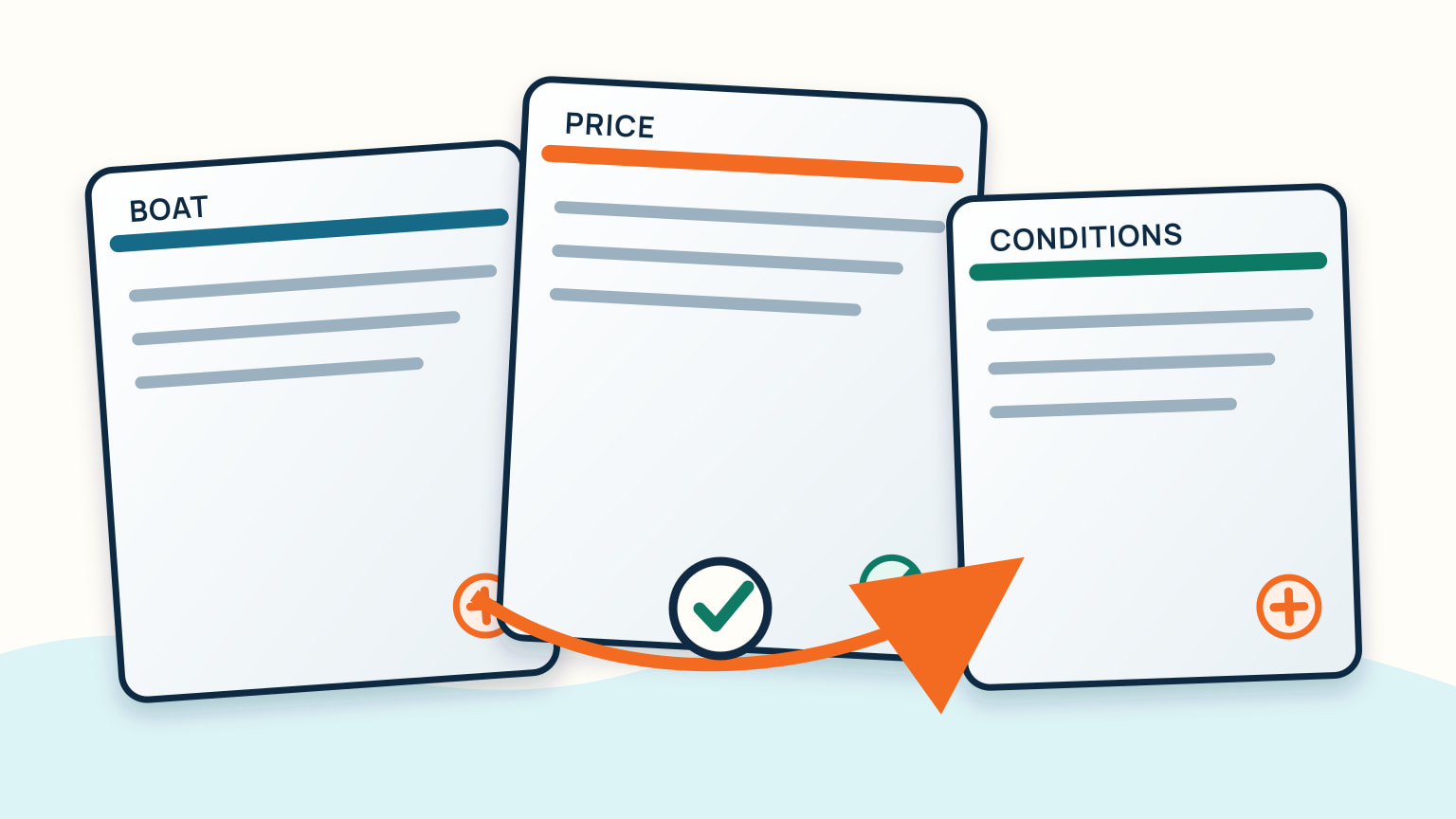
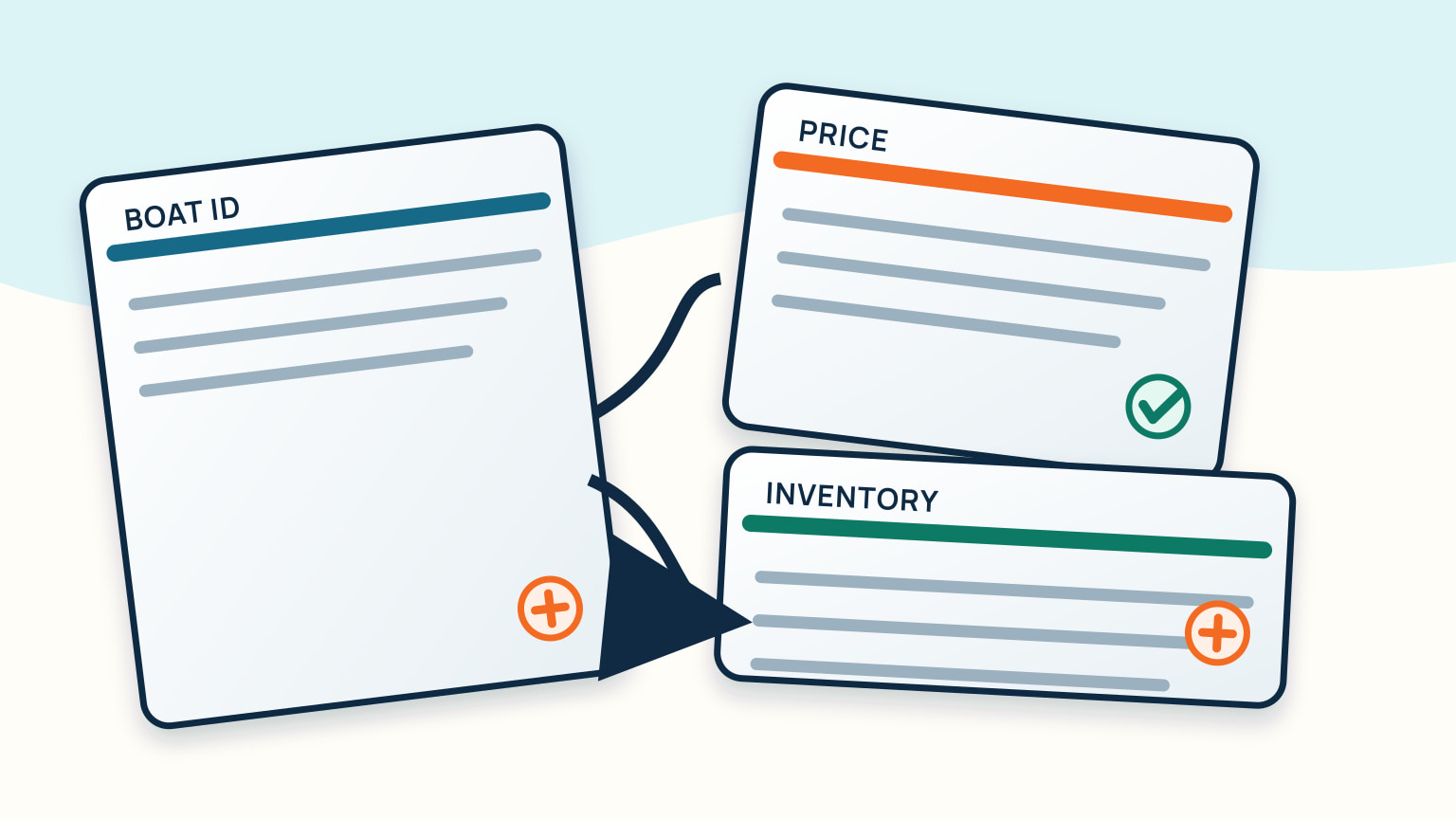
Use the written agreement to identify the buyer, seller, and specific boat. Record its identifying details as required locally, the offered price, the deposit, how the balance will be paid, and where and when closing or delivery will happen. Write down the equipment that conveys. A sail inventory, tender, outboard, electronics, tools, safety gear, ground tackle, documents, and trailer can matter as much as the hull itself.
Do not leave important items in text messages or a verbal promise at the dock. An inventory prevents a different understanding of what stays aboard. If a seller will remove equipment, note that as well. Describe the boat's agreed condition at delivery and any repair or preparation the seller has agreed to perform. Vague words such as “ready to sail” are not a useful work list.
The BoatUS sales-contract guidance uses these same building blocks: boat, price, deposit, delivery, equipment, condition, and agreed contingencies. A local form may use different wording, and that wording matters. Read it rather than copying a checklist into an agreement you do not understand.
State the conditions and their deadlines
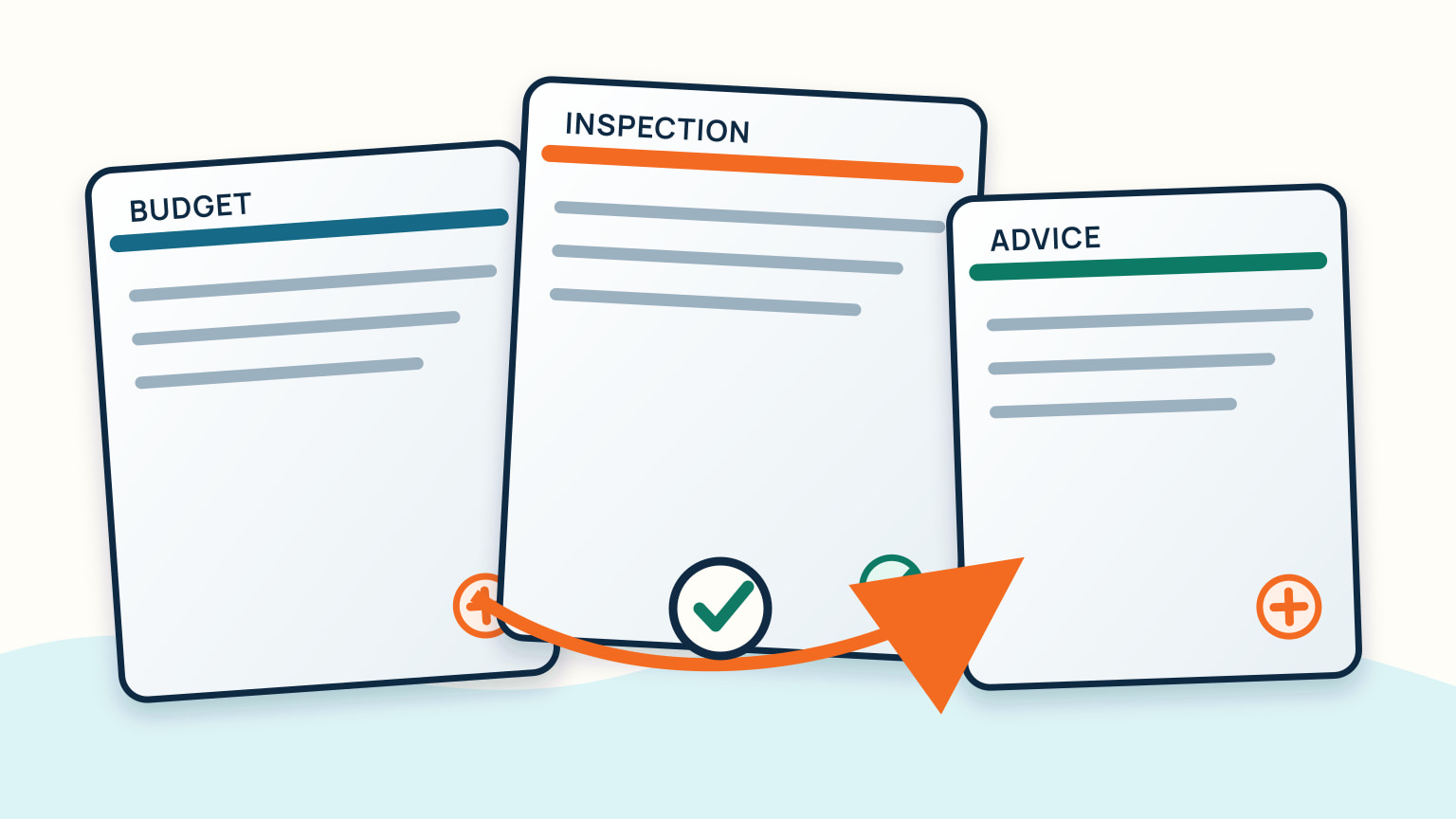
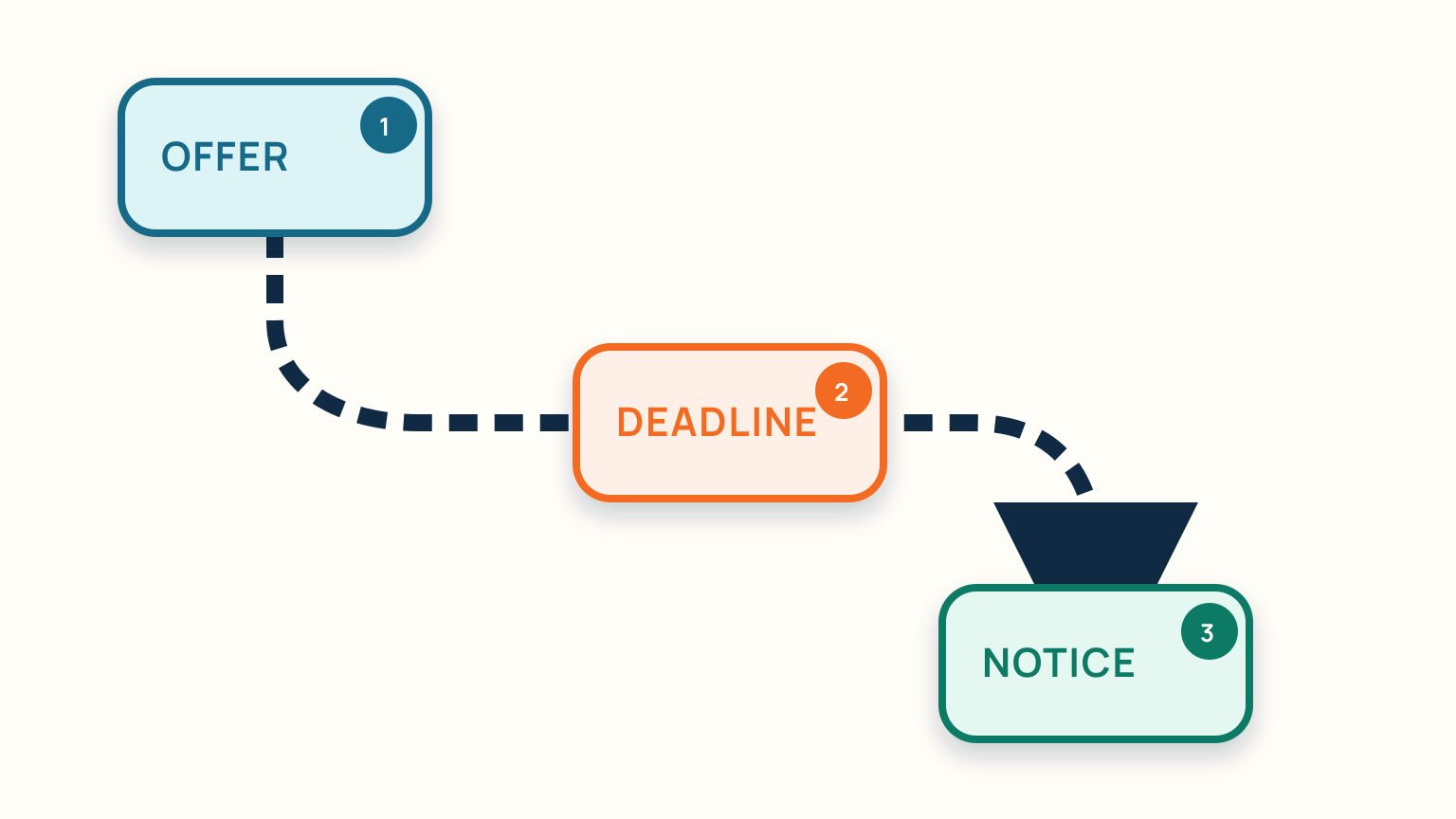
Conditions give you a defined way to gather evidence after an offer is accepted. Common examples include an acceptable survey, acceptable sea trial, available financing, or acceptable insurance. The condition must say what is being tested, who decides whether it is satisfactory, the deadline, how notice is delivered, and what happens to the deposit. Those answers come from the agreement and the law that applies to it, not from a generic online rule.
The survey and trial should have separate language because they do different jobs. A trial is an observation of operation. A survey examines accessible condition and can recommend further specialist work. Neither one proves every hidden part of the boat will remain trouble-free. If your choice depends on engine diagnostics, rig inspection, moisture investigation, or a repair quotation, make space for it rather than treating it as an afterthought.
Avoid conditions that are so vague nobody can tell when they are met. If the agreement uses a standard clause, ask how the local broker, lawyer, or closing professional applies it. Sailboat survey red flags can help you turn an inspection concern into a specific follow-up question.
Arrange the evidence while access is available
Once the offer is accepted, move promptly on the appointments. The seller needs to make the boat accessible for the surveyor. The yard needs to know the haulout plan. The person running the boat needs to be identified for the trial. Prepare questions and a way to save photographs, readings, documents, and recommendations. A surveyor may have only one day on site, so closed lockers and missing service records are costly obstacles.
Keep the evidence in categories. Put structural and water-ingress observations in one place, machinery findings in another, rigging observations in another, and paperwork questions in another. That makes it easier to request a specialist opinion without confusing a minor maintenance note with a decision-changing item. It also helps you compare the likely work against the actual scope of the sale.
Do not let a pleasant test sail replace the rest of the process. A short outing gives you an opportunity to observe controls and systems operating in those conditions. It does not create a delivery guarantee or a complete machinery report. Our sea-trial checklist offers a practical record for that day.

Decide, renegotiate, or withdraw from evidence
When the reports arrive, compare each finding with the agreement, your planned use, and the money and time you can actually commit. A report may identify routine jobs you are willing to take on, a repair that needs a specialist price, or a problem that changes the purchase entirely. Ask for a clear estimate only after the diagnosis is specific enough to quote. A broad “needs work” comment is not a repair scope.
If you ask to renegotiate, use the records. State the finding, attach the relevant evidence, say what response you are proposing, and keep the discussion inside the agreement deadlines. The seller may accept, refuse, offer a different solution, or let the condition fail. Your right to proceed, withdraw, or recover a deposit depends on the accepted agreement and local rules.
Finish by checking the closing file: ownership and transfer documents, lien or encumbrance information where relevant, inventory, payment route, insurance, berth or transport plan, and delivery arrangements. Buying your first sailboat gives the wider decision context, including work that can arrive after the transaction.
Keep the final version of the agreement and every attached schedule. Save the survey, trial notes, estimates, invoices, communications about agreed repairs, and photographs with the boat record. They are useful immediately when you take over the boat and later when a mechanic, insurer, yard, or future buyer needs the history. A clear file is part of a careful handover.
Before you sign, read the offer from the other person’s point of view. Can the seller identify the boat, price, equipment, deposit route, deadlines, and conditions without searching through messages? Can you tell what happens if a survey appointment is delayed, an insurance condition is not met, or a specialist finding arrives near the deadline? If either answer is no, ask for the term to be written more clearly. Clarity is not aggressive bargaining. It gives both sides a shared plan for the period when inspections, logistics and money must move quickly.
Do not use an offer form as a substitute for deciding what you want to buy. Your price can be conditional, but your intended use, first-season budget, and tolerance for identified work must already be considered. A seller may reasonably decline a proposal that depends on too many unknown future decisions. You can still protect yourself by making the evidence window specific, arranging the right appointments, and letting the results determine whether you proceed. That is a firmer position than trying to negotiate a complete repair solution before the condition is understood.
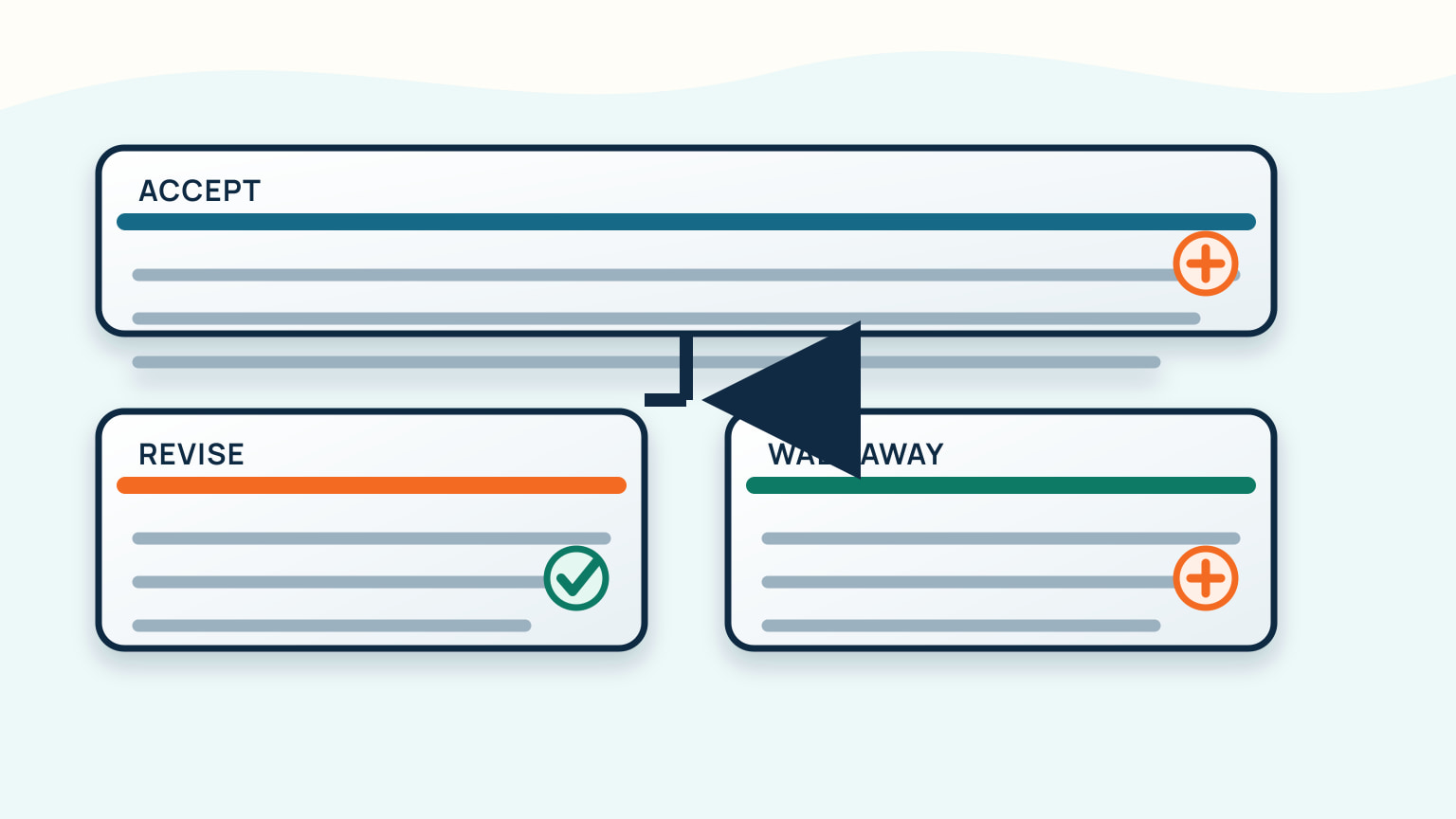
An effective offer gives the seller a clear proposal and gives you a disciplined evidence window. Use it to describe the boat, the price, what conveys, the calendar, and the conditions that matter to your purchase. SailStarter's ownership lessons can help you understand the systems you are looking at. For contract language, deposit handling, title, tax, and closing requirements, rely on the current local agreement and qualified local advice.
Try it from the lesson
Can you spot the next move?
A wide sailboat glides past on two side-by-side hulls, barely leaning at all. What type is it?
Why you can trust this guide
. We build each guide from public seamanship and safety sources, then teach the universal principle before any local difference.