Chart your course
How to Dock a Sailboat Single-Handed
Quick answer
The short version
To dock a sailboat single-handed, do the work before the final approach. Prepare fenders and the first line you expect to use, remove tripping hazards, observe wind and current in open water, and decide where you will abort. Approach at the lowest speed that still gives your boat reliable steerage. If the conditions, berth, or your preparation do not leave time to get from helm to line safely, wait, ask for help, or use an easier berth.
Solo docking is not a test of bravery. One person cannot steer, handle every line, watch every obstacle, and recover from a surprise at once. The skill is making the workload smaller. A well-prepared slow approach can be quiet and ordinary. An unprepared approach often asks a single person to solve too many problems in the final few seconds.
Make the berth easier before you enter it
Study the berth from outside. Identify the docking side, cleats or rings you can reach, neighboring boats, overhanging rigging, shallow spots, and the open water you can use to leave. Watch flags, ripples, moored boats, and floating debris for the effect of wind and current. Your boat may react differently from the boat already alongside.
Decide whether the dominant force will press you toward the dock, carry you away, or move you along it. Do not expect wind and current to cancel just because they point in opposite directions on a chart. Their effect changes with your speed, hull shape, rig, and position in the marina.
Before committing, practise the slow-speed response in clear water. Learn how the boat turns, stops, backs, and drifts. Check how much room you need to shift from the helm to a line. This is useful local knowledge, and it belongs beside the broader approach in docking a sailboat in wind and current.
If your first look says the gap is too tight or the gusts are too variable, make a different plan. Waiting for a lull, circling in open water, using a visitor berth, or asking the marina for a hand are normal seamanship choices.
Prepare the boat for one-person work
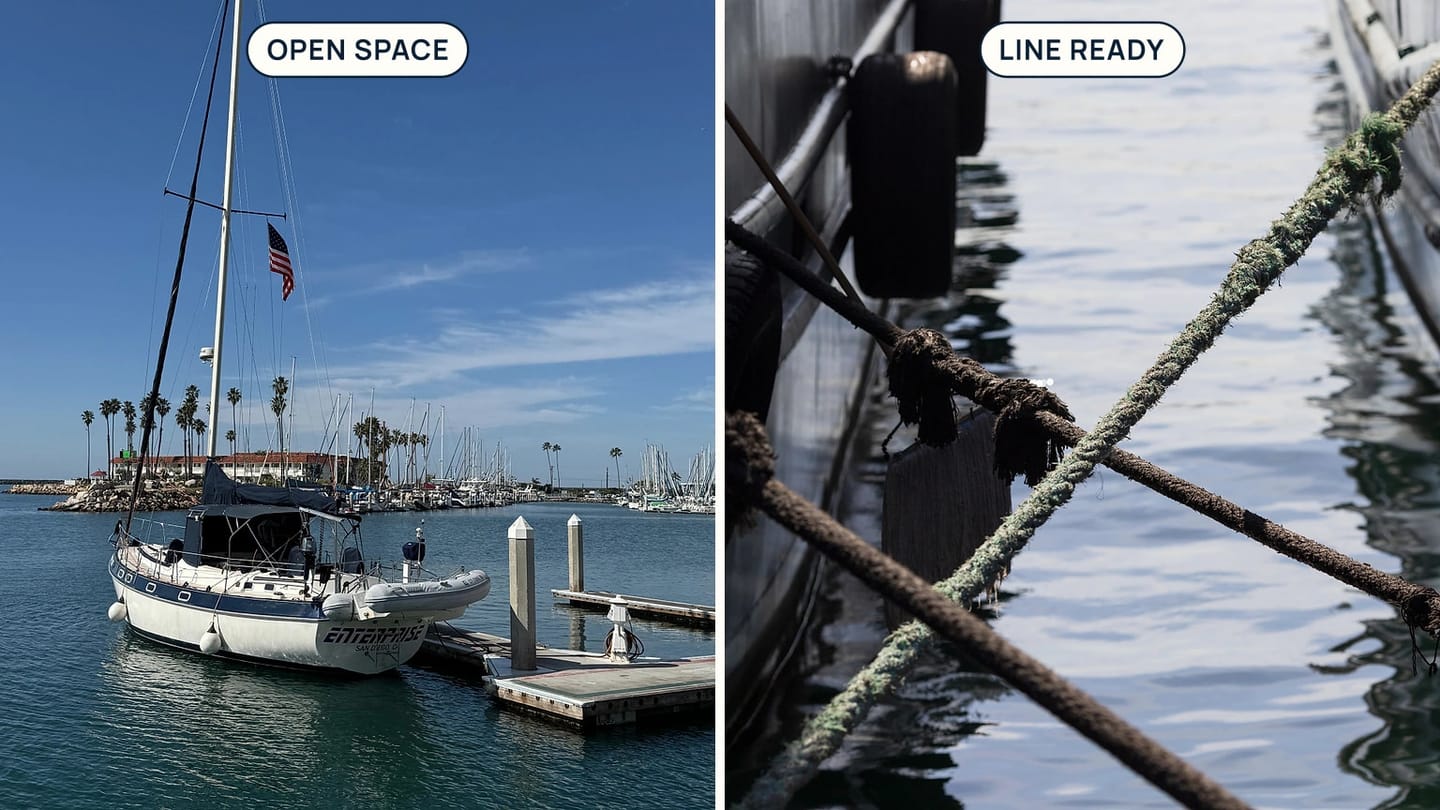
Put fenders on the side and at the height you expect to need. Rig the first line before you enter, with the working end accessible from a safe point and the remainder led outside rails and lifelines. Keep it clear of propellers, wheels, winches, and feet. Do not arrange a loose coil that can catch while you move between helm and dock.
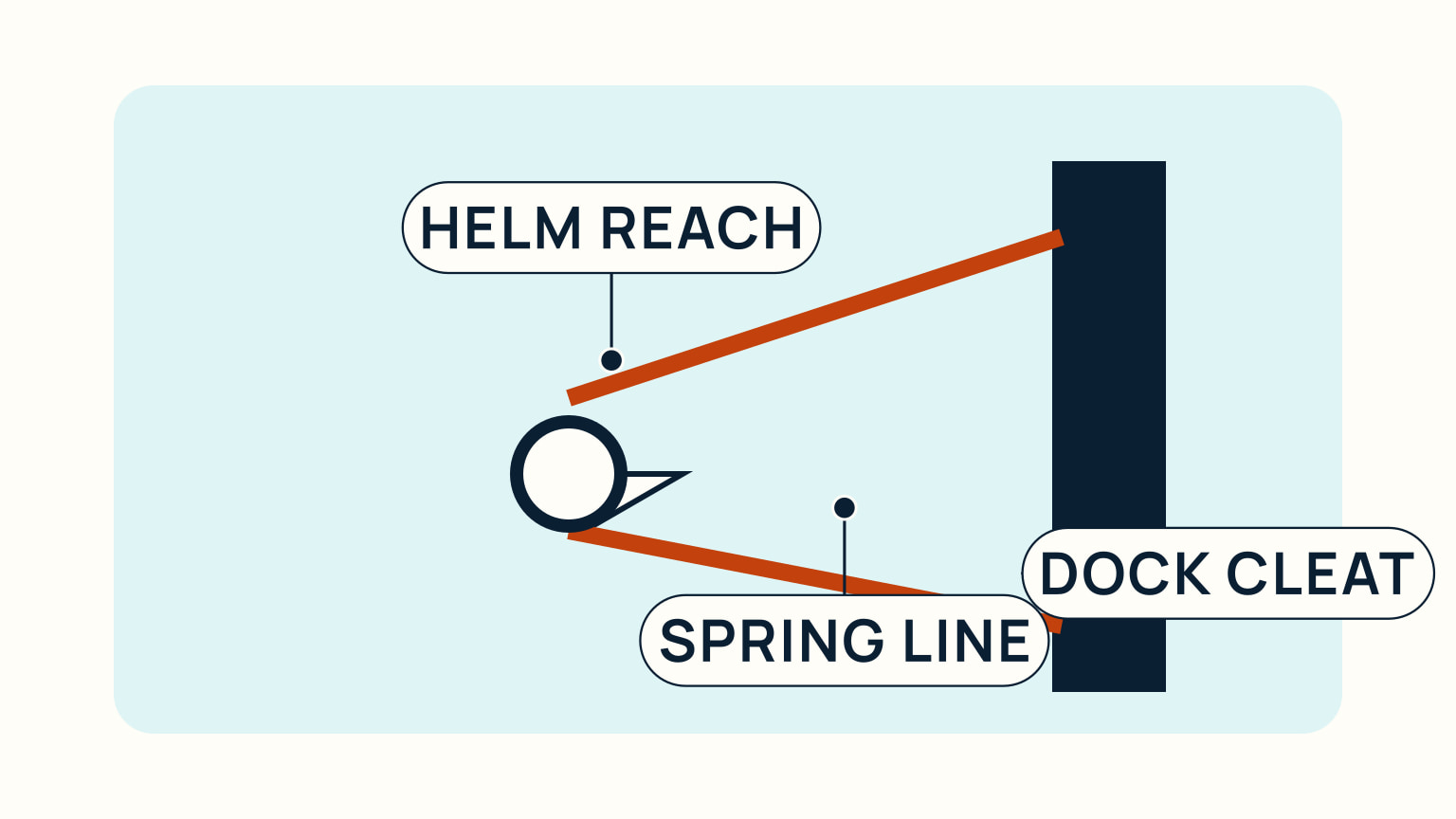
Choose one first line that matches the likely movement after contact. You may need a line that checks forward movement, holds the stern, or prevents the boat being blown clear. The exact choice depends on the berth and force. What matters is that you can reach it, understand its job, and take it without leaving the boat uncontrolled.
Set up a boathook if it gives you reach without making you lean or jump. It is not a substitute for boat control. Do not use a hand, foot, knee, or shoulder to stop a moving hull. Nobody can safely hold back a sailboat once weight and momentum take over.
Make the cockpit simple. Stow unnecessary gear. Open the gate you will use if your boat has one. Keep your personal flotation device on in an open boat or exposed conditions. Tell someone ashore what you are attempting if a hand may be available, then concentrate on the boat rather than a conversation.
Use a slow approach with a real exit
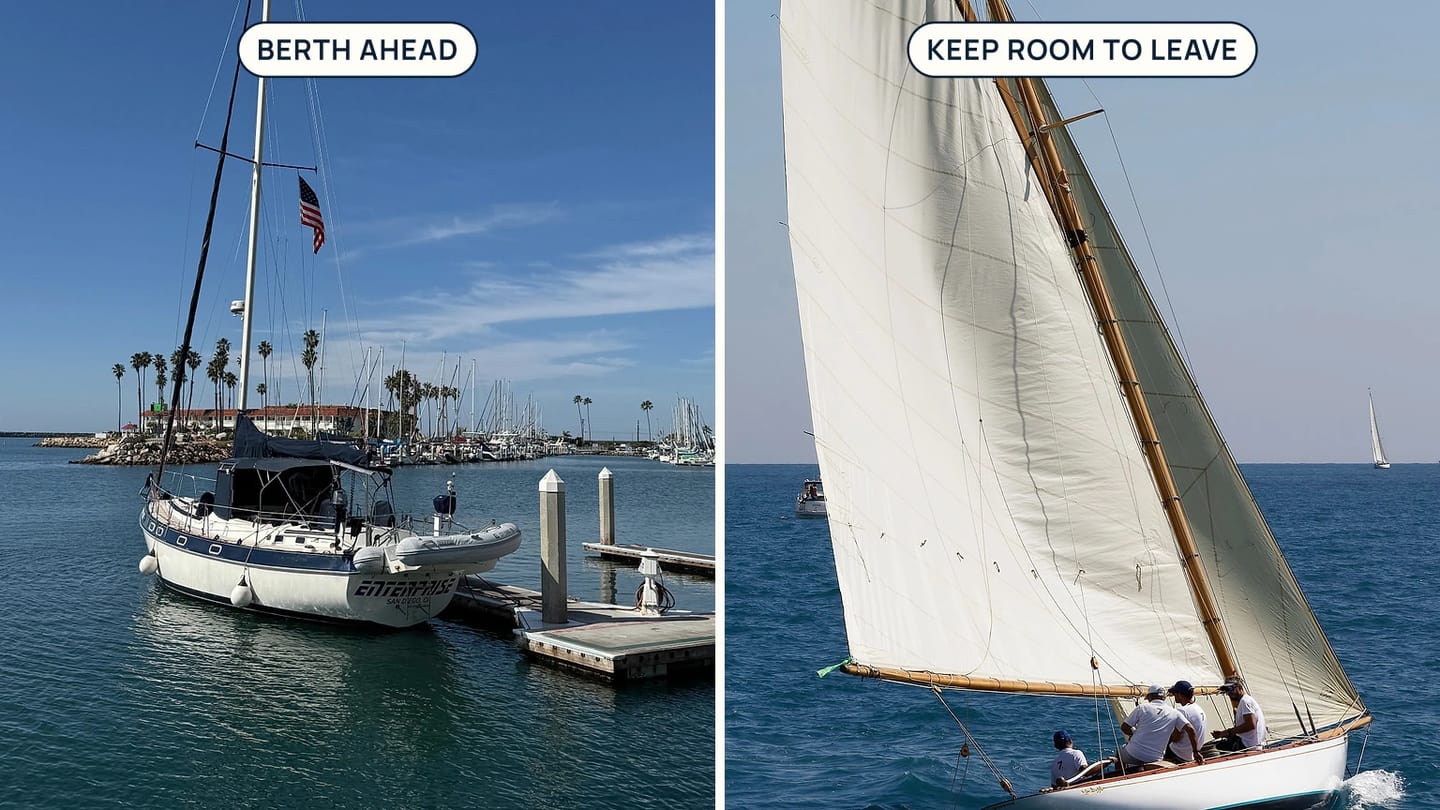
Approach only as fast as you need for steerage. The right speed is specific to your boat and conditions, so avoid copying a number from another skipper. Give yourself enough distance to see whether the boat is tracking as expected before the final turn. Use small, deliberate control changes rather than arriving with momentum you must remove at the dock.
Set an abort point while you are still in open water. If the wind catches the bow differently, the boat is outside the approach line, the line snags, or another vessel enters, leave before the dock removes your options. Say "abort" aloud even when you are alone. It reinforces that leaving is the planned action, not a failure.
Keep looking beyond the near cleat. Check the whole hull, stern, rig, and any neighboring anchors or pulpits. A boat can appear to fit while a spreader, davit, or backstay has no safe clearance. At low speed, you have time to see that before it becomes contact.
Solo practice is best done in light conditions and a wide berth. Build repeatable habits first, then let experience tell you when wind, current, or fatigue makes the job a two-person task. The goal is controlled arrival, not a perfect-looking one.
Secure the first control line, then finish
When the boat is where you planned, take the prepared line without rushing. Its purpose is to control the next unwanted motion, not to make every line fast at once. Once that first line is doing its job, add the remaining bow, stern, or spring lines in a measured order and check the fenders again.
If you cannot take the line safely, continue out and reset. Do not make a desperate grab, step across a widening gap, or leave the helm while the boat is still moving unpredictably. A missed line is information that the timing was wrong. It is not an instruction to force the next second.
After the boat is secure, pause before tidying. Check that each line has a fair lead and is not rubbing on a sharp edge. Confirm the boat has room to move with small changes in water level, wind, and wake. Make a note of what the wind and current did so the next solo docking starts with better local knowledge.
When you are ready to learn the other side of the manoeuvre, leaving a dock under power explains why preparation and an exit matter before the boat moves. The same calm thinking makes both ends of a day easier.
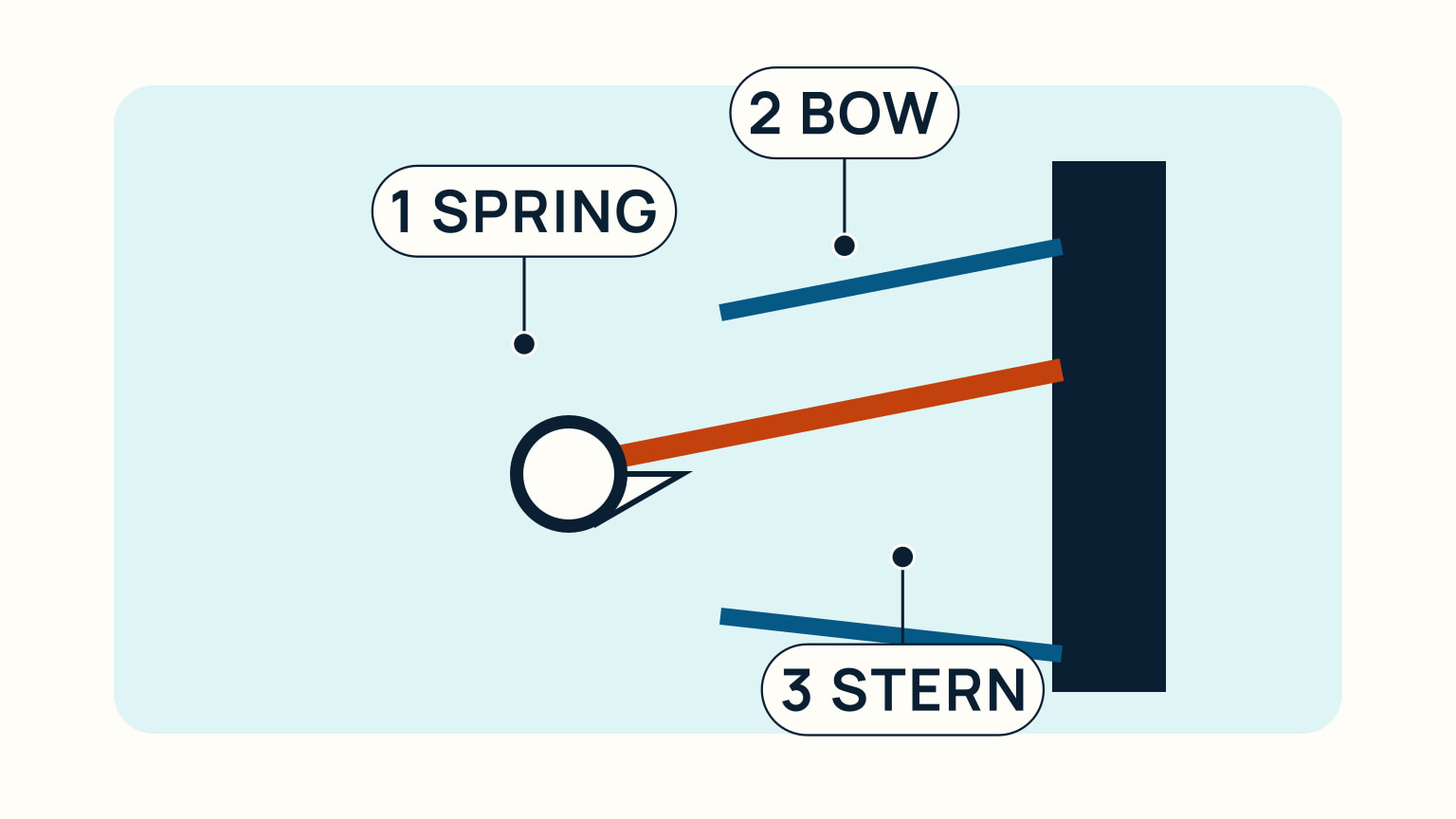
Solo docking becomes safer when you make it less dramatic: choose conditions you can manage, prepare one useful line, move slowly enough to steer, and leave early when the plan stops working. Good seamanship includes deciding that today is not the time to force a berth.
Keep a short record after each practice session. Note wind direction, current, berth shape, first line used, and what surprised you. Over a few visits, you will build a picture of the marina and your boat's slow-speed behaviour. That record is more reliable than trying to remember one stressful arrival. It also makes it easier to explain the plan when someone later joins you aboard and needs to help without taking over.
Do not make fatigue the last variable in the plan. If you have been sailing for hours, the conditions are changing, or you are rushing to a closing fuel dock, choose the simple option. Slow down outside the marina, call for assistance, or wait. Single-handed boat handling works best when the skipper has enough attention left for the next unexpected movement.
Keep the engine and steering checks part of the routine before entering close water. If either feels abnormal, use open water to investigate. A berth is not the place to discover that reverse response, steering travel, or control access is different from normal.
Choose a practice berth that gives you room to stop and leave without a crowd watching or other boats immediately beside you. Repeat the approach from different directions in light wind, then stop before reaching the dock and leave again. This teaches the sight picture and timing without making the line-handling step the first challenge. Add the prepared line only after the boat's response feels familiar. Repetition in forgiving conditions builds better judgement than a single difficult arrival.
Keep your plan visible and simple. A note near the helm can say which side, which first line, and which way you will leave if it goes wrong. It is not a substitute for attention, but it reduces the chance that stress turns a practiced sequence into a vague scramble. As conditions become more demanding, the note may tell you the most valuable thing: wait for assistance.
Avoid arriving with a line wrapped around a hand or a turn already taken on a fitting that could trap it. Keep the working end ready to use and the load path clear. Once the boat is alongside, make adjustments with the boat settled, not while you are still trying to steer and step ashore at the same time.
Try it from the lesson
Can you spot the next move?
You're heading into a berth you've never used before. What's worth doing before you commit to the approach?
Why you can trust this guide
. We build each guide from public seamanship and safety sources, then teach the universal principle before any local difference.