Chart your course
Liveaboard Marina Rules and Costs
Quick answer
The short version
Do not assume that renting a marina berth lets you live aboard. A marina may allow casual overnight stays, require a liveaboard permit, limit occupancy, charge separately for services, or decline liveaboard use altogether. The only reliable starting point is written approval for your boat and people at the named berth. Get the current terms before you buy a boat or commit to a move.
Your budget starts with the berth quote, then adds every service and requirement needed to live there. That can include a liveaboard fee, electricity, water, waste or pump-out, laundry, parking, internet, insurance, transport, maintenance, and any upgrades needed for marina approval. Build the budget from local written numbers, not a global cost-per-foot estimate.
Get written liveaboard approval first
Ask the marina office for its berth agreement, rules, liveaboard policy or application, and current fee schedule. Read them together. Current terms from different marinas show why this matters: some require an application and written approval, some define liveaboard by the number of nights, and some make it a conditional privilege under a separate agreement. A normal berth reservation or a helpful conversation with staff is not the same thing.
Ask whether your exact boat is eligible, whether a berth is available for liveaboard use, who may reside aboard, how long approval lasts, and what happens if your circumstances change. Record the answer in writing. If you are considering a purchase, make sure the boat can meet the provider's stated conditions before you treat that berth as part of its value.
Do not try to solve a restriction by staying quietly or calling yourself a visitor. Living arrangement rules are local and can change. A move that depends on permission needs the permission. Living on a sailboat full time provides a wider look at the boat systems and daily workload behind the berth decision.
Ask the office for a decision in a form you can retain. If approval depends on documents or work, list each requirement, who will confirm it, and the deadline. A boat purchase can move faster than a berth application. Keeping those two decisions separate prevents you from treating an uncertain marina outcome as a completed housing plan.
Read the berth terms as a living arrangement
The written terms may cover much more than where the hull floats. Look for occupancy and guest rules, pets, parking, access cards, address or mail use, quiet hours, storage on the dock, dinghy storage, work restrictions, insurance, emergency contacts, and the provider's right to change or end the arrangement. A liveaboard agreement can be a licence or another local form of occupancy rather than a residential tenancy. Do not make assumptions about legal status; get local advice for the named location if that distinction affects you.
Confirm which fees are fixed and which are metered or variable. Ask whether the quoted rate includes a liveaboard surcharge, power allocation, water, waste, internet, parking, or laundry. Ask how fees can change and whether a permit must be renewed. Put a date beside each quote so an old email does not quietly become your budget.
Your boat also needs to fit the berth and the provider's operating rules. Measure it accurately, including anything that affects access or mooring. Marina slip versus mooring versus dry storage can help you compare the access and work of different storage choices before you assume they support the same daily life.
Build a local monthly and annual budget
Make a worksheet with two columns: recurring cost and irregular cost. Put berth, liveaboard fee, electricity, water, waste or pump-out, phone or internet, insurance, parking, transport, laundry, storage, and routine maintenance in the recurring column. Put haulout, repairs, replacement gear, seasonal heating or cooling, travel, emergency accommodation, and permit or renewal costs in the irregular column. Only insert a number when it comes from the local provider, an insurer, a supplier, or your own records.
Then test the budget against a difficult month. What happens when the boat needs a repair, your connection is poor, the marina bills a high-usage utility, a berth move is required, or weather makes commuting awkward? This does not require a universal contingency percentage. It requires enough cash and alternatives that a normal boat problem does not end the arrangement.
Compare like with like. A lower berth charge that excludes power, water, parking, or liveaboard status is not lower living cost. A higher quote may include services you would otherwise buy separately. The cost to live aboard a sailboat can help you keep a boat-specific budget separate from an advertising headline.
Confirm boat systems and shore services
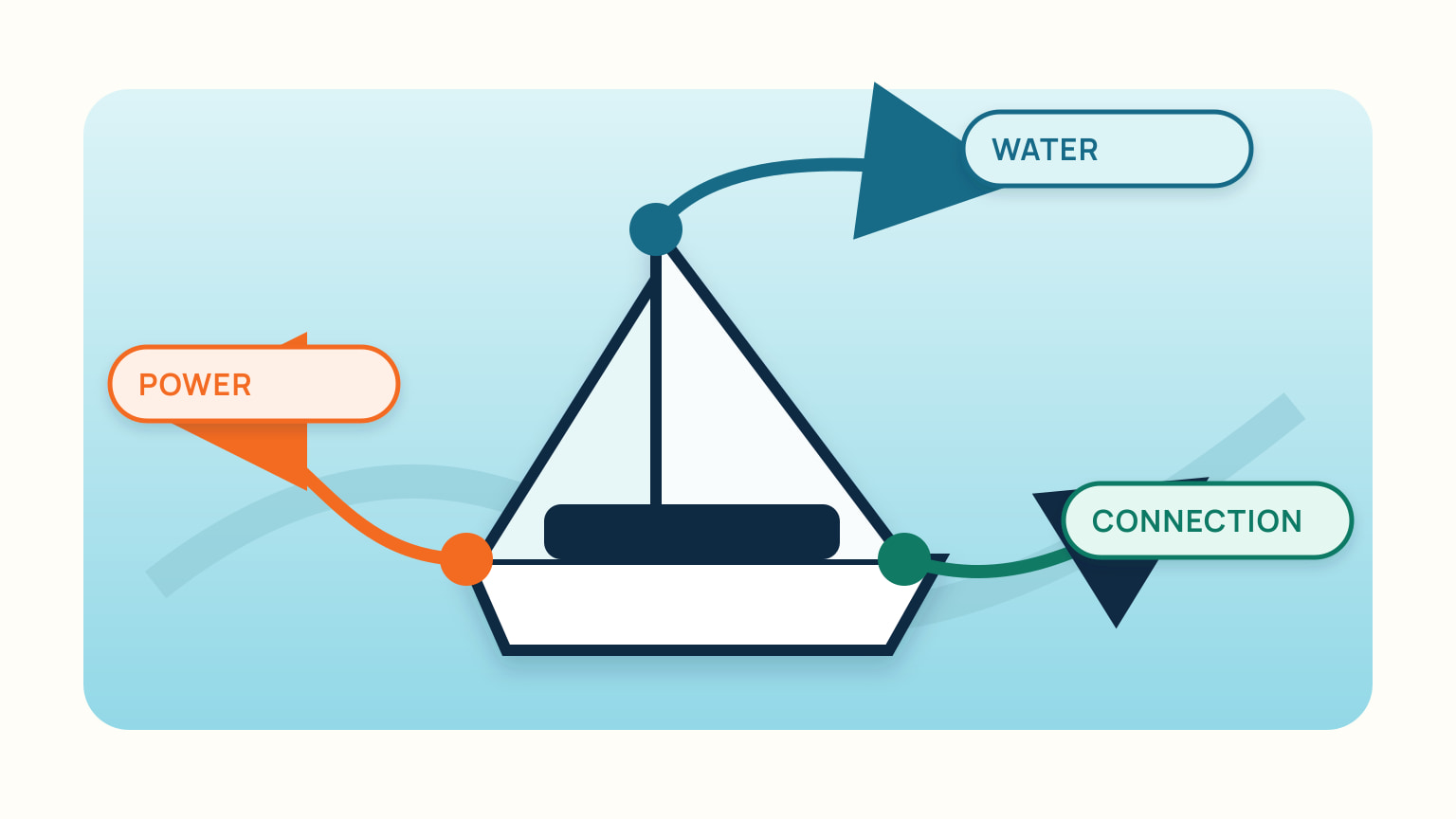
Written marina rules can require that a boat be insured, movable, properly moored, and equipped to manage waste. They can also set conditions for connecting to shore power. Read those conditions before you assume a domestic appliance, heater, charger, or extension setup will be acceptable. If an electrical inspection or specified shore-power equipment is required, price and arrange it through a qualified person in the relevant location.
Plan water and waste around the facilities that actually exist. Ask where potable water is available, how pump-out works, what the marina accepts, and whether the boat's tank capacity and toilet arrangement meet the policy. Do not discharge waste because a berth feels like home. Waste and sanitation requirements are local and may be stricter than the marina's own reminder.
Keep the boat ready to move under its own approved arrangement if the provider requires it. A liveaboard boat is still a boat with lines, bilge, batteries, plumbing, weather exposure, and maintenance needs. A sailboat maintenance checklist is useful for putting daily living alongside the routine checks that protect the vessel.
Test daily life at the actual berth
Visit at the times you would normally live there. Check walking distance, access gates, parking, public transport, groceries, laundry, showers, noise, wind exposure, dock movement, lighting, and the route from car or transit to boat. If remote work matters, test mobile or other internet service aboard the boat. The FCC notes that broadband performance can vary with place, coverage, equipment, and network conditions. A provider's coverage map is not a test of your berth.
Consider food and water storage as a boat task, not a flat task. The US Department of Agriculture's boating guidance points to the need for handling and storage that suit the actual ingredients and conditions. Review refrigerator space, ventilation, galley safety, tank fill routine, rubbish, and shopping access before you decide that a cabin layout will work year-round.
Ask existing berth holders about their ordinary routines, while treating their experience as local information rather than a promise. The office's written rules remain controlling. If the reality does not fit your work, health, mobility, pets, family, or budget, it is better to learn that during a visit than after closing on a boat.
Plan for absence as well. Decide who can check the boat when you travel, how the marina can reach you, and what you will do if weather, a failed charger, or a water leak needs attention. Living aboard does not remove the need for a shore contact and a maintenance routine. It makes those habits more visible because the boat is also where you sleep.
Treat the first months as a test of the written plan, not evidence that every future month will cost the same. Keep the actual berth bills, meter readings, maintenance receipts, transport costs and time spent on routine work. Compare them with the worksheet you made before moving aboard. A difference is useful information: it may show a service you overlooked, an optional expense you can change, or a boat system that needs a more dependable solution. Update the budget from your own records rather than from another liveaboard’s headline number.
Keep a departure alternative too. A marina can change a rule, a berth can become unavailable, a boat can need work ashore, and a personal circumstance can change. Before moving in, identify where you could stay temporarily, how the boat could be moved, which documents and contacts you would need, and what amount of cash protects that decision. This is not pessimism about marina life. It is the same practical planning that makes a boat a workable home when normal arrangements are interrupted.
A successful liveaboard plan starts with a named marina, written permission, and a budget built from that place's terms. Confirm the berth, occupancy, services, shore-power and waste conditions, boat readiness, renewal rules, and daily commute before treating a boat as a home. SailStarter can help you understand onboard systems and maintenance. Marina management and current local rules decide whether a particular berth supports living aboard.
Try it from the lesson
Can you spot the next move?
A wide sailboat glides past on two side-by-side hulls, barely leaning at all. What type is it?
Why you can trust this guide
. We build each guide from public seamanship and safety sources, then teach the universal principle before any local difference.